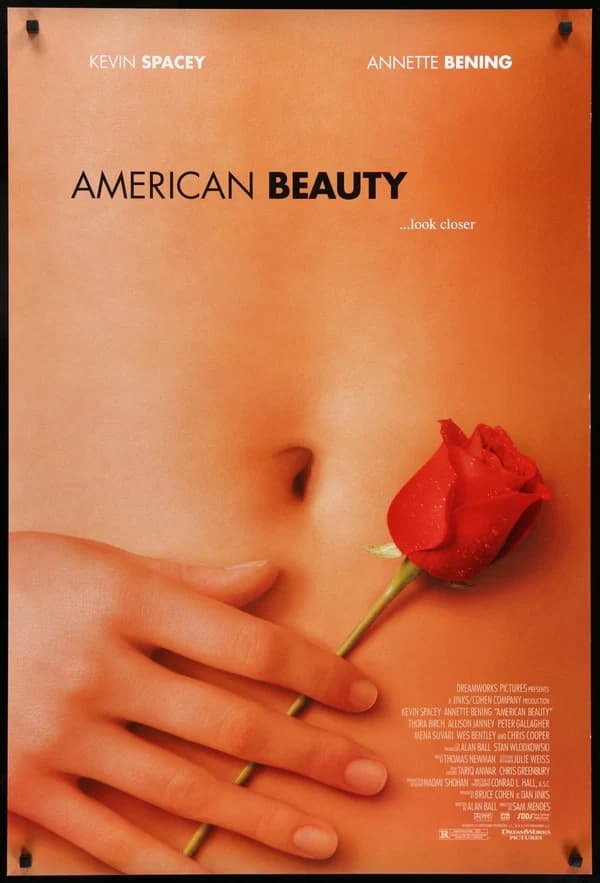
American Beauty
Lester Burnham, suburban rot and a midlife argument that still stings.
// The setup
PLAYBACK STARTED
American Beauty arrives like a polite invitation to look closer: at lawns, marriages and the small emergencies we call normal. It’s Lester Burnham’s voice — telling us the story from after the fact — that keeps the film lively, angry and oddly persuasive about why ordinary lives feel so brittle.
THE MOVIE
Lester Burnham is still the reason this movie works
Walk into American Beauty expecting a neat suburban parable and you’ll get one — but only after Lester Burnham has had his say. The whole film is filtered through his first-person narration, spoken from a vantage point after the events it dramatizes.
That voice matters because Lester is not a neutral observer; he is the engine. He’s a man in his forties who wakes up inside a midlife crisis after becoming infatuated with his daughter’s friend, and that desire propels him to reject the passivity that’s been running his life.
Sam Mendes directs the material with a clear idea of whose story this is: not a catalogue of domestic failures, but one man’s decision to chase autonomy and pleasure, and the mess that choice makes of the tidy suburban picture.
THE SETUP
The idea that sets American Beauty in motion
At its simplest, American Beauty sets a man against the life he once accepted. Lester Burnham’s infatuation with his daughter’s friend is the blunt, uncomfortable catalyst, but the story really turns on his choice to walk away from a dead-end job and the roles that have been smothering him.
That decision doesn’t happen in isolation. It rattles the Burnham household — into arguments, into strange new behaviour, and into the quieter, corrosive ways a family rearranges around someone changing the rules.
Ricky Fitts, the next-door teenager, provides a different angle: he films small moments and insists on finding beauty in them. His amateur footage becomes a motif that keeps reminding the audience this is partly a film about how we look at things.
The entire story is told with Lester’s commentary after the fact, which gives the set pieces an inevitable dramatic irony — we watch knowing this is his version of events, and that knowledge colours every ordinary scene.
THE CHARACTER
Why Lester Burnham matters
Lester isn’t memorable because he’s especially noble or witty. He matters because he’s vivid: a man who decides to stop playing the part he’s been given and, crucially, tells us about it afterwards.
What makes his choices interesting is what they reveal — not just about him, but about the suburban script he’s trying to escape. He’s motivated by a desire to reclaim autonomy and pleasure after years of passivity and workplace dissatisfaction.
His infatuation with Angela is the crude motor of plot, yes, but the character work is in how that infatuation opens up a larger rebellion against what Lester has been told adulthood should look like.
Because Lester narrates from the future, we’re always aware that this is his story to tell; that framing turns ordinary domestic rows and small rebellions into a personal manifesto about living differently.
THE PERFORMANCE
Why Kevin Spacey's performance matters
There’s an obvious industry verdict worth noting: Kevin Spacey won the Academy Award for Best Actor for playing Lester Burnham.
That award is a shorthand for how the film landed at the time — and, importantly, it ties Lester’s narration and presence to the film’s overall authority. The whole movie depends on our being willing to listen to him.
Because Lester tells the story after the fact, much of the role’s weight comes from owning that retrospective vantage point. The performance is therefore bound to the narration as much as it is to individual moments on screen.
So when you watch it now, remember the performance is woven into the film’s structure: the actor’s centrality is part of how the story persuades us to care about the choices on display.
UNDER THE SURFACE
American Beauty has more on its mind than the plot suggests
On the surface it’s a midlife story: a man decides he doesn’t want to be the man he has been. Underneath, the film is much more interested in the fragility of suburban contentment — the ways appearances are carefully maintained to paper over dissatisfaction.
Voyeurism and framing are threaded through the film. Ricky’s camera, Lester’s voice, the way characters watch one another: the movie constantly asks who gets to look and what that looking does to both observer and observed.
There’s also a running idea about beauty as a commodity — how desire and image can be bought, packaged and sold back to us as fulfilment, which the film treats with both satire and unease.
Put together, these strands make it less a simple midlife comedy and more a dark, sometimes funny meditation on how private needs and public performances collide.
PURE 80S
American Beauty could not belong to any other decade
Releasing at the end of the 1990s, American Beauty felt perfectly of its moment: part of a late-decade cluster of American films that probed suburban dysfunction and millennial unease.
Those films shared a refusal to treat domestic life as automatically wholesome. Instead, they treated suburbs as a stage where private failures and public pretence meet.
American Beauty’s timing — arriving in 1999 — let it act as a kind of punctuation mark: a high-profile, theatrical take on anxieties that had been simmering through the decade.
Seen this way, it’s less about nostalgia for a style and more about a cultural mood that the film captured neatly as the century turned.
WATCHING IT NOW
What has aged — and what hasn't
Some parts of American Beauty still land cleanly: the set-up of a man violently reassessing his life, and the way that reassessment disturbs a family routine, remain persuasive and often painful to watch.
Other elements invite debate. Critics and scholars continue to argue about who the satire is aimed at, and whether the film’s tone treats certain characters — especially those connected to adolescent desire and gender — in ways that sit comfortably with modern viewers.
The plot engine of Lester’s infatuation still feels central and provocative; it forces the audience to confront how private longing can reshape public behaviour.
Meanwhile Ricky’s habit of filming small moments still reads as one of the movie’s cleverest ideas: it keeps nudging viewers to question how much of life can be captured and whether captured images tell the truth.
THE LEGACY
Why American Beauty still matters
Part of the film’s staying power is literal: it was widely awarded during the 1999–2000 season, including five Academy Awards such as Best Picture, Best Director and Best Actor.
Those honours helped consolidate Sam Mendes’s move from theatre into mainstream film directing, marking him out as a high-profile new voice in American cinema.
The film’s awards and profile also guaranteed continued attention — it’s been shown in special engagements since release and has remained the subject of critical reassessment.
That ongoing conversation is part of why people still return to it: even when viewers disagree about tone or targets, the movie continues to provoke argument and re-evaluation.
THE VERDICT
Does American Beauty still hold up?
Yes — but with caveats. The film’s structural choices (Lester’s post-event narration and the interleaving of domestic scenes and observational set-pieces) still create a powerful dramatic ironny that makes you watch ordinary life as if it were about to misfire.
Lester’s decision to reject a dead-end working life and pursue personal freedom remains the clearest dramatic spine; it destabilises the family and forces each character into sharper relief — Carolyn’s concern with appearances, Jane’s withdrawal, Ricky’s framing of beauty.
Where the film asks uncomfortable questions about desire, image and the ethics of looking, it still has the power to unsettle. But some viewers will find parts of the tone and the treatment of certain characters harder to accept now than they were in 1999.
If you’re curious about late‑90s American cinema or want a film that still provokes conversation about suburbia and reinvention, it’s worth watching. Just bring your willingness to argue with it.
Share this movie
// Keep watching
More movies from the 90s
If American Beauty is your kind of movie, there's plenty more on the shelves worth rewinding.
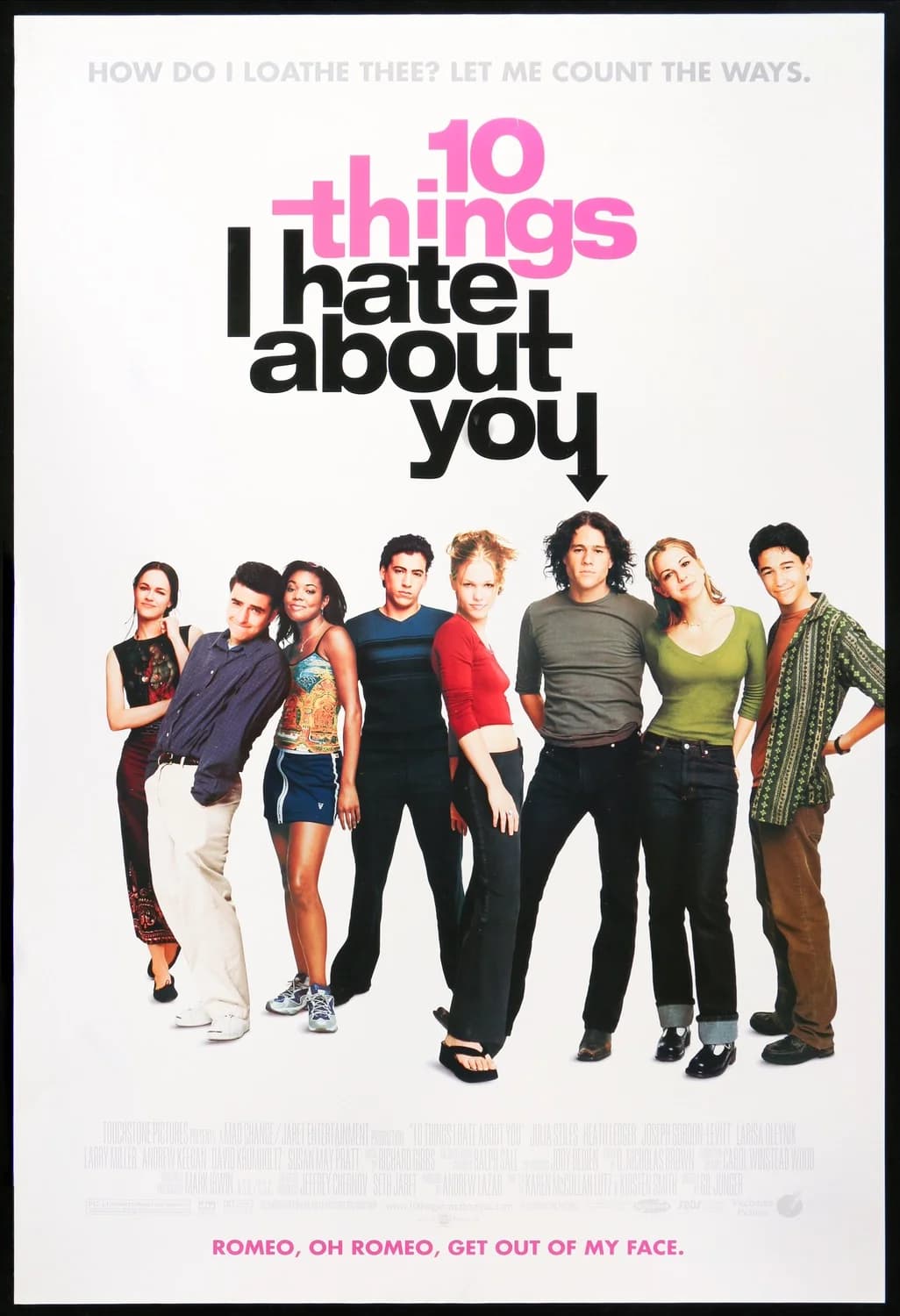
1999 // VHS
10 Things I Hate About You
Sibling rules, a rooftop serenade and one very stubborn Kat — Shakespeare in a school corridor.
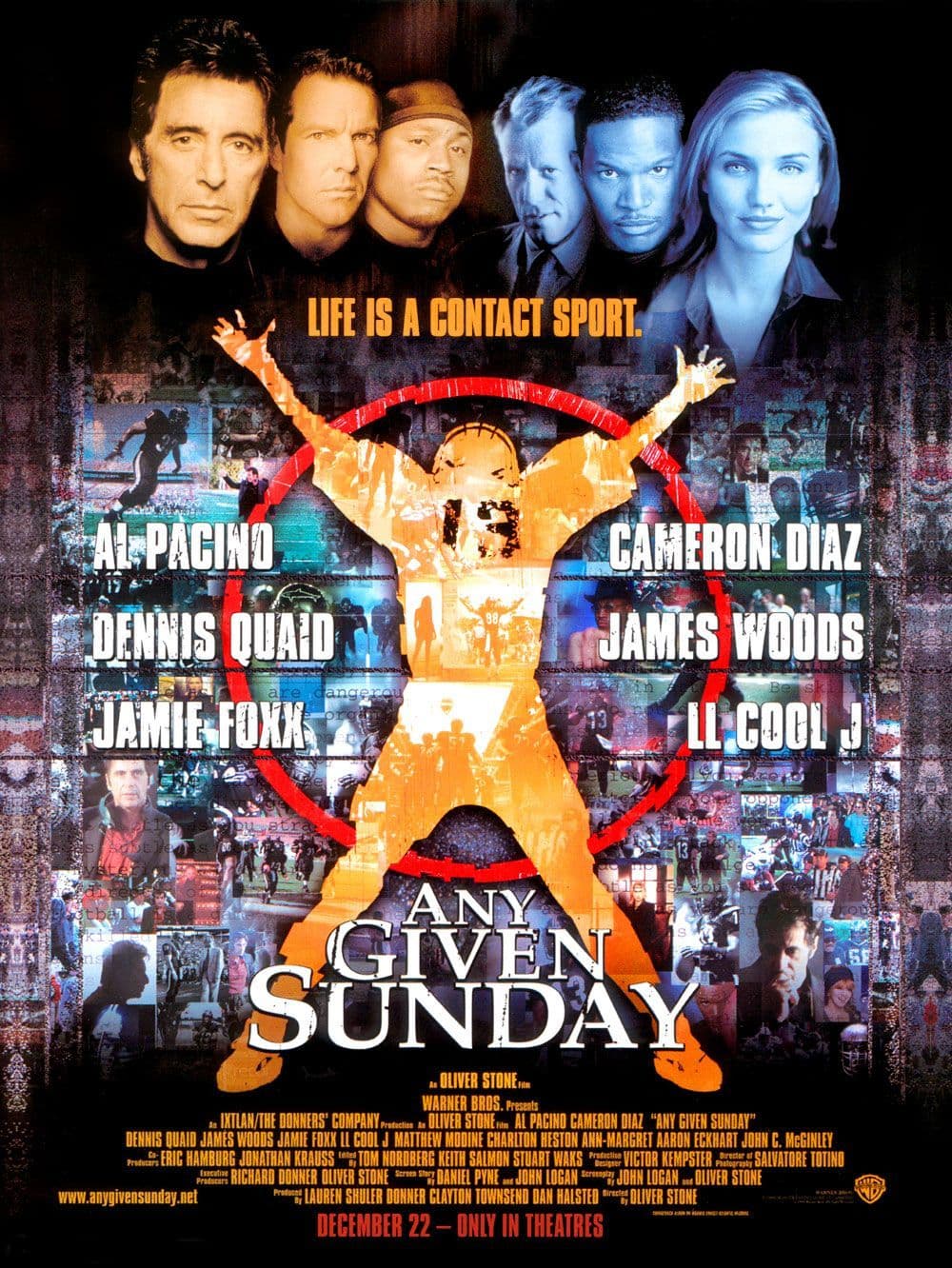
1999 // VHS
Any Given Sunday
Al Pacino's coach anchors the chaos of a film about football turned into product — loud, messy and oddly persuasive.
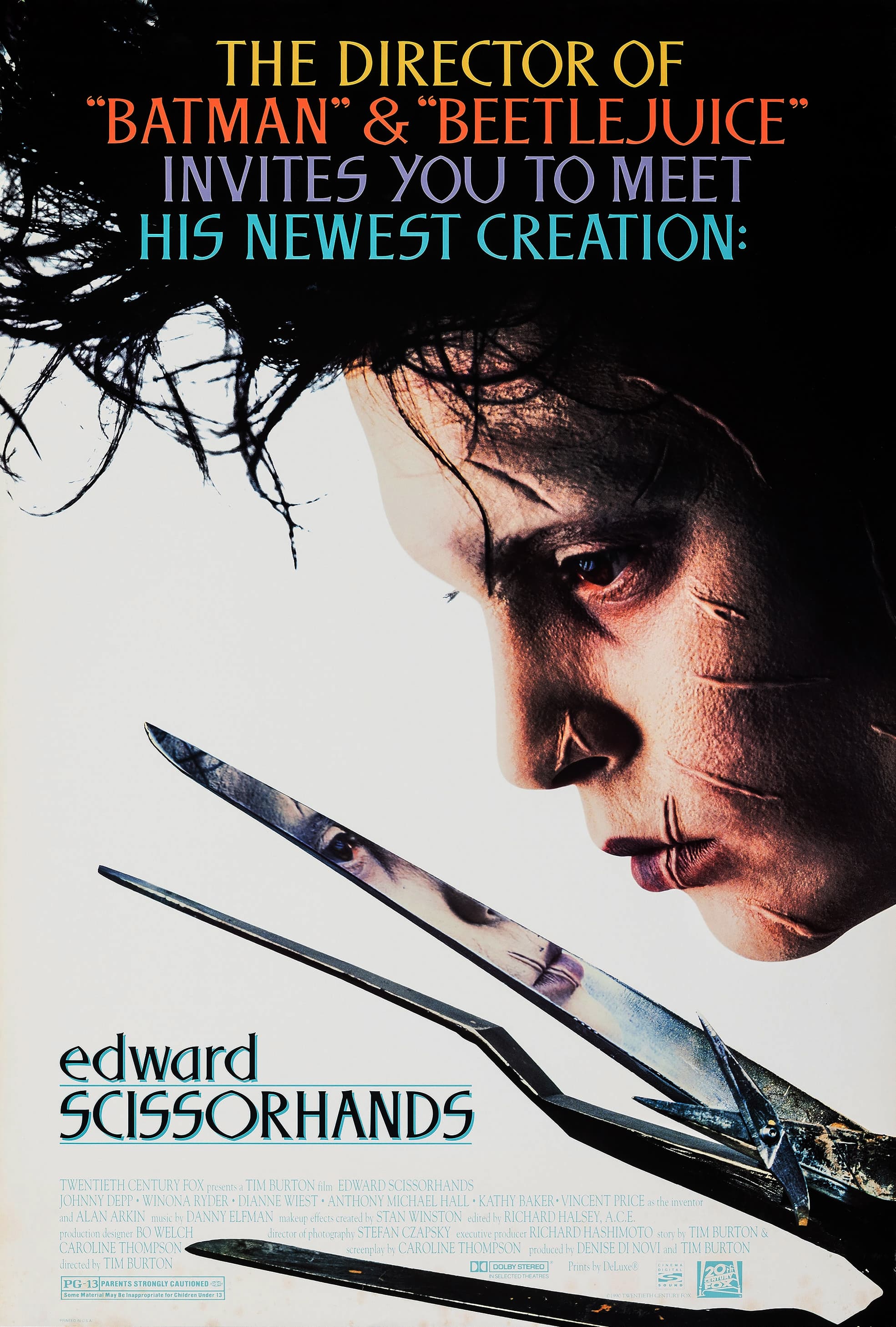
1990 // VHS
Edward Scissorhands
A fairy tale about a man who can’t quite touch the world — and the neighbourhood that can’t quite handle him.