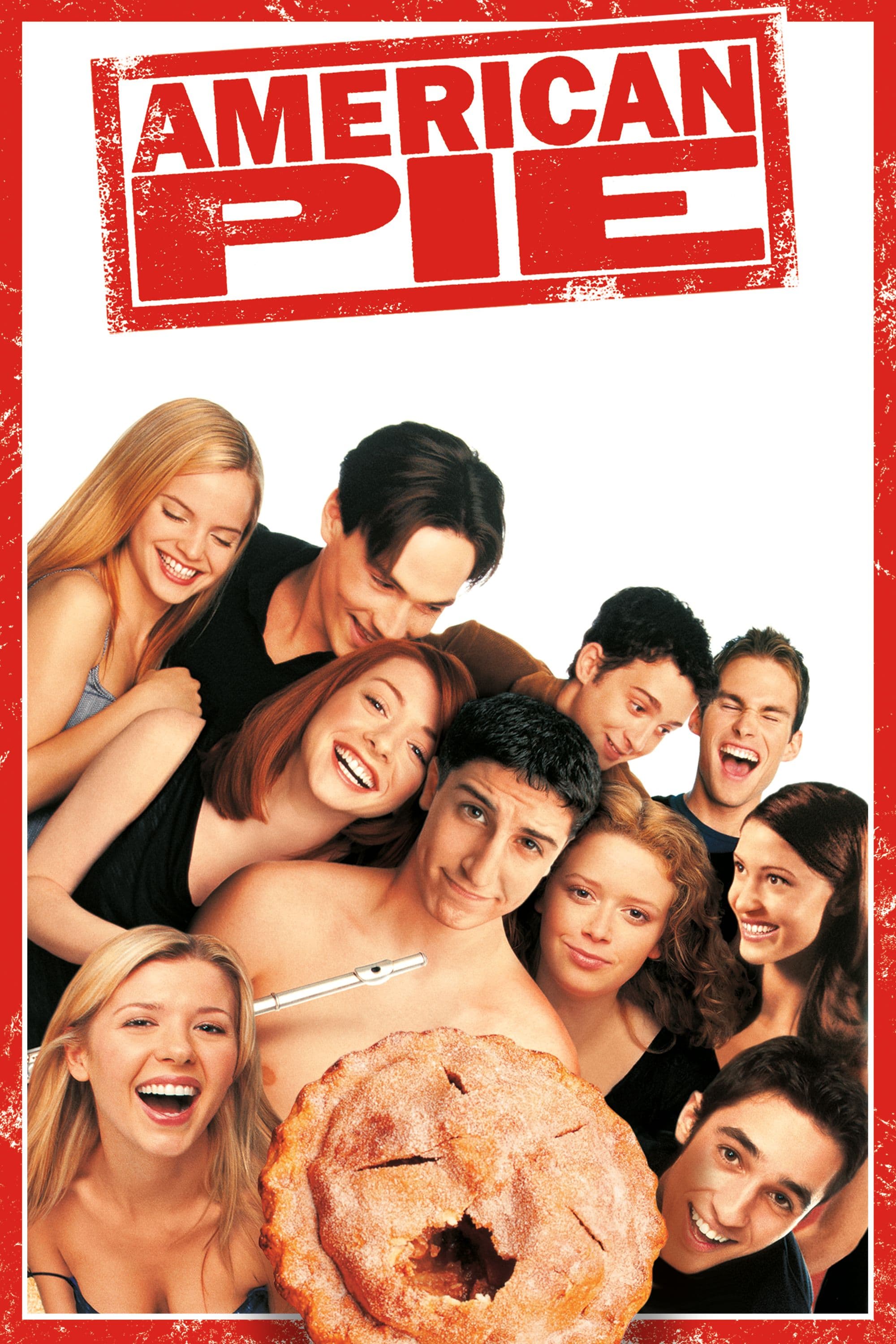
American Pie
A pact, prom and one painfully memorable pie.
// The setup
PLAYBACK STARTED
Remember that terrible, glorious moment when teenage bravado meets absolute humiliation? That's American Pie in a nutshell: a summer-1999 teen comedy that ties a high-school pact to prom night and then proceeds to make growing up messy, noisy and oddly warm. Paul Weitz directs, Jason Biggs plays Jim Levenstein, and the film’s whole heartbeat is a very British-sounding mix of embarrassment and affection.
THE MOVIE
Jim Levenstein is still the reason this movie works
American Pie kicks off with a simple dare: five high-school seniors pact to lose their virginity before graduation. That deadline — prom night — gives the film a clear, slightly ridiculous ticking clock and a reason for everyone to panic all at once.
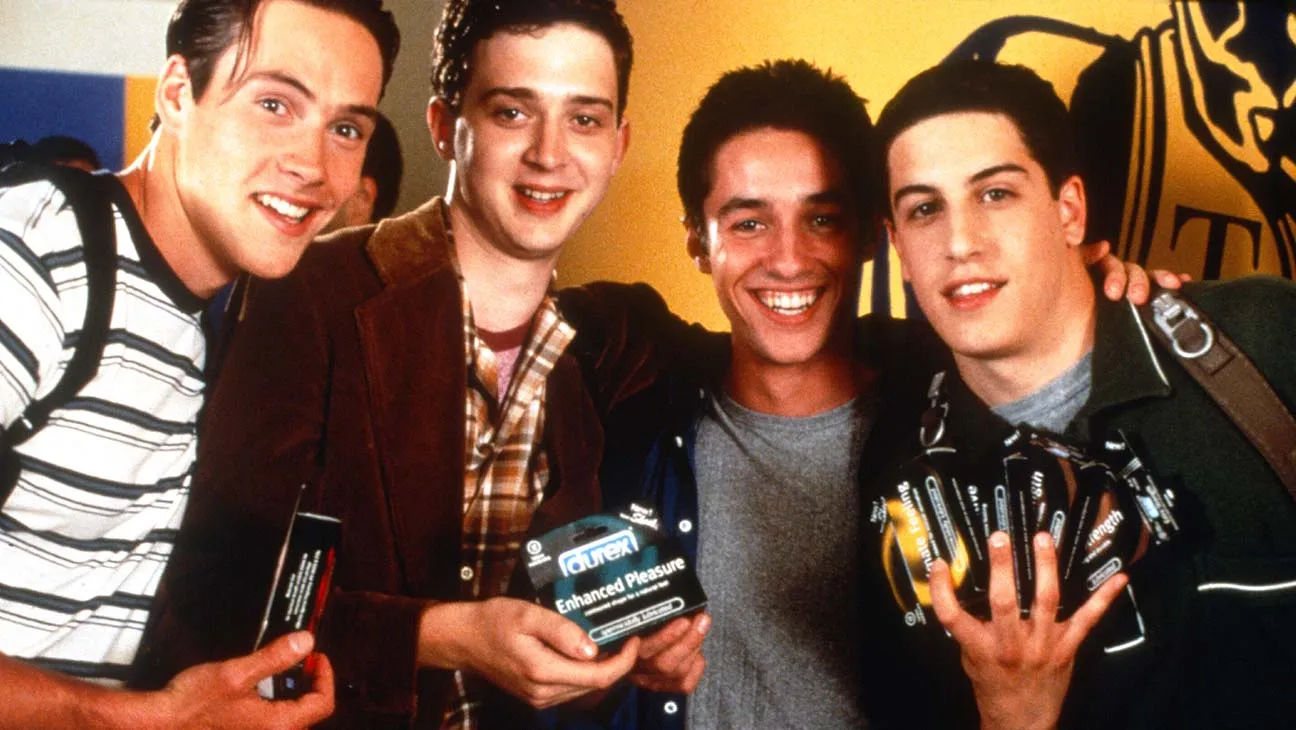
The pledge isn't born from thoughtful debate; it's provoked by a classmate bragging about sex at a Stifler party, and that boast turns tidy adolescent anxiety into full-on peer pressure and competition. The movie uses that social push to push its characters into ludicrous situations and awkward rites of passage.
Through the chaos, Jim Levenstein is the emotional magnet. Jason Biggs plays the kid whose performance anxiety and embarrassment become the film’s recurring comedy engine — and, crucially, the thing that keeps the raunch grounded in a bit of sentiment. Directed by Paul Weitz and timed to a late-summer 1999 audience, it knows exactly how much humiliation you can watch before you care.
THE SETUP
The idea that sets American Pie in motion
The film stitches together separate stories from the same deadline: prom and the post-prom bash at Stifler's house. That single event pulls the gang toward a shared climax and gives the screenplay a tidy, combustible aim.
Each boy represents a different approach to sex and adulthood: Kevin wrestling with relationship expectations, Oz trying to reinvent himself by joining the jazz choir, Finch playing the schemer, and Jim stuck in a loop of acute performance anxiety. Those contrasts keep the movie moving and let the comedy vary in tone.
American Pie leans on practical humiliation — public pranks and restroom-related embarrassment — as recurring set pieces, and it layers in a webcam/online exposure subplot to ramp the stakes for private humiliation becoming public.
There’s also the surprise storyline involving Finch and Stifler’s mother, which pushes the film into genuinely startling territory and underlines how the movie mixes shock, comedy and coming-of-age beats.
THE CHARACTER
Why Jim Levenstein matters
Jim could have been a collection of pratfalls. Instead, the film keeps circling back to his particular brand of panic — sexual, social and embarrassingly specific. That repetition turns Jim from a joke into a recognisable human being.
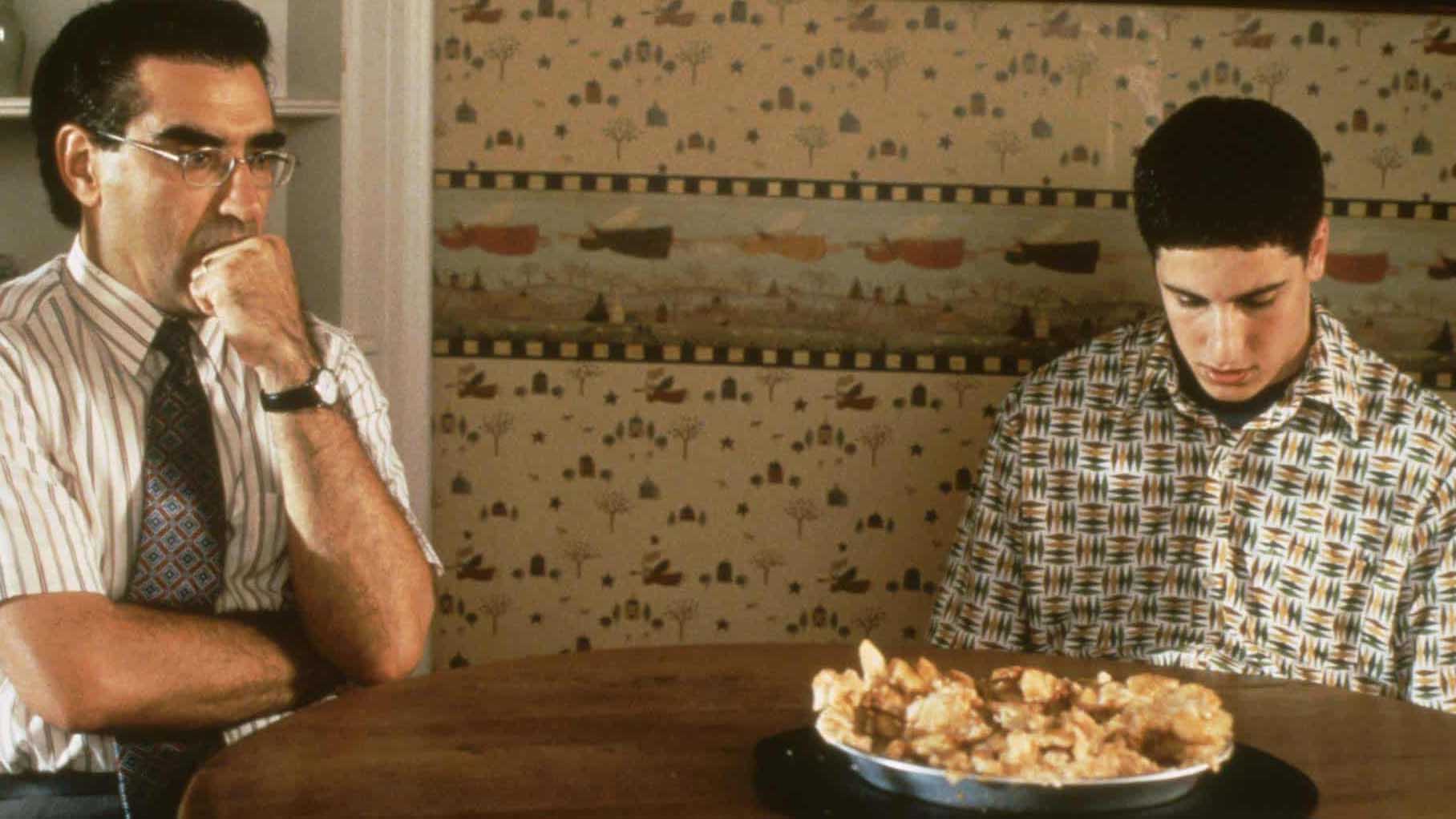
Jason Biggs plays Jim Levenstein, and the character's story is less about scoring and more about surviving humiliation and, at times, learning how to be honest with his friends. Friendship in the film acts as a social anchor: these boys hurt each other, tease each other, but they return to the same group when it matters.
A recurring set piece — the now-infamous pie scene — pins Jim in a mortifying moment that the movie then refuses to let slide, using it as a shorthand for how painfully earnest adolescent attempts at sex can go wrong.
That mixture of personal awkwardness and group dynamics gives Jim weight. He's memorable because he is unmistakably human: frightened, hopeful and constantly on the verge of saying the wrong thing.
THE PERFORMANCE
Why Jason Biggs's performance matters
Contemporary reviews singled out Jason Biggs for helping to hold the film's odd balance of raunch and sentiment together. That’s not the same as calling the role flawless — it’s an acknowledgement that Biggs makes the awkward beats feel rooted in a person rather than just a gag.
Because Jim’s sexual performance anxiety is a recurring device, the actor's portrayal needs to return the audience to that place of discomfort willingly. Reviews suggested he did just that: providing the emotional ballast when the screenplay tilted toward shock humour.
The movie also introduced Seann William Scott as a breakout supporting presence, but the critical consensus at the time tended to point back to Biggs as the character who keeps the comic chaos tethered.
Put simply: the film’s mixture of loud jokes and quieter moments depends on the central performance being believable enough for the sympathy to stick.
UNDER THE SURFACE
American Pie has more on its mind than the plot suggests
On the surface it’s a sex comedy. Scratch that surface and you find a coming-of-age film organised around the rites of high-school graduation — the idea that one weekend can feel like the hinge between childhood and whatever comes next.
Peer pressure and sexual initiation are the mechanics that force characters into choice and embarrassment. The pact is silly, but it’s also a neat way to dramatise how teenage masculinity often measures itself against conquest and competition.
Male adolescent anxiety is the emotional current beneath the jokes. The film keeps returning to nervousness — not the swagger of confident conquest, but the real, aching stuff that makes the boys do daft things to prove they belong.
And despite the raunch, American Pie tries to balance shock with a touch of sincerity: friendships that act as a safety net, and moments that suggest the boys are trying, in their own messy way, to become less lonely.
PURE 80S
American Pie could not belong to any other decade
Arriving in the summer of 1999, American Pie landed during a fresh wave of teen-targeted films. Its timing meant it could speak directly to a generation for whom prom dramas and late-teen rites of passage were a trusted cinematic shorthand.
That moment in the late 1990s allowed the film to be frank — and sometimes blunt — about sex while still dressing the story as a coming-of-age romantic comedy. It wasn’t pushing nostalgia so much as leaning on an audience primed for tales of teenage transition.
Critics compared it to earlier late-20th-century teen sex comedies, and that lineage helped audiences understand what this film was aiming for: the same mix of comic cruelty and bittersweet growing-up business, updated for 1999.
So while it’s a product of its time, its timing also gave it licence: to shock, to joke and to wrap a group of characters into a single, noisy rite of passage.
WATCHING IT NOW
What has aged — and what hasn't
Some of the things that keep American Pie watchable now are structural: it’s a teen film with a clear focus on friendship as a social anchor, so even when jokes land hard, the group dynamic provides emotional payback.
As a late-90s teen movie, it sits in the same family as earlier, messier teen sex comedies. Contemporary critics placed it alongside films like Fast Times at Ridgemont High, and that sense of heritage is part of why viewers still check it out: it is recognisably in that vein.
Genre-wise, it remains a straightforward teen comedy tied to familiar rites of passage; if you still respond to stories where graduation feels like a personal deadline, the film’s engine keeps turning.
On casting curiosities: there are cameos you might spot — for example, Casey Affleck appears in a small role credited as Kevin's brother — little details that now read as nostalgic footnotes for viewers rewatching it.
THE LEGACY
Why American Pie still matters
One practical reason the film remains in conversations is simple: it grew into a franchise. Three theatrical sequels and several direct-to-video spin-offs kept its characters and tone alive beyond one summer in 1999.
It also left a linguistic footprint: the film is widely credited with bringing the slang acronym 'MILF' into mainstream awareness through a line referencing Stifler's mother, and that particular piece of pop-culture shorthand has a long afterlife.
On the careers front, American Pie established Seann William Scott as a visible comedic presence and helped raise the profiles of several young cast members who returned for sequels, so its impact is at least partly visible in who it launched.
So its legacy is a mix of commercial continuation, a handful of enduring pop-culture moments and a cast that fed into later projects — not the vague word 'influential,' but a measurable chain of consequence.
THE VERDICT
Does American Pie still hold up?
Yes — with caveats. If you want a compact, 95-minute late-90s teen comedy about a pact to lose your virginity before graduation and the humiliations that follow, American Pie delivers precisely that. Prom night and the post-prom party act as effective, silly deadlines that focus the film’s energy.
What keeps it watchable today is the way different plot threads present varied approaches to sex and adulthood — Kevin’s relationship issues, Oz’s attempt at reinvention, Finch’s schemes and Jim’s recurring panic. That variety stops the jokes becoming monotony and lets the characters feel like a group you understand.
Contemporary reviewers noticed what the film gets right: Jason Biggs anchors the mix of raunch and sentiment, while the movie regularly returns to practical humiliation and surprise pairings (including the Finch–Stifler’s-mum thread and a webcam subplot) to stir the pot. Those elements can still provoke laughs or squirming in equal measure.
So, watch it if you're curious about a particular strain of teen comedy — one that swings for crude laughs but returns often enough to friendship and awkward honesty to make the stakes feel human. If you want sleek nostalgia or a subtler coming-of-age, look elsewhere. But if you enjoy the idea of Jim Levenstein surviving his own disasters, this film still has teeth.
Share this movie
// Keep watching
More movies from the 90s
If American Pie is your kind of movie, there's plenty more on the shelves worth rewinding.
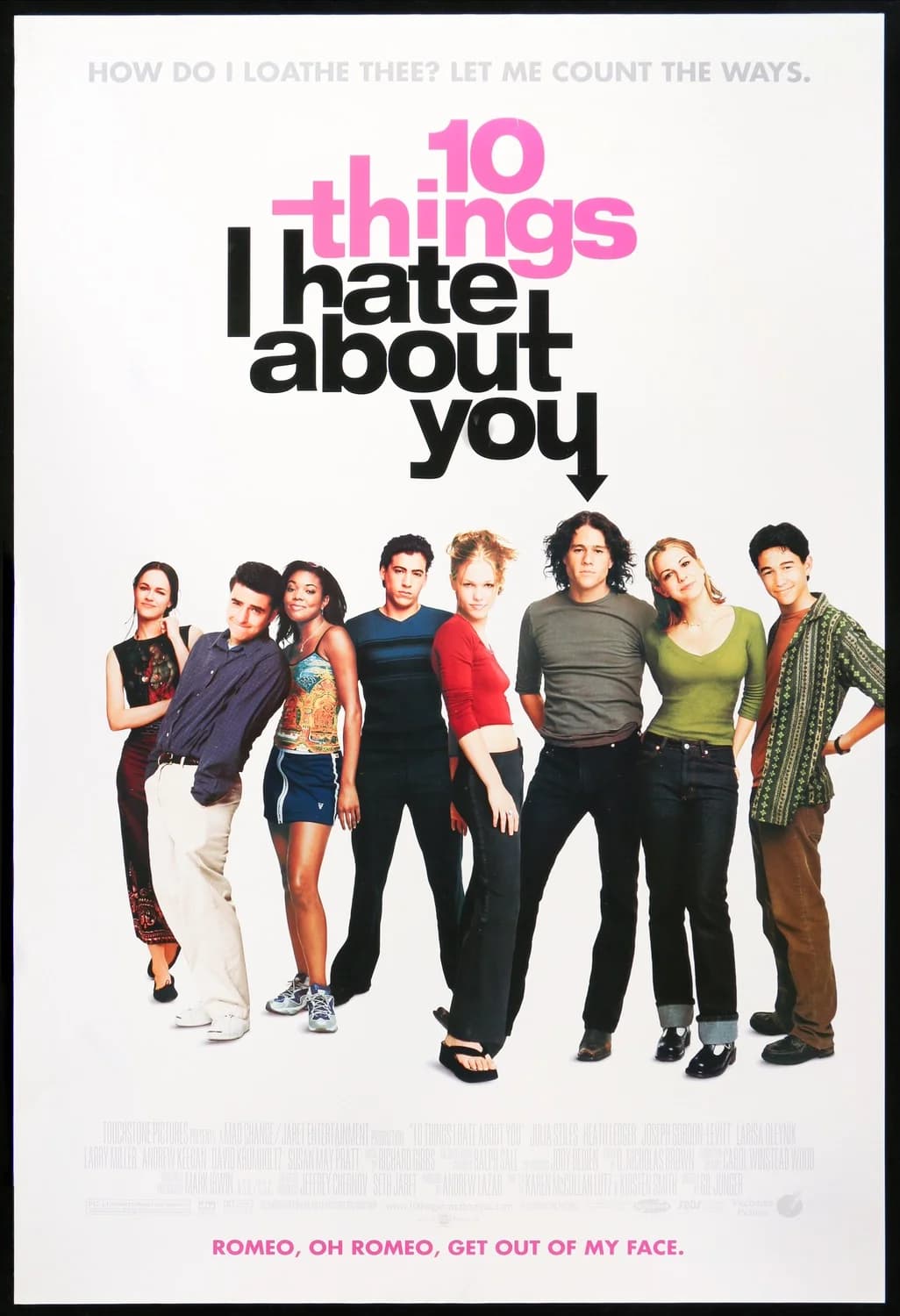
1999 // VHS
10 Things I Hate About You
Sibling rules, a rooftop serenade and one very stubborn Kat — Shakespeare in a school corridor.
1999 // VHS
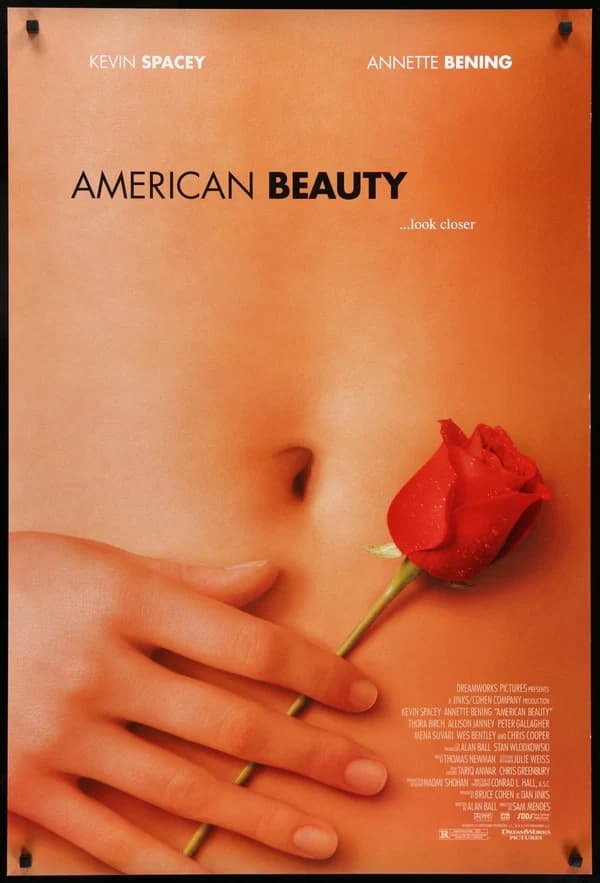
American Beauty
Lester Burnham, suburban rot and a midlife argument that still stings.
1999 // VHS
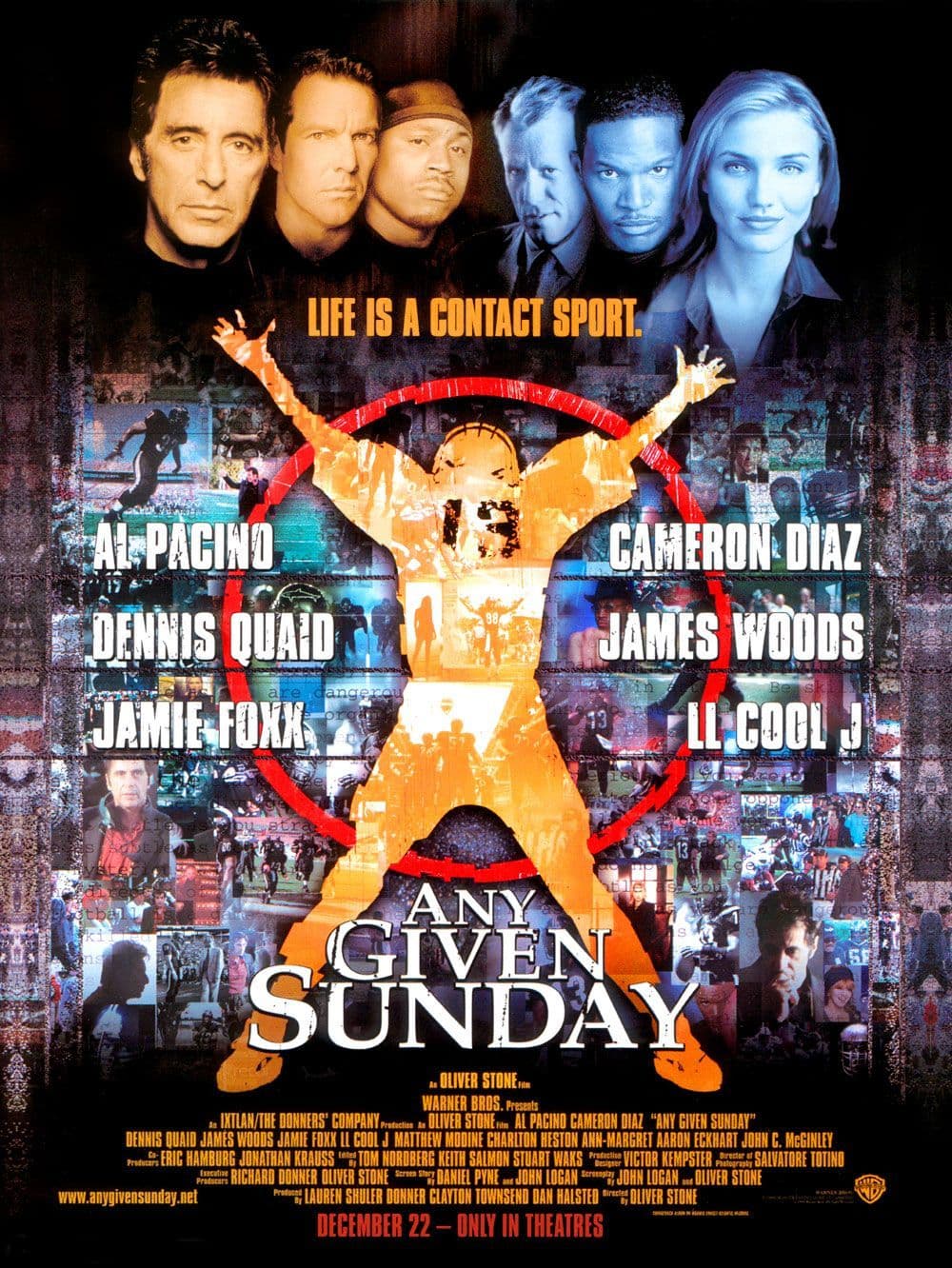
Any Given Sunday
Al Pacino's coach anchors the chaos of a film about football turned into product — loud, messy and oddly persuasive.