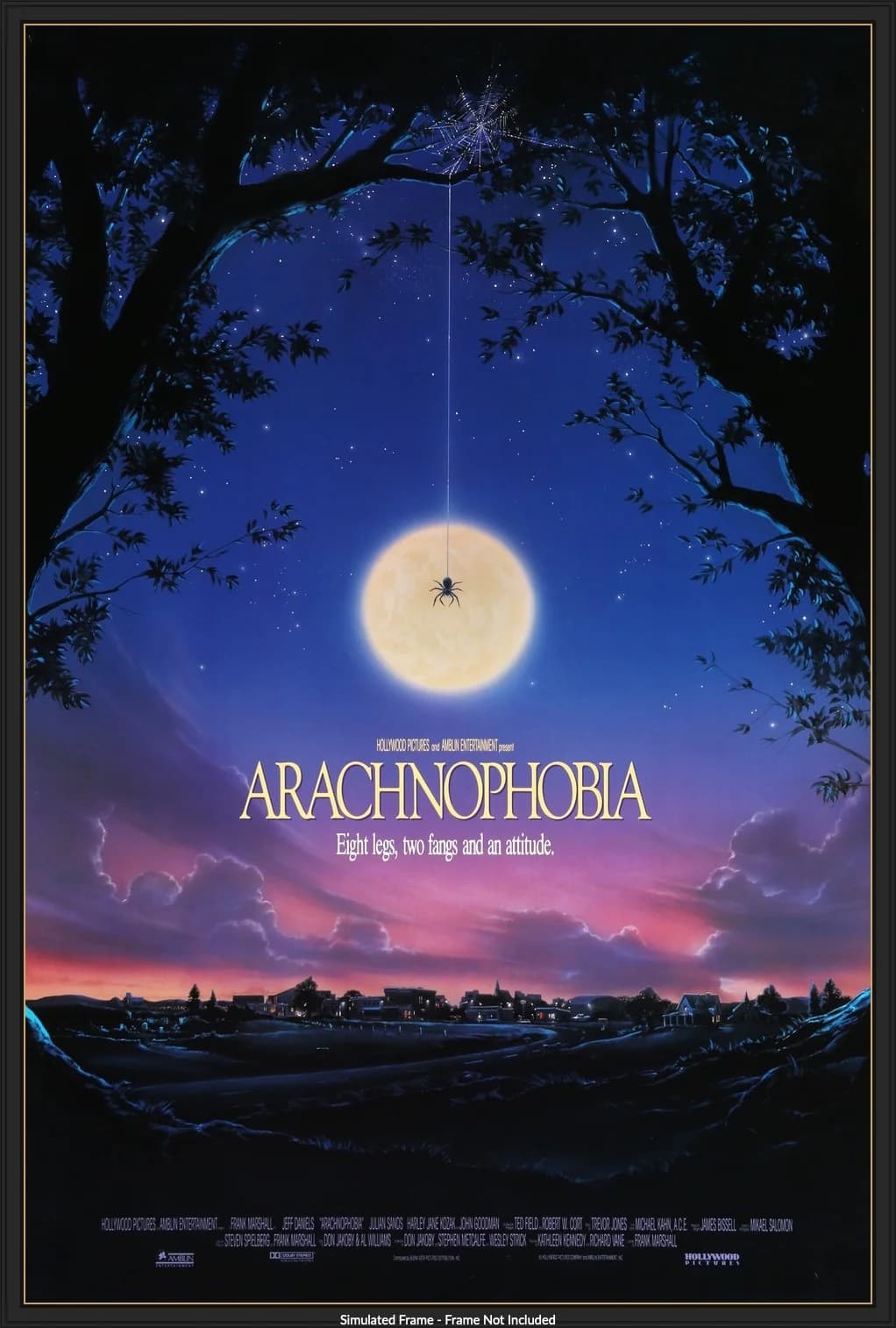
Arachnophobia
A small-town infestation, a doctor who can't stand spiders — and an oddly human lesson in courage.
// The setup
PLAYBACK STARTED
Remember the moment a coffin becomes a very bad houseguest? Arachnophobia takes that nasty little idea — an exotic spider slipping home in cargo — and turns it into a slow-burn panic for a California town. It’s all anchored on Dr Ross Jennings, a sensible new GP who happens to be terrified of spiders, and that contradiction keeps the film surprisingly alive.
THE MOVIE
Dr. Ross Jennings is still the reason this movie works
Arachnophobia opens with a properly mean little setup: a scientific expedition brings back specimens from Venezuela and — surprise — one spider hides in a crate and ends up in a quiet American town. It’s the sort of simple, efficient premise that lets the film spend its time on people rather than plot trickery.
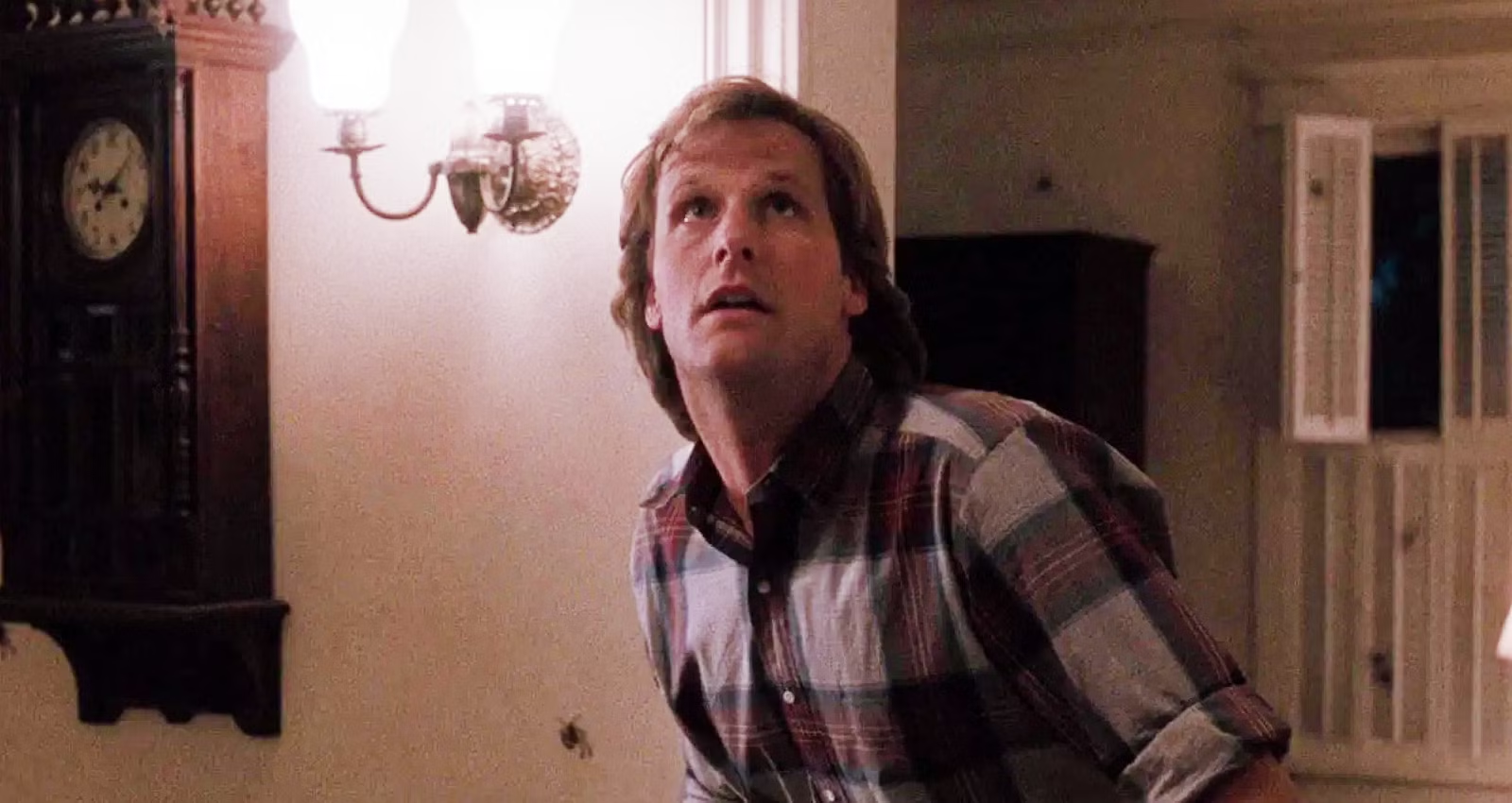
What keeps the picture honest is Ross Jennings. He’s a doctor, a sensible everyman newly settled in the community, and he’s petrified of spiders. That fear isn’t window-dressing; it’s the film’s engine — a personal weakness that shapes how Ross acts, how the town treats him, and how the tension moves from private dread to public crisis.
This was Frank Marshall’s first time in the director’s chair, and the movie leans into a family-friendly strain of horror-comedy that Amblin made its own. Practical spiders, a steady 105-minute running time and a careful blend of laughs and scares give Arachnophobia a clear personality — the kind that reviewers at the time noticed for its workmanship and its reliable lead.
THE SETUP
The idea that sets Arachnophobia in motion
The basic mechanism is straightforward and a little biological: an imported spider breeds with a local species and the offspring are unusually aggressive. That single ecological hiccup escalates into a series of incidents that make a small town very uncomfortable very fast.
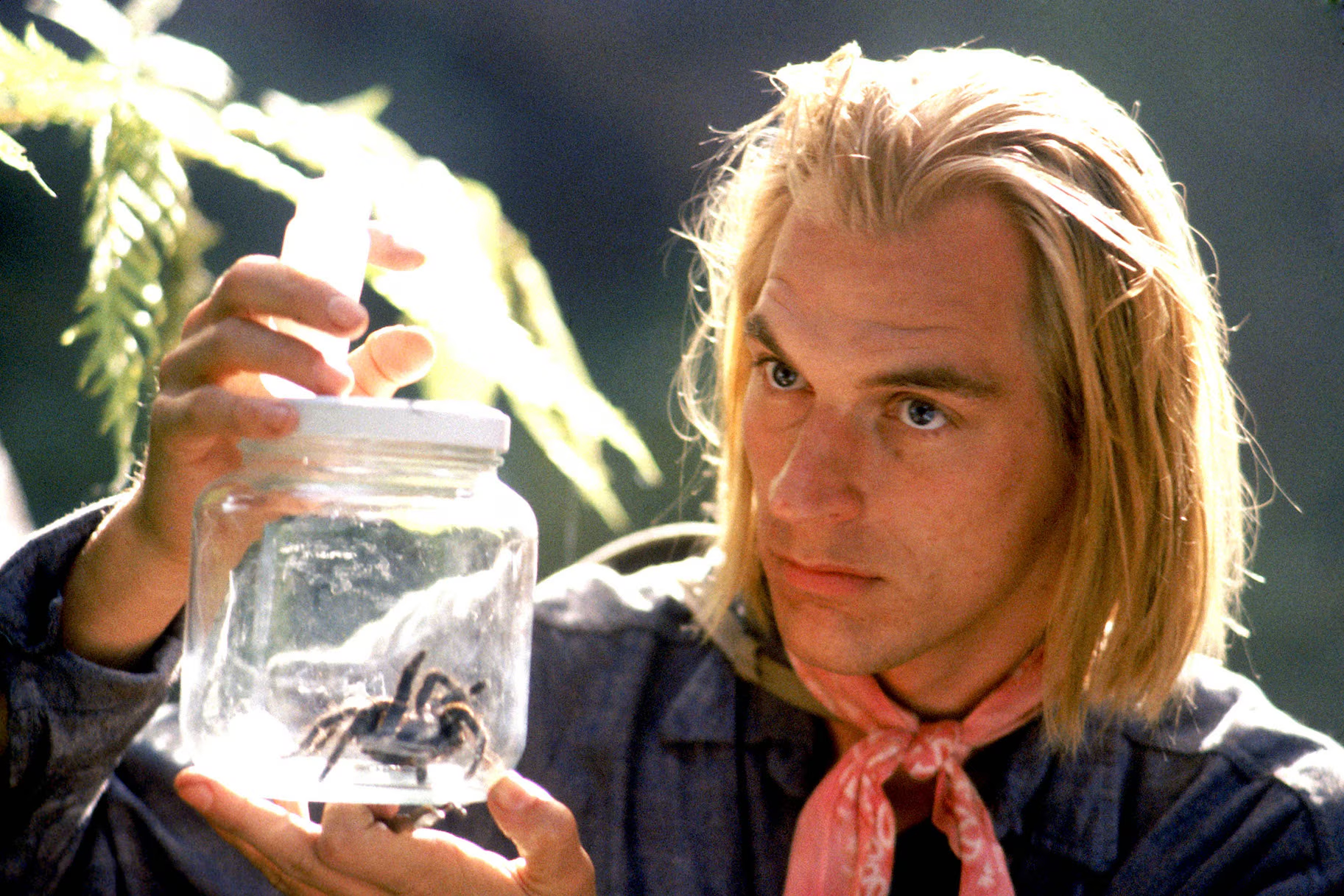
The screenplay keeps things tidy by alternating scientific exposition — the visiting entomologist and the captured specimens — with a mounting sequence of local scares. The result is a measured build rather than a string of shocking set pieces.
The story also invites a useful tonal partner: an exterminator figure who brings tactical know-how and comic ballast. The contrast between sober, practical responses and suburban panic is where much of the film’s humour and momentum come from.
Behind the scenes the production relied on real spider behaviour for authenticity; wranglers supplied large numbers of arachnids and used subtle tricks to coax movement when needed, which allowed the filmmakers to stage scenes that felt physically present rather than purely imagined.
THE CHARACTER
Why Dr. Ross Jennings matters
Ross Jennings isn’t an action hero. He’s a community doctor who’s meant to reassure people, not terrify them — until the thing he most fears turns his professional judgment into something people doubt. That mismatch makes him interesting: credibility and cowardice are not opposites here but tangled together.
The movie asks us to root for someone whose primary obstacle is a very ordinary, human phobia. That gives the scares weight. When Ross freezes or falters, the consequences are practical: people get hurt, townsfolk panic, and the film’s stakes feel immediate because they are attached to a recognisably decent bloke.
Casting Jeff Daniels as Ross gives the role a clear shape on the page: he’s introduced as sympathetic and believable in the small-town landscape. Contemporary reaction singled out the character’s everyman quality as a key reason the story holds together.
UNDER THE SURFACE
Arachnophobia has more on its mind than the plot suggests
On the surface it’s a creature feature — spiders, bites, infestation — but underneath there are tidy ideas at work. Fear and phobia operate not just as jump-scare fodder but as a personal obstacle that tests who people become when faced with something irrational and dangerous.
There’s also an ecological undercurrent: the threat arrives as an invasive specimen that upends local balance. The movie doesn’t sermonise about ecosystems, but it does use the invasion concept to push a normally peaceful town into emergency mode.
Equally interesting is the way the community responds. Panic, denial, practical problem-solving and comic disbelief all coexist. The film stages those reactions against a comic-horror mix, which keeps the tone from tipping entirely into grimness or pure farce.
Put together, those ideas make Arachnophobia less of a one-note shocker and more of a small-town fable about how ordinary people manage danger when the rules they expect no longer apply.
THE FILMMAKING
How Arachnophobia was put together
The credits name Mikael Salomon as cinematographer, Michael Kahn as editor and James Bissell as production designer, and the film benefits from those steady hands. The production built rainforest sets and constructed farmhouse exteriors for the Cambria shoot, which kept the action feeling contained and deliberately stage-like when it needed to be.
This was Frank Marshall’s first feature behind the camera, after a long producing career. The direction keeps the film focused on people and pacing rather than flashy formal games; that restraint is part of why the blend of comedy and horror works within a family-accessible frame.
Good production design and confident editing allow the scares to breathe. The film doesn’t rely on visual pyrotechnics; instead it stages encounters so the audience is aware of the physical presence of the threat, which is essential when your antagonist is eight-legged and small.
PRACTICAL EFFECTS
The effects work that gives Arachnophobia its physical personality
Arachnophobia leans heavily on real spiders for its physical presence, chiefly New Zealand delenas, and the production mixed those living creatures with mechanical and animatronic spiders for moments that required controlled action.
A memorable piece of practical ingenuity was a large tarantula nicknamed ‘Big Bob’ which was fitted with a strap-on abdomen to make it read larger on camera — a crude trick but an effective one when you need something convincingly menacing in close-up.
Because spiders can’t be trained, wranglers coaxed movement with thin vibrating wires and portable blow-dryers and handled many spiders at once to deliver the volume needed for swarming scenes. For risky stunts — a spider being crushed, for example — the team used actor-friendly props, such as a boot with a hollowed bottom, and mechanical spiders for leaping effects.
Those decisions matter: the mixture of real and artificial creatures gives the film a tactile quality that digital effects often struggle to reproduce, and it lets the audience accept the spiders as physically present in a way that underpins the movie’s scares.
PURE 80S
Arachnophobia could not belong to any other decade
Arachnophobia sits squarely in a late-80s/early-90s appetite for creature features that kept things accessible for families while still delivering genuine shocks. It’s the kind of picture Amblin and its peers specialised in: a movie that balances warmth and threat.
The production workflow — a blend of live animals and animatronics — is emblematic of the moment just before digital effects became the default. That hands-on approach gives the film a physical honesty that belongs to its era.
Tonally, it also fits the period’s habit of mixing comedy with monster peril in small-town settings. Films of this stripe wanted audiences to laugh and flinch in equal measure, and Arachnophobia wears that compact like a uniform.
WATCHING IT NOW
What has aged — and what hasn't
Modern reappraisals tend to praise the film’s practical-effects craftsmanship and its broadly family-friendly tone; those qualities make it easier to sit through today than many darker, more nihilistic horror films of the same vintage.
The central idea — a reasonable person forced to confront an irrational, visceral fear while the town around them either overreacts or disbelieves them — still plays. Phobia as a personal obstacle is a tidy, timeless engine for drama, and Arachnophobia keeps that engine well-oiled.
Where it might feel dated is in its confidence that a neat tonal mix of laughs and fright will please everyone. Modern viewers have more appetite for sharper, stranger horror, but for what it sets out to do, Arachnophobia's blend remains serviceable and, for many, still enjoyable.
THE LEGACY
Why Arachnophobia still matters
The film did solid business at the time, which matters for legacy: it found an audience and recouped its place in the marketplace, showing there was room for well-constructed, mid-range genre pictures.
More than the money, Arachnophobia matters because it helped establish Frank Marshall as a director after years as a producer, and it remains one of Amblin’s recognisable creature-features from that period. That situates it as part of a familiar late-20th-century studio strategy rather than an isolated oddity.
Interest in the property has continued: a remake was announced in the early 2020s with major horror producers attached, although later reporting noted changes in the creative team by 2025. That kind of recurring attention shows the premise still has commercial and storytelling pull.
THE VERDICT
Does Arachnophobia still hold up?
Short answer: yes — with a caveat. If you come for craftsmanship, tidy plotting and a clearly defined central problem (an exotic spider stows away and, after mating with local species, produces aggressive offspring), the film delivers. It’s 105 minutes of focused genre filmmaking that keeps the story centred on a doctor who is, crucially, terrified of what he must face.
Ross Jennings is the movie’s heart: a sensible small-town physician whose arachnophobia affects his choices and how others trust him. Molly Jennings functions as the supportive partner who documents the evidence and helps push Ross toward action, so the drama never relies on one isolated hero moment but on a pair of people negotiating fear together.
Technically, the mixture of living spiders and mechanical creatures — plus the wranglers’ tricks to coax movement — gives the film an immediacy that modern CGI sometimes misses. That practical texture, combined with an approach that balances comic relief and escalating incidents, keeps the movie watchable for contemporary viewers.
If you expect cutting-edge horror or relentless bleakness, this isn’t your film. But if you want a clever little creature picture that makes fear personal and tangible, Arachnophobia still earns its place on the shelf. It’s a reminder that sometimes the scariest thing in a town isn’t the monster; it’s how ordinary people react when the rules change.
Share this movie
// Keep watching
More movies from the 90s
If Arachnophobia is your kind of movie, there's plenty more on the shelves worth rewinding.
1990 // VHS
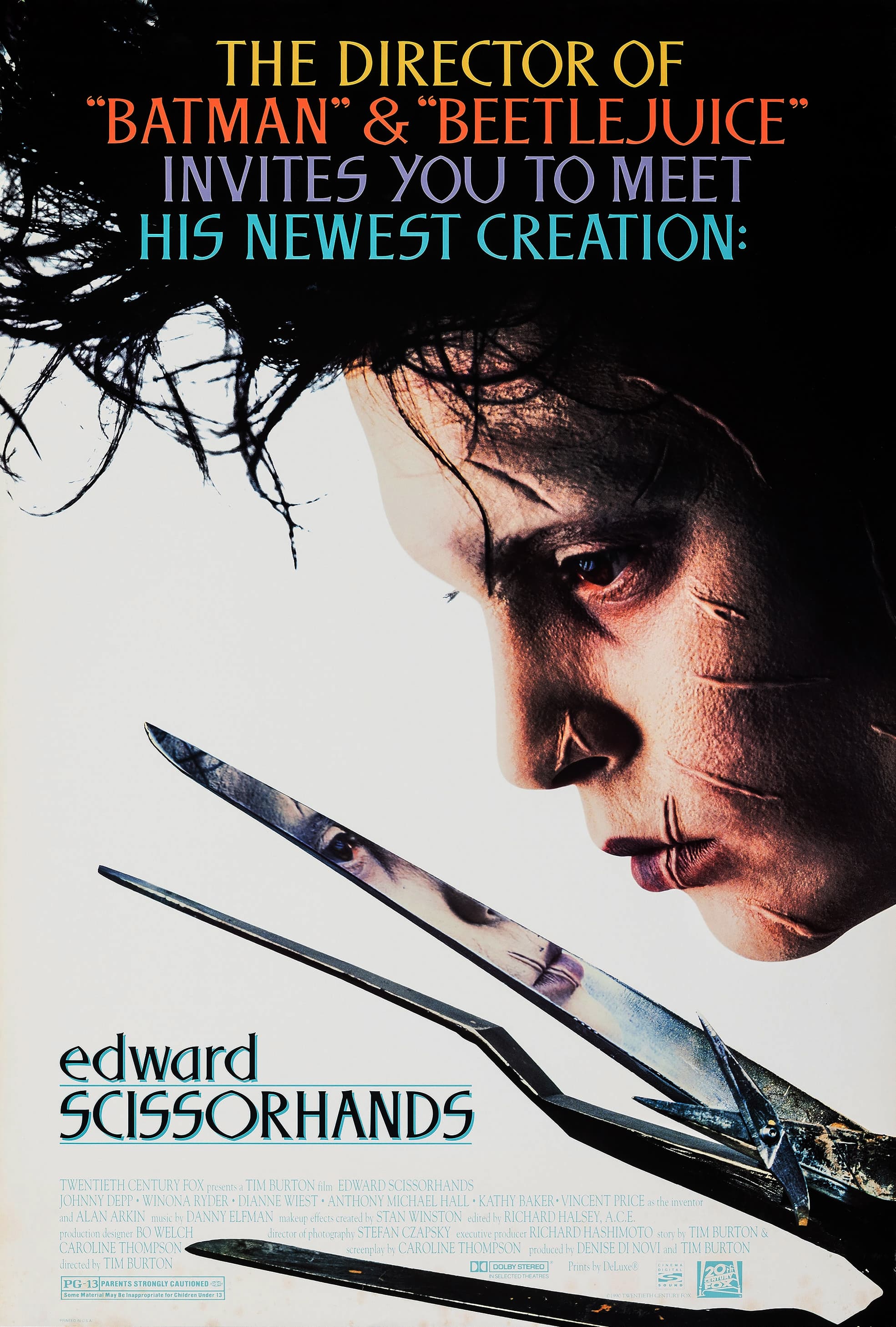
Edward Scissorhands
A fairy tale about a man who can’t quite touch the world — and the neighbourhood that can’t quite handle him.
1990 // VHS
Ghost
A murder mystery disguised as a love story — with a man who won’t stop watching over the person he loves.
1990 // VHS
Total Recall
Memory, muscle and a very faulty holiday package — with Mars on the itinerary.