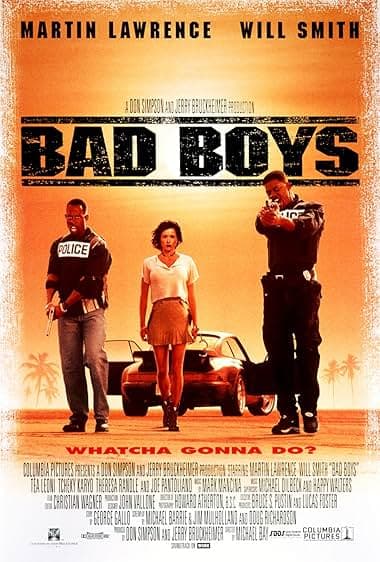
Bad Boys
Two cops, one friendship and a lot of noise — but Marcus keeps it real.
// The setup
PLAYBACK STARTED
Bad Boys still gets talked about because it hooks its audience on a pair of opposites who actually fit together. Michael Bay's debut is loud, fast and shamelessly entertaining, but it's Martin Lawrence's Marcus — the family man who won't let the job swallow him — who gives the whole thing a heartbeat.
THE MOVIE
Detective Sergeant Marcus Miles Burnett is still the reason this movie works
Say the title and most people picture car chases, booming music and two improbably cool detectives. That’s part of the film’s appeal — it’s an action-comedy built to move fast — but calling Bad Boys merely a spectacle misses what actually keeps you watching.
The plot is straightforward: two Miami narcotics detectives are chasing down $100 million worth of missing heroin while protecting the one surviving witness to a murder. That ticking-clock and the stakes give Michael Bay’s 1995 debut direction and momentum, but the film lands because of the push-and-pull between its leads.
Will Smith’s Mike Lowrey is the glossy, confident foil — rich, womanising and comfortable in the role of the untouchable detective. Opposite him, Martin Lawrence’s Marcus Burnett is the family man whose domestic responsibilities and temperament keep the partnership grounded. Buddy-ship and masculine friendship are the emotional engine, and Marcus is the valve that stops the whole thing from overheating.
THE SETUP
The idea that sets Bad Boys in motion
At its simplest, Bad Boys starts with a mess: police evidence — an enormous shipment of heroin — has gone missing and someone close to the investigation has been murdered. That combination turns a procedural into a rush; Internal Affairs treat the theft as an inside job and the narcotics unit is suddenly on a deadline to fix it.
Julie Mott, the surviving informant, becomes the human centre of the hunt. Her safety and potential testimony drive the protection subplot, and the partners’ attempts to keep her alive are what force them into improvised solutions and blunt confrontation.
On the other side of the case is Antoine Fouchet, a French drug kingpin whose people are behind the initial violence. His presence repeatedly escalates the danger and gives the detectives a clear, dangerous antagonist to chase.
The screenplay moves between investigative pressure and set-piece action. It leans on improvisation — for example, Julie only wants to talk to Mike — disguises and role-playing, and a handful of set pieces that culminate in car chases and rescues to keep the momentum taut.
THE CHARACTER
Why Detective Sergeant Marcus Miles Burnett matters
Marcus Burnett is not just the comic relief or the foil — he’s the counterweight. Presented as a devoted family man, his obligations at home and a temperament that favours caution create recurring friction with Mike’s flashier approach.
That friction is useful. It supplies the film’s jokes, sure, but it also gives stakes: Marcus’s choices feel personal because he has something to lose beyond professional reputation. When the action threatens his family life, the audience understands why he reacts the way he does.
The partnership is the movie’s engine. Marcus and Mike operate through mutual loyalty and complementary skills: one brings bravado and swagger, the other brings groundedness and a conscience. Their relationship both creates comic beats and explains why they make the dangerous moves they do.
And because the film returns to them in later sequels, Marcus’s role here matters as the originating texture of the partnership — the bit of the duo that keeps the series from being all posturing and explosions.
THE PERFORMANCE
Why Martin Lawrence's performance matters
Contemporary coverage singled out the pairing of Will Smith and Martin Lawrence as the movie’s chief asset, and that’s the safe, useful shorthand when talking performance.
What that note about chemistry means in practice is simple: the film depends on the feel of the relationship. If the leads didn’t click, the jokes and the jeopardy would both fall flat.
So when reviews highlighted their on-screen chemistry, they were pointing to the thing that lets the rest of the movie work — the trust, the timing and the way the partnership carries plot and laugh beats together.
UNDER THE SURFACE
Bad Boys has more on its mind than the plot suggests
On the surface Bad Boys is about stolen drugs and witness protection, but the movie carries a few recurring ideas through its action: friendship and a particular strain of masculinity are front and centre. The way the partners play off each other says a lot about what the film thinks a ‘man’s job’ should look like — dangerous, noisy, but ultimately loyal.
There’s also a thread about police accountability. The missing heroin and the Internal Affairs pressure make the job look messy and institutionally compromised; corruption and the question of inside jobs are never far from the tension.
Identity and role-swapping crop up in the plot mechanics — one partner posing as the other, improvising identities to get close to people — which gives the buddy dynamics a small twist: they’re not only partners in action but interchangeable players in the theatre of the investigation.
Finally, it’s a movie rooted in urban crime and the drug trade, and that context supplies urgency. The genre demands big moral and physical stakes, and Bad Boys uses that setting to justify its tight deadlines and explosive set pieces.
THE FILMMAKING
How Bad Boys was put together
Bad Boys arrived as Michael Bay’s first feature, and you can feel a director trying to make a big, polished statement. Compared with earlier buddy-cop films, the movie is more produced — it wants to look slick and move the audience quickly from one big moment to the next.
On the crew side, Howard Atherton is credited as director of photography and Christian Wagner as editor, with John Vallone listed as production designer — names that point to an attempt at a tidy, studio-level action picture rather than a rougher procedural.
The film mixes staged action with contemporary soundtrack choices. Set-piece direction — car chases, shootouts, rescues — is married to a hip-hop and R&B-inflected sound that sits firmly in mid-1990s action-commercial territory, giving the whole thing a specific, energetic tone.
All told, the filmmaking choices gear the picture toward mainstream audiences: big beats, loud music and a visual confidence that signals this is meant to be a crowd-pleaser.
PRACTICAL EFFECTS
The effects work that gives Bad Boys its physical personality
The movie’s physical energy comes from conventional stunt work rather than trickery. Car chases, stunt driving and staged explosions are the staples of the exterior action sequences and give the film a tactile, mechanical momentum.
That reliance on real stunts anchors the spectacle: the risk feels physical because it is, which helps the audience accept the more outlandish moments as part of the same world.
It’s the kind of practical approach common to 1990s action films — visible, engineered and built around stunt performers and drivers doing the heavy lifting.
PURE 80S
Bad Boys could not belong to any other decade
Arriving in 1995, Bad Boys sits inside a 1990s wave of glossy, music-driven action pictures and the buddy-cop revival that followed hits like Lethal Weapon. It borrows the partnership template but dresses it in the decade’s commercial sheen.
The film also marked an early studio attempt to pair rising Black comedic stars with mainstream action filmmaking. Casting Will Smith and Martin Lawrence together reflected how mid-90s marketing was shifting toward broader, more diverse star pairings for big studio pictures.
Finally, the soundtrack and score choices — with Mark Mancina composing and a release that leaned on contemporary hip-hop and R&B — place the movie firmly in its moment. That musical language was part of how action films of the era announced themselves to audiences.
WATCHING IT NOW
What has aged — and what hasn't
The partnership at the core of Bad Boys is the clearest thing that survives repeated viewings. The buddy-friendship and masculine banter that drive the film are basic but sturdy elements: they still land because the movie never forgets who the leads are to each other.
Where the film shows its age is less about the central relationship than in the conventions around it — the ways a 1990s action film treats institutional friction and the male ego feel of-their-time rather than timeless. That said, the 1995 original established the template that the franchise would return to.
The fact that the story continued in sequels — notably the 2003 and 2020 follow-ups — means the characters were built with elasticity. You can see Bad Boys as a launchpad: its personality has proved adaptable enough for later revisits, even if tastes around policing and heroism have shifted since 1995.
THE LEGACY
Why Bad Boys still matters
At the simplest level, Bad Boys matters because it started a franchise. The 1995 film is the originating instalment that led to sequels in 2003 and 2020 and further entries later on; that continuity keeps people coming back to the source.
On a casting level, the picture helped establish Will Smith and Martin Lawrence as a bankable on-screen partnership. For both performers it represented a move from television and stand-up into large-scale studio features, and that shift is part of the film’s afterlife.
Beyond those practical outcomes, the movie matters because its central pairing proved resilient. The blend of comedy and action it offered was commercially useful, and the friendship at the core gave the sequels something to return to.
THE VERDICT
Does Bad Boys still hold up?
Yes — with a cautious caveat. If you’re tuning in for kinetic, mid-90s action wrapped around loud music and handsome stunt work, Bad Boys delivers. The premise — recovering $100 million in missing heroin while protecting a key witness — gives the film a clear ticking clock and motivates the set pieces that follow.
Where it still earns its keep is the relationship between Mike and Marcus. The screenplay uses witness-protection improvisation, a bit of identity-switching and several action set pieces to move the plot, but it’s the partners’ loyalty and complementary skills that make those mechanics feel invested rather than mechanical.
Modern viewers who find the filmmaking glossy or the plotting formulaic will still likely come away enjoying the leads. Contemporary reviewers praised the chemistry between Will Smith and Martin Lawrence, and that chemistry remains the movie’s principal asset — the element that turns bravado into something watchable.
So watch it for the duo. Watch it if you want a 1995 action-comedy that remembers to let its characters carry the noise. If you need a deeper interrogation of policing or a reinvention of the buddy film, look elsewhere. But if you want to see Marcus Burnett hold the line while the world explodes around him, Bad Boys still does that job.
Share this movie
// Keep watching
More movies from the 90s
If Bad Boys is your kind of movie, there's plenty more on the shelves worth rewinding.
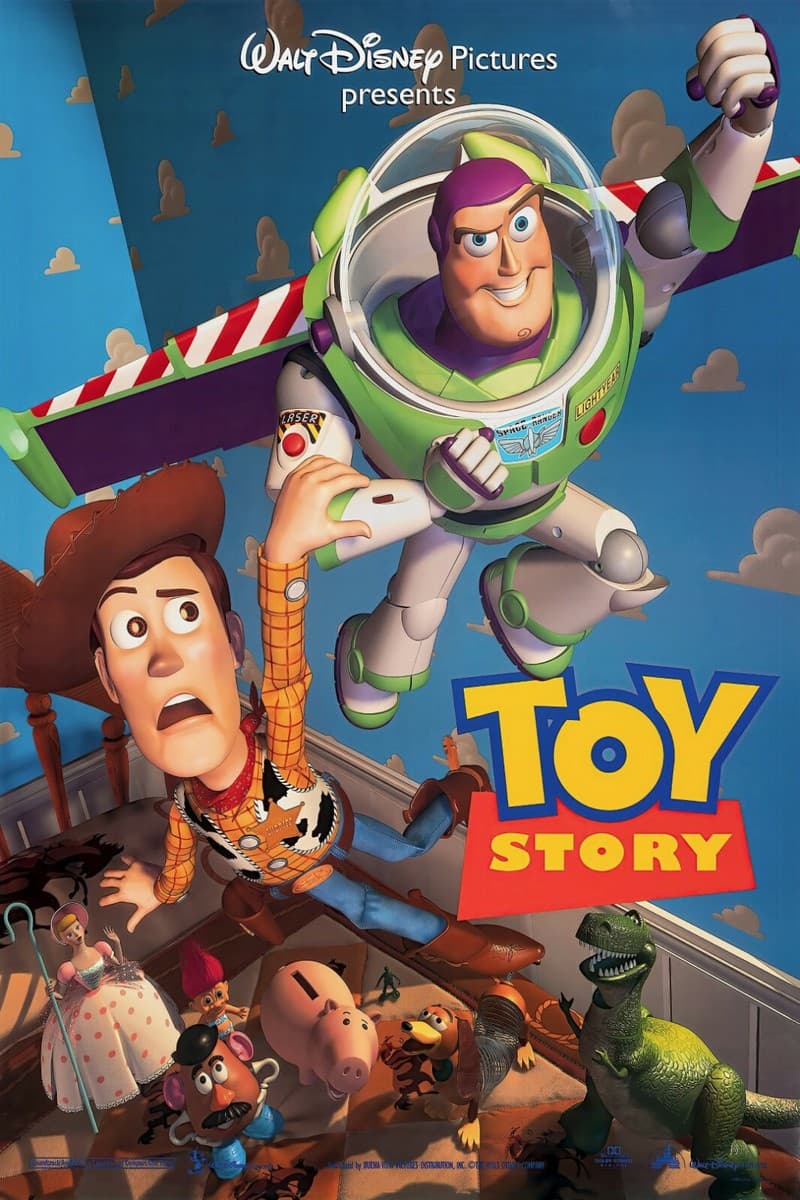
1995 // VHS
Toy Story
A pull‑string cowboy, a deluded space ranger and a small, very particular war over being loved.
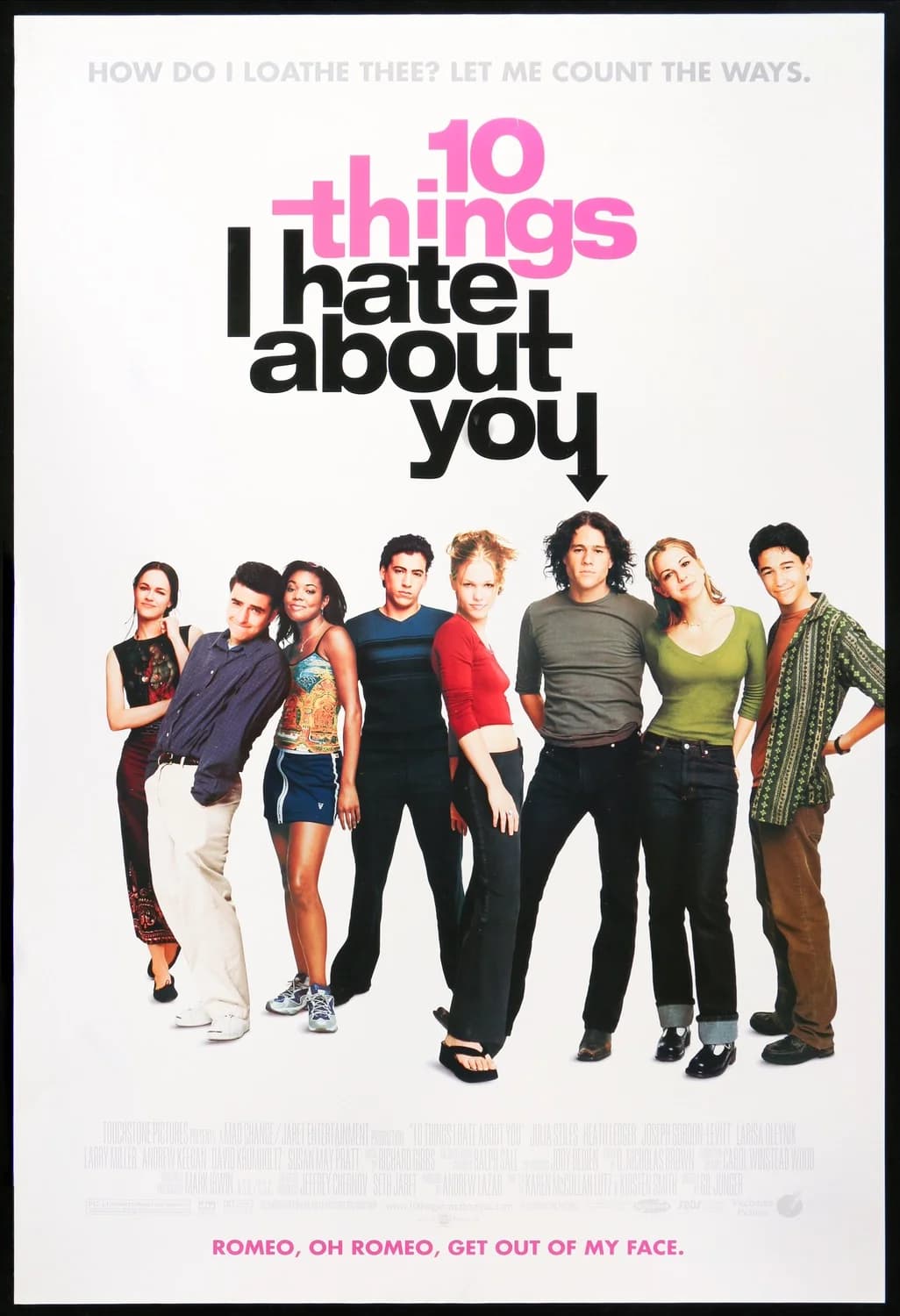
1999 // VHS
10 Things I Hate About You
Sibling rules, a rooftop serenade and one very stubborn Kat — Shakespeare in a school corridor.
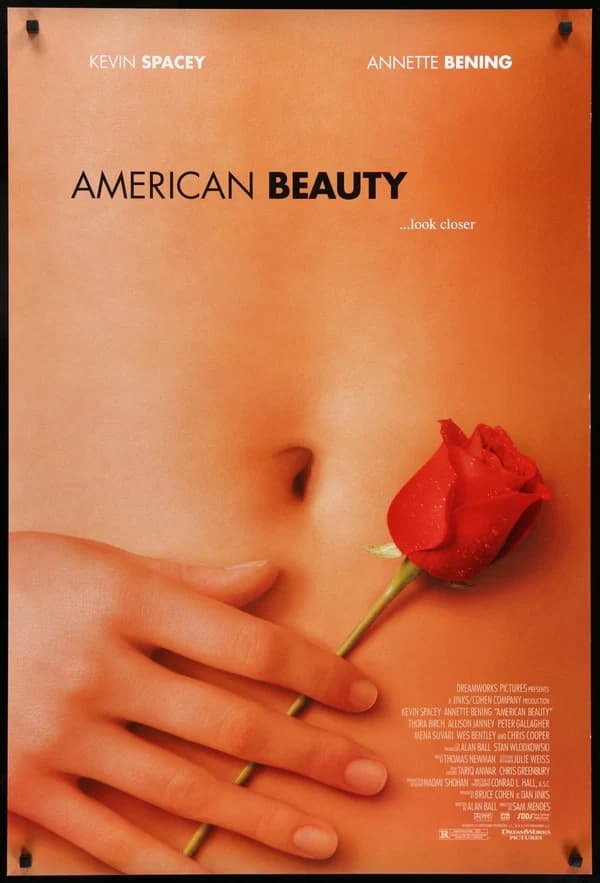
1999 // VHS
American Beauty
Lester Burnham, suburban rot and a midlife argument that still stings.