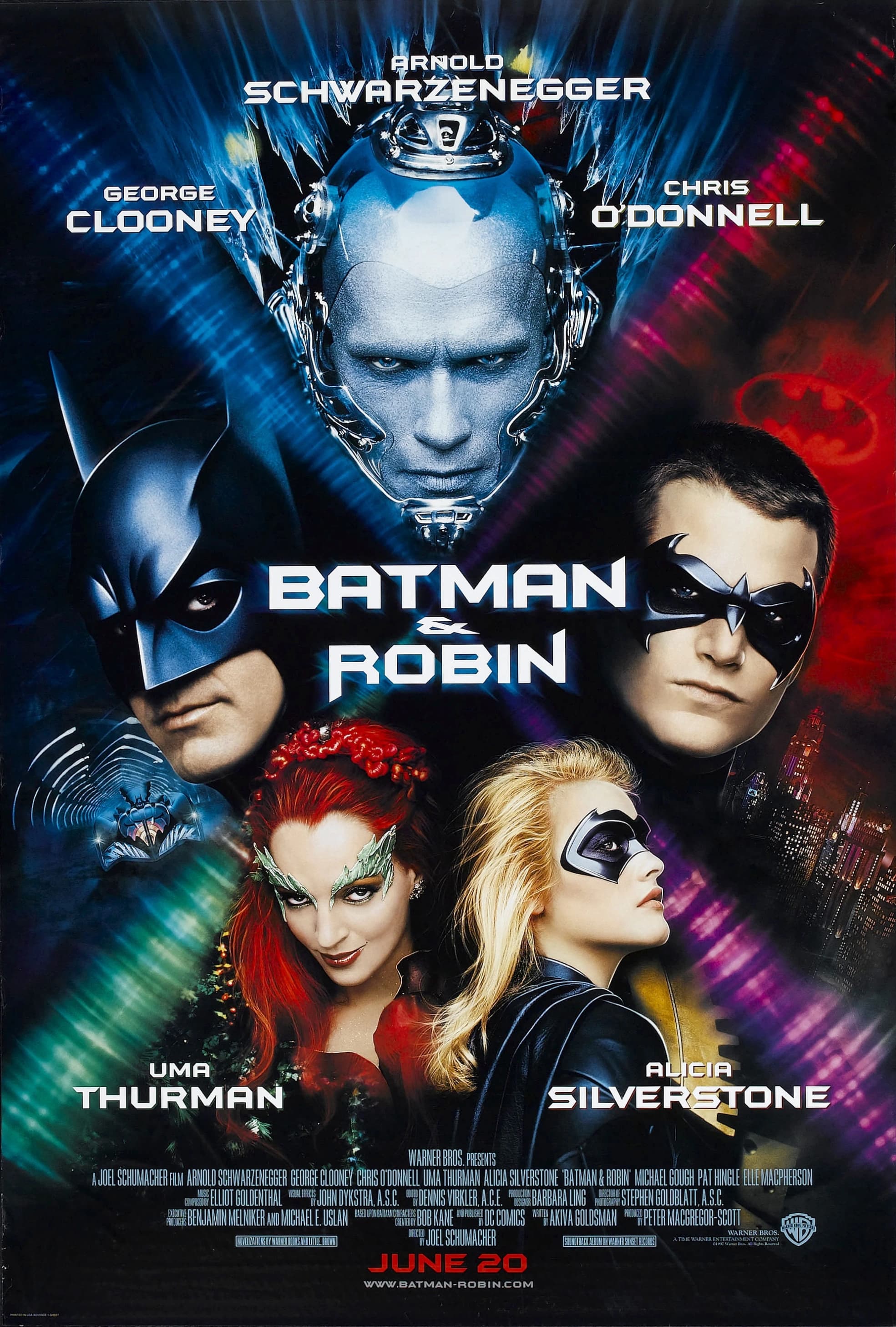
Batman & Robin
A neon toy box with a conscience — and a surprisingly human Batman at its centre.
// The setup
PLAYBACK STARTED
Batman & Robin is the loudest member of Joel Schumacher’s crew: a big, shiny comic-book blockbuster that pairs theatrical villains with a very human domestic problem at its centre. Beneath the merchandising and set pieces there’s a clear throughline about partnership — and a Batman who is still the movie’s steadying force.
THE MOVIE
Bruce Wayne / Batman is still the reason this movie works
If you remember one thing about Batman & Robin, it’s usually the colour and the noise. But the engine that actually drives the film is more domestic: Batman and Robin trying to keep a city safe while the cracks in their partnership show up at home. That central friction — crimefighting and teamwork under strain — is what gives the spectacle something to hang on to.
The film takes that personal knot and sets it against two very different antagonists: a man trapped by his own technology and grief, and a woman who has become something dangerously close to nature’s revenge. Their opposing obsessions give the action a strange moral tug-of-war, even when the production wants to be glittery and theatrical.
Joel Schumacher directs with a pop‑theatre temperament — the running time lets him alternate between set-piece extravagance and quieter Bruce Wayne beats about managing a public life, a younger partner and an ailing Alfred. That mix is why, frankly, it’s worth revisiting: there’s more than merchandise under the gloss.
THE SETUP
The idea that sets Batman & Robin in motion
The movie opens by piling threats on Gotham: environmental extremism in one corner, a technologically dependent villain in the other. Pamela Isley becomes Poison Ivy after a toxic transformation and turns seduction and plant technology into weapons — she recruits allies and pushes an eco‑centric agenda with theatrical gusto.
Opposite her is a scientist whose life has been consumed by a single mission: the desperate attempt to preserve the person he loves. That technological obsession shapes his crimes and the specialised equipment he uses, giving his scenes a clinical, trapped quality.
Into that chaos come new team dynamics. Alfred’s niece arrives at Wayne Manor and, before long, takes on the Batgirl identity. Her presence isn’t decorative: she changes how the pair operate and becomes an active part of confronting the villains.
So the set-up is straightforward without being shallow. Villains with clear obsessions; Batman and Robin stretched by partnership tensions; and a new ally who forces everyone to readjust. It’s the kind of premise that gives Schumacher room for both spectacle and interpersonal strangeness.
THE CHARACTER
Why Bruce Wayne / Batman matters
George Clooney is the face the movie centres on — Bruce Wayne and his other self are the threads that stitch Gotham’s chaos into a narrative you can follow. He’s the one juggling a public life, a complicated partnership with a younger crimefighter, and the private worries that come with Alfred’s failing health and a new romantic relationship.
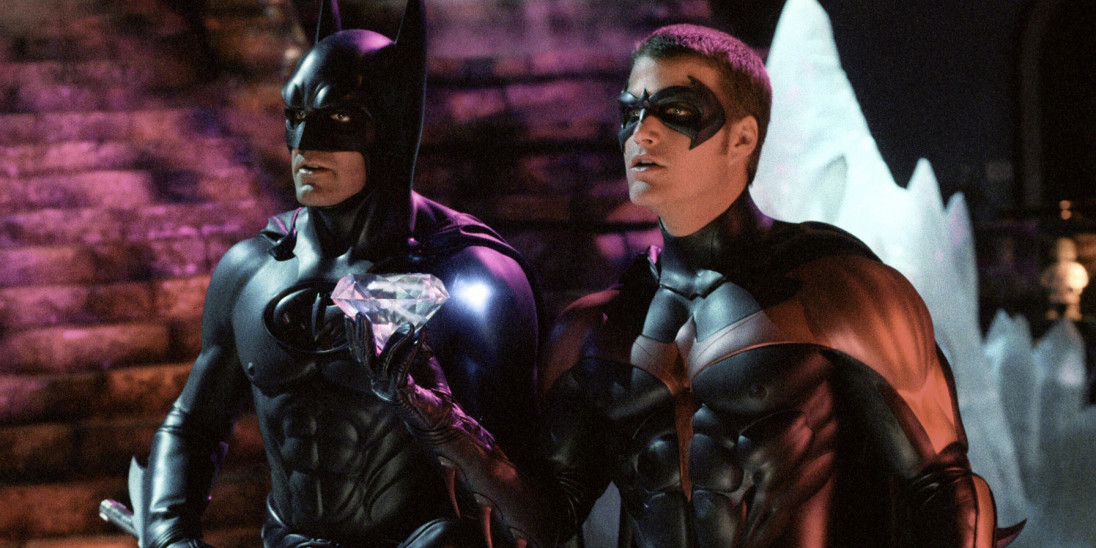
That juggling act is useful because it keeps the film anchored. When the plot flips between freeze‑based crimes and botanical attacks, the camera and the script can return to Bruce as a measuring point: what does he protect, who does he feel responsible for, and where does his authority end?
Introducing Batgirl via Alfred’s niece shakes that balance. Her arrival forces Bruce to reconsider how the team functions — she’s not just backup, she actively alters the way missions and loyalties play out.
So even amid the spectacle, Bruce Wayne matters because he’s the steady domestic problem-holder. He’s the character that lets the film be silly and big while still occasionally remembering relationships.
UNDER THE SURFACE
Batman & Robin has more on its mind than the plot suggests
On the surface the film is set-piece driven, but beneath that you can read a straightforward conversation about partnership and mentorship. The younger partner pushing for independence, the older hero uncomfortable with letting go — that dynamic supplies real emotional ticks to what might otherwise be an endless parade of gags and gadgets.
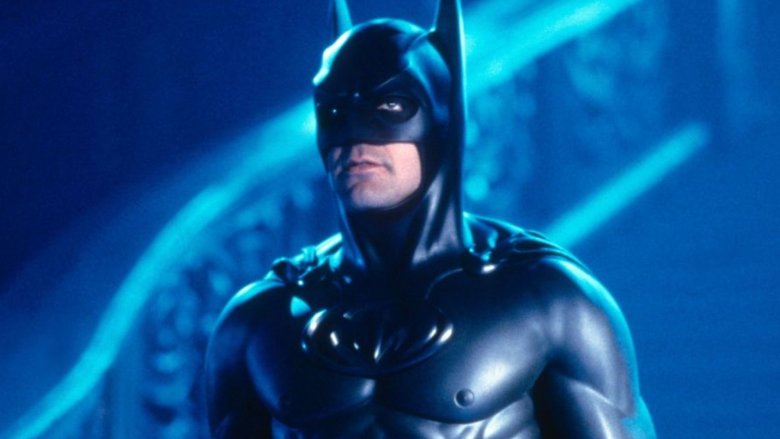
There’s a very deliberate toyetic streak: the film was assembled with merchandise and cross-promotions in mind. That’s not a sneer; it’s a design choice that shapes everything from costume decisions to how set pieces are staged. The result is a movie that looks and feels like it could be boxed, shelf-ready and shouted about in adverts.
Camp and stylised spectacle are almost a philosophy here. The film leans into theatricality rather than grim realism, which gives it a particular temperament — bright, showy, often intentionally overcooked.
And finally, the villains set up a debate between environmental extremism and technological obsession. One uses plants and seduction as weapons; the other is defined by clinical attempts to freeze and preserve. That opposition gives the action an odd ideological tug, even if the film prefers broad strokes over deep interrogation.
THE FILMMAKING
How Batman & Robin was put together
Schumacher kept a lot of the same crew he worked with on the previous film, which helps the two pictures talk to each other. Having a familiar cinematographer and production designer gives the sequel an instantly recognisable texture and lets Schumacher lean into the aesthetic he wanted.
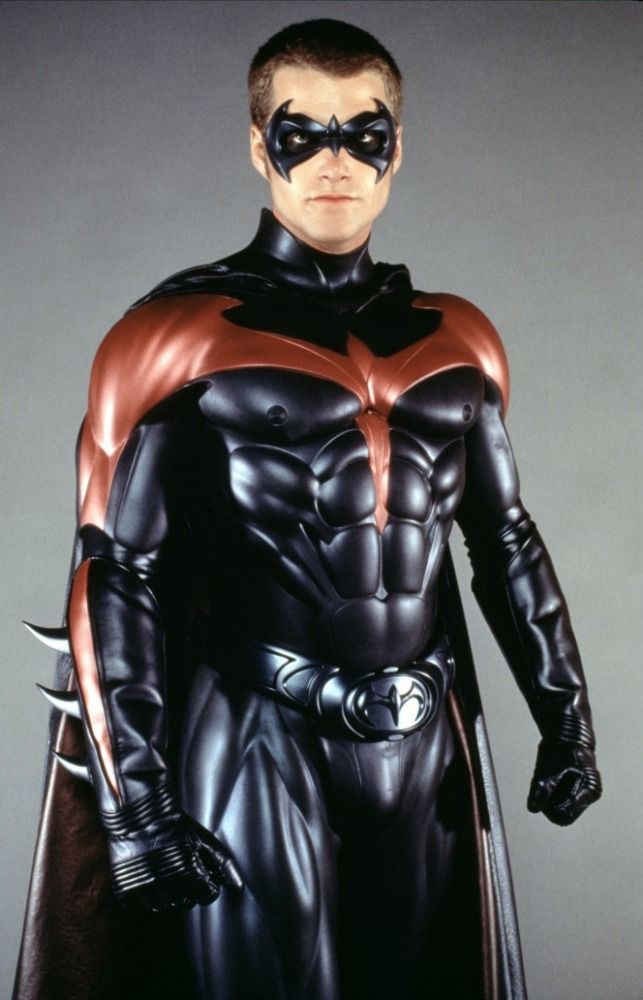
That aesthetic favours gloss over grit. Production design openly prefers flashy, stylised environments — Machine Age motifs, bright surfaces and a pop‑art sheen rather than the expressionist shadows of earlier Batman movies. It’s a conscious choice that shapes how the whole film feels.
Those choices are backed by a sizeable visual-effects apparatus. Several established vendors were brought in to extend sets and create larger‑than‑life moments, which tells you the film was conceived as a mix of practical spectacle and digital augmentation from the start.
Put together, these filmmaking decisions mean Schumacher isn’t trying for noir. He’s building a comic-book world that behaves like a theme-park attraction: deliberately designed, colour-saturated and performance-ready.
PRACTICAL EFFECTS
The effects work that gives Batman & Robin its physical personality
The film didn’t rely on a single approach: it blends practical stunt work and costuming with computer visual effects. That mixture gives many sequences a hybrid feel — you can see the physicality in some moments and the digital reach in others.
Large-scale set extensions and space shots were handled by several established visual-effects houses, which were responsible for bridging what existed on the shoot with the enormous environments the story demanded.
Meanwhile, the film makes use of armour, creatures and other costume work to keep certain confrontations tangible. That tactile element stops the movie from being all digital sheen and gives fight sequences something to hit against.
In short, the practical and digital were designed to be partners rather than rivals — an approach that suits a film intent on looking huge while keeping some stunts texturally grounded.
PURE 80S
Batman & Robin could not belong to any other decade
The movie arrived fast on the heels of its predecessor: Warner Bros. greenlit a big follow-up in the mid‑90s climate, when studios were thinking in tentpoles and merchandise lines as much as ticket sales. That sense of urgency helps explain the film’s toy-friendly outlook.
Marketing wasn’t an afterthought. High-profile casting and tie-ins — from theme-park attractions to fast-food promotions — are part of the picture. The film was built to be a brand event as much as a standalone story.
Stylistically, it represents a conscious shift away from the darker, gothic approach of earlier Batman entries. The look and the merchandising sensibility are very much of their time: playful, pop‑art and designed to be packaged.
All of this makes Batman & Robin a snapshot of late‑90s studio ambitions: big budgets, loud aesthetics and permanent eyes on the shelf space.
THE LEGACY
Why Batman & Robin still matters
For better or worse, this film marks the end of an era: it is the last of Warner Bros.’ initial Batman theatrical cycle and its release preceded a long pause in live-action Batman films before the franchise was rebooted in the mid‑2000s.
That matters because the picture feels like a period piece in franchise terms — a clear punctuation mark between two different studio strategies for the character.
There are also odd non-filmic traces of its afterlife. A lead single from the soundtrack picked up an industry award, which is the kind of unexpected footnote that keeps the movie cropping up in conversations about 90s pop culture.
So its legacy isn’t a single thing; it’s both industrial — the end of a cycle — and granular, scattered through music and merchandising moments that outlived the theatrical run.
THE VERDICT
Does Batman & Robin still hold up?
Short answer: yes, but with a clear caveat. If you’re looking for a brooding detective story, this isn’t it. If you want a big, toyetic blockbuster that stages theatrical villain schemes around freeze-based crimes, botanical attacks and armour-clad showdowns, it delivers exactly that.
The film’s heart is the strained partnership — a younger Robin pushing for independence and a Bruce Wayne trying to balance his public life, private losses and responsibilities. That personal friction is surprisingly resilient: it gives the spectacle something intimate to bounce off.
Batgirl’s arrival alters the team dynamic in a way that actually matters to the plot, and the script prefers set pieces built around multiple theatrical villain plots rather than a single origin arc. That structure makes the film feel like a collection of scenes designed to excite and surprise rather than to unpack one neat mystery.
So watch it for the production bravado, the campy spectacle and the odd moments of genuine partnership tension. It’s a film that knows what it is: a merchandising‑friendly superhero movie that still remembers, occasionally and effectively, to be about people.
Share this movie
// Keep watching
More movies from the 90s
If Batman & Robin is your kind of movie, there's plenty more on the shelves worth rewinding.
1999 // VHS
10 Things I Hate About You
Sibling rules, a rooftop serenade and one very stubborn Kat — Shakespeare in a school corridor.
1999 // VHS
American Beauty
Lester Burnham, suburban rot and a midlife argument that still stings.
1999 // VHS
Any Given Sunday
Al Pacino's coach anchors the chaos of a film about football turned into product — loud, messy and oddly persuasive.