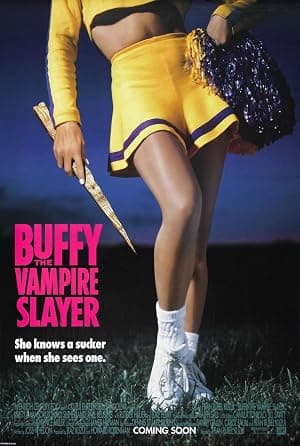
Buffy the Vampire Slayer
Valley-girl shopping trips meet vampire slaying — Buffy Summers learns adulthood arrives with fang marks.
// The setup
PLAYBACK STARTED
Buffy the Vampire Slayer delights because its central idea is deliciously simple: a shopping-focused Valley Girl discovers she’s been picked to fight vampires. That jolt — from pom-poms to prophecy — gives the 1992 film a neat, combustible centre. Watch it now and you’re watching the moment a character idea found a life beyond the cinema, one that Joss Whedon would later reshape for television.
THE MOVIE
Buffy Summers is still the reason this movie works
There are plenty of ways to sell a vampire movie. Buffy the Vampire Slayer sells itself on the delightful mismatch between its lead life and her new destiny: Buffy Summers is a shopping-focused Valley Girl who is suddenly told she’s the ‘Slayer’ — a chosen one whose job is to stake vampires.
That jolt — from mall to mission — is delivered early by Merrick’s arrival and the sequence where Buffy is shown what she can do. It’s a nice piece of economy: a short film that manages to make one character’s forced growing-up feel like the whole point.
Directed by Fran Rubel Kuzui and running a compact 86 minutes, the film is a light, punchy blend of teen comedy and vampire pastiche. The screenplay’s life didn’t end there: what began on screen helped push its writer to rework the idea into the long-running television series that would follow later in the decade.
THE SETUP
The idea that sets Buffy the Vampire Slayer in motion
The film’s basic bargain is straightforward: a normal teenage life collides with a supernatural obligation. Buffy Summers, a Los Angeles cheerleader, is told by a mysterious man that she’s the Slayer — and that revelation puts her on a collision course with genuine monsters.
Those monsters are headed by the ancient vampire Lothos and his lieutenant Amilyn, who have plans to rebuild a vampire brood and threaten the town. That threat gives the film something sharper than mere parody: there’s a real antagonist to push the plot forward.
The movie knits together Watcher-led training, late-stage high-school social business — boyfriends, friends, a senior dance — and an escalating vampiric threat that makes the school a battleground. It’s a tidy mixture of teen movie mechanics and monster-movie stakes.
Worth noting: the produced film isn’t exactly what its writer first imagined. Key plot elements were changed from Joss Whedon’s draft — including some on-screen outcomes and a gym-burning climax that was altered — and those differences later pushed Whedon to rework the property for television.
THE CHARACTER
Why Buffy Summers matters
Buffy matters because she’s readable. The film starts her as a familiar type: a shallow, mall-minded Valley Girl whose priorities are typical teenage things. That makes the transformation — being told she’s been chosen to fight vampires — more interesting than if she’d arrived already nobly prepared.
The character’s arc is built on that tension: ordinary adolescent concerns rub against an adult responsibility. The presence of friends, schoolmates and a boyfriend gives the movie a recognisable social world, so her supernatural duty never feels untethered from teenage life.
Casting Kristy Swanson in the role makes that contrast explicit; the movie keeps returning to the mismatch between Buffy's marketplace life and her Slayer role. It’s that mismatch — not a debate about destiny — that makes the character memorable here.
And while Merrick and other supporting figures provide the plot’s guide-rails, Buffy remains the film’s emotional hinge: the story keeps pulling back to how a young woman responds when told she must be someone other than herself.
THE PERFORMANCE
Why Kristy Swanson's performance matters
Contemporary critics and later aggregates singled out Kristy Swanson’s turn as one of the film’s noticeable elements. Her portrayal is singled out in the evidence as one of the performances that people tended to point to when discussing the movie.
That matters because the film’s tonal balance depends heavily on the lead. Buffy's switch from bubble-headed teen to reluctant slayer needs to feel credible enough for the audience to accept the stakes; the critical attention to Swanson shows she provided that bridge for many viewers.
The response to other supporting turns — Paul Reubens’ Amilyn is another performance that drew notice — suggests the movie’s life hangs on the actors making the comedy-horror mash-up feel lived-in.
So if you’re revisiting the film, watch how the cast carry the script’s tonal seesaw: critics of the time regularly cited those performances as the bits that kept the premise working.
UNDER THE SURFACE
Buffy the Vampire Slayer has more on its mind than the plot suggests
On the surface it’s a teen-vampire comedy; underneath it’s a coming-of-age story about the moment responsibility outgrows adolescence. Buffy is literally handed an adult role and has to figure out what that means while the rest of her life keeps being ordinary teenage stuff.
That transactional set-up flips a familiar script: instead of a male action hero, the central action role is occupied by a young woman. The movie places a female protagonist in the slayer slot and, in doing so, nudges at gender expectations in genre cinema.
It also likes to play with teen-horror templates. By blending rom-com elements and B-movie vampire conventions, it upends some expectations — cheerleaders can fight back, and the senior dance can turn into a battleground.
Finally, there’s the simple idea of responsibility versus adolescence: Buffy’s choices are about moving from self-involved concerns to something that asks for sacrifice. That friction is the film’s emotional engine.
PURE 80S
Buffy the Vampire Slayer could not belong to any other decade
Released in the summer of 1992, the film wears its moment in the early 1990s plainly: the Valley Girl archetype and teen-movie rhythms place it in that immediate cultural now. It leans into the era’s teen-culture beats rather than trying to be timeless.
Casting choices underline that link — Luke Perry, then a prominent TV name, is an example of how the movie mixed film and television star energy to tap contemporary youth interests.
The film also arrived during a wave of genre blends: early‑90s movies were comfortable mashing teen comedy with horror and fantasy, and Buffy sits comfortably in that mix.
Finally, it’s worth remembering that the movie’s life didn’t stop at the screen: the screenplay’s later reshaping into a 1997 TV series ties the film to the decade both as product and as a creative stepping stone.
WATCHING IT NOW
What has aged — and what hasn't
Modern viewers tend to split on the film’s tone. Its light, campy approach and overtly early‑90s teen-comedy details read as dated to some; to others they’re part of the period charm that makes the film enjoyable as a time capsule.
Another thing that shapes how people see the movie today is the story behind it: Joss Whedon publicly disavowed aspects of the finished film, and his later creation of the darker, more expansive TV series is often used as shorthand for why the film feels like one version of Buffy rather than the whole story.
That combination means the film survives best when you treat it as a brisk, slightly silly reimagining of a good idea — not the definitive Buffy. Seen that way, it’s an interesting first draft of a concept that would be deepened elsewhere.
If you want the lighter, early‑90s teen-vampire romp, it still works. If you’re after the richer character study that would come later, the television series is where that material is more fully realised.
THE LEGACY
Why Buffy the Vampire Slayer still matters
The film’s most tangible legacy is its role as the seed of a larger franchise. Creative disagreements over the movie’s tone and execution pushed Joss Whedon to redevelop the idea for television, and the 1997 series became the property’s primary continuation.
For those curious about alternate versions of the story, Whedon’s original screenplay was later adapted into a graphic-novel form by Dark Horse Comics as The Origin, which attempts to restore elements of the writer’s initial vision.
The film has also had a steady afterlife on home video — released on VHS in 1992 and later on DVD and Blu-ray — and it continues to be a reference point in histories of the Buffy franchise.
So its importance is specific rather than sweeping: the movie matters because it was the visible first chapter of a concept that would be reshaped and amplified elsewhere.
THE VERDICT
Does Buffy the Vampire Slayer still hold up?
Yes — with a couple of important caveats. If you want a compact, early‑90s teen-vampire comedy that trades thematic depth for pace and punch, this 86‑minute 1992 film delivers that experience. It’s buffed with genre-mash energy: cheerleader life collides with prophecy, and Merrick’s arrival forces Buffy to accept a responsibility she hadn’t asked for.
Buffy’s central conflict — facing an ancient antagonist in Lothos and the threat posed by Amilyn — gives the movie a clear throughline. The blend of Watcher-led training, teen social drama and an escalating villainous plan that comes to a head at a school dance keeps the stakes focused and readable.
Do remember that the film we have on screen differs in places from its writer’s original draft; those changes (including some plot outcomes and originally scripted set pieces) contributed to Joss Whedon’s dissatisfaction and ultimately to the property’s reinvention on television. That means the film feels like one, lighter answer to a bigger idea.
So should you watch it today? Absolutely — if you’re after a brisk, slightly campy take on a terrific premise and want to see Buffy at an earlier stage. If you’re looking for the deeper, darker, long-form version of Buffy Summers, the TV series is where that story really lives. Either way, the movie is worth a look: it’s the moment the Slayer idea stepped off the page and into public life.
Share this movie
// Keep watching
More movies from the 90s
If Buffy the Vampire Slayer is your kind of movie, there's plenty more on the shelves worth rewinding.
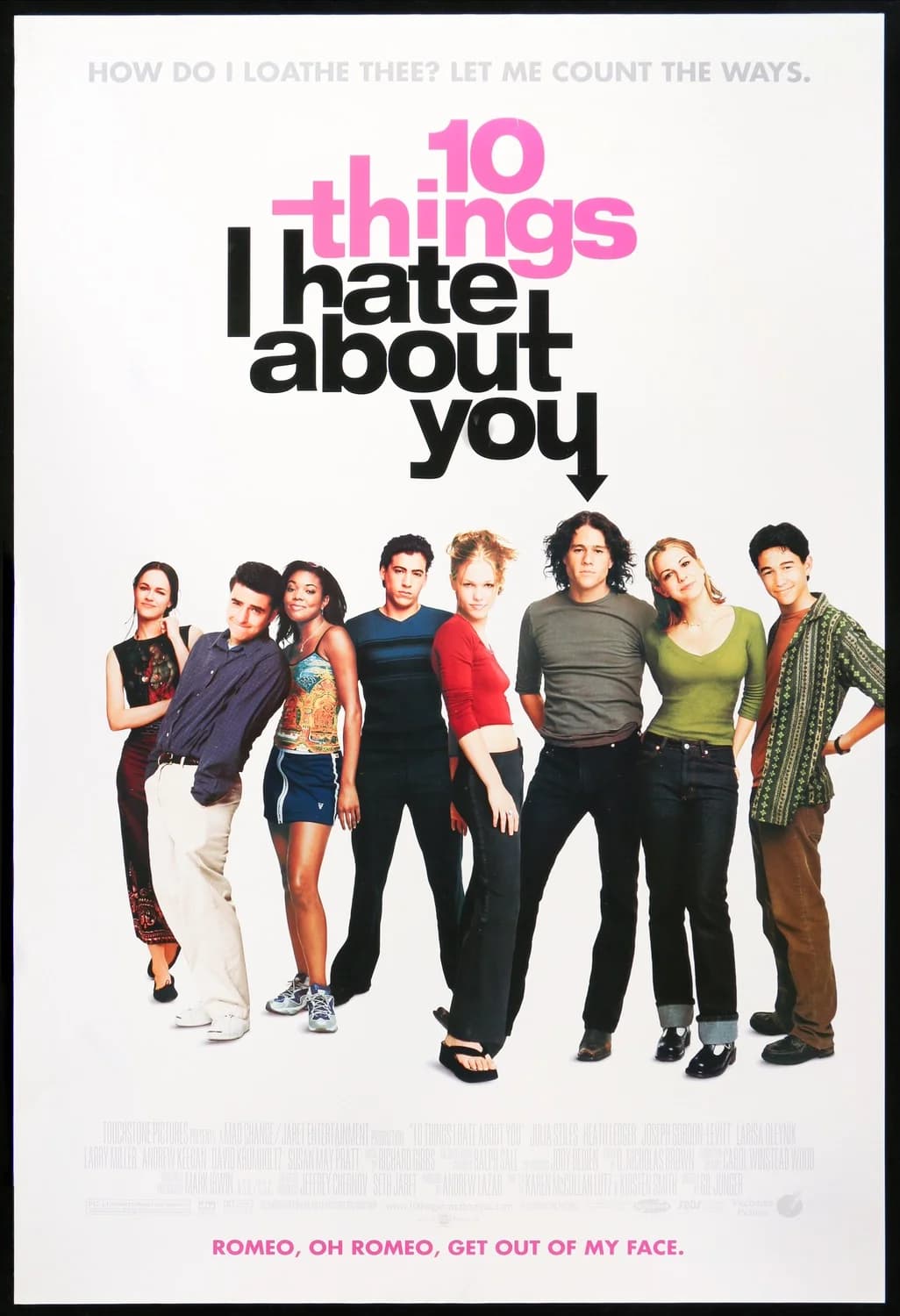
1999 // VHS
10 Things I Hate About You
Sibling rules, a rooftop serenade and one very stubborn Kat — Shakespeare in a school corridor.
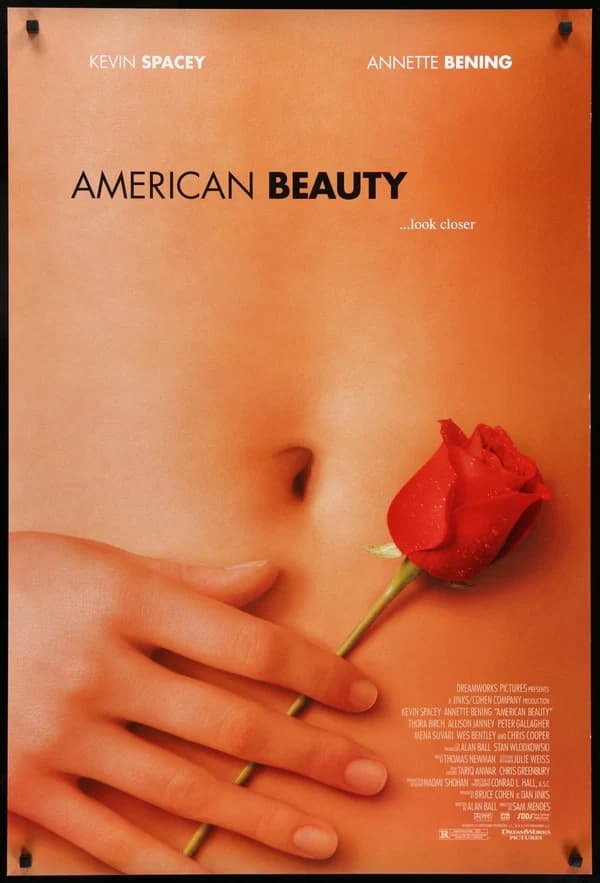
1999 // VHS
American Beauty
Lester Burnham, suburban rot and a midlife argument that still stings.
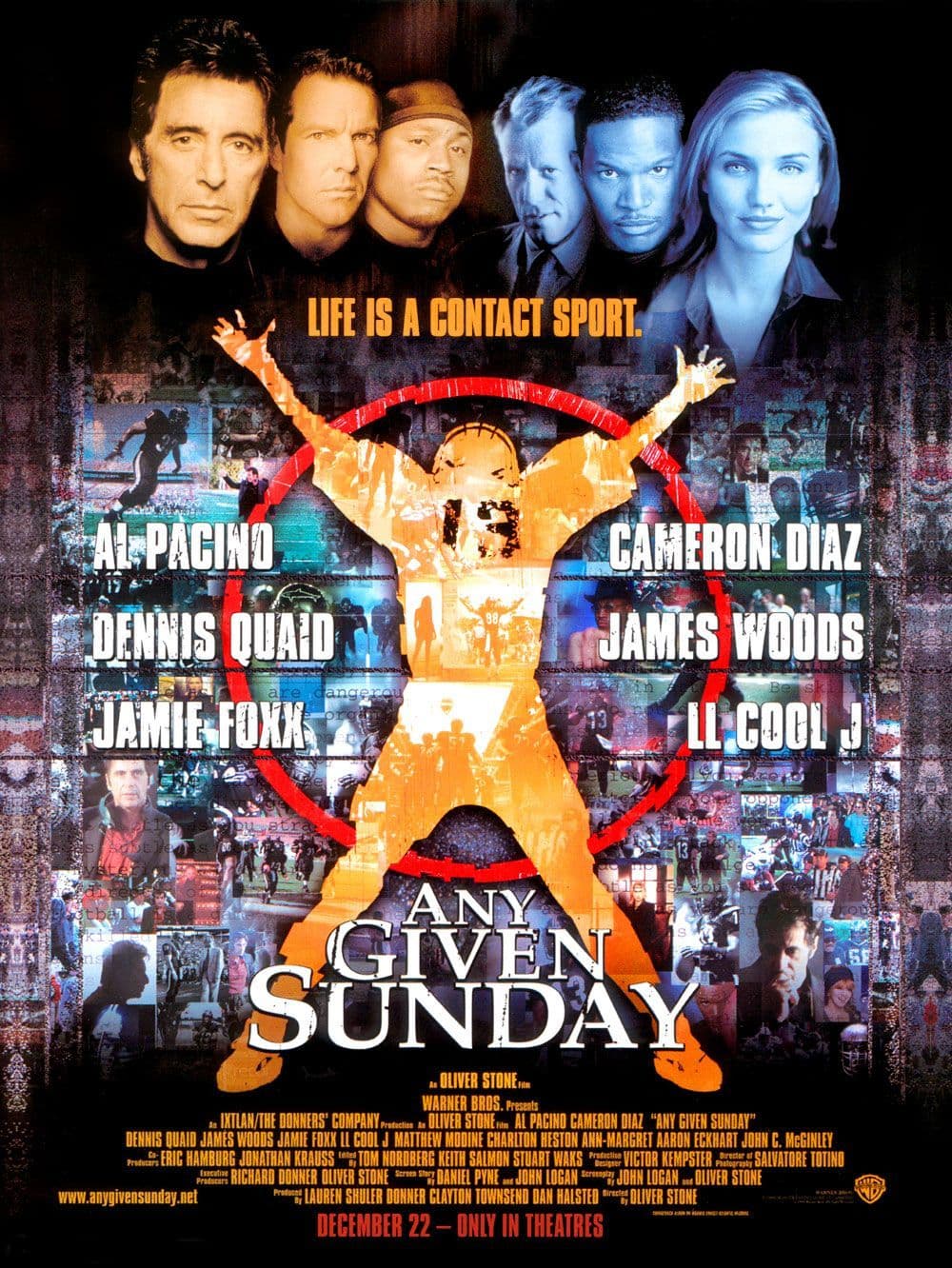
1999 // VHS
Any Given Sunday
Al Pacino's coach anchors the chaos of a film about football turned into product — loud, messy and oddly persuasive.