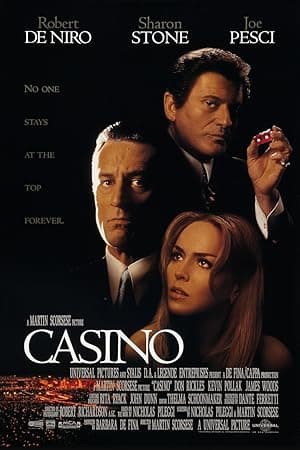
Casino
Sam 'Ace' Rothstein keeps the books — and loses the world.
// The setup
PLAYBACK STARTED
Three hours of Scorsese that look like a ledger: tidy figures, small adjustments, then suddenly everything is off-balance. Casino centres on Sam "Ace" Rothstein, the precise operator put in charge of a Las Vegas casino whose success spins into a Mafia skimming scheme. It’s a film about profit reshaping people, institutions and an entire city.
THE MOVIE
Sam "Ace" Rothstein is still the reason this movie works
Casino is the movie you go back to when you want Scorsese to explain how tidy systems break down. At its centre is Sam 'Ace' Rothstein: a sports handicapper elevated by the Chicago Outfit to run the Tangiers casino, obsessive about the books and how everything looks from the floor to the vault.
His competence is the engine. The casino turns into a cash machine, and that very profitability becomes the temptation — receipts get skimmed and the operation steadily slides from plausible legitimacy into organised theft. Watching the business flourish is watching the moral architecture tilt.
All of this is packaged in big‑picture filmmaking: Martin Scorsese directs, Robert De Niro plays Ace, Sharon Stone plays Ginger and Joe Pesci plays Nicky. The film is long — deliberately so — because the slow corrosion it traces needs time to feel inevitable rather than telegraphed.
THE SETUP
The idea that sets Casino in motion
At its simplest the premise is tidy and persuasive: Ace, a numbers‑driven operator, is put in charge of the Tangiers so the mob can turn gambling into steady profit. He is the perfect manager for a crooked enterprise because he makes it look like honest business.
To keep the enterprise safe Ace's childhood friend Nicky Santoro is sent to Vegas as muscle. Nicky’s role begins as protection, but his appetite for violence and side enterprises grows; that expansion makes the operation louder, messier and more visible.
Visibility invites scrutiny. An FBI investigation into the skimming operation and the mob’s own internal reactions supply the story’s forward motion — the film watches the consequences of making illicit profit look legitimate.
It’s a neat setup because the pieces fit together: a meticulous manager, a violent protector and a system that rewards both success and secrecy until the two can no longer coexist.
THE PERFORMANCE
Why Sharon Stone's performance matters
Sharon Stone’s Ginger is a structural problem inside Ace’s impeccably run world: she’s written as a hustler‑turned‑socialite whose behaviour frays the order he tries to maintain. The film gives that role weight — and that’s the first clue to how central Ginger is to the whole project.
Stone’s work on the film drew major awards attention: she won the Golden Globe for Best Actress (Drama) and was nominated for the Academy Award. That recognition tells you two things — the part is big, and the film treats it as such.
Because Ginger is more than a romantic subplot, the performance’s prominence matters. The accolades mark her as a part that the film foregrounds, one that pushes on Ace’s system in ways that spreadsheets cannot resolve.
So when people say Casino is a story about buildings and ledgers, remember Ginger is the human variable the ledger can't predict — and Stone's awards are the clearest piece of evidence that the filmmakers wanted you to notice that.
UNDER THE SURFACE
Casino has more on its mind than the plot suggests
On paper Casino is a crime epic — and it is — but the film is chiefly interested in systems and how people submit to or wreck them. Corruption and institutional decay thread through everything: the movie tracks how organised‑crime money seeps into supposedly legitimate institutions.
Greed is not just personal; it’s organisational. The skimming scheme turns profitability into a commodity, and that desire for profit generates the costs the film calculates: law enforcement attention, internal betrayal and inevitable violence.
Loyalty and betrayal are the emotional currency. Ace’s relationships — the friendship with Nicky, the marriage to Ginger — are measured against the demands of business. That’s where loyalty becomes transactional and betrayal becomes structural.
Finally, identity and performance are constant. Everyone in Casino is playing a role: Ace the legitimate manager, Nicky the loyal enforcer, Ginger the socialite. The film is as much about the masks people wear as it is about who they are when the masks slip.
THE FILMMAKING
How Casino was put together
Casino feels large because it was built that way. Robert Richardson photographed the picture and it was shot in Super 35 so the framing could be adjusted later — a practical choice that kept options open for different presentations.
The film’s construction depended on exhaustive editing. Thelma Schoonmaker and Martin Scorsese worked through multiple iterations, using a Lightworks digital editing system during postproduction to shape the two‑hour‑plus runtime into its deliberate rhythm.
Production design is another cornerstone: Dante Ferretti led the effort to recreate the period detail of 1970s Las Vegas, a necessary foundation for a story that hinges on atmosphere as much as incidents.
Those are practical, visible choices — camera format, an intensive edit process and detailed design — that together make Casino feel like a fully realised world rather than a series of gangster set pieces.
PURE 80S
Casino could not belong to any other decade
Although Casino was released in 1995, it’s a film very much in conversation with earlier decades. Its concern with organised‑crime infiltration of corporate institutions and the decline of the old‑guard Mob resonated with audiences who had watched investigations and prosecutions across the 1970s and 1980s.
That backward glance is part of why the film read as contemporary in the mid‑90s: the legal and institutional fallout of earlier decades was still a living issue, so a story about skimming and federal probes felt immediate rather than merely historical.
Scorsese and Pileggi were sharpening a forensic gaze on how criminal enterprise becomes entangled with commerce — a subject whose relevance stretched from the events it depicts into the politics and headlines of the period when the film arrived.
In short, Casino sits at a crossroads: it dramatizes an older era while addressing concerns that were still unsettled when the film appeared in 1995.
THE LEGACY
Why Casino still matters
Casino was a commercial success worldwide and helped consolidate Scorsese’s reputation for large‑scale crime narratives. That financial and critical visibility kept the film in conversations where it gets compared and contrasted with Goodfellas.
Sharon Stone’s awards recognition — a Golden Globe win and an Academy Award nomination — remains the clearest piece of the film’s awards legacy and a reminder of how central Ginger is to the drama.
On the production side, Dante Ferretti’s work on the film received industry recognition in production‑design circles, which speaks to how seriously the movie took the business of recreating a period world.
Put together, these elements explain why Casino continues to be watched and discussed: it’s a big, polished piece of filmmaking with a clear thematic project and a few very visible achievements to its name.
THE VERDICT
Does Casino still hold up?
Yes — if you’re drawn to movies that measure the human cost of systems. Casino’s central configuration is razor‑sharp: Ace is the meticulous, numbers‑driven manager installed to run the Tangiers, and his very success invites organised‑crime bosses to skim a portion of the receipts. That premise still hits because it ties moral collapse to a kind of managerial logic rather than melodrama.
The interpersonal tensions remain persuasive. Nicky Santoro’s role as Ace’s violent protector who drifts into independent criminality gives the story its principal friction, while Ace’s marriage to Ginger — a hustler‑turned‑socialite whose compulsions destabilise him — supplies the emotional strain the ledgers can’t account for.
The film’s procedural backbone — an FBI investigation and the mob’s internal reactions — keeps the plot grounded even as loyalties fray and betrayals multiply. Scorsese’s direction and the deliberate runtime let the slow unravel feel earned, not rushed.
So should you watch it? If you want a patient, moral accounting of greed, loyalty and institutional decay — told with technical polish and a handful of performances the film highlights — Casino remains well worth the three‑hour commitment.
Share this movie
// Keep watching
More movies from the 90s
If Casino is your kind of movie, there's plenty more on the shelves worth rewinding.

1995 // VHS
Toy Story
A pull‑string cowboy, a deluded space ranger and a small, very particular war over being loved.
1999 // VHS
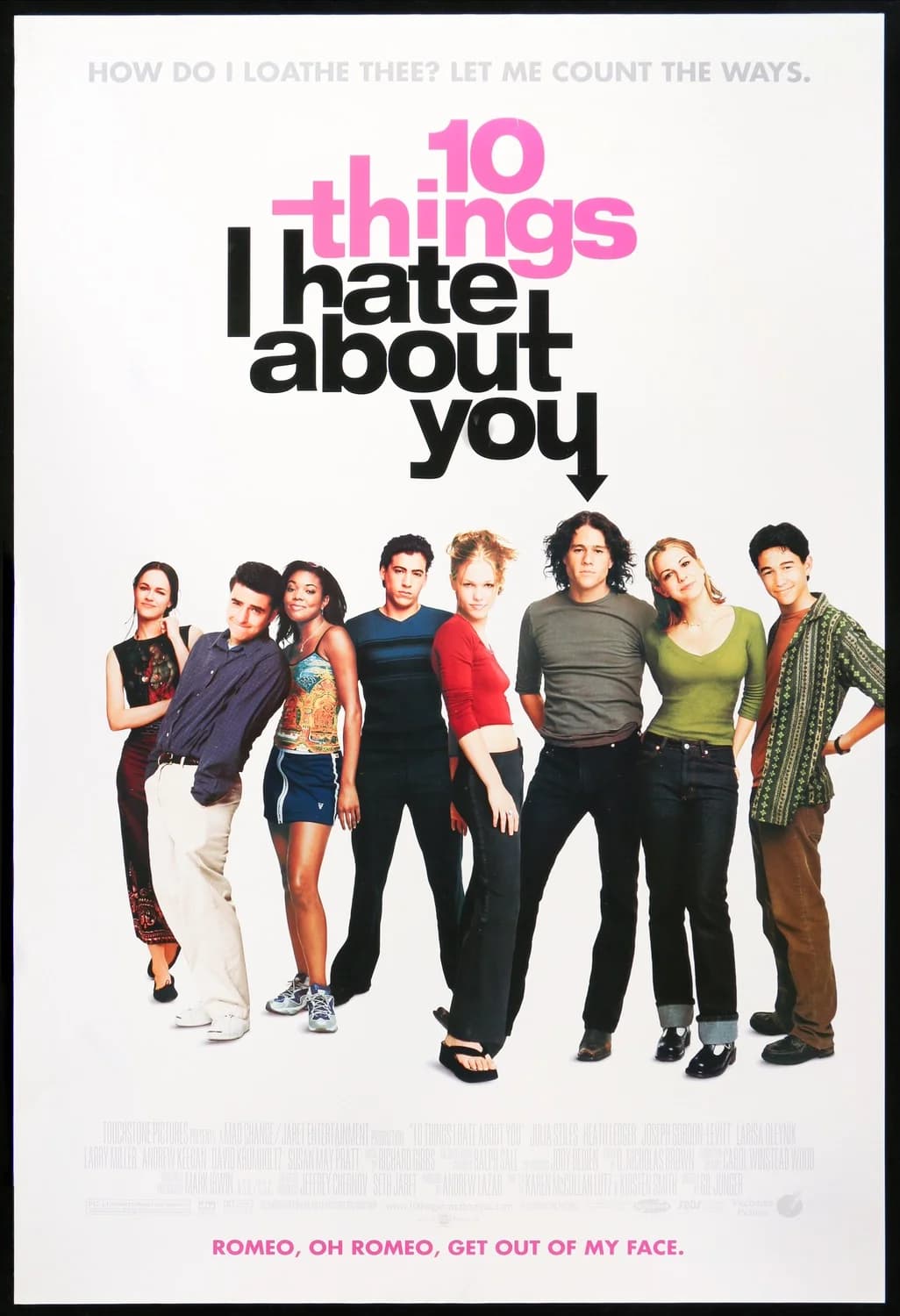
10 Things I Hate About You
Sibling rules, a rooftop serenade and one very stubborn Kat — Shakespeare in a school corridor.
1999 // VHS
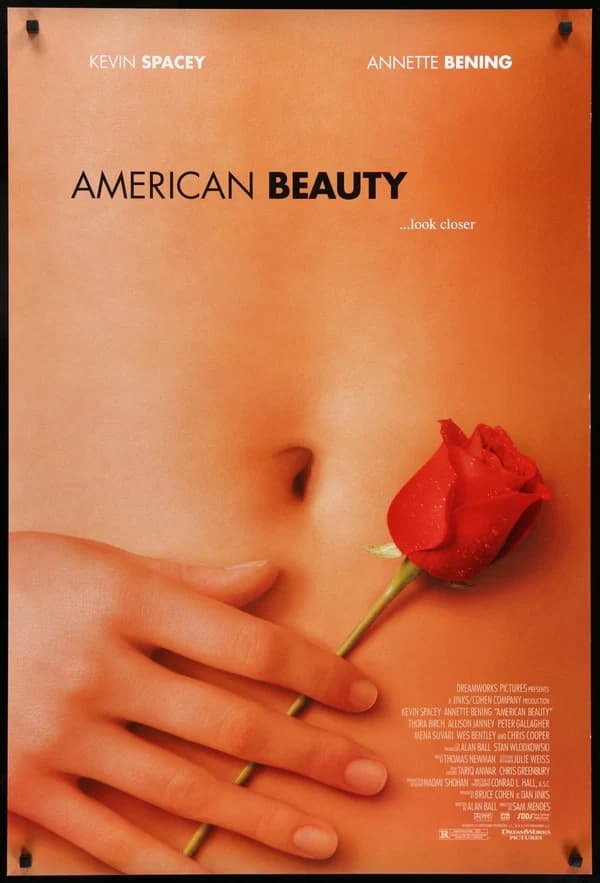
American Beauty
Lester Burnham, suburban rot and a midlife argument that still stings.