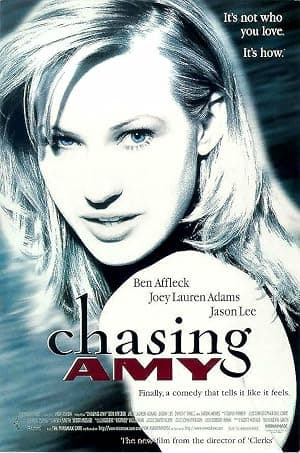
Chasing Amy
A messy, funny, sometimes uncomfortable study of desire, friendship and what men assume about women.
// The setup
PLAYBACK STARTED
Chasing Amy still starts arguments in living rooms. It’s the one where a comic-book artist falls for a woman who’s openly dated women, and everything the bloke thought he knew about love, loyalty and himself gets complicated. Kevin Smith made it in 1997 with his familiar New Jersey gang — and he made a film that’s as much about male insecurity as it is about who gets to choose who they love.
THE MOVIE
Holden McNeil is still the reason this movie works
Chasing Amy’s engine is simple and combustible: Holden McNeil, a comic-book artist, meets and falls for another artist, Alyssa Jones, and discovers that her sexual history and identity won’t slot into his neat romantic picture. That collision — between hope, obsession and autonomy — is what keeps the film vivid long after the jokes land.
Kevin Smith’s screenplay sets up a personal war: Holden wants a relationship; Alyssa refuses to be boxed in; and their friends, especially Banky, bring a kind of possessive commentary that turns private confusion into public rows. It’s a romantic comedy that keeps returning to arguments rather than punchlines.
What makes Chasing Amy worth revisiting today isn’t just the premise. It’s the way Holden’s need to reconcile his idealised image of Alyssa with her reality exposes a particular kind of male insecurity, and how that insecurity tests friendships, loyalties and what a relationship can be.
THE SETUP
The idea that sets Chasing Amy in motion
At its heart Chasing Amy is a story about three people and the arguments they can’t unhear. Holden falls for Alyssa; she’s open about having dated women; and Banky — Holden’s best friend and co-creator — reacts with mockery that slips into hostility. That triangle keeps nudging the plot forward.
Smith stages most of the film in places that feel lived-in for his characters: comic-book studios, conventions and bars. Those scenes aren’t just wallpaper; they’re where friendships are performed and where the big confrontations happen.
The film often favours extended, dialogue-heavy set pieces instead of a string of rom-com beats. Long conversations — full of interruptions, grudges and stubborn logic — reveal history, desires and grudges in ways that cheapen nothing and ask us to sit with the mess.
There’s also a deliberate reach beyond Smith’s own circle: a scene from Go Fish influenced how he imagined Alyssa’s world and how a lesbian community would be portrayed, which was part of the film’s attempt to treat that community as more than a plot device.
THE CHARACTER
Why Holden McNeil matters
Ben Affleck’s Holden is the film’s hinge. He’s not merely “the bloke who falls in love”; he’s driven by an almost romantic obsession and a need to tidy Alyssa into something he understands. That urge propels his choices — and the film’s conflicts.
Holden matters because he’s the point of view that most of the movie asks us to interrogate. His confusion about Alyssa’s history forces the story to ask whether desire can be untangled from ownership, and whether saying “I love you” frees anyone from having to explain themselves.
His friendship with Banky is crucial: Banky’s abrasive jokes and anti-gay barbs function as a foil that brings Holden’s loyalty into focus. Banky’s reactions turn private doubts into public pressure, and that pressure shapes how Holden behaves.
Put simply: Holden is memorable because the film uses him to map the awkward space where male insecurity, friendship obligations and changing sexual politics collide. The result is messy, frequently funny — and sometimes uncomfortable.
UNDER THE SURFACE
Chasing Amy has more on its mind than the plot suggests
On the surface it’s a love story complicated by past relationships. Underneath it’s a film quietly preoccupied with sexual fluidity: a woman who has loved women and a man who must reconfigure his assumptions about that fact. The movie asks, awkwardly and honestly, how that reconfiguration happens — and who gets to demand answers.
It’s also about male insecurity. Holden’s discomfort isn’t only jealousy; it’s a crisis of identity about what masculine desire expects from a partner. That insecurity mixes with possessiveness, and the film repeatedly shows how friendship can become a force for policing other people’s choices.
Friendship — the bromance element — is not treated as merely comic ballast. The film examines what obligations friends owe one another and where loyalty becomes silencing. Those tensions make the comic-book subculture setting feel less like a novelty and more like a community where reputations matter.
Finally, homophobia and social policing operate throughout the story: jokes and mockery aren’t neutral. They shape action, escalate conflict, and reveal how even well-meaning people can collude in limiting someone else’s autonomy.
THE FILMMAKING
How Chasing Amy was put together
Kevin Smith wrote and directed Chasing Amy and continued his hands-on approach by taking an editing credit — a practical choice that helped him keep the film close to his voice on a tight budget. That sort of multitasking is part of how these films feel like the work of a single filmmaker.
David Klein is credited as the cinematographer, and Smith shared editing duties with Scott Mosier. Those credits underline the small-team nature of the production, a characteristic that lets the dialogue and performances carry the rhythm rather than high-gloss production values.
Because Smith kept the crew compact and doubled up on roles, the film’s priorities are clear: character, conversation and the precise timing of lines. Technical credits are present, but they’re working to service scenes where people talk until something breaks.
All of which means Chasing Amy reads like a writer-director project: an auteur’s set of obsessions translated into a low-cost, conversation-first film that lets the story’s arguments breathe.
PURE 80S
Chasing Amy could not belong to any other decade
Made and released in the late 1990s, Chasing Amy rides the indie-to-studio wave of the era: small directors getting wider distribution through companies like Miramax. That context matters because it’s how Smith’s very personal, talky film reached a larger audience than his earlier microbudget work.
As the third of Smith’s early New Jersey pictures, it sits in a particular indie moment where writer-directors were expected to bring their own subcultures to the screen. Here that subculture is comic-book fandom, and Smith uses it to make a picture about people who know each other too well.
The movie’s emphasis on dialogue, character and youth subculture aligns it with other 1990s independents that favoured strong writerly voices over studio gloss. That freedom let Smith put thorny questions about sexuality and friendship at the centre of a rom‑com framework.
All of which means Chasing Amy is very much of its moment: an indie-era, character-first picture that might not have reached the same audience a decade earlier — or later, when distribution patterns changed again.
WATCHING IT NOW
What has aged — and what hasn't
The film’s portrait of a bruised friendship still lands. Scenes where mates argue about loyalty and cross a line feel familiar because friendships still police behaviour in private and public. That element — the bromance under strain — remains clear and effective.
Some aspects of the film’s conversations about female sexual fluidity still spark real discussion. Smith drew inspiration from Go Fish when imagining Alyssa’s world, and that effort to show a lesbian community as more than a plot device gives the film a seriousness that survives being twenty-plus years old.
Where Chasing Amy feels dated is less about ideas than tone: certain lines and the bluntness of male responses can feel rougher now, and modern viewers are likelier to read those moments as evidence of the film’s limitations rather than its honesty.
But the central quarrels about loyalty, freedom and how friends behave toward one another keep the movie watchable: the arguments still bruise because they’re recognisable.
THE LEGACY
Why Chasing Amy still matters
Chasing Amy left traces because it won recognition where indie films often do: it earned two Independent Spirit Awards, including Best Screenplay and a supporting male prize, which affirmed the strength of Smith’s writing and the ensemble element of the picture.
The film’s place in film‑culture circulation has been helped by solid home‑video treatment: a Criterion Collection edition with commentary, deleted scenes and an essay has kept the conversation alive and available for fresh viewers and rewatchers alike.
Its depiction of sexual fluidity has continued to be discussed in academic and critical work as an example of how female fluidity appears in popular culture; that ongoing critical attention makes it more than a period curiosity.
Even as debate continues about parts of its politics and tone, the film’s afterlife — including a 2023 documentary that examined its impact on queer communities — demonstrates that Chasing Amy still provokes useful discussion rather than slipping quietly into nostalgia.
THE VERDICT
Does Chasing Amy still hold up?
Yes — but with caveats. The film’s structure (long, argumentative set pieces staged in comic-book workplaces, conventions and bars) means it’s never a lightweight rom‑com; it’s a conversation piece that forces you to listen to people argue and to feel the sting when friendships misbehave.
If you come for the questions — about sexual fluidity, male insecurity and how mates police one another — Chasing Amy still offers sharp material. Holden’s inability to reconcile his idealised image of Alyssa with her autonomy is the kind of furious, specific problem that makes the film watchable and sometimes painful.
At the same time, some of the tone and lines read differently now. The movie asks awkward questions rather than answering them neatly, and viewers should expect discomfort as part of the experience. That discomfort matters: it’s where the film’s honesty and its problems sit together.
So should you watch it? Absolutely, if you want a talky, provocative 1990s indie that still sparks debate. Bring patience for its blunt edges, and you’ll find a film that still makes you think — and argue — about how desire and friendship survive one another.
Share this movie
// Keep watching
More movies from the 90s
If Chasing Amy is your kind of movie, there's plenty more on the shelves worth rewinding.
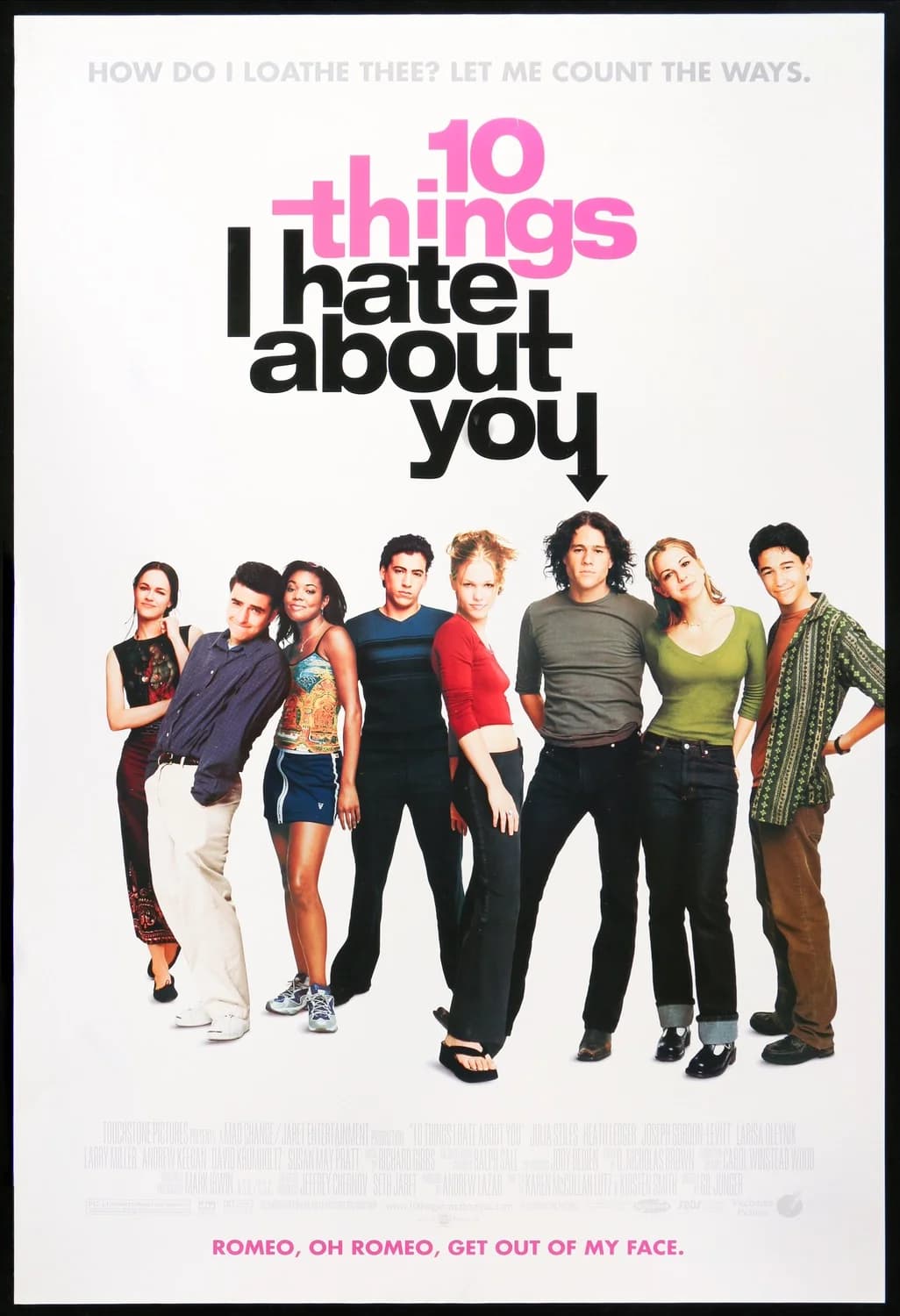
1999 // VHS
10 Things I Hate About You
Sibling rules, a rooftop serenade and one very stubborn Kat — Shakespeare in a school corridor.
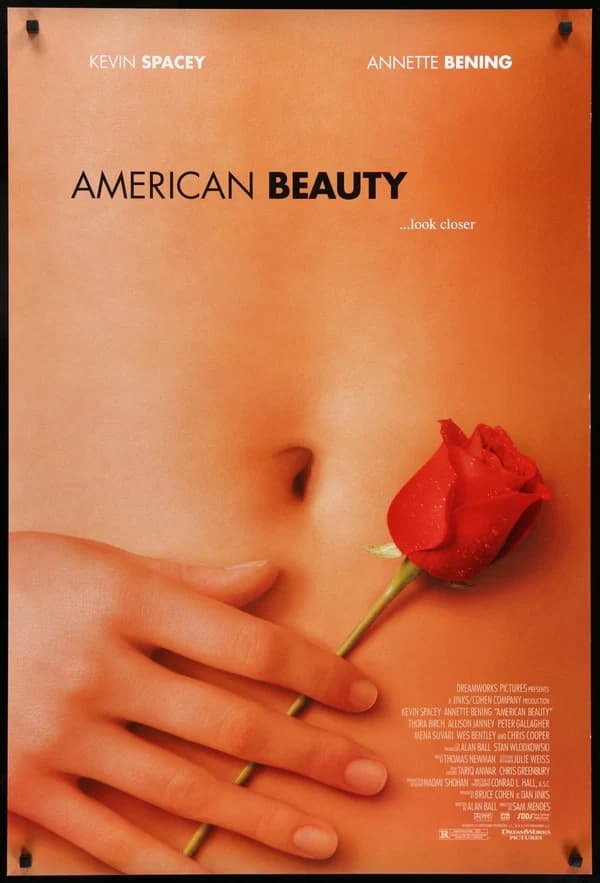
1999 // VHS
American Beauty
Lester Burnham, suburban rot and a midlife argument that still stings.
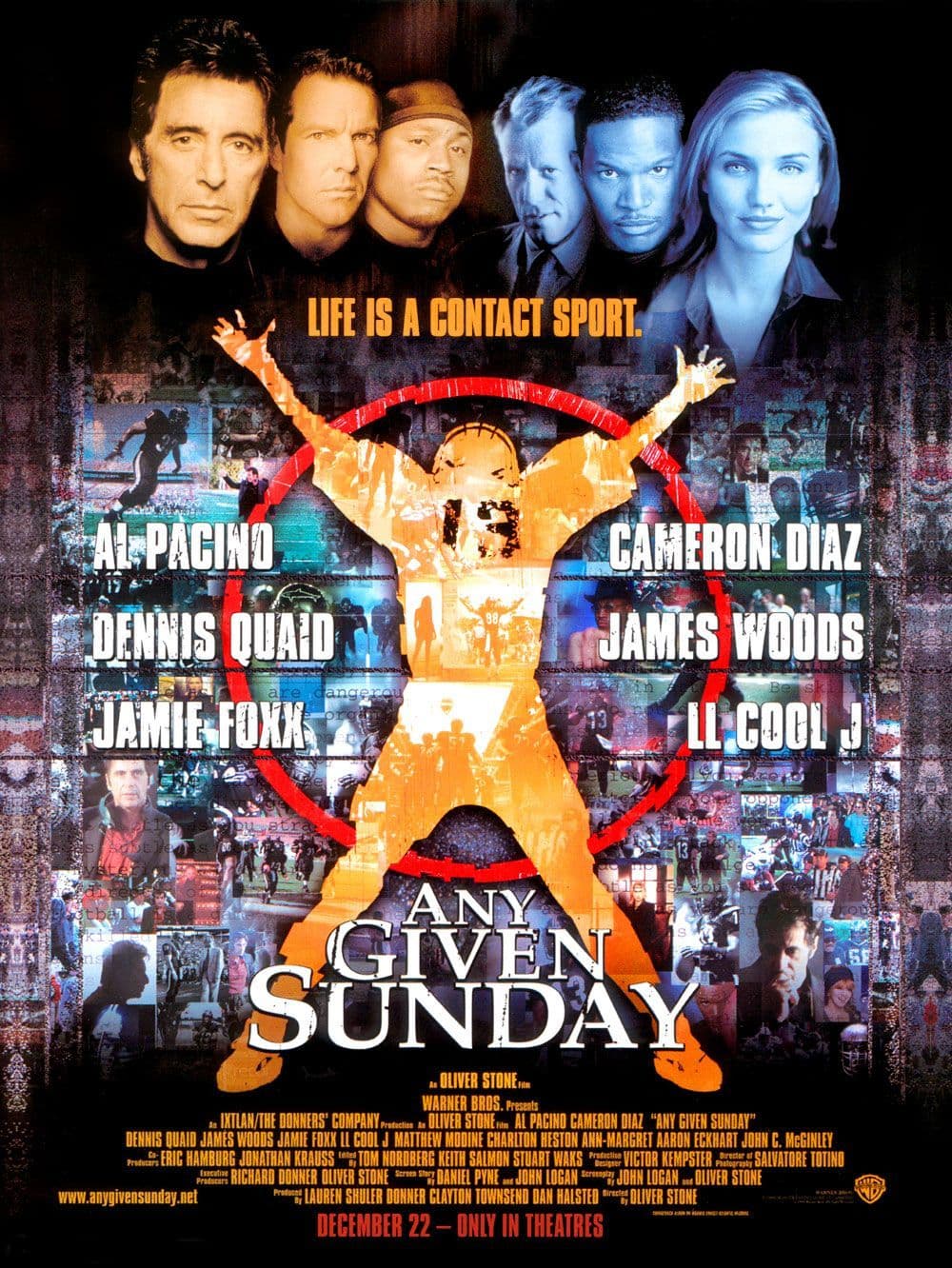
1999 // VHS
Any Given Sunday
Al Pacino's coach anchors the chaos of a film about football turned into product — loud, messy and oddly persuasive.