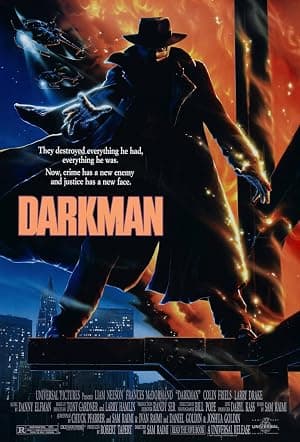
Darkman
A stitched-up superhero who doesn’t want to be one — but can’t stop playing the part.
// The setup
PLAYBACK STARTED
Darkman arrives like a midnight comic: a scientist loses his face, invents a temporary skin, and becomes a vengeful, shape-shifting shadow. Sam Raimi’s film is more than a bargain-basement Batman — it’s a noisy, strange little experiment about who we are when our face can be borrowed and taken away again.
THE MOVIE
Peyton Westlake / Darkman is still the reason this movie works
There’s an obvious hook: a scientist named Peyton Westlake is brutalised, his face ruined, and he becomes Darkman — a man living inside failing disguises and a relentless urge for revenge. That set-up gives the film a constant itch: who is he when his appearance is, literally, temporary?
Sam Raimi directs with the kind of restless energy that turns genre into spectacle — a 96-minute sprint that mixes action, horror and comic-book theatrics. Liam Neeson plays the central figure, and Frances McDormand is the woman whose discovery of corruption drags the ordinary world into Darkman’s ruin.
What keeps the film worth revisiting isn’t only the stunts or the prosthetics. It’s the character in the middle: a scientist obsessed with rebuilding his work, haunted by grief, unable to feel pain and forced to hide behind skins that dissolve. That tension — identity vs disguise, anger vs grief — is built into every scene.
THE SETUP
The idea that sets Darkman in motion
At its core Darkman is a tidy premise: a scientist’s life is wrecked by criminals while he’s working on synthetic skin, and his invention becomes both blessing and curse. The film uses that invention — a 'liquid flesh' that only lasts for a short time — to make identity itself a ticking clock.
That temporary-skin mechanic does clever work. It creates urgency (the disguises won’t hold), it gives the protagonist tactical options, and it makes every scene about how long a borrowed face can survive before the truth leaks out. It’s origin-story logic dressed as a series of theatrical set pieces.
The narrative mostly alternates between Peyton’s life before and after the attack, establishing what he’s lost and what he’s become. Those episodic sequences build toward a loud, physical finish — the sort of helicopter chase that promises spectacle as pay-off for the earlier intimacy.
And it’s worth noting the film left the door open: the characters and their world returned in two direct-to-video sequels in the mid-1990s, continuing the story Raimi set up here.
THE CHARACTER
Why Peyton Westlake / Darkman matters
Peyton Westlake matters because the film keeps returning to what happens when a scientist’s face is taken away. He’s not just a masked avenger; he’s a man trying to reclaim work he loved while falling apart emotionally.
Supporting players are mostly there to orbit him: assistants, crooks and a handful of henchmen fill out the comic-book world and provide reasons for action to start and explode. They’re functional, which lets the movie focus on Peyton’s small, messy obsessions rather than long backstories.
The temporary-skin idea makes Peyton interesting on the page and on screen: he can become other people, but only briefly, and that instability forces him to choose between hiding, helping, or striking back. That tension — between a scientific project and personal revenge — is what invests the character with drama.
And the decision to keep the world somewhat schematic (henchmen who trigger set pieces, a clear antagonist to face) means the film remains about Peyton’s interior collapse as much as about external fights.
THE PERFORMANCE
Why Liam Neeson's performance matters
Contemporary reviews pointed to Neeson as the film’s traumatized, determined centre. That’s useful to remember: whatever else the movie is — stunt-heavy, sometimes bonkers — critics took the lead seriously as someone who had been broken and kept pushing.
The same reviews also flagged Larry Drake as a striking, sadistic villain, which matters because a properly unpleasant antagonist sharpens the hero’s choices. Peyton’s obsessive arc needs real nastiness to push against, and that’s what the villain provides.
So the performances operate pragmatically: they give the strange premise emotional ballast. Neeson’s Peyton is less about charm and more about purposeful collapse, and the rest of the cast help by filling the world with threats and necessary friction.
Put another way: the acting lets you accept the film’s extremes. You’ll forgive a lot when the centre feels like it might actually break.
UNDER THE SURFACE
Darkman has more on its mind than the plot suggests
On the surface this is revenge theatre: a man loses everything and sets out to even the score. But that revenge carries a weight — the film keeps asking what it costs the person who pays for it.
Identity is a repeating question. Because Peyton can alter his face with temporary material, the film stages identity as performance. The disguises are useful but fragile, and that fragility becomes a moral and emotional problem.
Isolation and loss of humanity creep in naturally. Physical disfigurement and the inability to feel pain push Peyton away from ordinary human contact and into a narrower, harsher existence. The film isn’t subtle about the trade-offs: power and protection come at the price of connection.
And there’s the scientific obsession threaded through it all. Peyton’s drive to rebuild his research is not a neutral project — it’s personal, and the technology that might restore him is the very thing that keeps him from being fully human again.
THE FILMMAKING
How Darkman was put together
Raimi stages the film with a clear comic-book sensibility; scenes are composed like panels, and there’s a constant sense that the camera is arranging melodrama rather than hiding it. That choice makes the film feel deliberate: heightened rather than accidental.
Contemporary observers picked up on something else too — Darkman leans on classic-horror cues, borrowing the mood of old films like Phantom of the Opera and The Invisible Man and grafting that atmosphere onto a superhero set-up. The result is a hybrid that looks and sounds like several genres wearing the same coat.
PRACTICAL EFFECTS
The effects work that gives Darkman its physical personality
A big part of Darkman’s texture is physical: the disfigured lead required prosthetic appliances and foam-based makeup techniques to create his bandaged, scarred look. Those choices keep the grotesque feel tactile rather than purely digital.
A named makeup team — including Tony Gardner and Larry Hamlin among others — handled the special make-up and prosthetic work, which is central to selling the movie’s central conceit: a man living inside masks and raw skin.
On the action side, the production mixed mechanical and practical methods with visual-effects personnel to stage sequences such as the helicopter chase. Those scenes lean on people and props as much as on optical trickery, which gives the action a physical immediacy.
PURE 80S
Darkman could not belong to any other decade
Darkman grew from Raimi’s comic-book ambitions; after failing to get rights to adapt The Shadow, he built his own original, darker hero. That origin story matters because it puts the film in a particular moment: filmmakers were trying variants of comic-book cinema rather than the billion-dollar super-franchises that followed.
The film sits at a crossroads where Hollywood was experimenting with grimmer origins for costumed figures while still borrowing directly from 1980s horror techniques. That combination — superhero tropes with a horror toolbox — is very much of its time.
And the tale didn’t end at the cinema. The film’s world continued into two direct-to-video sequels in the mid-1990s, which shows how this darker, smaller-scale take on a hero kept enough momentum to keep being told.
WATCHING IT NOW
What has aged — and what hasn't
The film’s bones — a man ruined by violence and an invention that both saves and curses him — still translate. The premise remains peculiar and compelling: a temporary skin creates a neat dramatic rule for modern viewers to follow.
Frances McDormand’s character matters for the way the plot is put into motion. Her discovery of corruption is the moment normal life intersects with Peyton’s tragedy, and that structure still reads clearly for a contemporary audience.
What hasn’t been given new life is the franchise tail: the story continued in two mid-90s direct-to-video sequels, which kept the world going but also signalled a shift away from theatrical ambition to home-video continuations.
THE LEGACY
Why Darkman still matters
There’s a tidy legacy to catalogue: the theatrical film was followed by two direct-to-video sequels released in the mid-1990s, which carried the characters and some of the ideas forward beyond the cinema release.
The character also turned up in other media in the years after the film, and the movie is often looked back on as an early instance of a darker, single-director take on superhero origins — a different breed from the later studio-dominant models.
Crucially, Raimi’s handling of a comic-derived hero here precedes and anticipates the director’s later, higher-profile studio work within the superhero space. Darkman feels like an experimental sketch for a director finding how to marry genre beats with personal flourish.
THE VERDICT
Does Darkman still hold up?
Short answer: yes — but with a clear rider. If you’re looking for polished, modern superhero CGI or a four-hour saga, this isn’t it. Darkman succeeds where it sets a narrow problem and then keeps circling it: a scientist is disfigured, cannot feel pain, and must use a fragile synthetic skin and disguises to pursue revenge and to protect the woman he once loved.
The film’s rules — the dissolving liquid flesh, the origin-story beats and the episodic set pieces that hill-climb to a helicopter chase — give it shape and momentum. That economy is part of its charm: Raimi lays down a problem and then has fun with the solutions.
Liam Neeson’s role as Peyton Westlake anchors the film; contemporary notices singled him out as a traumatized, determined lead, and a genuinely nasty antagonist gives him someone worth fighting. Supporting characters fill the comic-book world efficiently, which keeps the running time tight and the focus where it should be.
So should you watch it today? Absolutely, if you appreciate a compact, slightly rough-edged superhero origin that privileges mood and invention over glossy conformity. Darkman still works because it trusts its strange central question — what happens to identity when a face can be borrowed and lost — and refuses to let that question go.
Share this movie
// Keep watching
More movies from the 90s
If Darkman is your kind of movie, there's plenty more on the shelves worth rewinding.
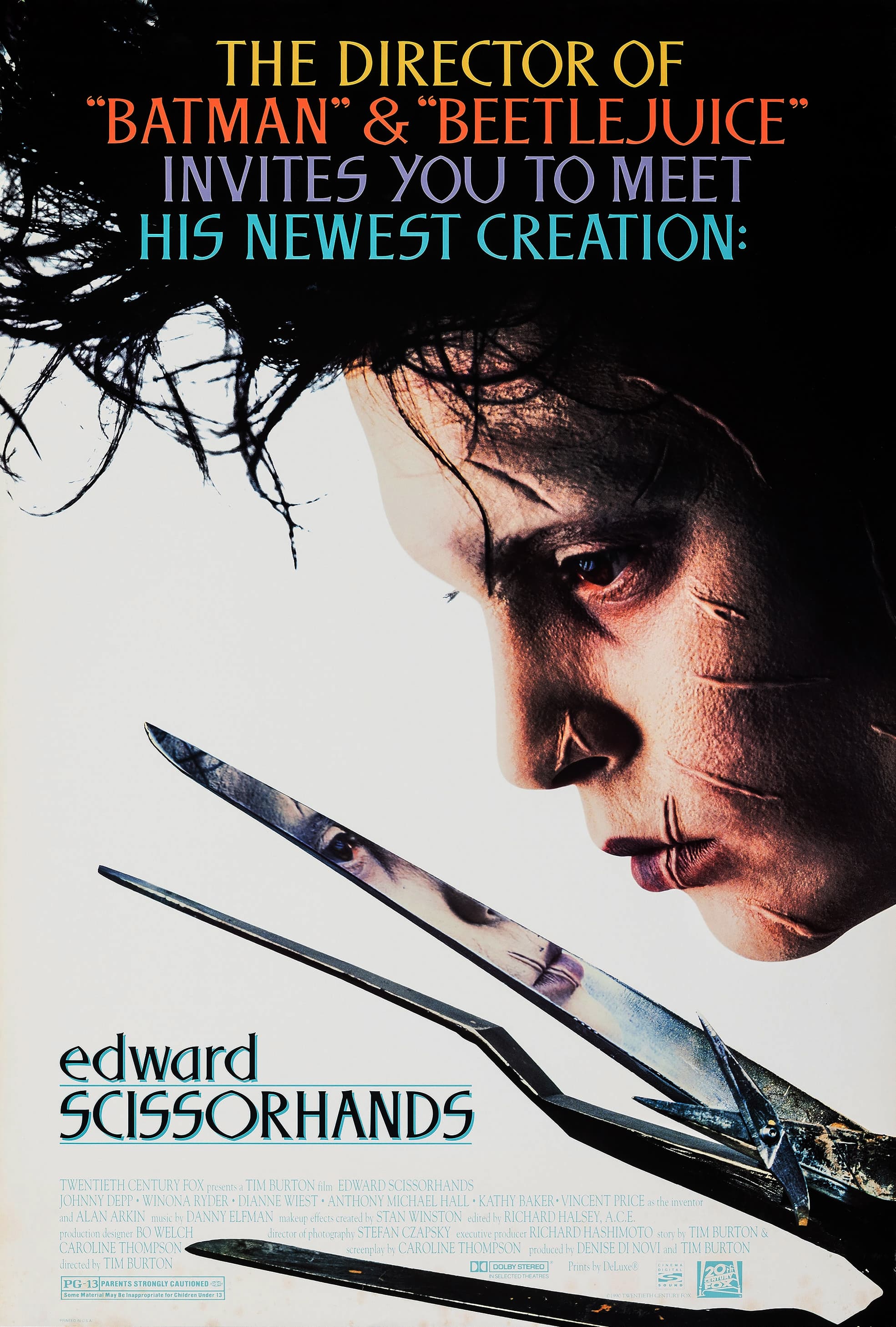
1990 // VHS
Edward Scissorhands
A fairy tale about a man who can’t quite touch the world — and the neighbourhood that can’t quite handle him.
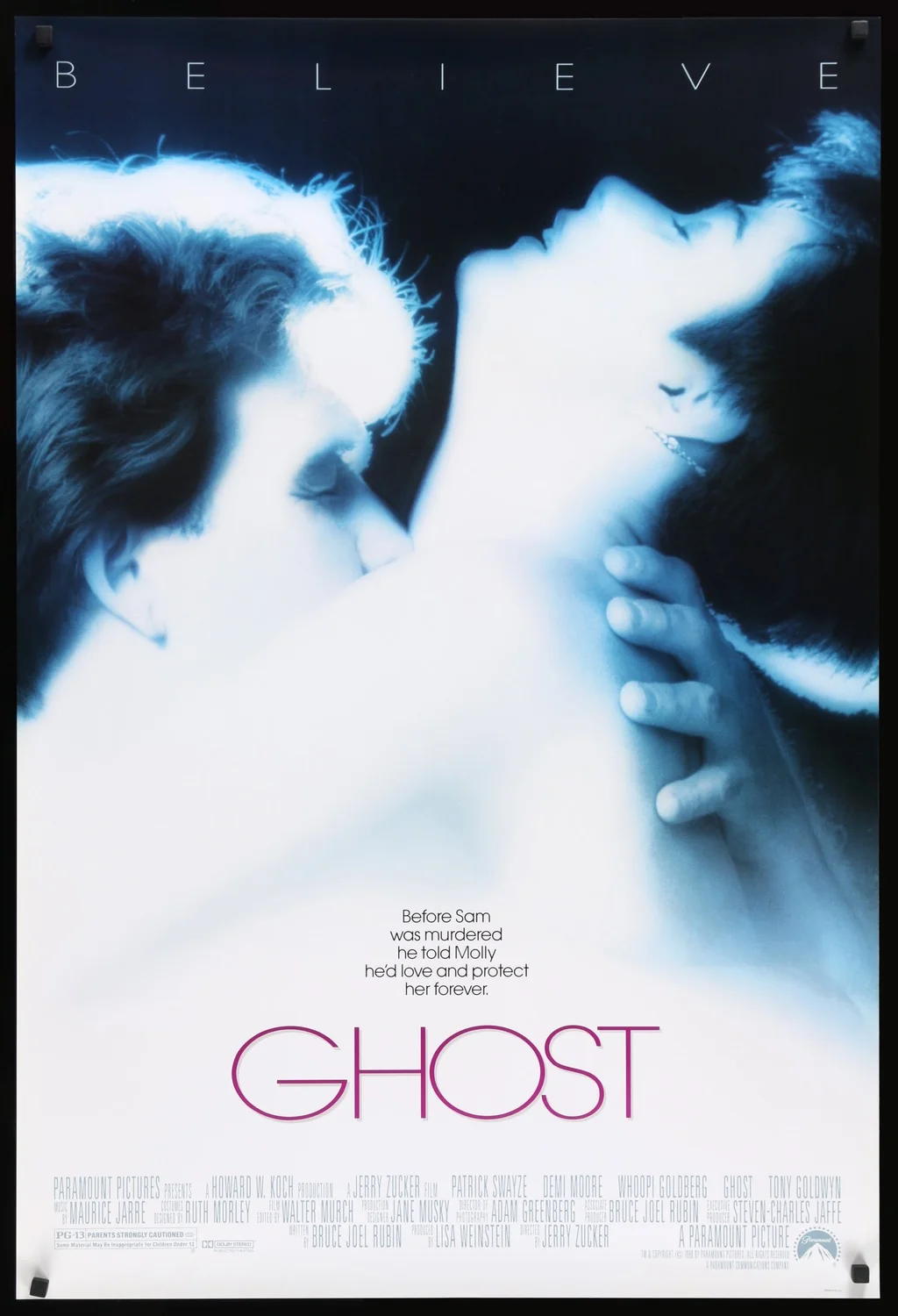
1990 // VHS
Ghost
A murder mystery disguised as a love story — with a man who won’t stop watching over the person he loves.
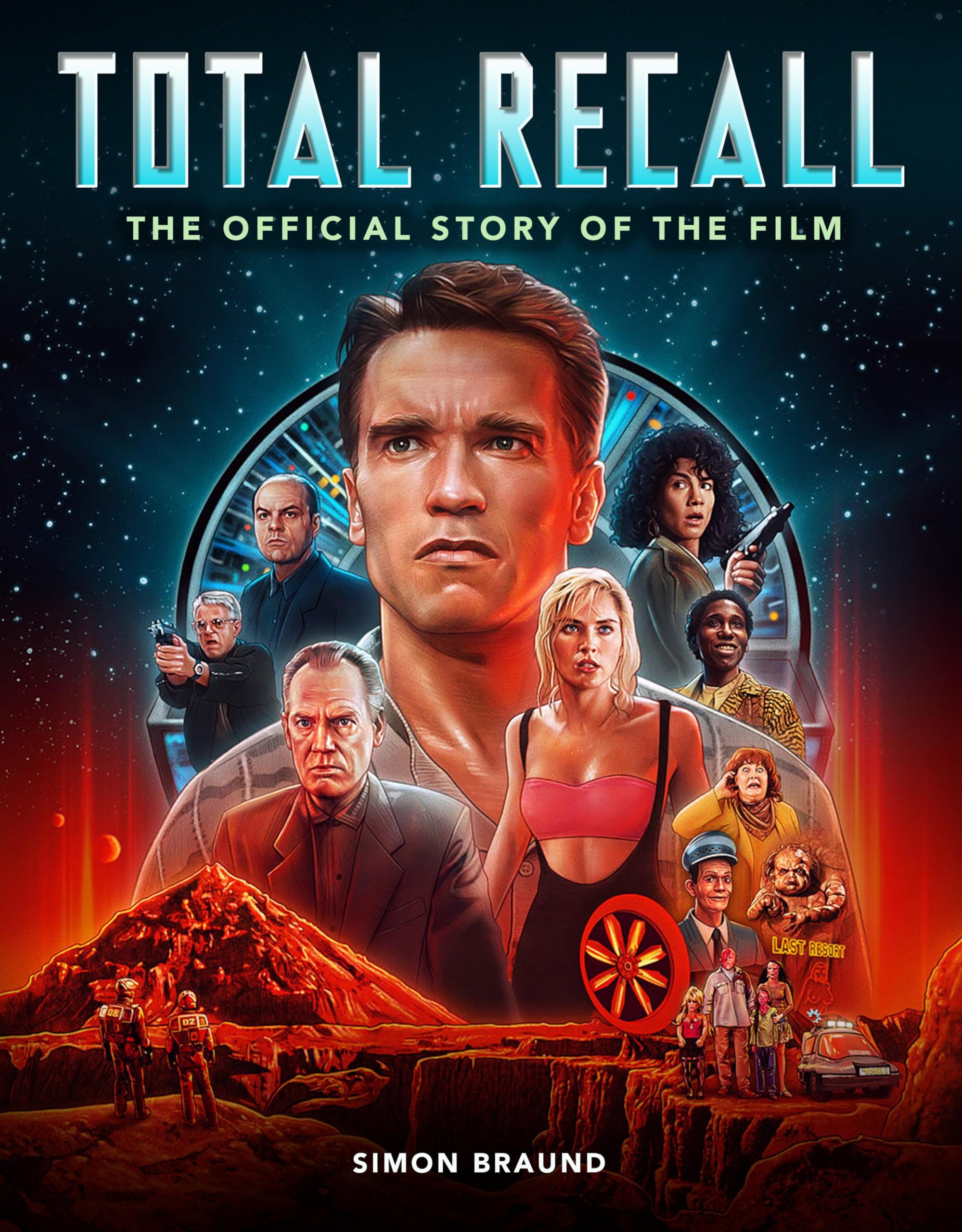
1990 // VHS
Total Recall
Memory, muscle and a very faulty holiday package — with Mars on the itinerary.