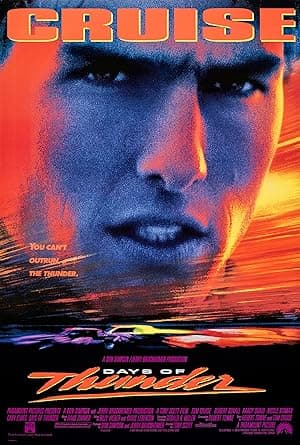
Days of Thunder
Fast cars, fragile pride and a driver who needs to be taught how to win — again.
// The setup
PLAYBACK STARTED
There are films you remember for one thing and Days of Thunder is stubborn about what that thing is: Cole Trickle hurtling into trouble and refusing to stay down. Tony Scott gave it the throttle, Tom Cruise gave it the need to prove himself, and the whole package still hums when it chooses speed over subtlety.
THE MOVIE
Cole Trickle is still the reason this movie works
Mention Days of Thunder and most people picture Tom Cruise in a racing suit rather than a suit-and-tie drama. That simple image is telling: the movie is built around a single combustible personality, Cole Trickle, a hungry young driver whose ambition pushes him into NASCAR and straight into the orbit of people who either build cars or sell dreams.
From the off the story fixes on competition. A Charlotte test where Cole posts a faster time than the established driver Rowdy Burns immediately sets up a rivalry that matters on and off the track, and it gives the film a clear engine: proving, and being proven against.
Tony Scott steers the whole thing with a producer team deliberately following the high-speed template they'd used before. The result is a punchy, star-focused sports romance — 107 minutes of spectacle that keeps returning to one question: how much risk will this young man take to become the man he thinks he needs to be?
THE SETUP
The idea that sets Days of Thunder in motion
This isn't a think-piece about racing; it’s a straightforward career story. Cole Trickle is discovered and plugged into a team — a crew chief who builds the cars and a promoter with an eye for opportunity — and the film largely watches how that arrangement holds up when pressure comes calling.
The dramatic engine is simple and effective: a talented outsider arrives, relationships form, and speed exposes both talent and flaws. That clarity keeps the film moving without getting bogged down in mechanics.
On the credits side, the screenplay sits with Robert Towne while the story credit is shared, which gives the picture a mix of classic screenplay craft and a star's stamp on the outline.
Put another way: it’s a sports movie with romance and action threaded through a rookie’s ascent, and the setup is compact enough that the races can actually matter.
THE CHARACTER
Why Cole Trickle matters
Cole Trickle matters because the movie funnels almost everything through his appetite. He isn’t a mystery to be solved; he’s a force to be steered. The story asks whether raw ambition can be channelled into something that lasts.
His arrival into NASCAR — beating the incumbent at a test — is the sort of blunt, narrative shorthand that makes him memorable. It immediately creates stakes: he’s not only chasing wins, he’s chasing acceptance and status in a tightly policed world.
That dynamic is precisely why the mentor–protégé relationship with the crew chief exists. Cole needs someone who can teach him how to race smarter, and the film invests in the friction and eventual reliance between the rookie and his elders.
Finally, the rivalry with Rowdy Burns clips the edges off Cole’s swagger. It turns professional competitiveness into something personal, which the film uses to raise the cost of mistakes and make his choices feel consequential.
THE PERFORMANCE
Why Tom Cruise's performance matters
Contemporary reviewers singled out Tom Cruise’s charisma and screen presence even as they found the script wanting. That’s a useful distinction: the film leans on its lead to sell the story and, for better or worse, Cruise is the instrument doing the selling.
Because the role is essentially about a man who won’t stop proving himself, that star quality is important. The movie needs someone who feels propelled rather than merely acted — someone who can carry the film’s insistence that the driver’s inner life is as urgent as the crashes.
In short, Cruise’s presence makes the central gamble of the movie feel like a bet worth watching.
UNDER THE SURFACE
Days of Thunder has more on its mind than the plot suggests
On paper it’s a sports drama, but the film keeps returning to teacher-student dynamics. The mentor–protégé thread is the spine: a veteran builder teaches a hotshot how to survive and, crucially, how to be part of a team.
There’s also a blunt conversation happening about masculinity and rivalry. The film stages competition as a way to test identity — not only who is fastest, but who can take a hit and still come back with any dignity.
Risk and redemption are baked into the racing beats. Crashes and scares aren't just spectacle; they function as moral and professional turning points that force characters to change their terms of engagement.
And because this is a stadium-sized studio movie, the spectacle itself — the commercial energy of big-time sport — is part of the point. The film is interested in how sport becomes theatre and how that theatre reshapes the people inside it.
THE FILMMAKING
How Days of Thunder was put together
The film’s racing feel comes from how it was shot and assembled. Multiple editors are credited on the final cut and the race sequences were covered with large multi-camera rigs — choices that point straight to a priority: make the speed feel immediate and continuous.
They didn’t fake the action from a desk. Hendrick Motorsports built specially modified picture cars fitted with camera crash boxes so the filmmaking could get close enough to feel dangerous without being reckless.
That collaboration with real racing hardware and crews gave the film a patina of authenticity that critics noticed: the racing cinematography and the music were singled out on release as where the movie genuinely earned its pulses.
In short, the movie is put together like a technical demonstration of how to film races for big audiences — less interested in stealth and more interested in being visceral.
PRACTICAL EFFECTS
The effects work that gives Days of Thunder its physical personality
The production leaned hard on practical solutions to get authentic racing footage. Special picture cars were equipped with front- and rear-mounted camera rigs and crash boxes so the photography could be both close and safe — or as safe as a car at speed can be.
Some of those cars weren’t confined to closed sets: a handful were actually entered in real NASCAR events and driven by professional drivers to capture believable competitive footage.
The shoot bought dozens of race cars for these purposes, and the production realities showed — only a small number of those vehicles survived until the end of filming.
Not everything went neatly: an American Humane Society investigation later recorded a staged beach sequence that negligently killed two seagulls. It’s an ugly footnote to the physical ambition behind the movie.
PURE 80S
Days of Thunder could not belong to any other decade
This film is a late-1980s studio beast in 1990 clothing: it reunites the creative machinery that built action spectacles in the decade before and serves up a familiar promise — big set pieces, a charismatic star, and a widely pitched emotional hook.
That production DNA matters because it shapes choices throughout: the movie privileges spectacle and star energy in ways the earlier, quieter motorsport dramas didn’t.
Shooting on real tracks and involving real racing teams — choices that were expensive and logistically bold — speaks to a time when studios backed large-scale, demonstrative filmmaking as a crowd-pleasing formula.
In short, the film is of its moment: a transitional piece that wears late-80s blockbuster instincts on its sleeve as it strides into the 1990s.
WATCHING IT NOW
What has aged — and what hasn't
If you watch Days of Thunder now on a crisp home-video transfer, the racing sequences still hold up. Recent restorations emphasise the wide-screen cinematography and speed, and those elements benefit noticeably from modern 4K remastering.
The score — the Zimmer-influenced instrumental work and the guitar flourishes — remains an effective propulsive texture. Both critics then and later have pointed to the music and the races as the film’s durable pleasures.
Where it shows its age is in the unevenness of the screenplay and character work. That criticism isn’t new: reviewers at the time and in subsequent coverage have continued to find the narrative development and originality patchy.
So as a viewing experience today it divides cleanly: watch for the rush; lower your expectations for subtle character building.
THE LEGACY
Why Days of Thunder still matters
Part of the film’s afterlife is its sound and image package. The score—credited to Hans Zimmer with guitar work on the record—gave the film a muscular soundtrack that still turns up in discussions of the movie’s best moments.
Paramount has invested in preserving that look: a 4K remaster supervised by one of the producers has put the racing back at the centre of home-video presentations, which helps the film speak cleanly to new viewers.
Its collaboration with NASCAR left tangible traces: real drivers cameo, real teams were involved, and those connections mean the movie still pops up in motorsport coverage and promotional tie-ins.
So even if the screenplay isn’t widely celebrated, the film endures through its sensory impact and the very public partnerships that kept it close to the real sport.
THE VERDICT
Does Days of Thunder still hold up?
Yes — if you go for what it set out to do. The film tracks a talented young driver recruited into NASCAR, plugs him into a team led by a veteran builder, and then lets racing and rivalry do the emotional heavy lifting. That setup drives everything that follows.
The movie earns its keep with on-track drama: a major crash becomes a turning point that forces the protagonist to confront fear, repair his relationships with his crew, and rethink how he races. Those beats are simple but effective; they give the spectacle a human price.
Where to be cautious: the screenplay’s uneven character development is a real limit. The central mechanics — mentor and protégé, a career-threatening injury, an escalating rivalry — are solid, but they aren’t always explored with the nuance some viewers might want.
So should you watch it today? If you want high-octane camerawork, a score that propels the picture, and a compact story about a young man learning to carry responsibility, yes. If you need a subtle character study, temper your expectations. Days of Thunder still works best when you let it be loud, fast and, occasionally, righteous.
Share this movie
// Keep watching
More movies from the 90s
If Days of Thunder is your kind of movie, there's plenty more on the shelves worth rewinding.
1990 // VHS
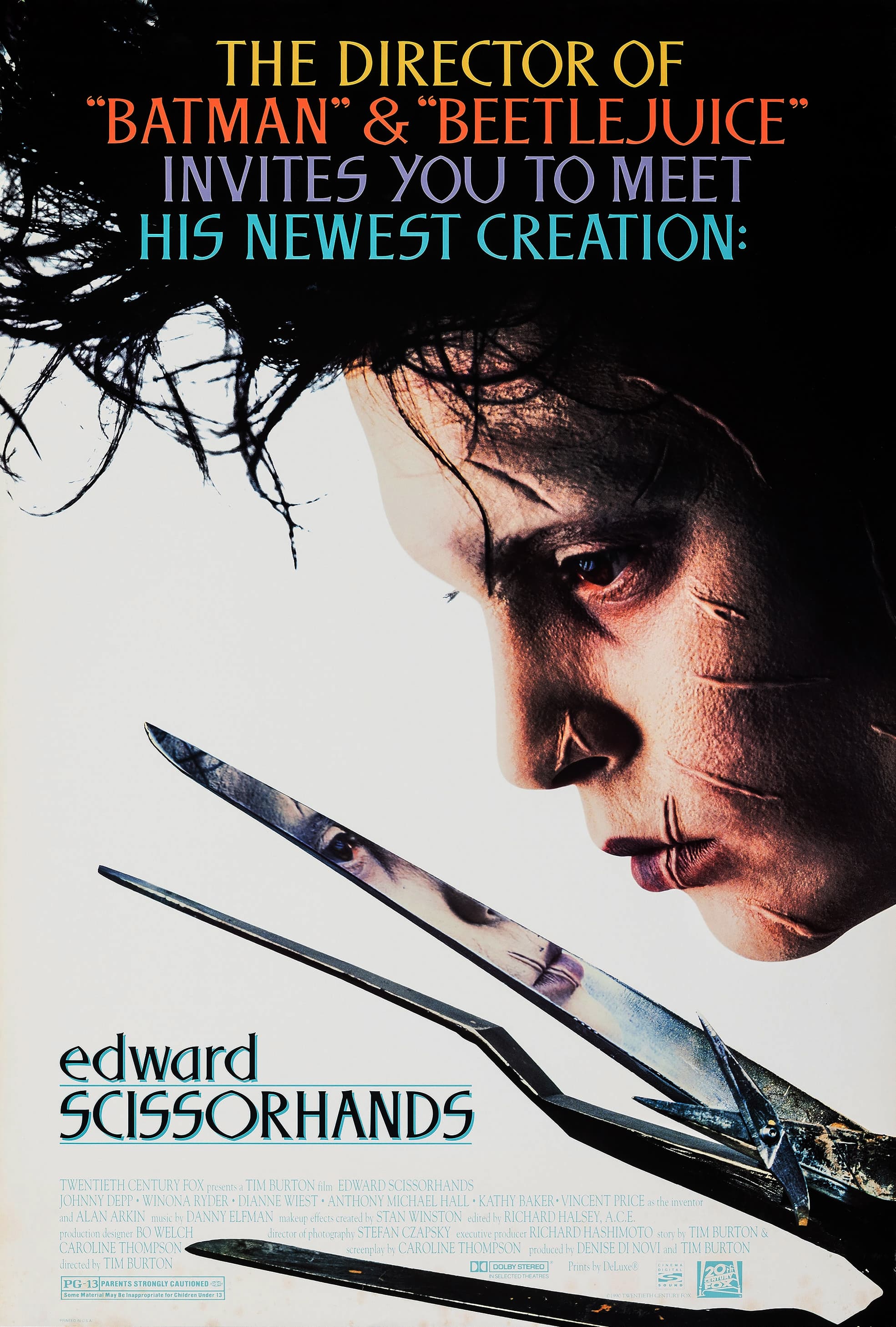
Edward Scissorhands
A fairy tale about a man who can’t quite touch the world — and the neighbourhood that can’t quite handle him.
1990 // VHS
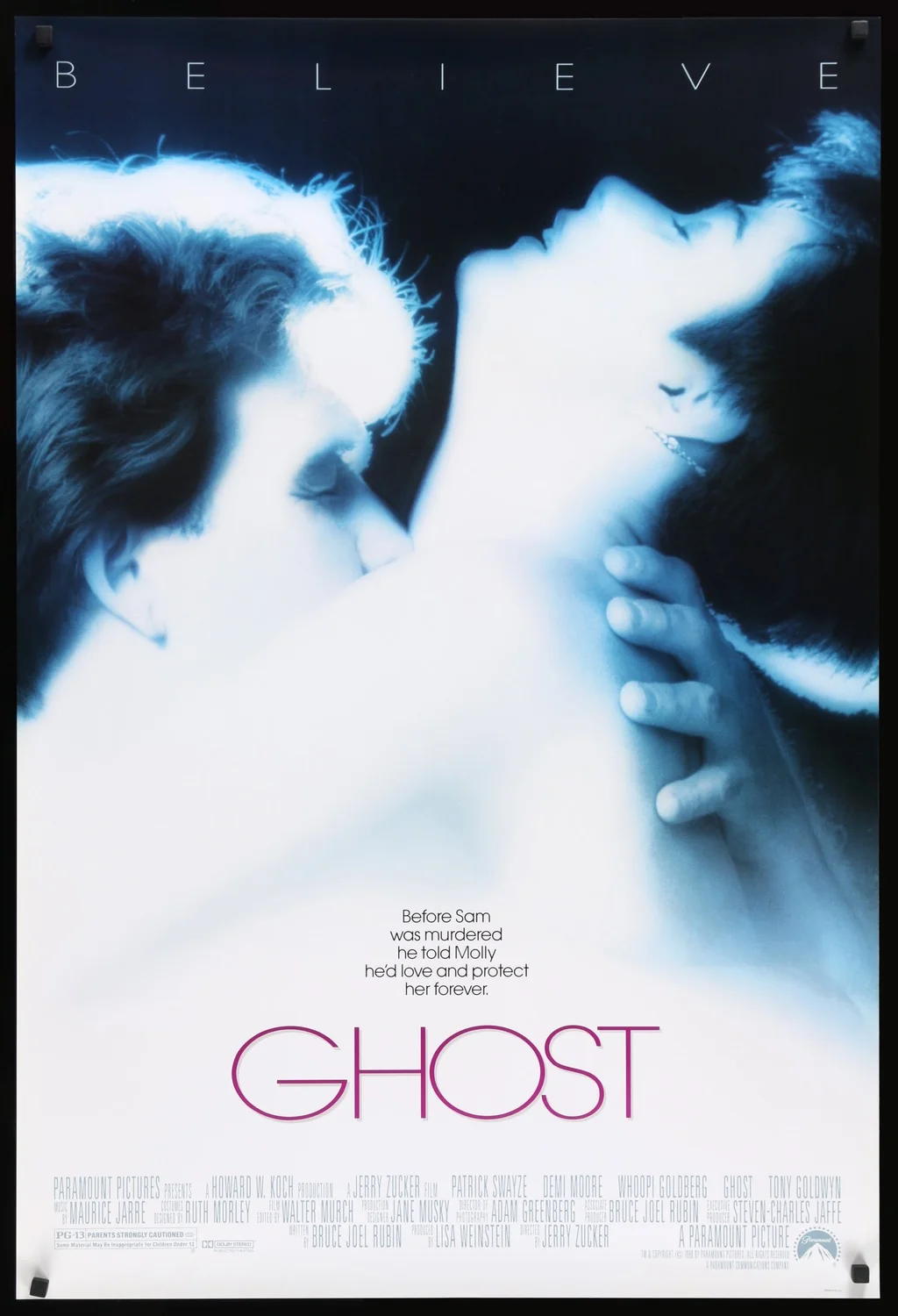
Ghost
A murder mystery disguised as a love story — with a man who won’t stop watching over the person he loves.
1990 // VHS
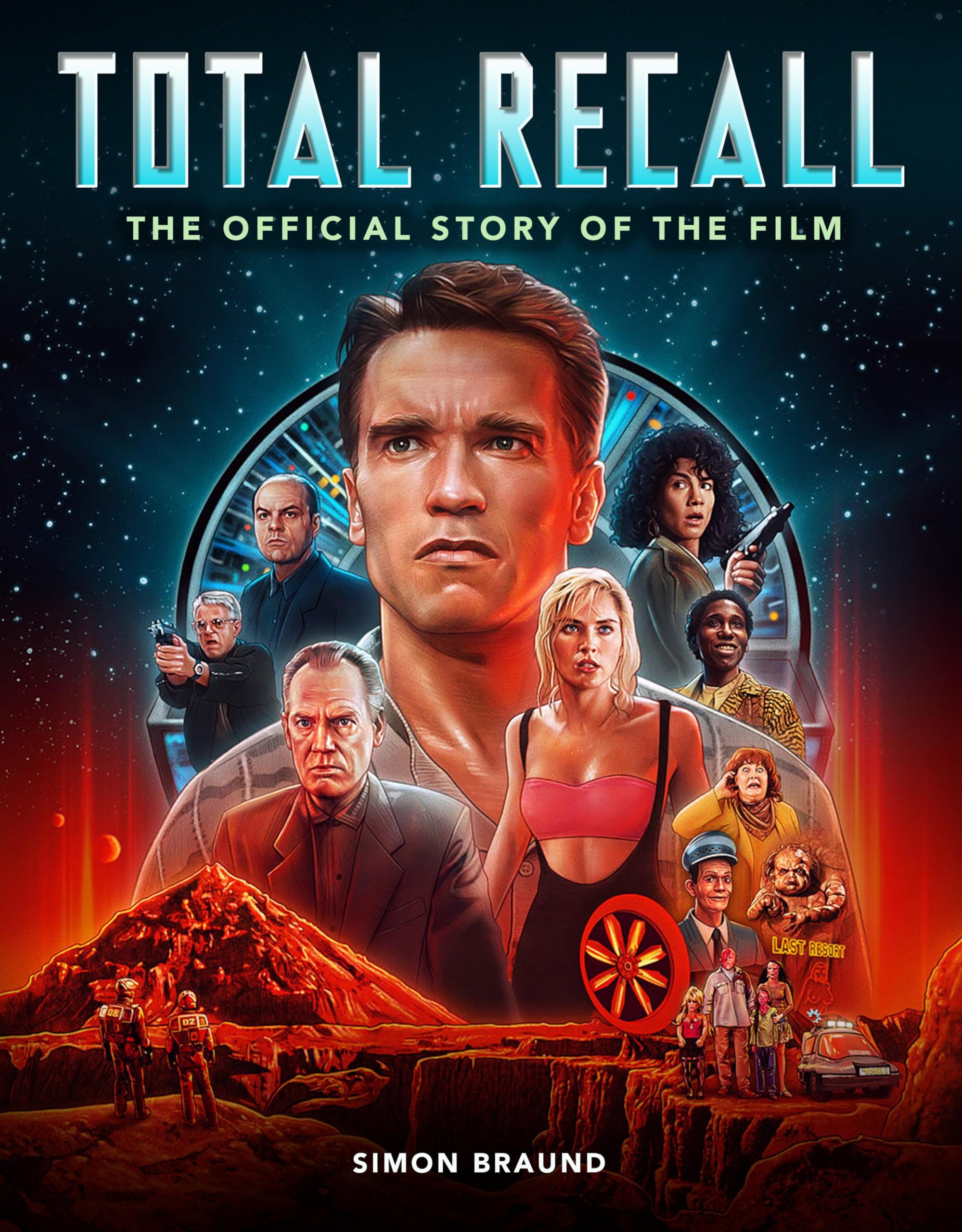
Total Recall
Memory, muscle and a very faulty holiday package — with Mars on the itinerary.