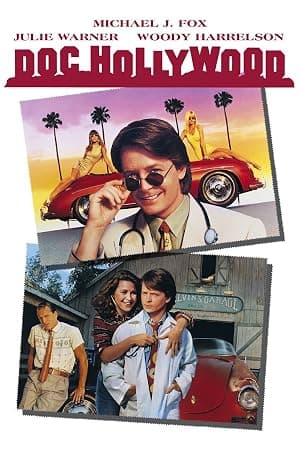
Doc Hollywood
A driven city doctor, a broken fence and a small town that won’t let him be in a rush.
// The setup
PLAYBACK STARTED
Doc Hollywood is the kind of 1991 comedy that keeps turning up in conversations about career choices and small‑town stubbornness. Michael Caton‑Jones’s film pins its charm on one clear idea: what happens when an ambitious young doctor’s plans collide with a place that measures worth in usefulness rather than status.
THE MOVIE
Dr. Benjamin "Ben" Stone is still the reason this movie works
You can reduce Doc Hollywood to a neat premise: an ambitious young emergency‑room doctor heading to Los Angeles bangs into a judge’s picket fence and is sentenced to community service at the town hospital. That collision — literal and figurative — sets up every joke, compromise and flare of annoyance that follows.
What keeps the picture alive is Ben Stone himself: a career‑first medic whose plan is to trade life‑saving scrambles for a lucrative spot as a Beverly Hills cosmetic surgeon. The film rests on the tension between that single‑minded drive and a small town that runs on different assumptions about what success looks like.
Directed by Michael Caton‑Jones and running a neat 103 minutes, Doc Hollywood packages that fish‑out‑of‑water clash into a warm romantic comedy with a clear moral tug: community and usefulness versus status and speed. Michael J. Fox plays Ben, and the story’s legal sentence to work at Grady Memorial — the judge’s punishment for the fence — is the simple engine that forces the argument.
THE SETUP
The idea that sets Doc Hollywood in motion
The movie’s mechanics are unshowy and clever: a court order keeps Ben in town, his car keeps breaking down, and a string of medical emergencies gives him chances to prove what he actually does best. Those elements stop the plot from being a parked concept and make the town’s needs a practical test of Ben’s priorities.
At heart the conflict is straightforward — Ben’s hunger for a high‑paying cosmetic‑surgery life versus the responsibilities and ties that crop up when he’s forced to stay. The community isn’t an abstract ideal; it’s a rhythm of emergencies, phone calls and people who need someone to turn up.
Along the way Ben rubs up against local figures, earns grudging respect by handling crises he didn’t expect to see, and develops a romantic connection with a local woman who embodies the town’s practical values. Those beats keep the story moving without turning it into a lecture about life choices.
The fence, the judge’s sentence to work at Grady Memorial and the recurring car troubles are not random cosy quirks. They’re plot devices that lock Ben in long enough for his professional assumptions to be tested and for the town to change his standing — one emergency at a time.
THE CHARACTER
Why Dr. Benjamin "Ben" Stone matters
Ben Stone matters because he’s written and positioned as a living argument. He’s not merely a romantic lead; he’s the embodiment of the film’s central choice — whether to chase status or stay and be useful.
That setup gives the whole comedy its teeth. When Ben shows up, he already has a future arranged: a Beverly Hills cosmetic practice. Which makes his being stranded feel like a forced job interview for goodness rather than for money.
Casting him as Michael J. Fox is a tidy piece of business — the movie needs someone who can sell impatience without being unreadable, and the fact that the part is identified so plainly in the credits keeps the drama simple and immediate.
You don’t have to like Ben at first. The film asks you to watch him be worn down and rearranged by the town’s demands, then decide whether that change is genuine. It’s a character study disguised as a crowd‑pleaser.
UNDER THE SURFACE
Doc Hollywood has more on its mind than the plot suggests
Beneath the rom‑com wrapping, the film is quietly arguing about what counts as a good life. The plot’s choices — career versus community, staying versus leaving — are not moralised sermonising; they’re practical conflicts about responsibilities and local usefulness.
The fish‑out‑of‑water tag is accurate but not the whole story. Ben’s comedy of culture clash gives the movie its jokes, yes, but it also sets up a more serious question: can someone trained to value prestige rethink how to measure their own worth?
Romantic reconciliation is part of how the movie resolves that question. The local love interest is not only a romantic prize but a foil who represents staying, doing work that matters to neighbours, and a life measured in usefulness rather than glossy titles.
Professional ethics sits alongside sentiment. Ben is a doctor first; the film keeps returning to whether he will treat people as patients or as career stepping stones. That tension is what gives the film emotional weight beyond its punchlines.
PURE 80S
Doc Hollywood could not belong to any other decade
Although released in 1991, Doc Hollywood fits neatly into an early‑1990s wave of mainstream films that wanted to argue, simply and clearly, against greedy careerism and for community roots. It reads as part of a moment when the idea of ‘back to basics’ had commercial as well as sentimental appeal.
That cultural placement helps explain the movie’s tone. The filmmakers shape the story so the town’s needs feel urgent and practical rather than quaint — a point that lets the film carry its argument without becoming a lecture.
There’s nothing arch about its anti‑status stance. It’s pitched as comfortable civic common sense, which is why the film’s central moral choice reads as a mainstream plea rather than an arty manifesto.
Timing matters. Coming out in the summer of 1991, Doc Hollywood landed in a cultural moment ready to buy stories about ordinary usefulness and the costs of ambition when they were told with a light touch.
THE LEGACY
Why Doc Hollywood still matters
Part of the film’s afterlife is practical: it’s adapted from Neil B. Shulman’s 1979 novel What? Dead…Again?, and Shulman stayed involved as an associate producer. That connection keeps the movie tethered to its roots as a story about medical professionals and local obligations.
Commercially, Doc Hollywood did well enough to become a reliable reference point for this kind of story; it opened widely in August 1991 and went on to a strong domestic run, earning a healthy theatrical gross.
Critics and reviewers have kept the film in the conversation by using it as a comparison point. Later pictures with the ‘arrogant outsider learns small‑town values’ arc are frequently set beside Doc Hollywood to show how the shape of that plot can be remodelled for different audiences.
So the movie matters because it combined a readable moral argument with mainstream appeal. It’s not a mythic origin story for a genre, but it’s a clear, compact example of a narrative that other films keep referencing.
THE VERDICT
Does Doc Hollywood still hold up?
Yes — provided you want a neat, amiable story about priorities rather than a trench‑level moral debate. Doc Hollywood’s central engine is simple: Ben crashes into a fence, is ordered to perform community service at the town hospital and, over a compact runtime, is forced to answer whether he values prestige or usefulness more.
That clarity is its strength. The film uses practical story mechanics — the legal sentence, repeated car trouble and medical emergencies — to make the town’s needs unavoidable. It’s a neat way to make an argument without trudging through lectures.
The supporting pieces matter too: the local romantic interest who stands for staying and practical values, the elderly doctor whose vulnerability forces professional reassessment, and civic figures who actively recruit Ben because the town genuinely needs medical services. Those relationships make his choice feel like a real consequence, not just a symbolic gesture.
If you’re in the mood for a warm, readable romantic comedy that asks a tidy question and answers it without preening, give Doc Hollywood another watch. It’s the kind of movie that still works when you want your moral dilemmas handed over with a smile.
Share this movie
// Keep watching
More movies from the 90s
If Doc Hollywood is your kind of movie, there's plenty more on the shelves worth rewinding.
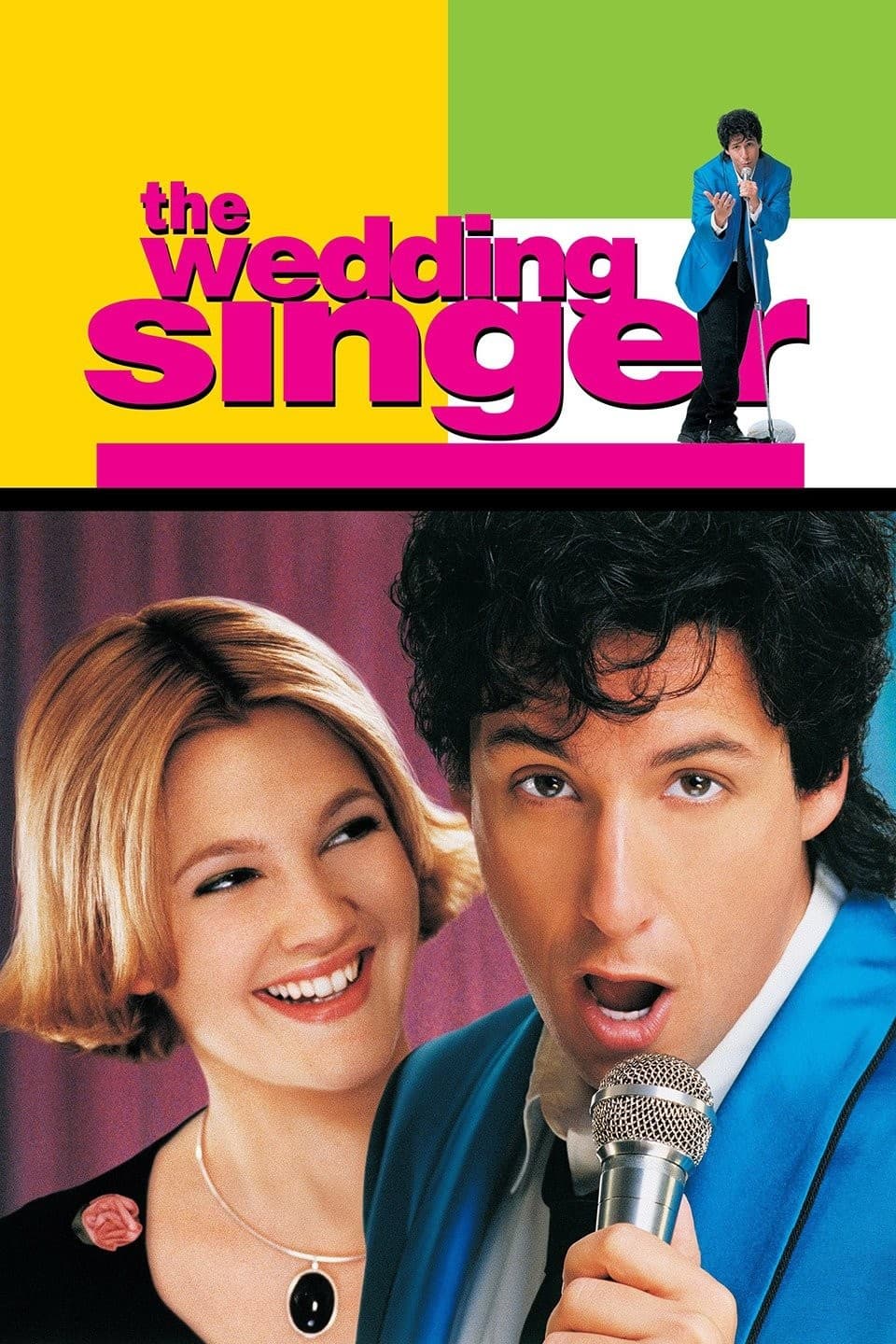
1998 // VHS
The Wedding Singer
A love story wrapped in 1980s pop — and carried by one very earnest wedding crooner.
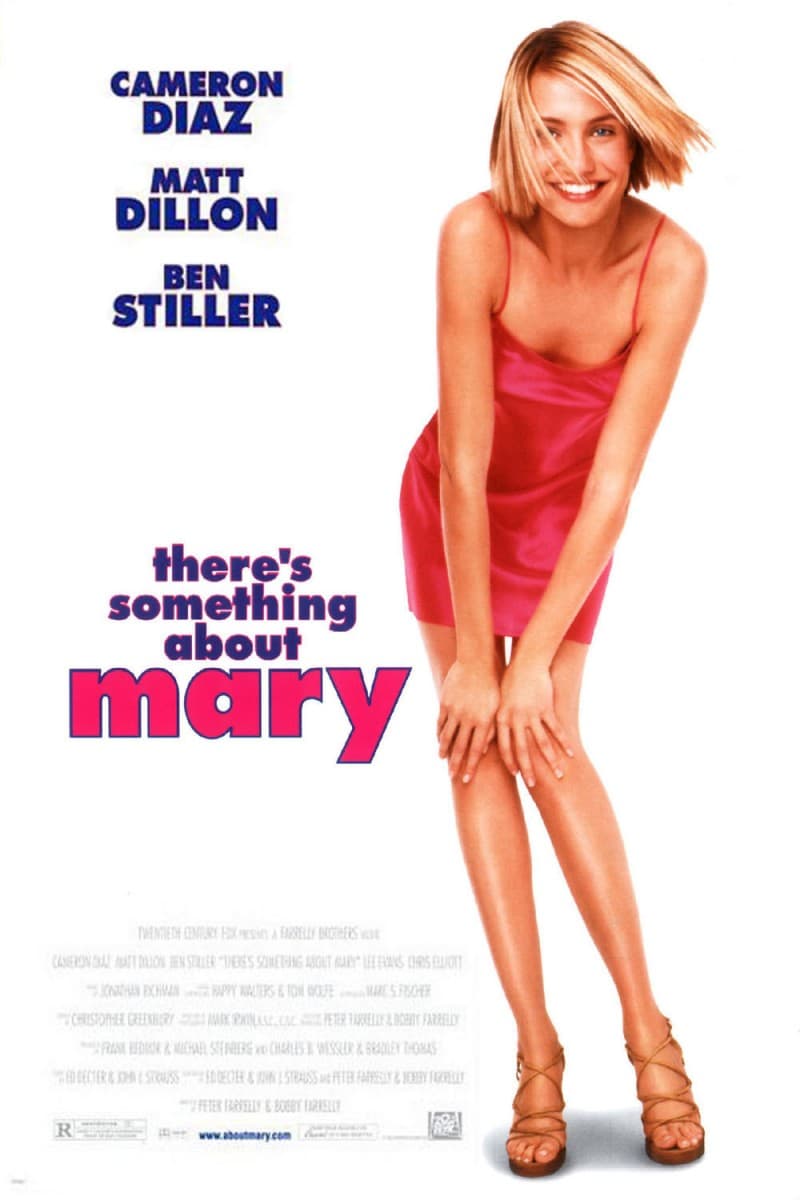
1998 // VHS
There's Something About Mary
Romantic obsession, awkward masculinity and a hair‑gel gag you can't unsee.
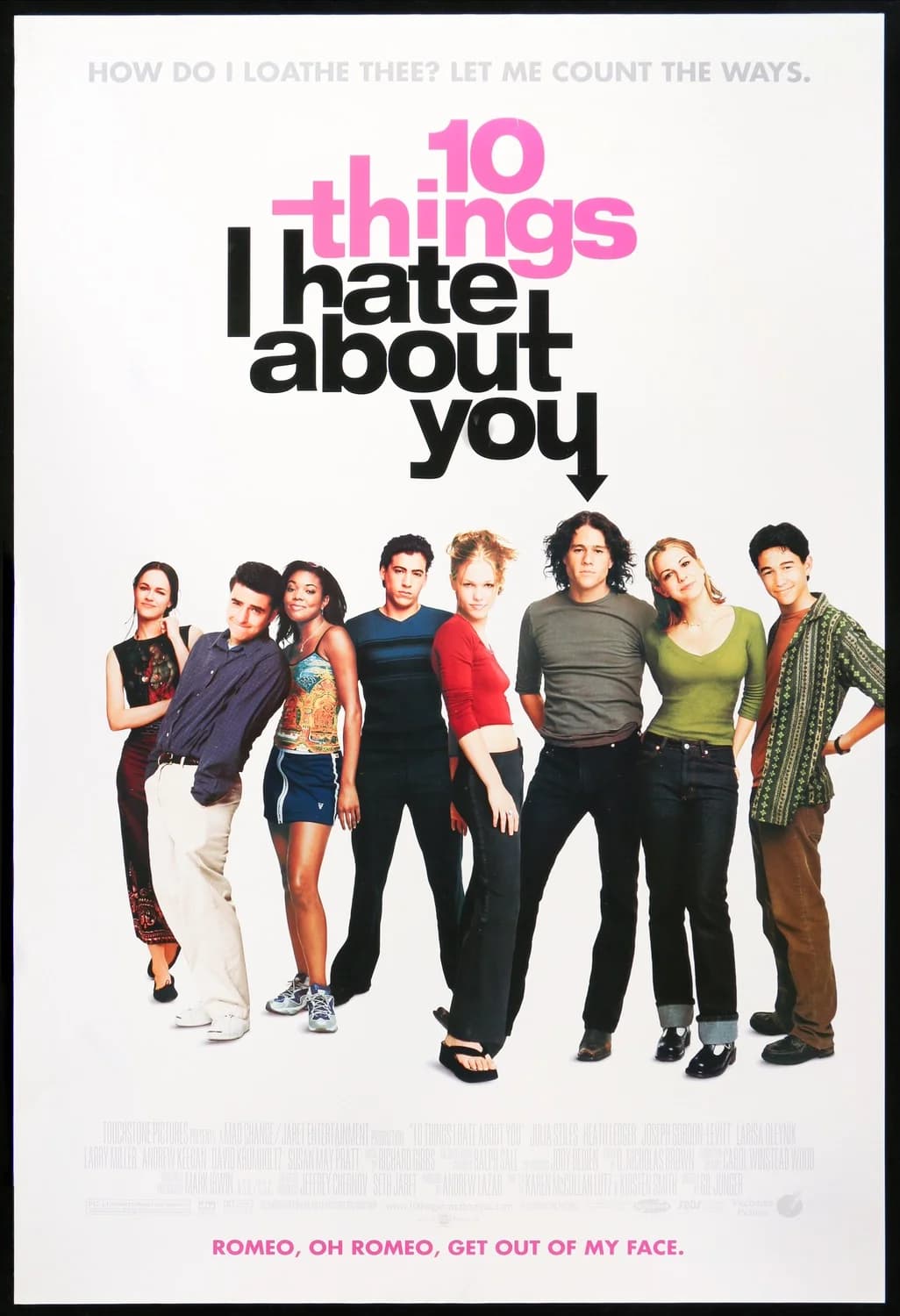
1999 // VHS
10 Things I Hate About You
Sibling rules, a rooftop serenade and one very stubborn Kat — Shakespeare in a school corridor.