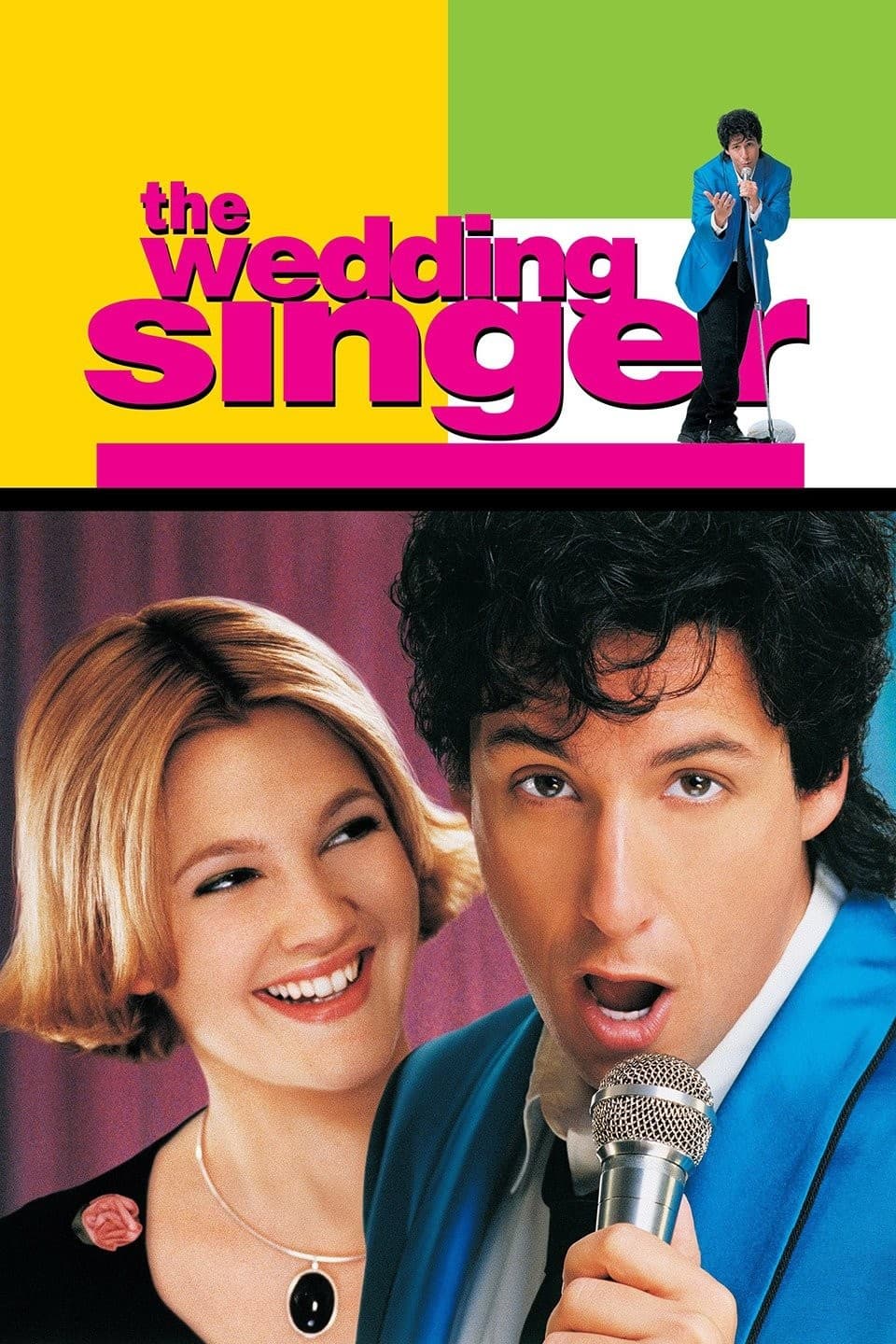
The Wedding Singer
A love story wrapped in 1980s pop — and carried by one very earnest wedding crooner.
// The setup
PLAYBACK STARTED
Robbie Hart is the sort of lead who makes you forgive a lot of rom‑com silliness: he sells the idea that someone who performs other people's happiest moments can be heartbreakingly bad at his own. Frank Coraci's The Wedding Singer uses that neat tension — showbiz polish versus private mess — to land jokes, sadder beats and a surprisingly warm romance.
THE MOVIE
Robbie Hart is still the reason this movie works
Talk to anyone about The Wedding Singer and you’ll end up talking about Robbie Hart. Adam Sandler’s wedding‑night disaster — a public leaving at the altar — sets up a very specific kind of romantic comedy: the entertainer who must learn to stop performing feelings and start feeling them for real.
That friction — public persona versus private fallout — is what pushes the film forward. Robbie meets Julia, a waitress who works the very venues he performs in, and their awkward, slow‑burn connection becomes the emotional spine while Julia is attached to someone else.
Frank Coraci directs with a clear idea: this is a romantic comedy that lives inside 1985. The period detail and the licensed new‑wave and pop soundtrack do more than wink at the audience; they frame the characters’ world and give the film its particular comic flavour.
THE SETUP
The idea that sets The Wedding Singer in motion
The basic pitch is straightforward and effective: set the film in 1985 and centre it on a professional wedding singer who becomes the victim of his own romantic farce. That public humiliation — being left at the altar — is not just a gag; it’s the thing that makes Robbie brittle at every subsequent wedding he plays.
Robbie crosses paths with Julia, a waitress at his gigs, and their friendship grows into something more while Julia is engaged to another man. Those mechanics keep the story tidy: workplaces double as meeting points, and the wedding set‑pieces provide ready‑made comic and emotional payoffs.
The film repeatedly uses the weddings themselves — plus the era’s music — as both set‑ups for jokes and as narrative beats that nudge the two leads toward each other without turning into a full plot lecture.
It’s compact storytelling: a personal crisis that plays out in public spaces, with music and ceremony doing a lot of the emotional heavy lifting.
THE CHARACTER
Why Robbie Hart matters
Robbie is memorable because he’s built around a single, clarifying contradiction: he’s an entertainer who sells other people’s joy for a living, yet he can’t find his own. That contrast gives nearly every scene a touch of pain beneath the jokes.
The film layers him into a community — friends like Sammy and relatives like Holly — so he isn’t an island of heartbreak. Those relationships do the work of showing what Robbie values and what he risks losing, rather than spelling it out.
The weddings and the supporting cast populate the world in a way that keeps Robbie’s life feeling lived‑in. The comic foils and cameos fill out the marriage‑obsessed milieu he navigates, which makes his slow thaw toward Julia feel earned within the movie’s rules.
And because this was Sandler and Drew Barrymore’s first on‑screen pairing, the movie relies on that spark between their characters to carry both the laughs and the softer moments.
THE PERFORMANCE
Why Adam Sandler's performance matters
Contemporary coverage of the film repeatedly pointed to the chemistry between the two leads as one of its main assets. Reviews of the time singled out Drew Barrymore’s screen presence and the way the pair worked together.
That observation is useful here: the movie’s success depends less on showy acting flourishes and more on the feel of the relationship. If the leads click, the screenplay’s misunderstandings and timing land as intended — and critics at the time thought they did.
UNDER THE SURFACE
The Wedding Singer has more on its mind than the plot suggests
On the surface it’s a romp built from wedding gags and romantic misfires. Underneath, the film is fussed with clever little ideas: it’s a pop‑culture pastiche of the 1980s, yes, but that nostalgia becomes a shorthand for how these people understand themselves.
There’s a clear theme of emotional recovery and reinvention. Robbie’s arc is about relearning how to trust and how to move from spectacle to sincerity — not just for the audience, but for the character himself.
The movie also plays with romantic timing and sincerity. The screenplay uses misunderstandings and near‑misses as obstacles, but the story consistently returns to the question of whether Robbie can change the way he expresses love.
Finally, there’s a curious career moment here: the film recalibrated a comic star into a romantic lead. Pairing Sandler with a genuine romantic foil nudged the material away from pure gag‑driven sketch and into a warmer emotional register.
THE FILMMAKING
How The Wedding Singer was put together
Visually, the movie leans into an era feel. Tim Suhrstedt is credited as director of photography, and the look makes deliberate use of bright, era‑specific colour and production design to sell the mid‑1980s setting.
That period texture is a joint effort: Perry Andelin Blake’s production design helps populate the weddings and other sets with period details so the comedy and romance sit inside a believable world.
Technically, the film is straightforward and economical: the credits list Tom Lewis as editor along with the other principal crew, and everything is assembled to prioritise clarity — which a romantic comedy of this kind needs.
In short, the filmmaking choices are tuned to support the story and the era it references rather than to show off.
PURE 80S
The Wedding Singer could not belong to any other decade
The movie trades deliberately on 1980s pop culture: licensed new‑wave and pop songs are a core part of how it establishes period feeling and audience pleasure. The soundtrack isn’t window dressing; it’s part of the storytelling vocabulary.
It also arrived during a late‑90s run of romantic comedies that used the casting trick of pairing a comic lead with a romantic co‑star to broaden a film’s appeal. That context explains why the film feels like both a comedy and a romance.
Because much of the drama happens at weddings and the film leans on music as a narrative tool, it wears its year — 1985 — on its sleeve in a way that’s central to the joke and the tenderness.
So the 80s element is not just an aesthetic choice; it’s baked into how the characters meet, perform and ultimately connect.
THE LEGACY
Why The Wedding Singer still matters
The Wedding Singer was a commercial hit when it opened in 1998, and it’s often referenced now as one of Adam Sandler’s more enduring rom‑com vehicles. That staying power isn’t accidental: the movie found a reliable tone and a pair of leads who connected.
Its afterlife includes a Broadway musical adaptation that opened in 2006, which extended the film’s story into a different medium and underlines that the premise translates outside a single shoot.
Crucially, this was the first time Sandler and Barrymore worked together on screen. Their reunion in later films speaks to how much this pairing mattered — both to audiences and to the people who made subsequent projects.
All told, the film’s legacy rests on a mixture of crowd‑pleasing craft, a clear romantic premise and a pairing that people wanted to see again.
THE VERDICT
Does The Wedding Singer still hold up?
Yes. If you’re looking for a compact, well‑timed romantic comedy — 97 minutes of tidy set‑ups, wedding gags and the occasional soft moment — The Wedding Singer still does what it sets out to do. The inciting image (Robbie being left at the altar) remains a clever engine: it explains his behaviour at every subsequent wedding and gives the romance stakes.
The film’s mechanics are classic rom‑com: misunderstandings, near‑misses and deliberate timing create obstacles while the soundtrack and set‑pieces move the couple toward one another. That structure isn’t pretentious; it’s precisely the sort of thing this genre does best.
More importantly, the central relationship works as the film intends. Julia is written as a grounded counterweight to Robbie, and their friendship‑to‑romance arc forces him to change how he expresses love. Allies like Holly and Sammy and a roster of comic foils keep the world from feeling thin.
So watch it for the period songs, the wedding set‑pieces and the charm of two leads who click. It won’t reinvent the rom‑com, but it’s one of the more agreeable entries from that late‑90s moment — equal parts silly, sincere and, yes, a little nostalgic.
Share this movie
// Keep watching
More movies from the 90s
If The Wedding Singer is your kind of movie, there's plenty more on the shelves worth rewinding.
1998 // VHS
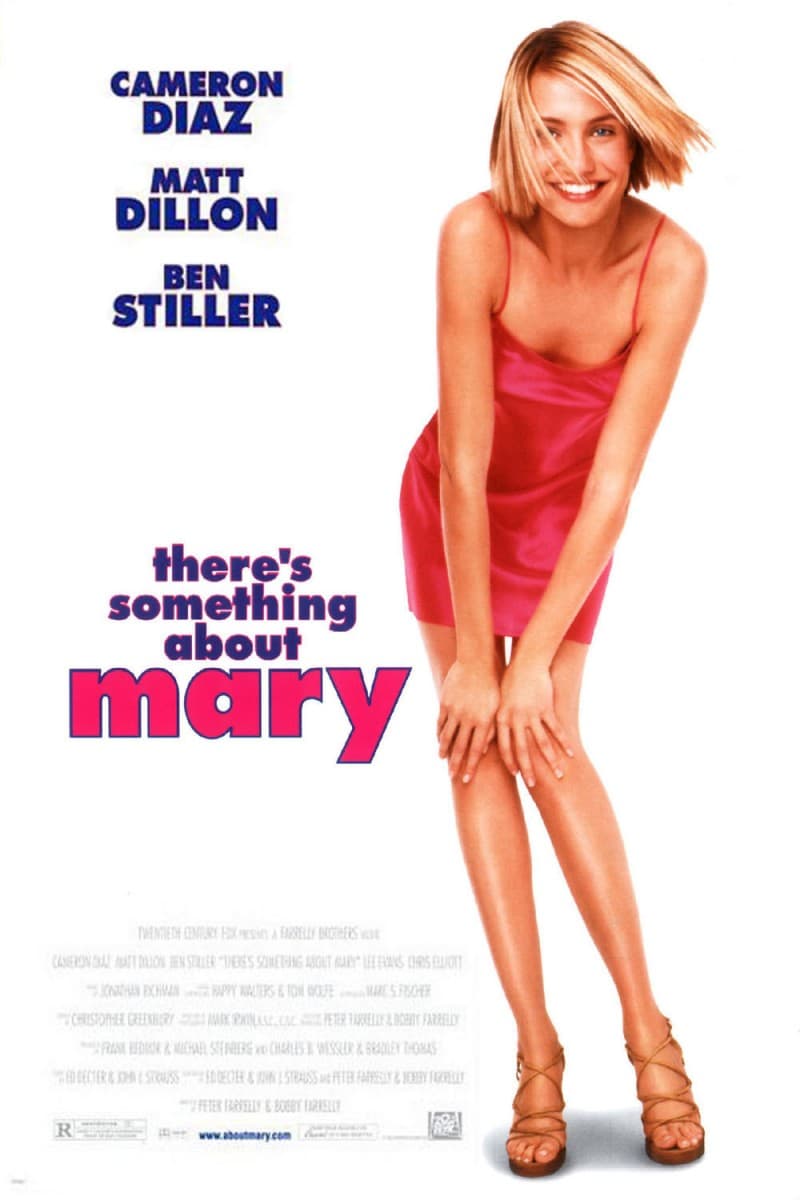
There's Something About Mary
Romantic obsession, awkward masculinity and a hair‑gel gag you can't unsee.
1999 // VHS
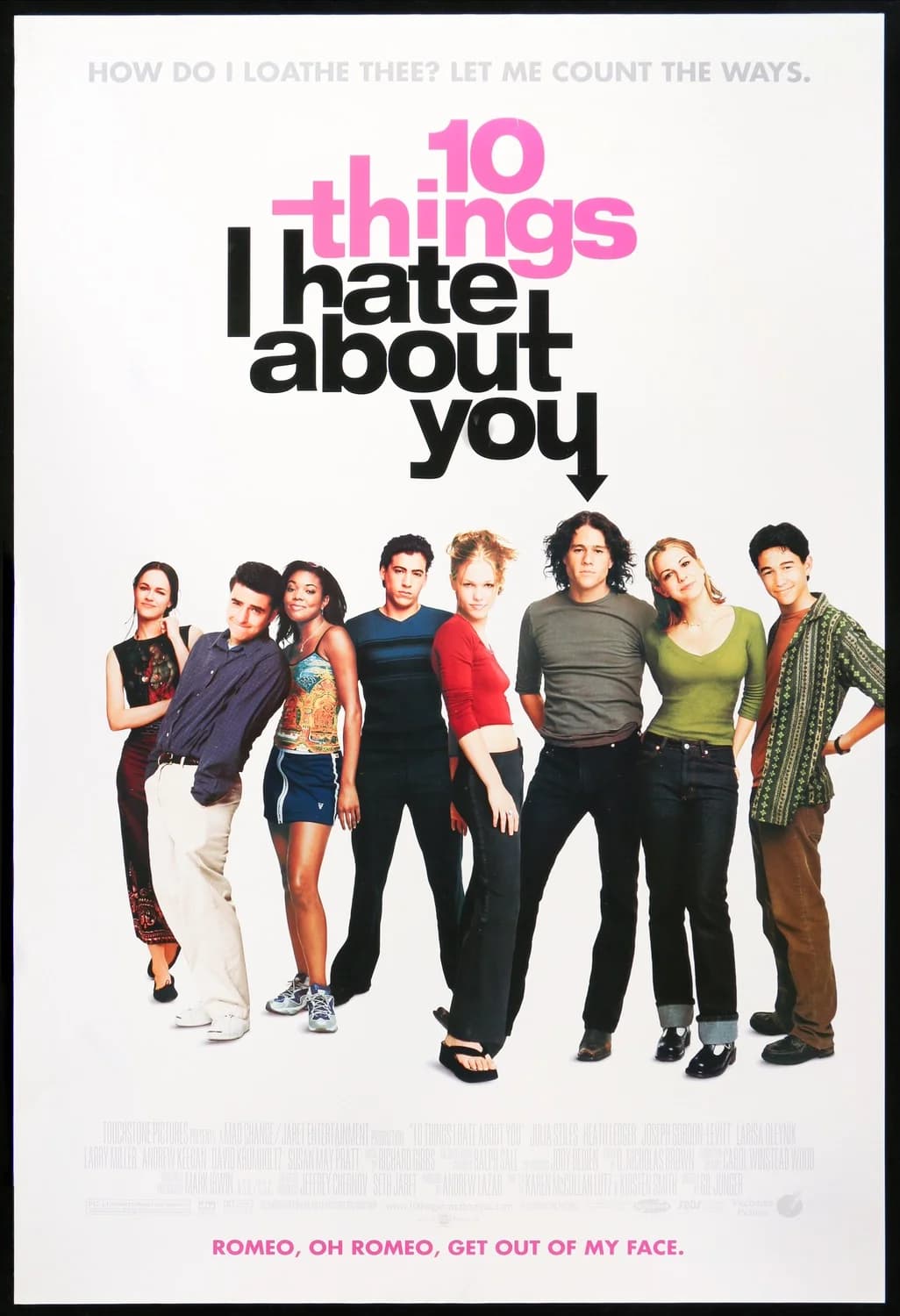
10 Things I Hate About You
Sibling rules, a rooftop serenade and one very stubborn Kat — Shakespeare in a school corridor.
1999 // VHS
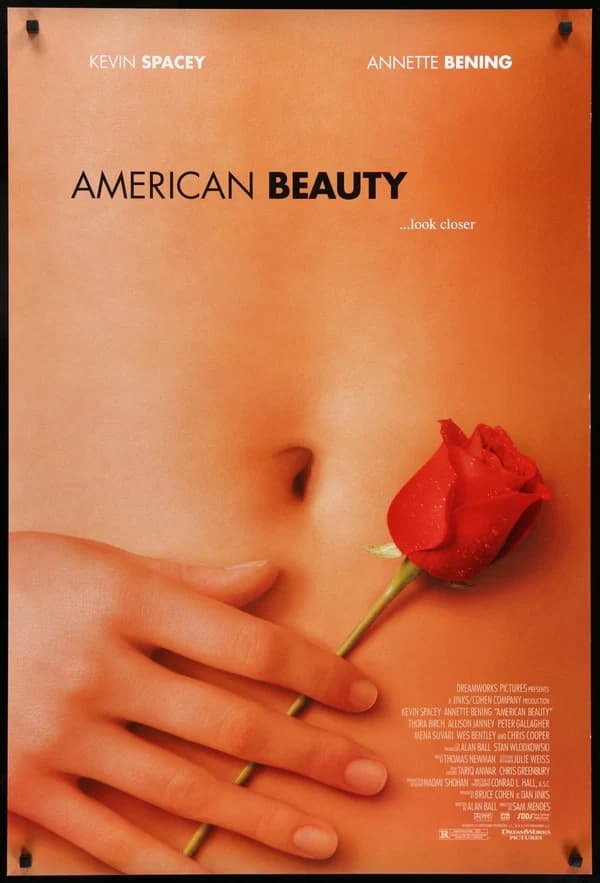
American Beauty
Lester Burnham, suburban rot and a midlife argument that still stings.