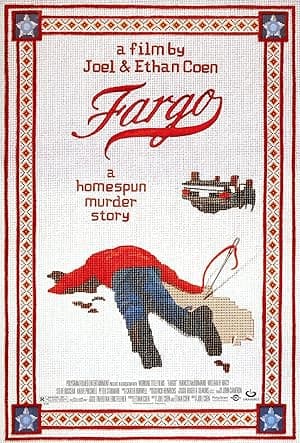
Fargo
A small-town detective, a bungled ransom and the stubborn decency that keeps everything human.
// The setup
PLAYBACK STARTED
Fargo feels like the sort of movie you settle into rather than rush through — spare, darkly funny and oddly humane. At its centre is Marge Gunderson, a seven‑months‑pregnant small‑town police chief who quietly refuses to be rattled while a greed-driven scheme unravels around her. It’s a Coen brothers’ picture: economical, strange and very particular — and worth revisiting for how it balances humour, horror and plain common sense.
THE MOVIE
Marge Gunderson is still the reason this movie works
People still talk about Fargo because it pairs a tidy, mean little crime — a staged kidnapping hatched by a desperate car salesman — with a central character who refuses to behave like the movie around her. Jerry Lundegaard’s scheme to extract money from his wealthy father‑in‑law sets everything in motion, but it’s the fallout that the film savages: bungled criminals, bodies piling up and mundane betrayals.
And the film doesn’t treat the chaos as spectacle. It’s an investigation led by Marge Gunderson, a seven‑months‑pregnant Brainerd police chief whose steadiness and close attention to detail gradually stitch the story back together. That contrast — ordinary decency against petty criminality and greed — is the movie’s steady pulse.
Joel Coen and Ethan Coen direct with a clarity that keeps Fargo tight: 98 minutes, economical, and refusing to waste a beat. Released in 1996, it’s as much about the people caught up in the mess as it is about the mess itself.
THE SETUP
The idea that sets Fargo in motion
The movie begins with a simple, miserable idea: Jerry Lundegaard, a cash‑strapped car salesman in Minneapolis, arranges for his wife to be kidnapped so he can extort a ransom from her rich father. The plan is supposed to be a straightforward fix to a money problem.
From that modest selfishness everything unravels. The two men he hires are clumsy and volatile, and their actions escalate from a staged kidnapping into real, ugly violence — including the killing of a state trooper.
What the film then does is less about flashy plotting and more about how small errors and bad choices compound. The ransom scheme, the betrayals among the conspirators and the stuttering attempts to control the situation create a web that, inch by inch, draws attention back toward the dealership and the man who started it.
Against that mess is Marge’s methodical police work: patient, plain and precise. The contrast between the bunglers and the steady investigator is what keeps the story tense without ever feeling overstated.
THE CHARACTER
Why Marge Gunderson matters
Marge Gunderson isn’t written as a cartoon heroine. She’s a working local chief; seven months pregnant, quietly competent and more interested in facts than in drama. That ordinariness is exactly the point.
She drives the investigation not through theatrics but through steady observation and a refusal to be distracted by the louder, nastier instincts around her. The movie trusts her to hold the centre while everything else frays.
Her presence gives Fargo moral ballast. When the plot’s petty cruelties and sudden violence threaten to tip the film into misanthropy, Marge’s decency reminds us there is an alternative way to be in the world.
Casting Frances McDormand in the role keeps the character grounded; Marge’s practical steadiness is built into how the story moves and how other characters are exposed by it.
THE PERFORMANCE
Why Frances McDormand's performance matters
Frances McDormand’s portrayal of Marge did not go unnoticed: contemporary awards coverage singled out the role and she won the Academy Award for Best Actress for the part.
That recognition reflects how crucial the role is to Fargo’s balance — the film rests on a performance that keeps the investigation calm and believable while the world around her turns violent and absurd.
It’s not just a trophy; the award points to how the performance anchors the film’s tone. Without that centre, the Coens’ blend of dark comedy and crime melodrama would risk sliding into caricature.
Put simply: the film’s moral steadiness is inseparable from the fact that the central part was taken seriously by reviewers and awards of the time.
UNDER THE SURFACE
Fargo has more on its mind than the plot suggests
On the surface Fargo is a crime story about a kidnapping that goes wrong. Underneath, it’s wrestling with simple but powerful contrasts: ordinary decency versus criminality, and what happens when greed dislodges the small obligations that hold communities together.
Jerry’s scheme is a case study in consequences. A single act of selfishness ripples outward, drawing a small town into moral and physical danger and revealing how fragile the social fabric can be when money is put before people.
Regional manners and identity are another beat the film returns to repeatedly: the polite, restrained interactions, the local details and the way people talk and treat one another make the nastier events feel all the more incongruous.
There’s also the banality and contingency of violence at play — the kills here are not grand statements but messy, often accidental outcomes of desperate, stupid decisions. That makes the film’s dark humour feel less like a joke and more like an observation about how quickly ordinary life can go wrong.
THE FILMMAKING
How Fargo was put together
Fargo’s world feels genuine because the production design leans into lived‑in, small‑town interiors and ordinary settings. Those choices keep the story grounded; these are people in real houses and motels, not stylised backdrops.
The Coen brothers retained editorial control as well, with editing credited to their longtime pseudonym. That tidy authorship helps explain Fargo’s unhurried economy: the film says what it needs to say and moves on.
Taken together, design and tightly controlled editing reinforce the film’s central tension between the mundane and the grotesque. The movie doesn’t dress up its violence; it places it in everyday rooms so the shock is sharper.
Those practical, restrained decisions are part of why the Coens’ tonal mix — deadpan humour alongside bleak events — lands so precisely.
PURE 80S
Fargo could not belong to any other decade
Fargo sits squarely within the 1990s indie moment: made on a modest budget (commonly reported at about $7 million), it found an audience and returned healthy box‑office receipts relative to its cost. That economy encouraged a sharper, more character‑driven approach than a studio thriller might have allowed.
Its blend of dark comedy and regional realism is very much of that period — filmmakers were pairing genre elements with honest, local detail rather than relying solely on spectacle. Fargo’s mix of crime melodrama and wry observation fit neatly into those trends.
Festival exposure and awards success were part of how the film travelled: its run at Cannes in 1996, and the attention that followed, helped consolidate the Coen brothers’ profile across mainstream and arthouse circles in the mid‑90s.
Finally, the film announces its period in a small but deliberate way: it opens with a title card placing the action in Minnesota in 1987, which gives it a specific temporal anchor even as it was released in 1996.
THE LEGACY
Why Fargo still matters
Fargo made a measurable impact at the time of release: it premiered at Cannes in 1996 where Joel Coen won the festival’s Best Director prize, and it walked into awards season with momentum.
At the 69th Academy Awards the film received seven nominations and won two, including Best Actress for Frances McDormand and Best Original Screenplay for the Coens. Those honours underline how the movie was taken seriously by both critics and the industry.
In 2006 the film’s cultural significance was formally recognised when it was selected for preservation in the United States National Film Registry by the Library of Congress.
Beyond prizes and preservation, Fargo’s afterlife includes the FX anthology that mined its tone and premise. The film remains a touchstone for stories that marry regional specificity with moral stakes.
THE VERDICT
Does Fargo still hold up?
Yes. Fargo still works because it’s compact, confident and morally sure‑footed. The central engine is the contrast between bungling criminals and the methodical, unflashy police work of Marge Gunderson — a balance that keeps the story both suspenseful and human.
The plot’s mechanics — a ransom scheme born of greed, the betrayals that follow and the incremental police deductions that tie those threads back to the dealership — remain satisfying precisely because the film never asks you to believe in coincidences for the sake of convenience. It earns every revealing moment.
Marge, supported by a grounded domestic counterpoint in Norm Gunderson, gives the film its heart. Frances McDormand’s turn was recognised at the time with an Academy Award; that attention points to how central the role is to the film’s success rather than being mere decoration.
If you’re choosing a Coen brothers movie to rewatch, pick Fargo when you want wit that’s quietly ruthless, a moral compass that actually matters, and a reminder that small‑town decency can be as dramatic as any crime scene. It still feels like a precise, sharp piece of filmmaking — short, neat and hard to forget.
Share this movie
// Keep watching
More movies from the 90s
If Fargo is your kind of movie, there's plenty more on the shelves worth rewinding.
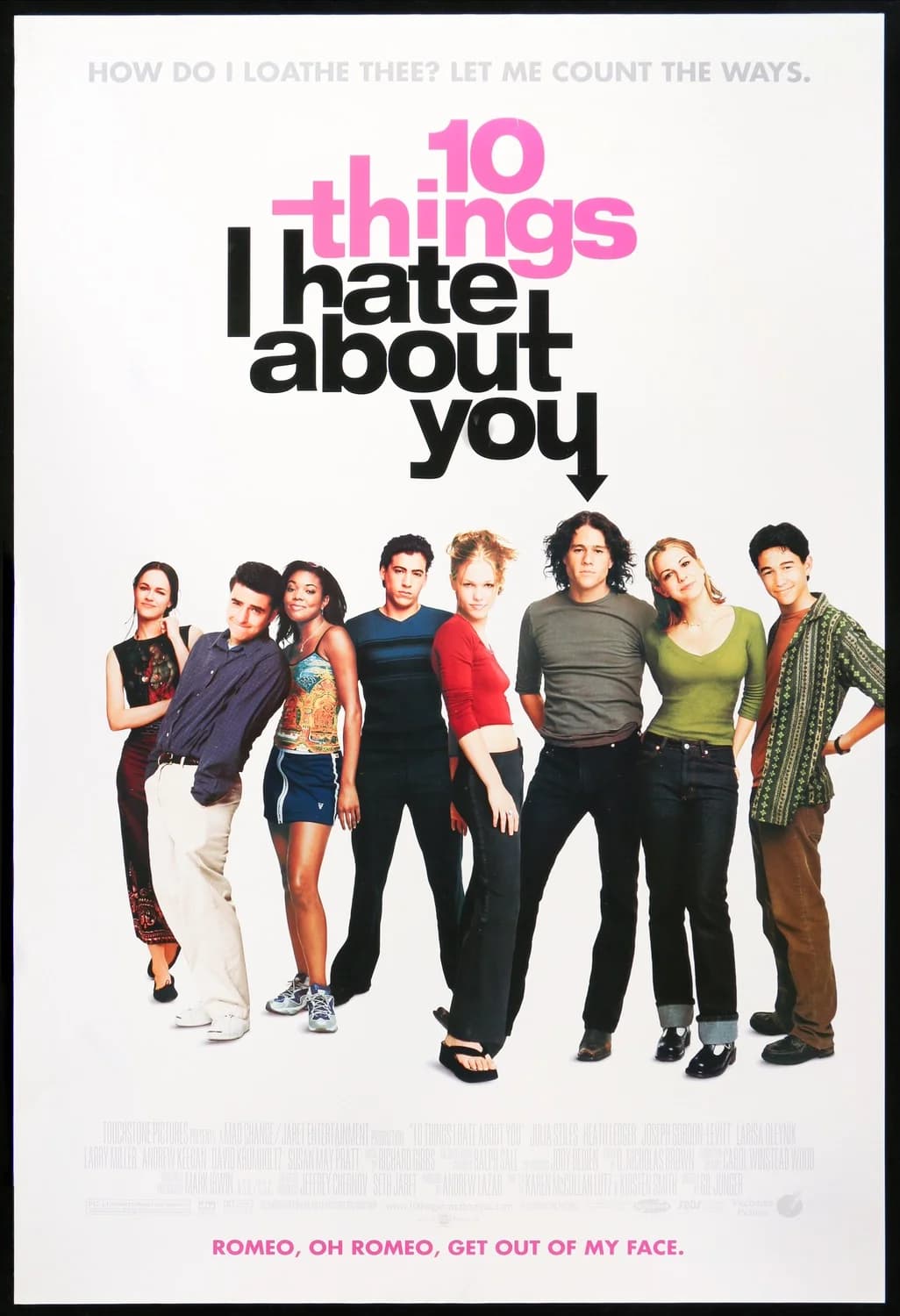
1999 // VHS
10 Things I Hate About You
Sibling rules, a rooftop serenade and one very stubborn Kat — Shakespeare in a school corridor.
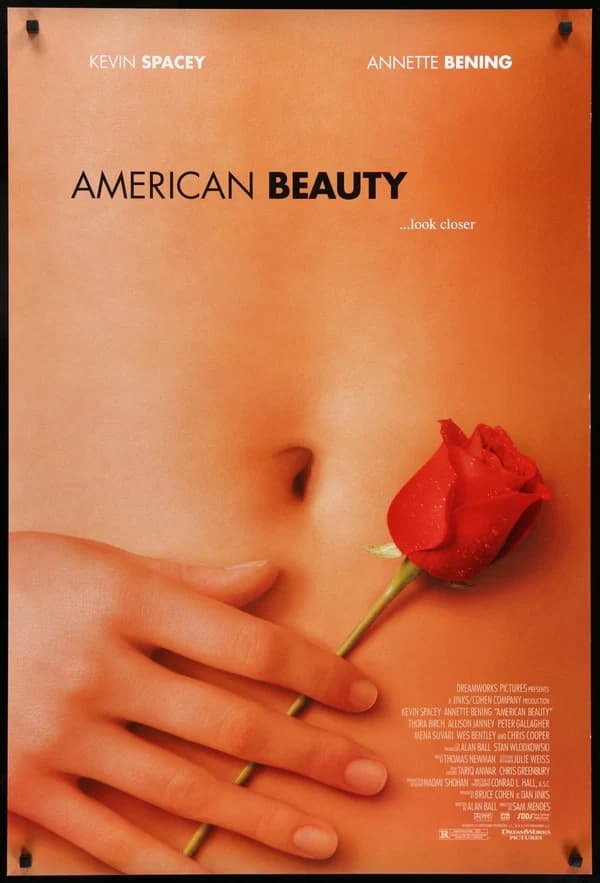
1999 // VHS
American Beauty
Lester Burnham, suburban rot and a midlife argument that still stings.
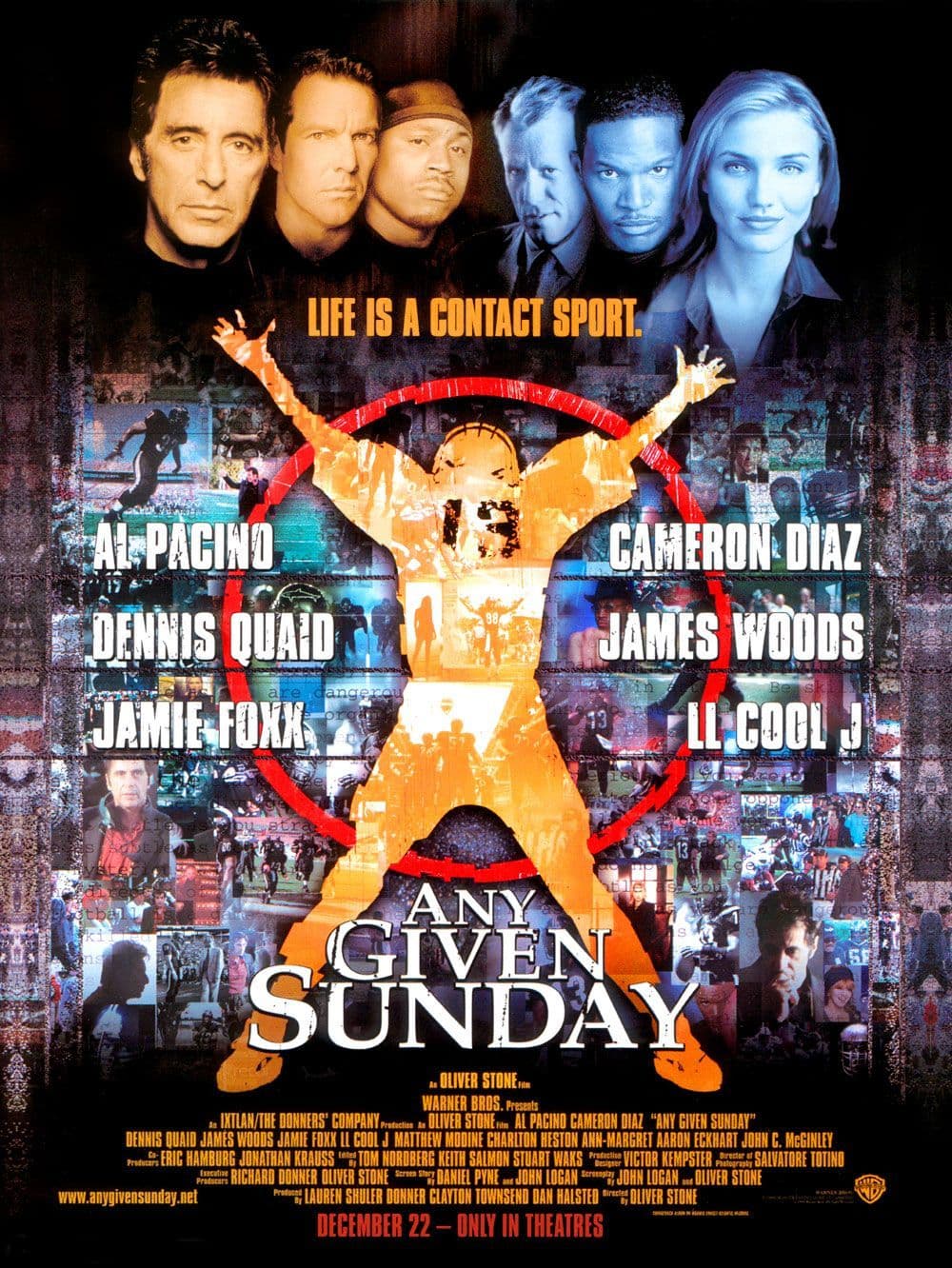
1999 // VHS
Any Given Sunday
Al Pacino's coach anchors the chaos of a film about football turned into product — loud, messy and oddly persuasive.