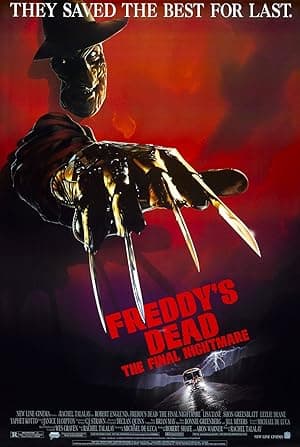
Freddy's Dead: The Final Nightmare
A road trip into Springwood, a therapist with secrets, and Freddy still finding new ways to get under your skin.
// The setup
PLAYBACK STARTED
Freddy's Dead: The Final Nightmare feels, at first, like the franchise trying to take a breath — and then it decides to sprint. What keeps it interesting isn’t the stunts or the cameos; it’s Maggie Burroughs, a therapist whose own recurring dreams pull her back toward Springwood and whatever unfinished business Freddy Krueger still has.
THE MOVIE
Maggie Burroughs / Katherine Krueger is still the reason this movie works
There are plenty of ways a sixth entry in a horror franchise can limp along on reputation alone. Freddy's Dead: The Final Nightmare sidesteps that by dropping a therapist into the middle of the mess — Maggie Burroughs — and letting her stubborn curiosity drive the story forward.
Maggie arrives as someone used to other people’s nightmares; she’s a therapist with her own recurring dreams, and when an amnesiac teenager turns up outside Springwood she chooses to take him back there. That road trip structure gives the film a shape: it’s not just another body count, it’s an investigation with a personal stake.
Directed by Rachel Talalay and fronted by Lisa Zane as Maggie, the movie frames Freddy’s business — revenge, mischief, murder — against questions of family and inheritance. That parentage-and-legacy angle is what lifts it out of pure spectacle.
THE SETUP
The idea that sets Freddy's Dead: The Final Nightmare in motion
At its simplest the premise is tidy: a confused, amnesiac teenager — credited as John Doe — turns up outside Springwood and becomes the conduit through which Freddy looks for new victims. That’s the propellant of the plot, plain and effective.
Where the screenplay gets more interesting is in how it stages the confrontation. The central conflict reads like a duel: Freddy rules inside dreams, while the survivors try to pin him down in the waking world. It keeps the stakes split across two realities rather than defaulting to one or the other.
The film leans into that contrast throughout, mixing dream-space set pieces with real-world consequences — all the way to a late-film climax presented in 3-D, a marketing trick that the production leaned on as a novelty.
On top of that, the script folds in a family element: Maggie turns out to be linked to Freddy’s past, and her personal history is positioned as the key that might undo him. That lineage angle is what gives the road-trip back to Springwood actual emotional purchase.
THE CHARACTER
Why Maggie Burroughs / Katherine Krueger matters
Maggie isn’t a throwaway final-girl. She’s introduced as a therapist who carries dreams of her own — a neat reversal in a series built on the idea that nightmares have therapists. That setup lets the film ask the usual Freddy question (‘How do you stop a dream killer?’) in a personal way.
Her decision to escort John Doe back to Springwood does the heavy lifting. It’s a purposeful choice; she’s not dragged into the plot by coincidence, she opts in. That agency matters because it gives the film a clearer centre when the set pieces pile up.
We also see Maggie’s younger self in the movie, which scaffolds the lineage theme. Those flashbacks — and the fact the character is folded into Freddy’s history — turn her from a plot mechanic into a human hinge connecting past and present.
Finally, casting sits beside the character rather than replacing her: the story places Maggie at the centre with Freddy still prowling the edges, and the cameos and supporting players orbit that relationship rather than obliterate it.
UNDER THE SURFACE
Freddy's Dead: The Final Nightmare has more on its mind than the plot suggests
Beneath the gore and the jokes the film keeps returning to questions of parentage and legacy. By tying Maggie into Freddy’s past the screenplay turns the threat into an inheritance — the idea that trauma, like a family heirloom, passes down whether you want it or not.
That naturally feeds into the film’s games with memory and identity. John’s amnesia isn’t just a mystery device; it’s a way to ask how much of who you are is tied to your remembered past, and whether forgetting can be protection or a vulnerability.
Dreams versus reality is, of course, the franchise’s bread and butter. Here it’s used to test whether those dream-powers can be checked by the waking world: the survivors keep trying to pin Freddy down outside sleep, which gives the story a repeated tactical problem to solve.
There’s also an undercurrent of survivorship and trauma — shelters, seekers, therapists turn up in the script — which stops the film from being pure meta-spectacle. It still wink-winks at the audience, but it carries a thread that honours what the earlier entries established about victims trying to rebuild.
PRACTICAL EFFECTS
The effects work that gives Freddy's Dead: The Final Nightmare its physical personality
The film leans on hands-on creature and prosthetic work to sell its dream bizarreness. Multiple established special make-up and effects teams are credited on the production, and the results are what you expect when the emphasis is on practical techniques rather than invisible touch-ups.
Freddy’s makeup and the more grotesque creature moments were built by teams who’d worked on earlier Elm Street films, so there’s a continuity to the physical choices: prosthetics, creature mouths and heads, and conventional stunt work all populate the set pieces.
That practical approach gives the movie a tactile personality. Even when the tone slides toward the comic, the scenes still feel physically anchored — which matters in a film that spends much of its runtime asking whether what happens in a dream can have a waking cost.
PURE 80S
Freddy's Dead: The Final Nightmare could not belong to any other decade
The picture wears its moment in early-1990s commercial genre cinema on its sleeve. The use of celebrity cameos and a closing franchise montage — even the raucous marketing for a late 3-D sequence — all read like the era’s way of turning a franchise into an event.
It’s also firmly rooted in its lineage: marketed as part of the Elm Street cycle, it sits alongside the original 1984 film and keeps Robert Englund in the role that made the series a brand. That continuity is part of why the movie can afford to play with tone; audiences already know who Freddy is.
And yet it’s playing with that brand. The cameos, the novelty 3-D and the montage are all small flags saying: this is franchise entertainment for an era that liked a big theatrical hook.
WATCHING IT NOW
What has aged — and what hasn't
Some moments read oddly now, but not because the story failed — more because the film is a time capsule. Little casting curiosities, like celebrity cameos that used to be surprise bait, now function as period markers; Johnny Depp’s credited TV cameo still pulls a grin, but it’s the cameo-as-gimmick rather than a narrative necessity.
The younger versions of Freddy — the cast includes a Teenage Freddy — play into the film’s interest in origins and lineage. Those sequences keep the focus on who Freddy was as well as what he does, which is a storytelling choice that still holds up as an idea.
So while certain novelty elements might feel dated, the central throughlines about family, memory and the difference between dream and waking moments still make the film watchable for viewers who come for story as well as spectacle.
THE LEGACY
Why Freddy's Dead: The Final Nightmare still matters
For a film billed at the time as a finale, its practical legacy is oddly practical: it helped keep the franchise going. Its commercial performance and the theatrical novelty of its late 3-D sequence meant New Line treated the title as a successful chapter rather than a full stop.
It also marked a small milestone for the studio: the movie was promoted as New Line Cinema’s first theatrical 3-D release, and that marketing angle became part of how the film was remembered in franchise anthologies.
On top of that the end-credits sequence — a new song written for the film and performed by Iggy Pop set against a montage of footage from earlier Elm Street films — became a tidy summary of the movie’s double life as both horror entry and marketing exercise. That closing moment often gets cited when people look back at how the series tied music and montage into its branding.
THE VERDICT
Does Freddy's Dead: The Final Nightmare still hold up?
Yes — but with a caveat. If you want a straight return to the cold, eerie dread of the original Elm Street, this isn’t that film. If you’re open to a movie that mixes lineage questions, a therapist’s road trip to Springwood, and loud franchise flourishes, it still has bite.
The duel between Freddy’s dream-power and the survivors’ attempts to anchor him in the waking world gives the film a recurring problem to solve, and the familial thread — Maggie’s connection to Freddy’s past — provides a surprisingly solid centre for an 89-minute genre picture.
There are novelty elements that date the picture: a marketed 3-D climax, celebrity cameos, and a louder comedic tone than the earlier entries. Contemporary remarks at the time singled out Robert Englund’s continued presence while noting the film leans harder into jokes and in-jokes than the darker originals.
Bottom line: watch it when you want a fast, oddball Elm Street ride that remembers to care about who’s carrying the trauma. The movie’s more interesting when you treat it as a personal detour through the franchise — a finale that’s less about ending and more about handing the story on.
Share this movie
// Keep watching
More movies from the 90s
If Freddy's Dead: The Final Nightmare is your kind of movie, there's plenty more on the shelves worth rewinding.
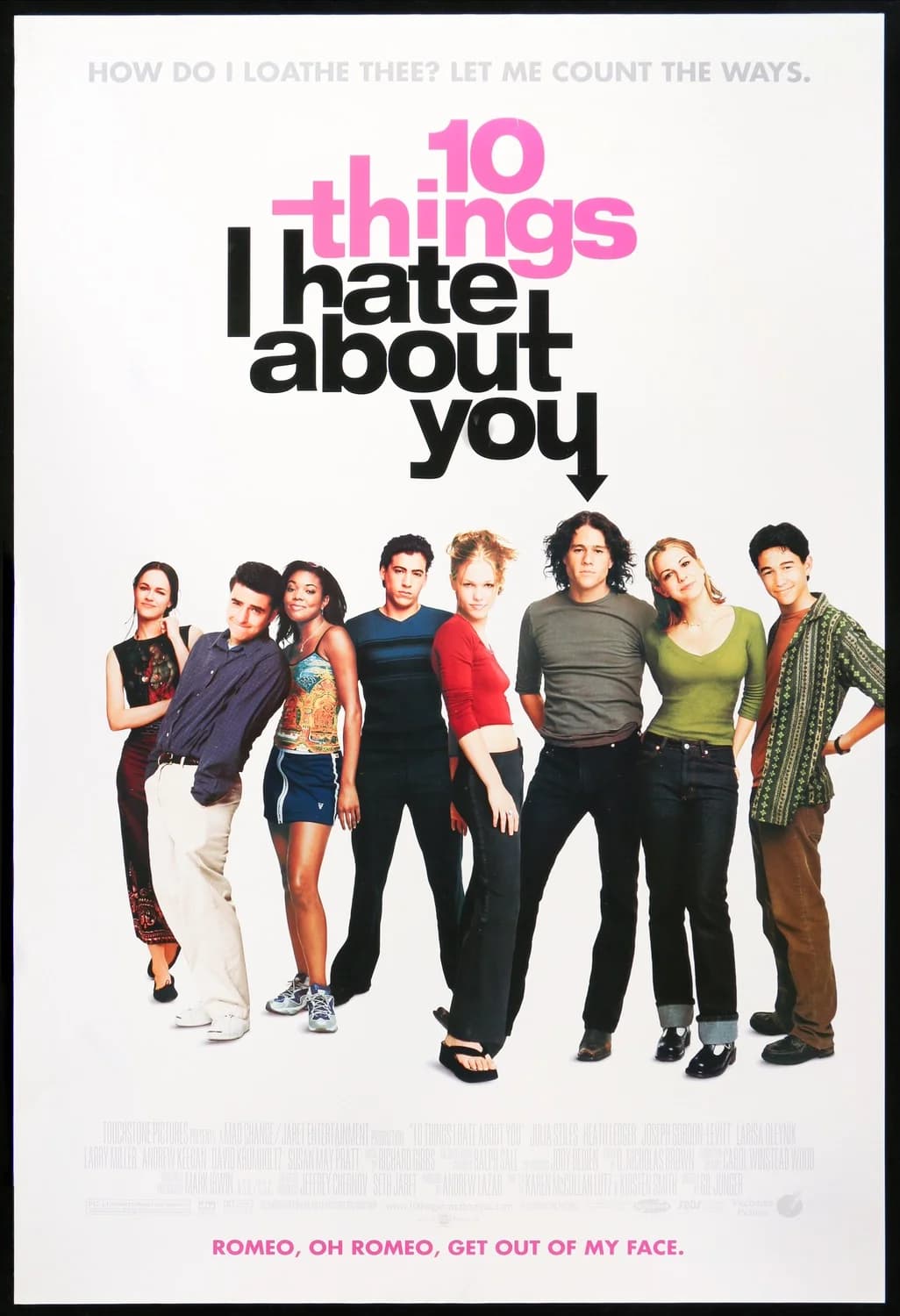
1999 // VHS
10 Things I Hate About You
Sibling rules, a rooftop serenade and one very stubborn Kat — Shakespeare in a school corridor.
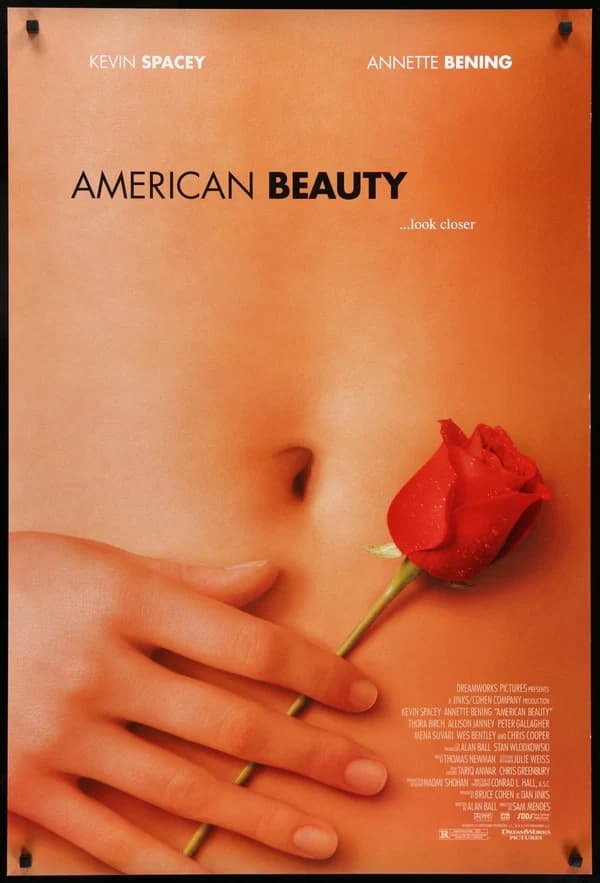
1999 // VHS
American Beauty
Lester Burnham, suburban rot and a midlife argument that still stings.
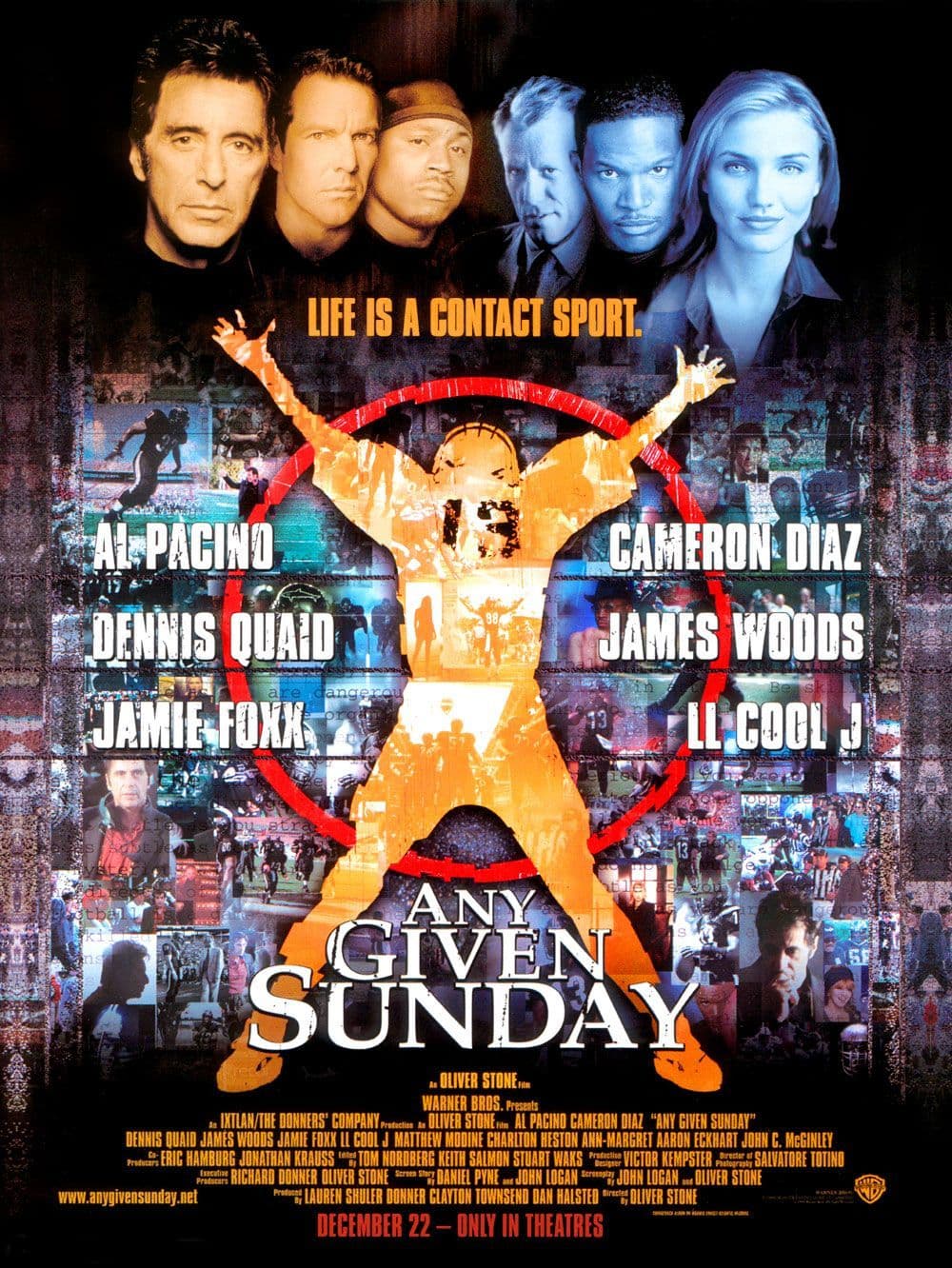
1999 // VHS
Any Given Sunday
Al Pacino's coach anchors the chaos of a film about football turned into product — loud, messy and oddly persuasive.