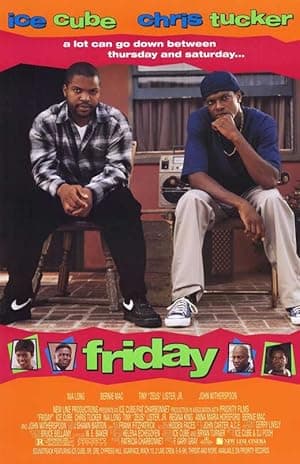
Friday
A porch, a $200 problem and two mates who turn a day in the life into a small masterpiece.
// The setup
PLAYBACK STARTED
Friday refuses to be a sermon or a thriller. It’s a short, sharp slice-of-life about two guys — Craig and Smokey — negotiating pride, money and neighbourhood nonsense over the course of a single Friday in South Central Los Angeles. What keeps the film alive is its characters: their arguments, loyalties and the way comedy undercuts real stakes.
THE MOVIE
Craig Jones is still the reason this movie works
Friday is not a sprawling epic. It’s a tight 91-minute portrait of two guys killing time on a front porch and getting pulled into the small dramas that live on their block. That single‑day setup keeps the film nimble: everything feels immediate because the clock really is ticking.
At the centre is Craig Jones — an unemployed young man freshly fired, trying to balance responsibility, pride and relationships while the day throws a series of tests his way. His mate Smokey provides the comic engine: talkative, stoned and responsible for the immediate crisis that pushes the plot forward.
Directed by F. Gary Gray and carried by Ice Cube and Chris Tucker, Friday’s steady mixture of humour and pressure — friendship and loyalty under economic strain — is what made it a film people have kept returning to.
THE SETUP
The idea that sets Friday in motion
What starts as a laid-back day on the porch turns into a countdown. Smokey has failed to sell $200 worth of marijuana and now owes that money to a local dealer — an ultimatum that forces the pair into motion before the night is done.
Rather than building a taut, twisty plot, the movie arranges a string of comic episodes and character encounters. Each stop — whether family, friends or the girlfriend — reveals another corner of the neighbourhood and pushes Craig to make small, consequential choices.
Craig’s attempts to solve the debt are practical and pedestrian: he asks around, borrows, hustles and takes the social temperature of people who already know him. Those mundane efforts are the motor of the story.
Because the film prefers scene-based comedy to a closed, plot-first structure, it leaves some threads open and lets the day feel lived-in rather than strictly engineered.
THE CHARACTER
Why Craig Jones matters
Craig is the film’s calm centre. He’s unemployed, recently fired, and all of that practical frustration is visible in the small decisions he makes across the day. That ordinary pressure is what gives the movie its emotional tether.
He’s not a superhero or an antihero; he’s the kind of bloke who has to ask his family and partner for help and then live with the friction that creates. Those scenes make him recognisable and, crucially, believable.
Willie — Mr Jones — exists as a steadying presence, pushing a non‑violent, self-reliant line that often rubs against the neighbourhood’s other impulses. That relationship gives Craig a moral axis to react against and return to.
Around Craig a crowd of supporting figures — from Debbie and Dana to Joi and Pastor Clever — provide comic friction, romantic complications and social judgement, each encounter telling us more about who Craig is by the way he handles them.
THE PERFORMANCE
Why Ice Cube's performance matters
Contemporary reviews noted that Ice Cube plays Craig against type: the performance leans on a deadpan steadiness rather than anything flashy. That restraint matters because it keeps the movie’s stakes anchored.
Because Craig is mostly the calmer foil to Smokey’s chatter, Ice Cube’s controlled approach lets the film swing between comedy and tension without losing balance.
That contrast — a quieter, internalised lead beside a loud, combustible sidekick — turns what could have been a straightforward stoner comedy into something with an emotional fulcrum.
Put simply: the way Craig is played gives the film permission to be funny and serious in quick succession, because someone in the middle is clearly taking the consequences seriously.
UNDER THE SURFACE
Friday has more on its mind than the plot suggests
On one level Friday is a buddy comedy and a stoner movie; below that it’s about loyalty when the margins are thin. Craig and Smokey’s friendship is tested by money, pride and the threat of real violence — and the film treats those tensions as worth laughing at and worth noticing.
Structuring the story as a day-in-the-life lets the film show survival as a series of small choices rather than a single dramatic gamble. That makes the economic pressure feel constant and mundane, which is where the movie finds much of its truth.
Humour plays a double role: it disarms the audience and keeps the rhythm light, but it also undercuts moments where escalation could turn dangerous. The laughs make the tension feel human rather than theatrical.
Finally, the film quietly interrogates how masculinity and community accountability operate on a block where options are limited — a reminder that bravado and reputation often carry practical consequences.
THE FILMMAKING
How Friday was put together
Friday marked F. Gary Gray’s jump from music videos into feature directing, and that background helps explain the film’s rhythm: it moves briskly from scene to scene with a strong sense of beat.
Credits like Gerry Lively on cinematography and John Carter on editing point to a compact, professional crew that kept the movie lean and focused. The result is an efficient film that doesn’t waste a moment.
The production deliberately used a modest scale and location-rooted design to make the neighbourhood feel lived-in. That grounded approach keeps the comedy from floating free of consequence.
Presented by New Line in association with Cube Vision, the film balances studio support with a small‑budget sensibility — a useful formula for a movie that needed both reach and the look of authenticity.
PURE 80S
Friday could not belong to any other decade
Friday arrived in 1995 as a deliberate alternative to the grimmer 'hood pictures that dominated the early part of the decade. Its writers set out to show a lighter, comedic portrait of block life, and that tonal choice is very much of its moment.
The mid‑90s also saw hip‑hop artists moving into filmmaking, not just as performers but as writers and producers. Ice Cube’s role as co‑writer and production force is part of that shift: artists taking control of how their stories were told on screen.
As a low‑budget, studio-backed comedy with an almost all‑Black principal cast and creative team, Friday sits in the space where independent sensibilities met wider distribution — a particular feature of 1990s crossover productions.
All of which means the movie speaks to a decade when new voices were finding film access and using comedy to reframe neighbourhood life.
THE LEGACY
Why Friday still matters
Friday didn’t just spawn sequels; it became a wider property with an animated adaptation and a recognisable presence that outlived its theatrical window. That afterlife is part of why people still talk about the film.
The movie developed a substantial cult following and many of its lines and moments have seeped into pop-culture references and internet memes, giving it a footprint beyond the cinema screen.
Chris Tucker’s career benefitted notably from the film’s exposure, and the movie also established F. Gary Gray as someone who could move from short-form music video work into reliable feature direction.
Taken together, the franchise, the following and the career boosts for its principal creators explain why Friday remains a movie people return to and reference.
THE VERDICT
Does Friday still hold up?
Yes — if you’re after a compact, character-first comedy that balances laughs and real pressure. The film’s single‑day structure and episode-based pacing keep it economical, and the central pairing of Craig and Smokey carries the tone from porch jokes to serious moments.
The $200 debt to Big Worm provides a simple, believable external deadline, but it’s Craig’s practical scramble — asking family, friends and his girlfriend for help — that reveals the film’s true subject: how friendship and loyalty operate under economic strain.
With a running time of roughly 91 minutes and a direction that foregrounds neighbourhood encounters over spectacle, Friday remains enjoyable as a warm, grounded slice-of-life that knows when to be funny and when to be tense.
If you want an introduction to Craig and Smokey’s world — or just a brisk, well-paced comedy about mates looking out for each other — it’s still worth the porch seat.
Share this movie
// Keep watching
More movies from the 90s
If Friday is your kind of movie, there's plenty more on the shelves worth rewinding.
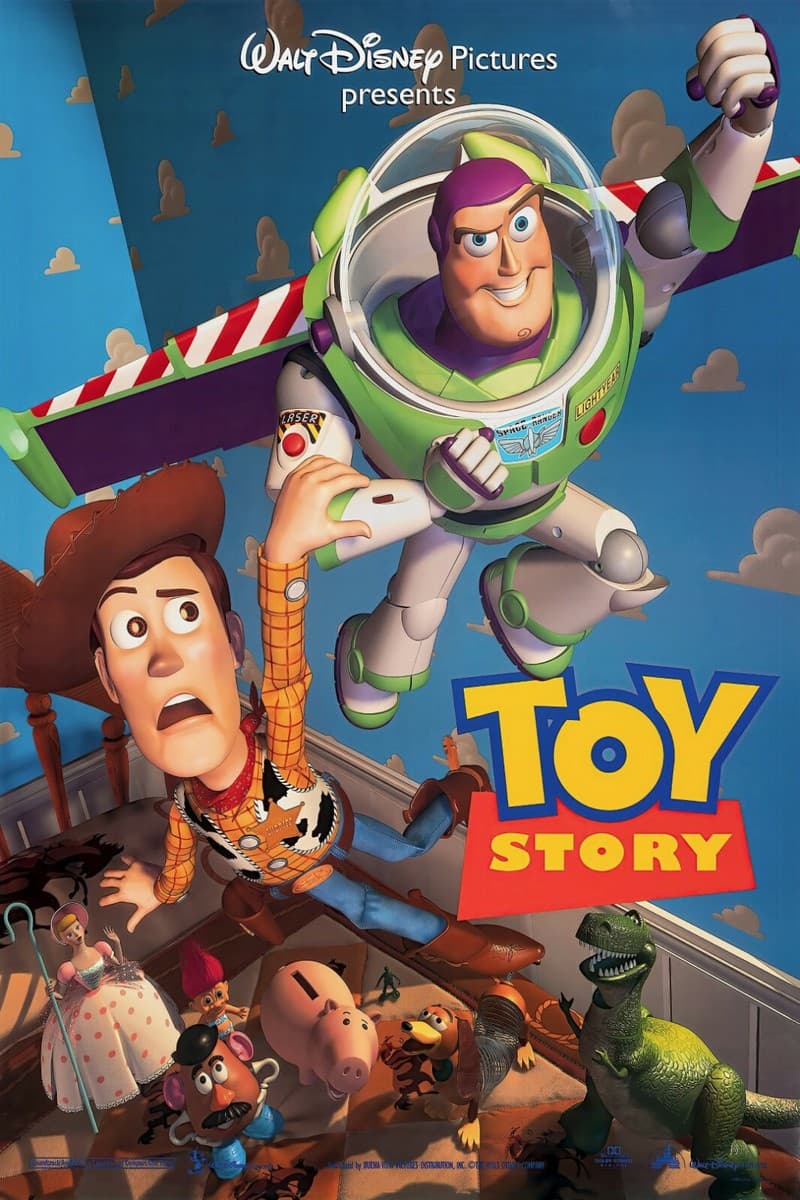
1995 // VHS
Toy Story
A pull‑string cowboy, a deluded space ranger and a small, very particular war over being loved.
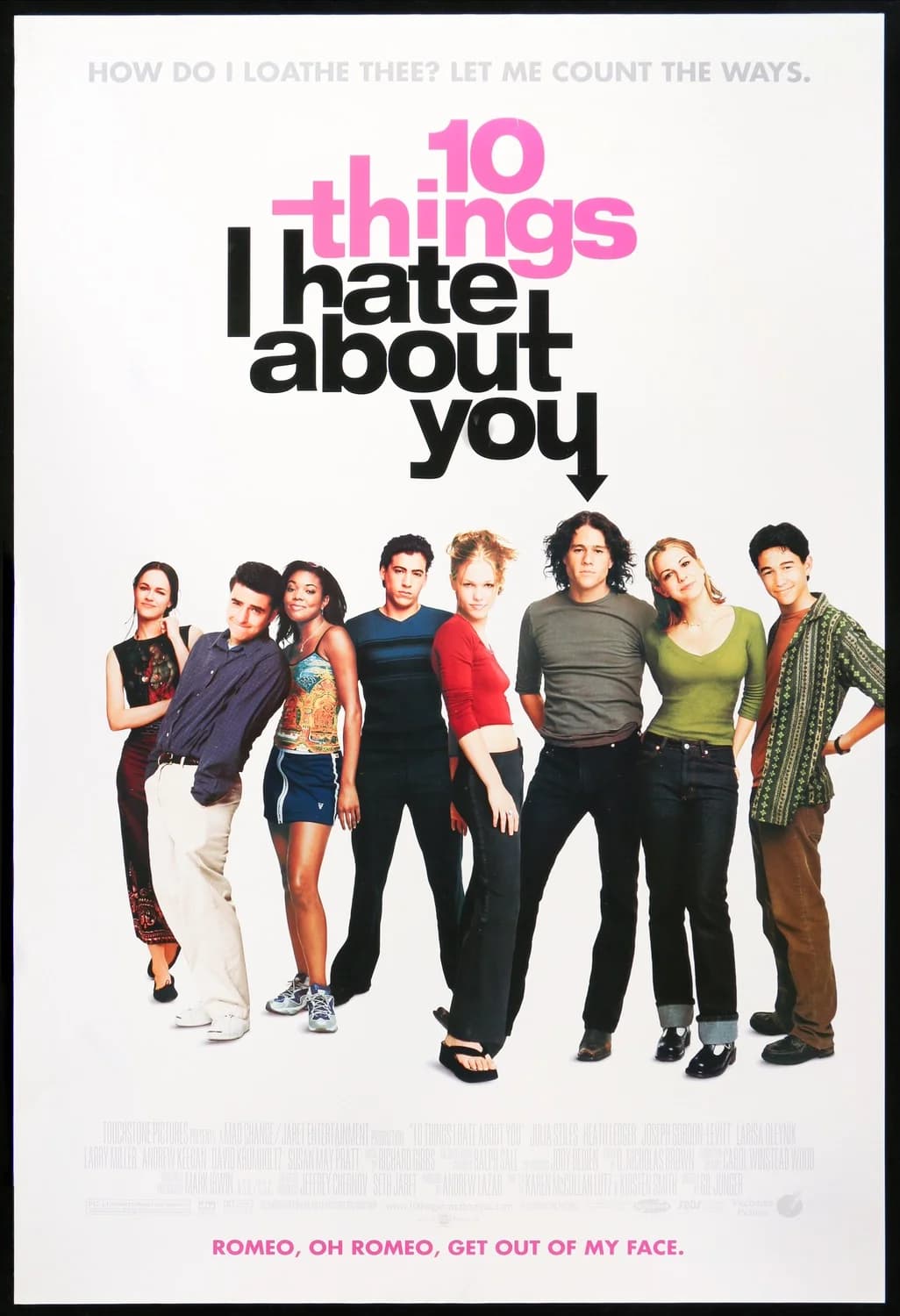
1999 // VHS
10 Things I Hate About You
Sibling rules, a rooftop serenade and one very stubborn Kat — Shakespeare in a school corridor.
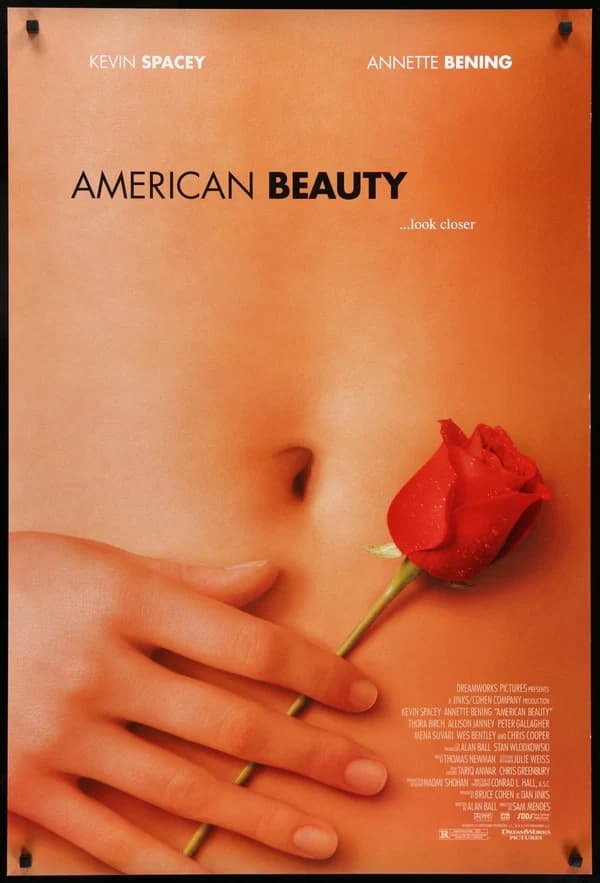
1999 // VHS
American Beauty
Lester Burnham, suburban rot and a midlife argument that still stings.