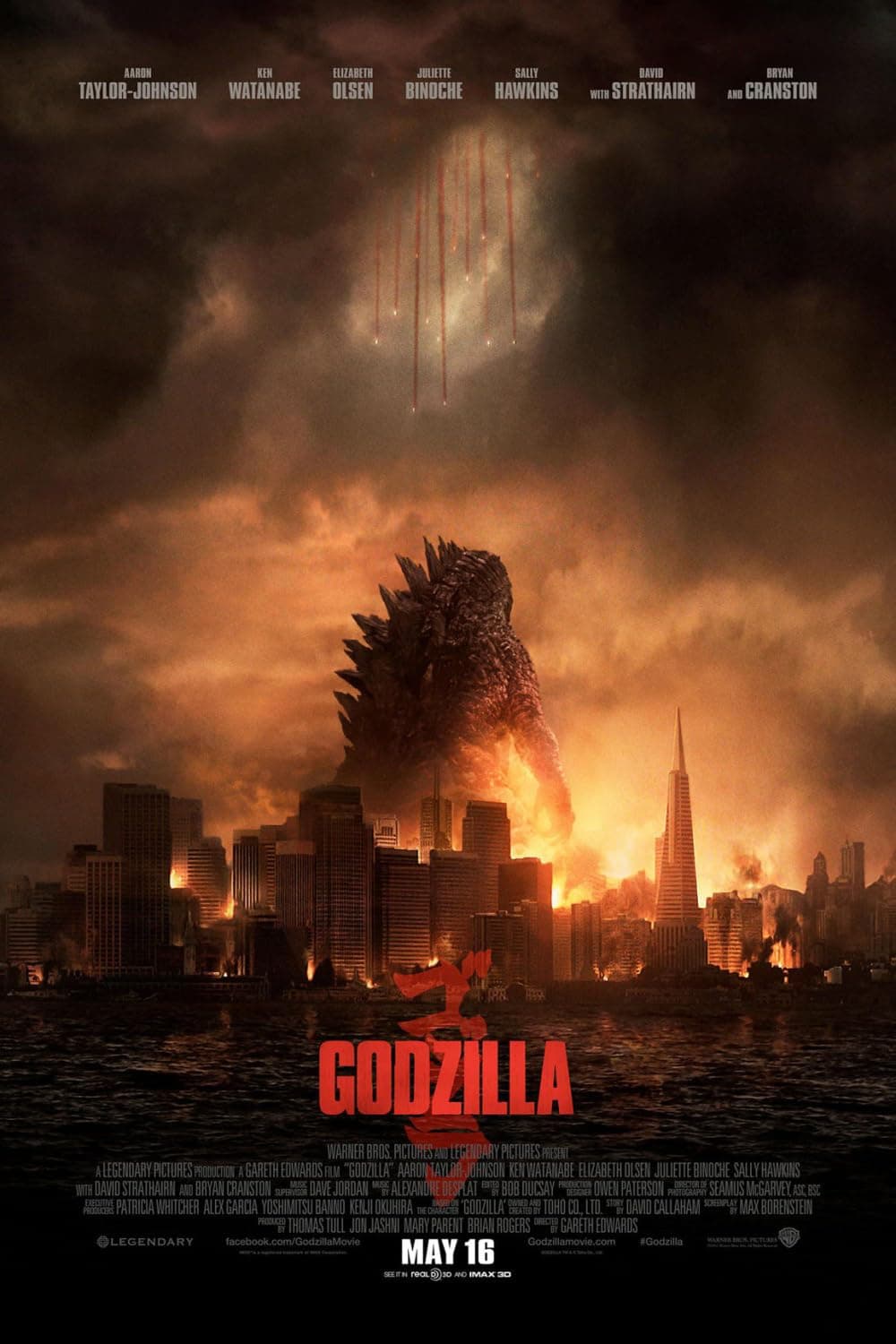
Godzilla
Science versus firepower, a city on edge and one NRC scientist trying to make sense of the mess.
// The setup
PLAYBACK STARTED
Godzilla (1998) is not shy about what it is: a big American monster movie that opens by linking the creature to nuclear testing and then watches the military and scientists collide as the threat moves toward New York. At its centre is Dr Niko "Nick" Tatopoulos — an NRC scientist and ex‑Chernobyl researcher — who gives the picture a clear viewpoint to hang its chaos on.
THE MOVIE
Dr. Niko "Nick" Tatopoulos is still the reason this movie works
People still argue about Godzilla because it’s the sort of big, noisy blockbuster that insists on having a human centre. Roland Emmerich’s 1998 take ties the monster to nuclear testing and then spends a lot of screen time watching institutions — scientists, the military, the media — try to answer a very ugly question: what do you do when the problem was made by humans in the first place?
That human centre is Dr Niko "Nick" Tatopoulos, an NRC scientist and former Chernobyl researcher. The film gives him the job of making sense of radiation-linked mutation and of steering the investigation, which helps the movie avoid being nothing but explosions and miniature carnage.
For better and worse, the picture is firmly a product of its moment: a long, effects-heavy science-fiction monster film that plays like an event picture, and that divides viewers between those who enjoy the spectacle and those who judge the choices on story and character grounds.
THE SETUP
The idea that sets Godzilla in motion
Godzilla starts with a simple, grim premise: a giant creature linked to nuclear testing appears and begins attacking ships and coastal communities, which triggers an international investigation.
The central conflict isn’t just monster-versus-city. Authorities are forced to identify and stop a fast-moving, rapidly reproducing reptile that has nested in Manhattan. That combination — speed, numbers and a nest in the middle of a metropolis — pushes the story toward difficult choices about evacuation, disclosure and force.
A few concrete mechanics keep the plot ticking: the creature is presented as a radiation-linked mutant that reproduces asexually, producing a clutch of eggs in New York, and the protagonists must weigh when to use military power and when to trust scientific judgement.
It’s also important that this is an American reimagining of a long-running franchise: the film borrows the radiation-origin idea from earlier Godzilla stories but frames the response through U.S. institutions and blockbuster conventions.
THE CHARACTER
Why Dr. Niko "Nick" Tatopoulos matters
Dr Niko Tatopoulos is the practical heart of the movie. The screenplay gives him a clear competence — he’s an NRC scientist and an ex‑Chernobyl researcher — so when something explained in dead technical terms shows up on screen, there’s a recognisable person whose job it is to translate that for everyone else.
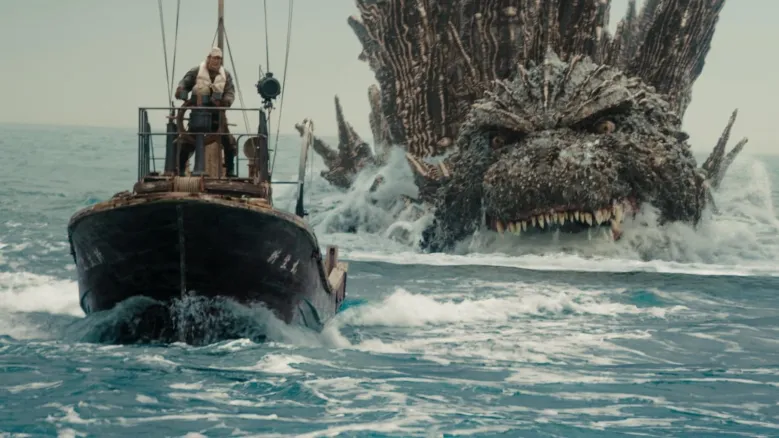
That role matters because the film’s drama depends on argument: should you wait for data or bomb first? Nick’s scientific viewpoint steers the investigation and provides the diagnostic beats that push scenes forward rather than leaving the story entirely to military action.
Giving the audience a scientist with specific expertise is a modest but useful trick. It focuses attention and gives emotional weight to the choices the film forces on institutions: evacuate, lie, or fight.
Put simply: without a central figure whose job is to ask ‘what happened and why’, an effects-driven monster movie risks feeling like a procession of incidents. Nick’s presence keeps the plot anchored.
THE PERFORMANCE
Why Matthew Broderick's performance matters
Matthew Broderick was cast as Dr Niko Tatopoulos, and contemporary critics registered that the central performances and character writing didn’t always convince.
Roger Ebert and several other reviewers singled out Broderick’s lead as being unconvincing in places, a criticism that shaped early responses to the film and coloured how audiences approached the characters.
That split is worth noting because the movie asks you to care about institutional decisions. If the lead doesn’t land for you, then the scenes where scientists and the military argue become harder to invest in.
So whether Broderick’s casting works for any individual viewer affects how seriously they take Godzilla’s human side — and that, in turn, changes the balance between spectacle and story.
UNDER THE SURFACE
Godzilla has more on its mind than the plot suggests
Beneath the monster set pieces the film keeps returning to a handful of clear ideas: the consequences of nuclear testing, and how human-made hazards come back to bite us.
That theme is tied to the drama between scientific expertise and military action. The story stages the predictable arguments — data versus force — and lets the audience watch institutional decisions unfold under pressure.
Media sensationalism and careerism also thread through the picture: the film is interested in how public information is shaped during a crisis, and how personal ambition can influence what gets told and when.
Finally, because this is an American reboot of a Japanese property, there’s an extra layer about adaptation and cultural translation — a familiar monster repackaged through a different institutional lens and blockbuster grammar.
PRACTICAL EFFECTS
The effects work that gives Godzilla its physical personality
Even in a movie where digital models played a major part, there are practical pieces that matter. Patrick Tatopoulos’ studio constructed a scaled animatronic upper torso and a smaller suit used for some in‑camera shots.
A suit performer, credited in some records as Kurt Carley, contributed limited in‑suit material, and those moments give the creature a physical presence that digital work alone might not achieve.
That tangible interaction — an animatronic torso nose‑to‑nose with actors or a suit pushing through a doorway — helps sell the idea that something real is moving through the environment.
In the finished film those practical elements sit alongside digital character animation and miniatures, a hybrid approach that supplies both hands-on weight and the scope the story needs.
PURE 80S
Godzilla could not belong to any other decade
Godzilla arrived in May 1998 at a time when Hollywood was leaning hard into effects-driven tentpoles: films built to be events, backed by big marketing, soundtracks and merchandising.
That context explains a lot about the movie’s choices. It’s designed to be large, loud and commercially visible, which shapes everything from pacing to the decision to foreground spectacle.
It also explains the film’s commercial framing: the production treats the monster as an event to be sold, rather than as a quiet allegory, and that flavour is very much late‑90s blockbuster DNA.
Seen this way, the movie is a product of its era — less an abstract exercise in creature cinema and more a big studio film trying to satisfy an appetite for mass spectacle and tie‑in revenue.
WATCHING IT NOW
What has aged — and what hasn't
The movie’s reputation has stayed divisive. At release it did well commercially, but critics were often negative about the script, the character work and the redesign of the monster, and that criticism still follows the film.
At the same time, parts of the audience and some later reassessments point to the film’s spectacle and family appeal; for certain viewers the sheer scale and frantic energy remain entertaining.
So your tolerance for bigness matters: if you can accept weaker character beats in exchange for noisy set pieces, there’s fun to be had. If you want a faithful tonal continuation of older Godzilla films, this reimagining is likely to frustrate.
In short: elements that are purely spectacle‑driven hold up for some, while the story and character elements that attracted early criticism are still the parts viewers debate most.
THE LEGACY
Why Godzilla still matters
The film matters because it was a high‑profile American attempt to remake a classic property, and its commercial performance and follow-ups left tangible traces in how that attempt is remembered.
It grossed strongly worldwide but still missed studio expectations enough that planned live‑action sequels were cancelled, which left the 1998 line as a single big experiment rather than a sustained franchise.
That experiment did produce a canonical continuation in animation: TriStar and Centropolis backed Godzilla: The Series as a narrative sequel that carried on from the film’s events.
Toho’s later decision to treat the 1998 creature as a separate entity — branded 'Zilla' in their mythology — and TriStar allowing remake/sequel rights to lapse by 2003 both helped seal this version’s odd place in the wider Godzilla story.
THE VERDICT
Does Godzilla still hold up?
Short answer: yes — for certain moods. If you want a late‑90s, effects-forward blockbuster that treats the monster as a set of escalating problems for scientists and the military to solve, this film still delivers spectacle and institutional drama.
If you want a tightly written, faithful continuation of classic Godzilla tone, you will likely find the script and character work frustrating. Contemporary critics noted weaknesses in central performances and character writing, and those complaints remain a common reason people dislike this version.
What makes a revisit worthwhile is the way the movie stages its themes: a creature born from nuclear testing, an NRC scientist (Nick) whose background as a Chernobyl researcher shapes how investigations proceed, and a plot that forces decisions about evacuation, secrecy and force. Those beats still feel purposeful.
So watch it if you’re curious about a big‑budget American reimagining that cares about institutional argument as much as it does about ruins and spectacle. Don’t watch it expecting a straight rerun of the original’s mood. It’s the kind of Godzilla that wants to be debated — and that, in the end, is part of its stubborn remaining appeal.
Share this movie
// Keep watching
More movies from the 90s
If Godzilla is your kind of movie, there's plenty more on the shelves worth rewinding.
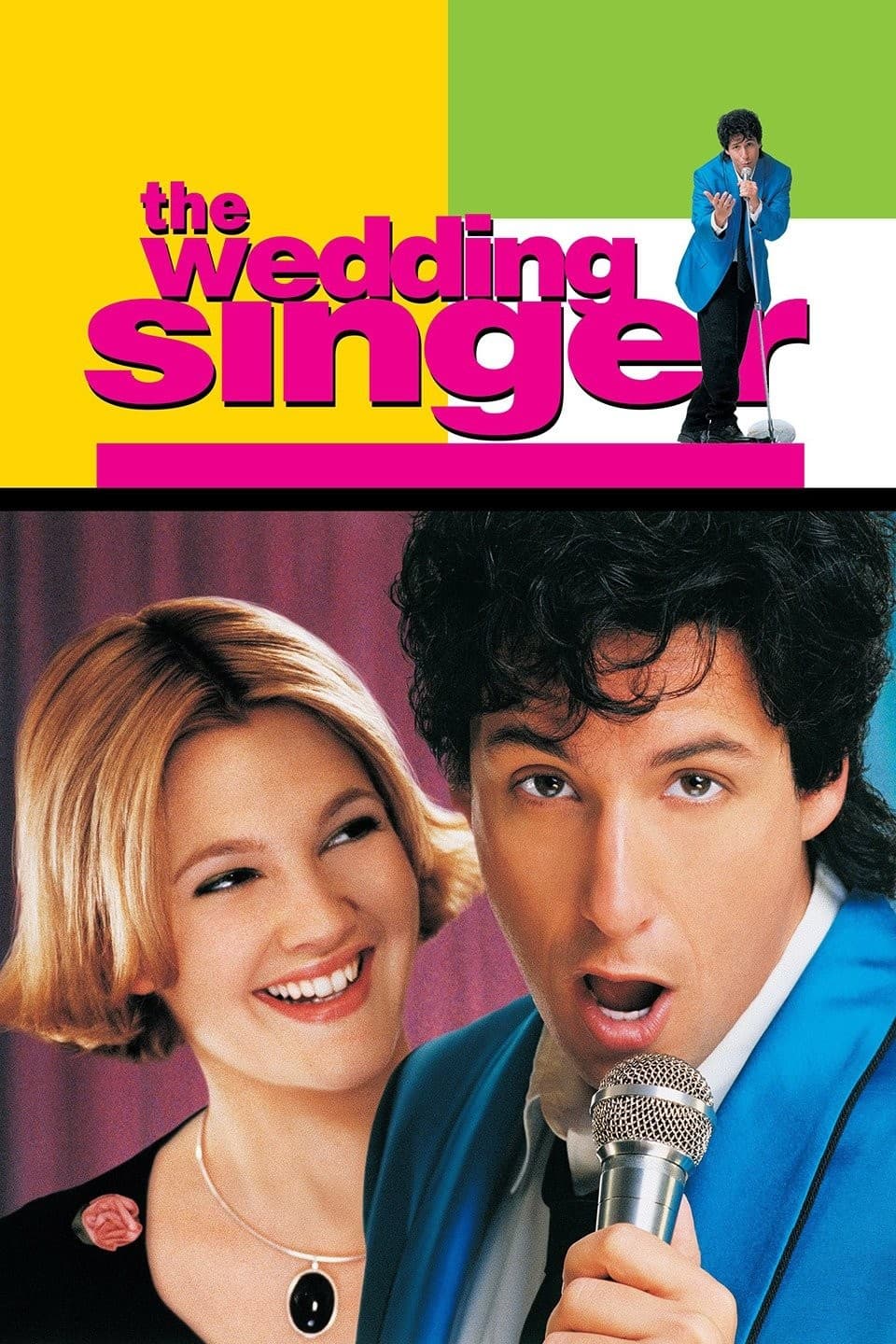
1998 // VHS
The Wedding Singer
A love story wrapped in 1980s pop — and carried by one very earnest wedding crooner.
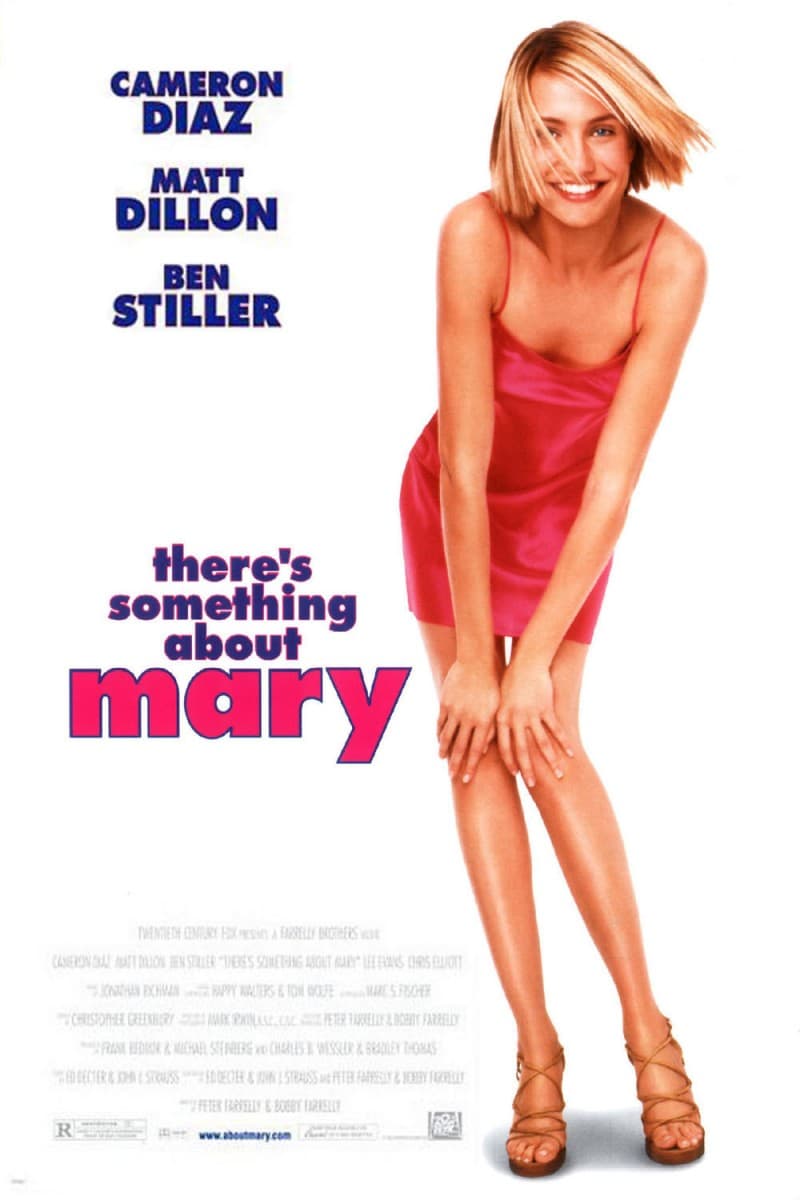
1998 // VHS
There's Something About Mary
Romantic obsession, awkward masculinity and a hair‑gel gag you can't unsee.
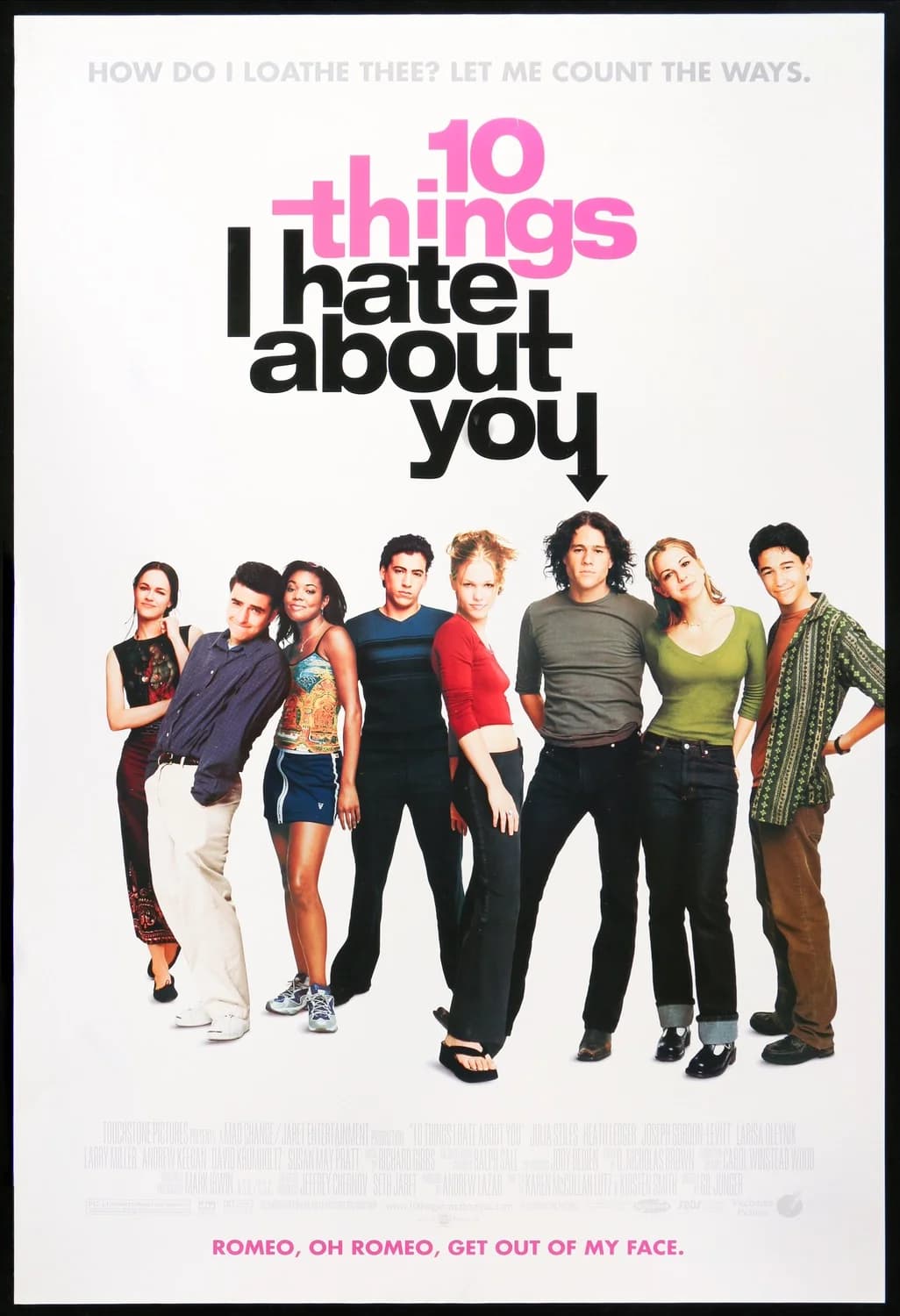
1999 // VHS
10 Things I Hate About You
Sibling rules, a rooftop serenade and one very stubborn Kat — Shakespeare in a school corridor.