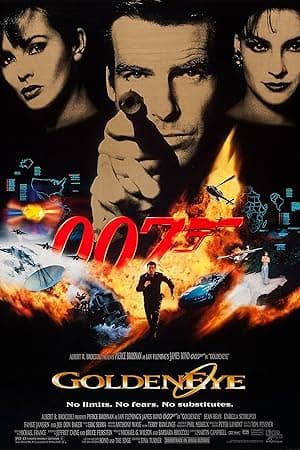
GoldenEye
A stolen satellite, a fallen friend and Bond stepping into a new era.
// The setup
PLAYBACK STARTED
GoldenEye brought James Bond back into a changed world: Pierce Brosnan turns up as an active field agent, the MacGuffin is a satellite that can wipe out communications and money, and Judi Dench arrives as a different kind of M. Revisit it for the way it reshaped the franchise for the 1990s rather than for nostalgia alone.
THE MOVIE
James Bond is still the reason this movie works
GoldenEye doesn't open with a press release about a franchise reboot. It opens with two 00-agents sneaking through a Soviet weapons site — a prologue that hooks the film to a specific betrayal and gives the rest of the story its charge.
Fast-forward to the 1995 main story and the problem is less about nations brandishing nukes and more about what you can do with information. A satellite weapon called GoldenEye becomes the thing every schemer wants to control, and Natalya Simonova — a surviving Severnaya programmer — is the through-line between Bond and that threat.
What keeps the film moving isn't just the plot mechanics; it's Bond himself being put back into play. Martin Campbell directs Brosnan's James Bond as an operative on a mission to stop a modern, post‑Soviet menace, while the franchise refreshes its instincts — even bringing in a new, female M to reset old assumptions.
THE SETUP
The idea that sets GoldenEye in motion
The story pins its emotional fuse to an earlier mission between Bond and Alec Trevelyan. That 1986 prologue isn't window-dressing; it tells you why one man's plan will cut so personally across Bond's life.
From there the practical problem is tidy and cinematic: the Severnaya control centre is attacked and the GoldenEye satellite system goes missing. The threat is not a standing army but the ability to scramble communications and financial systems — information as weaponry.
Natalya Simonova matters because she survived the attack and knows the systems Bond needs to stop the scheme. She moves from terrified technician to active partner in the plot — which keeps the film focused on people as much as gadgets.
And because the film ties its villain to a revenge motive rooted in that prologue, the stakes are both geopolitical and heartbreakingly personal — revenge versus duty, played out across cold-city chases and one very public tank sequence.
THE CHARACTER
Why James Bond matters
What makes Bond matter here is simple: he’s the active engine. Pierce Brosnan’s Bond is reintroduced as the field operative who has to chase down a very modern threat and care enough about it to go after the people behind it.
That role — walking into danger, connecting technical dots and steering a frantic physical response — is what connects the film’s spectacle to its heart. The MacGuffin is a satellite; the human response to it is what turns the film from gadget-show into drama.
Bond also exists against a freshly shifting chain of command. Casting a female M reframes his relationship to the service and gives even routine orders a slightly different, sharper edge.
Finally, he’s one half of the movie’s personal conflict. The story’s revenge element and Trevelyan’s history with Bond make James Bond less of a universal spy archetype and more of someone with a past that must be reckoned with.
THE PERFORMANCE
Why Pierce Brosnan's performance matters
Brosnan’s debut mattered because it signalled a course correction for the franchise. Contemporary reviewers treated his casting as consequential — not just another Bond, but the face the series would wear into the mid‑90s.
Critics at the time noted how the choice of actor had practical implications for the films to follow. That kind of casting isn't cosmetic; it sets the texture of the trilogy that follows and defines how audiences would expect Bond to look and operate now he was back.
Pierce’s arrival also sat beside a structural change at MI6. Reviews picked up on Judi Dench’s casting as M and the tonal shift that introduced; the two decisions together made this Bond feel like a character being refitted for a different era.
Put simply: the casting conversations around GoldenEye are part of how the film functions. It wasn’t just another recasting headline — it was the start of a new chapter for the series.
UNDER THE SURFACE
GoldenEye has more on its mind than the plot suggests
On the surface it’s a spy thriller filled with chases and gadgetry. Dig a little and it’s a film trying to place espionage in a post‑Cold War world: enemies are no longer neatly state‑sponsored blocs, and threats come from chaos, crime and those who exploit a disappearing order.
There’s a strong emotional axis running through the movie: revenge versus duty. The personal history between Bond and Trevelyan gives the plot a private fury that complicates the professional obligations Bond has to his job.
Technology is treated less as shiny help and more as a new battlefield. The GoldenEye satellite turns information and infrastructure into a weapon, which makes programmers, control rooms and data as important as spies and safehouses.
Finally, institutional change is in the frame. Appointing a female M rewrites the command dynamic and asks the audience to accept that the spy thriller can evolve its authority figures along with its threats.
PRACTICAL EFFECTS
The effects work that gives GoldenEye its physical personality
GoldenEye leans on real, physical trickery to sell its set pieces. The production used miniatures and model photography for Severnaya and the satellite facility to create scale where needed.
The tank chase — the sequence everyone remembers — was achieved with real armored vehicles adapted for the road. At least one T‑54/55 was modified so the filmmakers could stage stunt work in urban streets.
Not every shot of the satellite installation came from location filming. The Arecibo dish was used for some external photography, but many of the dish interiors and those massive final confrontations were realised with backlot builds and models.
That blend — models, modified hardware and selective location work — gives the film a tactile energy. The world feels assembled in physical pieces, and that assembly is part of GoldenEye’s personality.
PURE 80S
GoldenEye could not belong to any other decade
GoldenEye sits firmly in the mid‑1990s because it mixes the old and the new: classic stunt work and miniatures hang side‑by‑side with emerging digital techniques, especially in the title sequence.
This was a franchise at a crossroads, technically and commercially, and the film’s production choices reflect that. You can see a series that knows how to build spectacle the old way while also testing contemporary visual tools.
That hybrid approach matters because it matches the film’s themes: a world still living with Cold War residues but already wrestling with the information age. The filmmaking choices echo that double‑time mentality.
In short, GoldenEye feels of its moment because it’s trying to bring a decades‑old monster up to the present without pretending the past didn’t exist.
THE LEGACY
Why GoldenEye still matters
GoldenEye relaunched the franchise for a mid‑1990s audience and established Pierce Brosnan as Bond for the next stretch of films. That’s the practical reason the film is remembered: it reset the series in both casting and tone.
The title song — written by Bono and The Edge and sung by Tina Turner — and Daniel Kleinman’s title design signalled a willingness to update the series’ audio‑visual signatures. The titles became part of the film’s afterlife in how future Bond films framed their openings.
On the production side, the movie’s use of the Leavesden site as a converted studio space is an early chapter in what became a much larger backlot story in British filmmaking.
Together these elements — a new lead, a modernised title package and a commitment to building production capacity — are why GoldenEye is more than an entry in the canon: it’s the film that oriented Bond toward the rest of the decade.
THE VERDICT
Does GoldenEye still hold up?
Yes — for a specific set of reasons. If you want a Bond film where the job still matters, where the villain’s plan ties into a personal history, and where the threat feels of its moment (information and satellites, not simply state armies), GoldenEye delivers on all counts.
The 1986 prologue and Trevelyan’s revenge plot give the story a private spine that stops it becoming mere stunt porn. The satellite MacGuffin turns technology into the battleground, and Natalya’s technical knowledge keeps the stakes credible rather than purely theatrical.
The film also matters because it flipped institutional assumptions: Brosnan’s return as an active field agent was a relaunching move, and Judi Dench’s M reframed Bond’s relationship with authority in a way that mattered to reviewers at the time.
If you’re approaching GoldenEye today, watch it as a transitional Bond picture — one that understands its lineage but is busy updating the rules. It works because it balances revenge and duty, spectacle and a recognisable human centre. That’s not just nostalgia talking; it’s the structure the film chose to build.
Share this movie
// Keep watching
More movies from the 90s
If GoldenEye is your kind of movie, there's plenty more on the shelves worth rewinding.
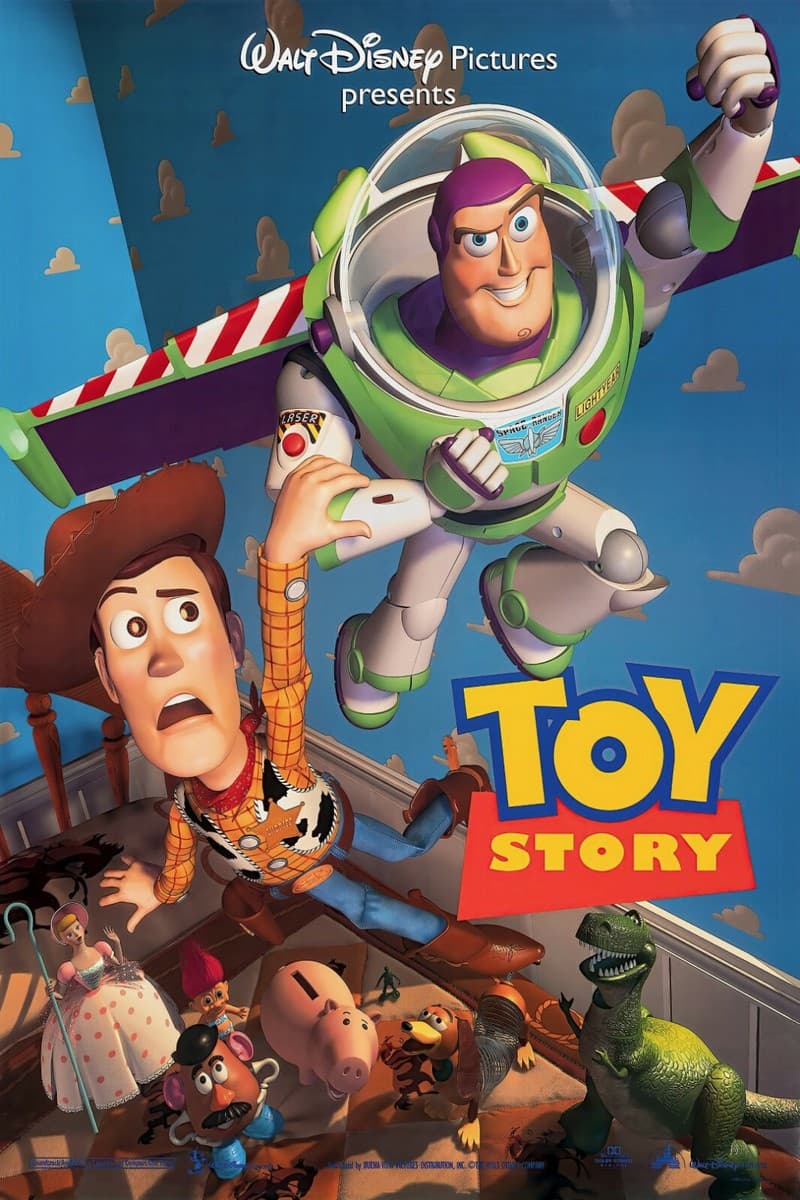
1995 // VHS
Toy Story
A pull‑string cowboy, a deluded space ranger and a small, very particular war over being loved.
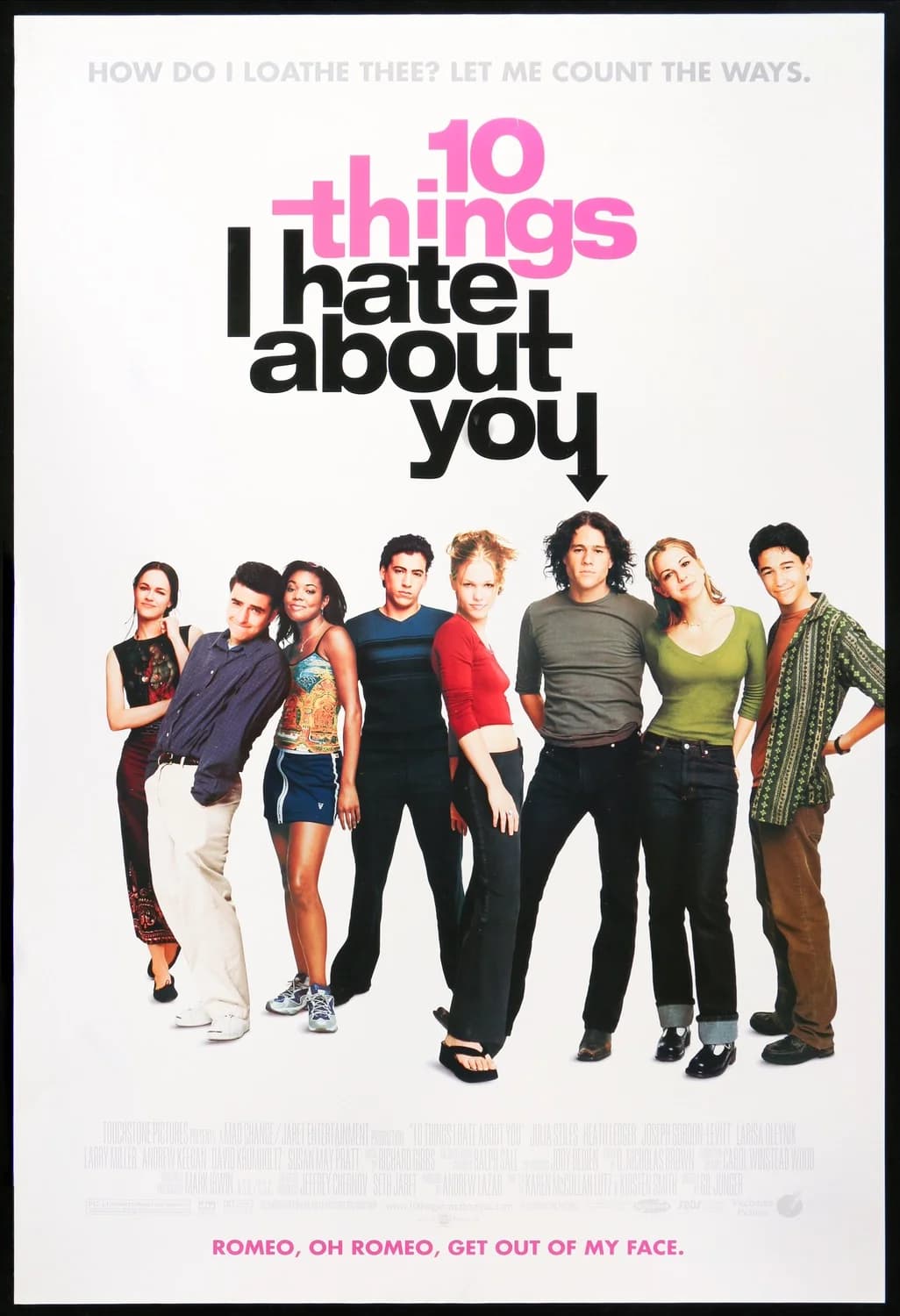
1999 // VHS
10 Things I Hate About You
Sibling rules, a rooftop serenade and one very stubborn Kat — Shakespeare in a school corridor.
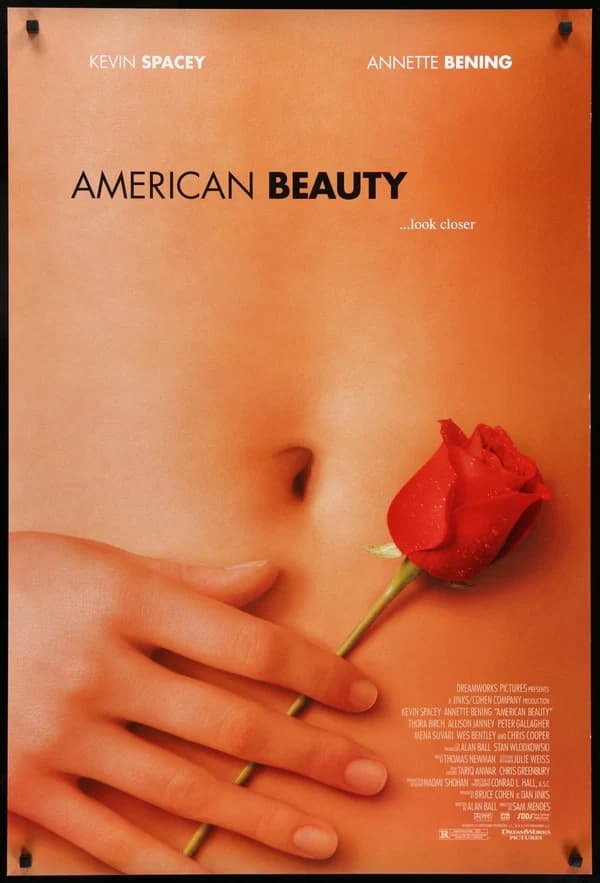
1999 // VHS
American Beauty
Lester Burnham, suburban rot and a midlife argument that still stings.