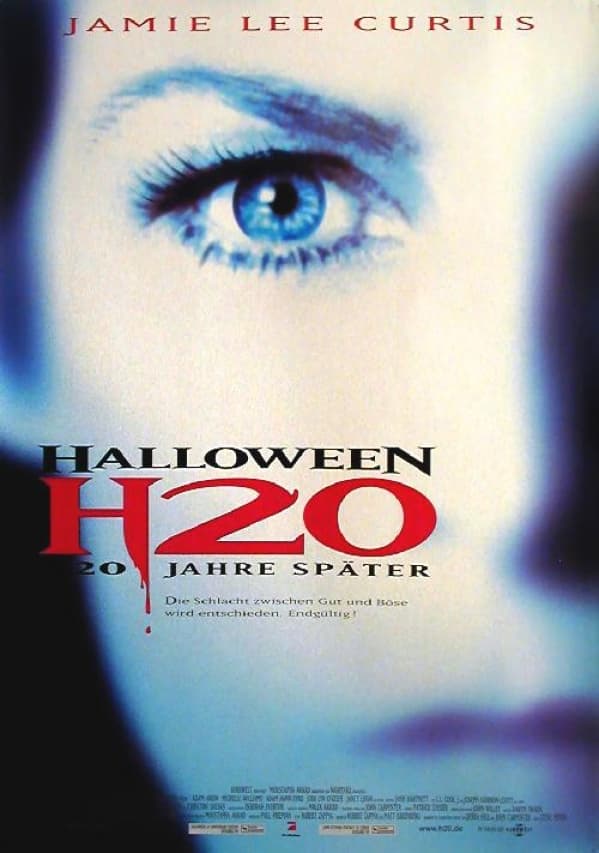
Halloween H20: 20 Years Later
Laurie Strode returns, under a new name, and she hasn’t forgotten how to fight.
// The setup
PLAYBACK STARTED
If you remember Halloween H20: 20 Years Later at all, you probably remember the shape of its promise: Jamie Lee Curtis back in the driver’s seat, a masked menace who won’t take a hint, and a boarding school that suddenly feels very unsafe. Steve Miner’s 1998 revisit drops Laurie Strode—now living as Keri Tate—into a familiar chase where the old wounds matter as much as the new scares.
THE MOVIE
Laurie Strode / Keri Tate is still the reason this movie works
What keeps Halloween H20: 20 Years Later gripping is straightforward: Laurie Strode is back, but she’s not the same person from 1978. Twenty years on she has faked her death, taken the name Keri Tate and runs Hillcrest Academy as its headmistress — which gives the film an unusual domestic, almost maternal centre.
Then Michael Myers turns up. His discovery of Laurie's assumed identity drags that old terror back into a place Laurie thought she’d insulated from it, and the collision between her life as a protector and his single-minded pursuit is where the picture keeps finding energy.
That shape — a 20th‑anniversary sell, Jamie Lee Curtis returning under a new name, and the direct Laurie–Myers confrontation — is exactly what Steve Miner and Dimension Films pitched in 1998, and it’s why people still bring the film up when they talk about the franchise’s late‑90s reboot attempts.
THE SETUP
The idea that sets Halloween H20: 20 Years Later in motion
You don’t need a long recap: Laurie Strode reinvented herself to survive. The film opens from that premise — she’s Keri Tate, head of a private boarding school — and then tests whether reinvention can hold when the past comes knocking.
What the script keeps at the centre is simple and practical: Laurie’s adult trauma and the safety of her teenage son matter more than any clever twist. The students’ Halloween activities give Michael the immediate opportunities he needs, which keeps the story brisk and focused.
Behind the scenes the film was presented as an anniversary continuation of the original Laurie–Myers arc, deliberately stepping around the events of Halloween 4–6 to make this feel like the ‘true’ next chapter. That framing is important because it tells you immediately what kind of film this wants to be: a direct, character‑led return rather than a messy franchise patchwork.
THE CHARACTER
Why Laurie Strode / Keri Tate matters
Laurie isn’t just a returning name on a poster. In H20 she’s a survivor who’s deliberately erased herself: fake death, assumed identity, new career. That’s not window‑dressing — the film’s choices and stakes come from someone who has spent years trying to keep danger at bay.
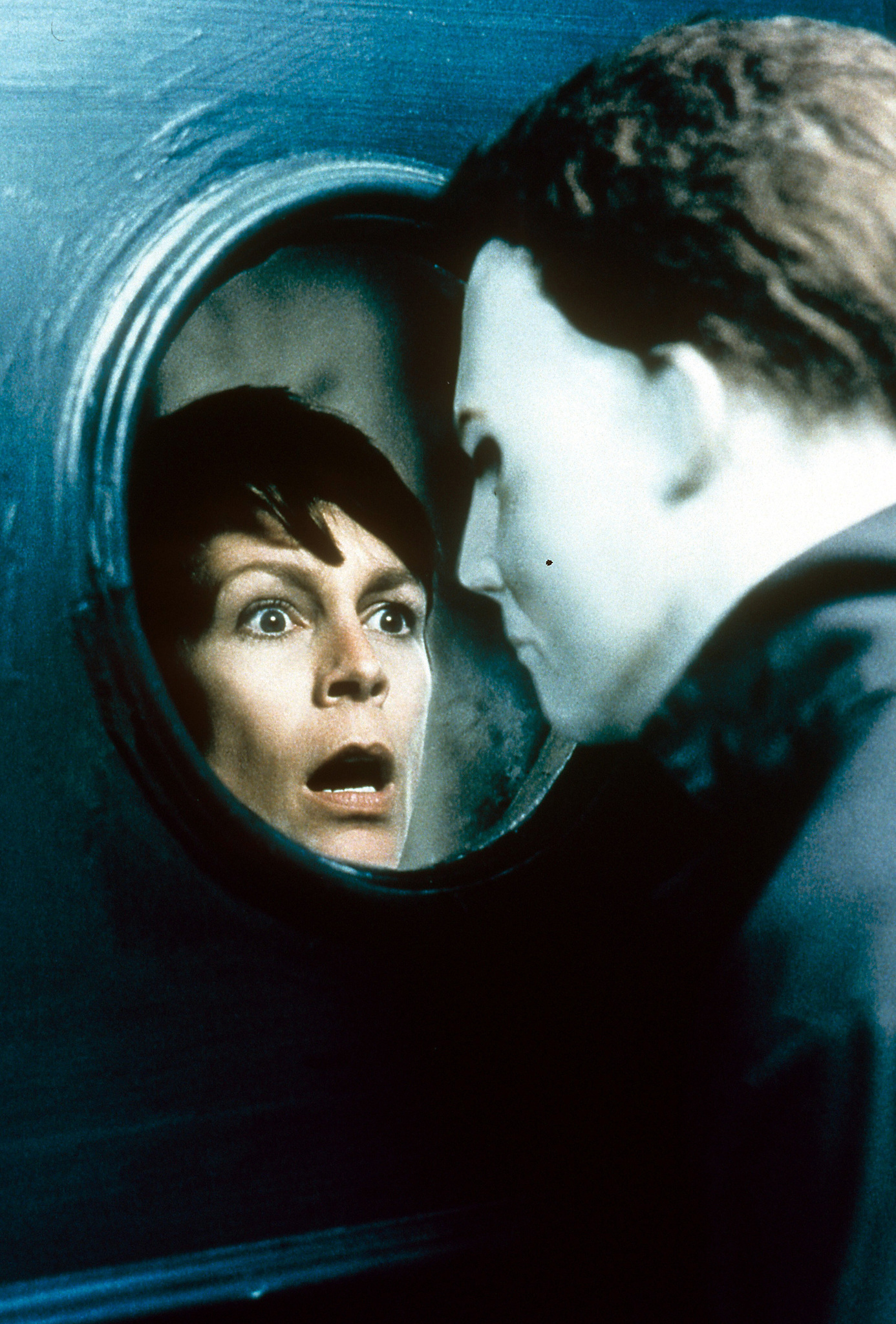
Putting Laurie in charge of a school sharpens her role as a protector. Her instincts are no longer only about self‑preservation; they centre on shielding the next generation and, crucially, her son. That parental angle gives the movie a clear, relatable motive behind every decision she makes.
And yes: this is a Jamie Lee Curtis role. Her return to Laurie is the literal bridge to the original film and the reason the whole exercise reads as a continuation rather than a reboot.
THE PERFORMANCE
Why Jamie Lee Curtis's performance matters
Contemporary coverage made a sensible point: Curtis’s return was the film’s principal selling point. The whole project is built around putting her back opposite Michael Myers and letting the audience see whether that old dynamic still has teeth.
That means the movie asks viewers to invest in Laurie as a character first, and to let the presence of Jamie Lee Curtis carry the reunion. The casting choice shapes how the film is read — as a comeback framed around a familiar figure rather than a fresh ensemble piece.
UNDER THE SURFACE
Halloween H20: 20 Years Later has more on its mind than the plot suggests
On the surface it’s a slasher: masked killer returns, people die. But the movie is quietly organised around trauma and survivorship. Laurie’s entire situation — faking her death, living under another name — is an attempt to reorder identity after an attack that reshaped her life.
Identity and reinvention are threaded through the plot. The assumed name and the boarding‑school setting aren’t just convenience; they show a woman trying to build a life that can withstand being hunted. The parental‑protection angle then complicates that project: survival now means keeping someone else safe.
Put together, these elements make H20 less about mystery and more about what a survivor does when the past refuses to stay buried.
PRACTICAL EFFECTS
The effects work that gives Halloween H20: 20 Years Later its physical personality
This is a film that relies on doing the heavy lifting in camera. The masked Michael Myers is a physical presence performed by stuntman Chris Durand, and the production used standard stunt and practical work for the confrontations.
That commitment to physical performance matters because Myers needs to be an implacable, tangible threat moving through corridors and crowds. The stunt team’s job is to make that menace feel real and immediate, and the credits list the usual practical stunt personnel responsible for those sequences.
PURE 80S
Halloween H20: 20 Years Later could not belong to any other decade
H20 is very much a late‑90s product: it was greenlit and sold in the shadow of the slasher revival that followed Scream and I Know What You Did Last Summer. The film’s marketing leaned into that moment, pitching a familiar franchise figure back to a new teen audience.
Dimension Films and Miramax framed it as a marquee 20th‑anniversary event, explicitly reintroducing Laurie Strode to a generation that might not have grown up with the original. That positioning shaped casting, tone and the idea that this was a straight‑line continuation rather than another detour through franchise sequels.
Kevin Williamson’s early involvement and the film’s place within that late‑90s commercial context explain a lot about why it looks and feels the way it does — a bridge between old‑school horror stamina and the era’s appetite for self‑aware slasher energy.
THE LEGACY
Why Halloween H20: 20 Years Later still matters
H20’s headline legacy is simple: it brought Jamie Lee Curtis back as Laurie Strode and turned that return into a high‑profile revival for the franchise in 1998. That alone explains why the film keeps being mentioned in franchise conversations.
For a time it also stood as the franchise’s biggest commercial rebound, and its decision to impose an alternate continuity — ignoring Halloween 4–6 — left a mark on later fan debates about which timelines count.
Put another way: H20 mattered because it reshaped how people talked about the series’ past and future by centring Laurie once more and by making a clear editorial choice about continuity.
THE VERDICT
Does Halloween H20: 20 Years Later still hold up?
Yes — with qualifications. If you watch H20 for Laurie Strode and the idea of an adult survivor trying to protect her son, you’re going to get what you want: the film places Laurie’s trauma and parental instincts at the centre and frames Michael’s return as a personal reckoning.
It’s short (86 minutes), focused and framed as a 20‑year continuation rather than a franchise reboot, which keeps the momentum tight. That makes it a satisfying evening‑in horror experience rather than a reinvention of the series.
If your interest is in franchise cleverness or world‑building, H20’s decision to sweep other sequels aside and deliver a direct Laurie–Myers confrontation may feel blunt. But if you care about a survivor’s story front and centre — and you want a brisk, late‑90s slasher packaged around Jamie Lee Curtis’s comeback — it still delivers.
Bottom line: watch it for Laurie. If that hook hooks you, the movie will do its job.
Share this movie
// Keep watching
More movies from the 90s
If Halloween H20: 20 Years Later is your kind of movie, there's plenty more on the shelves worth rewinding.
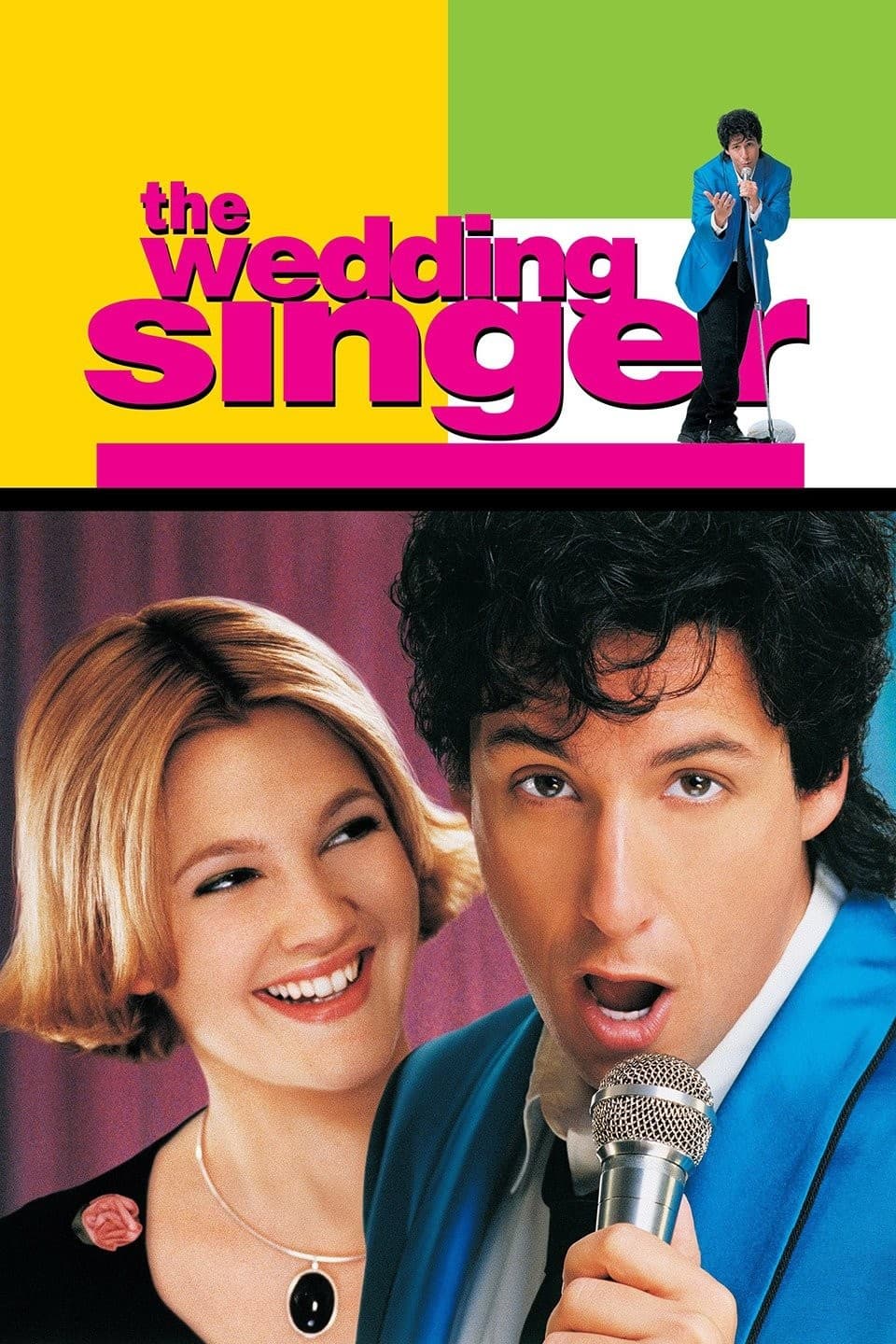
1998 // VHS
The Wedding Singer
A love story wrapped in 1980s pop — and carried by one very earnest wedding crooner.
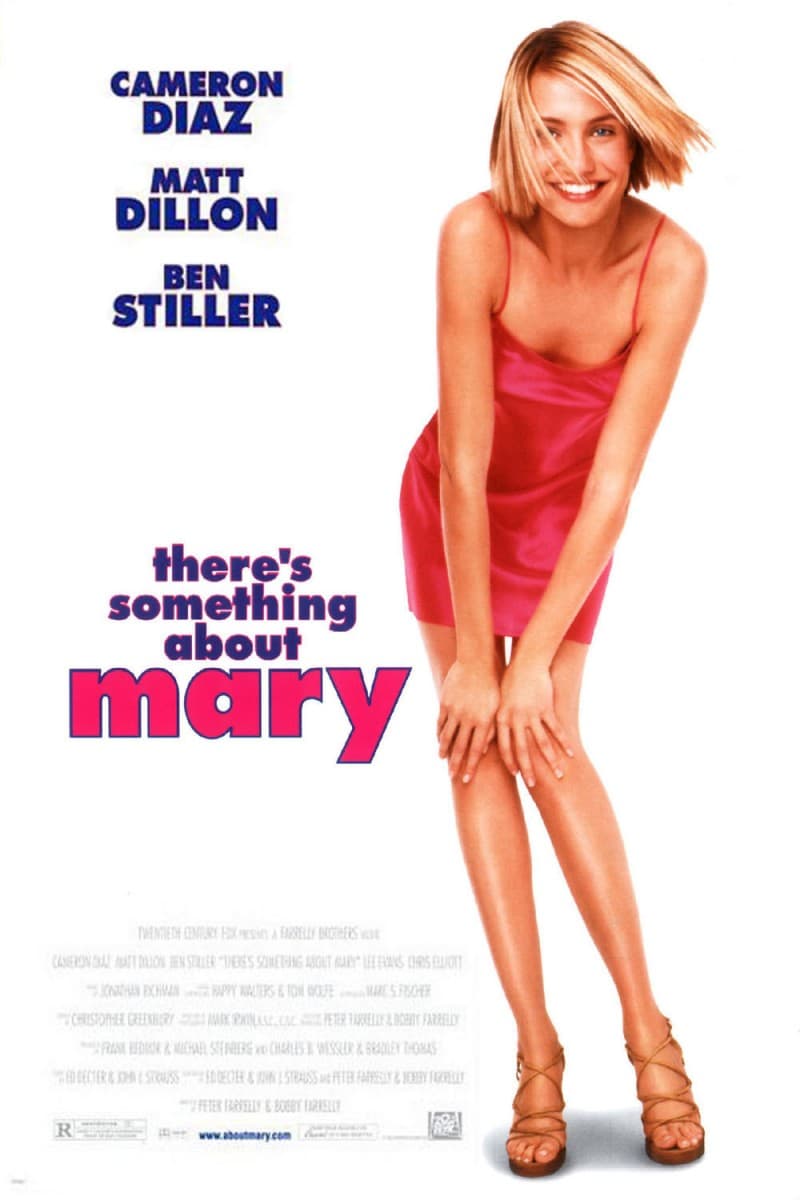
1998 // VHS
There's Something About Mary
Romantic obsession, awkward masculinity and a hair‑gel gag you can't unsee.
1999 // VHS
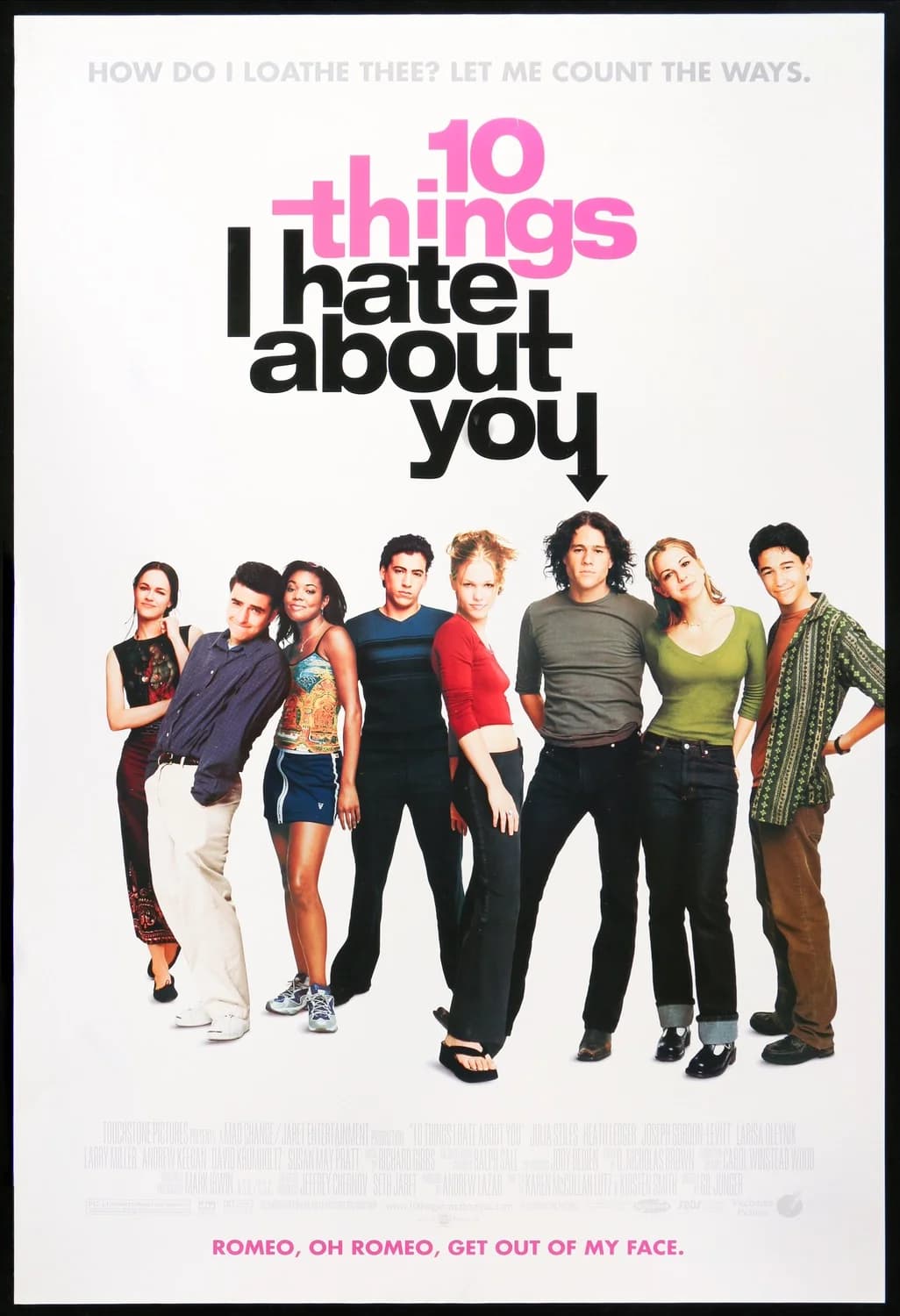
10 Things I Hate About You
Sibling rules, a rooftop serenade and one very stubborn Kat — Shakespeare in a school corridor.