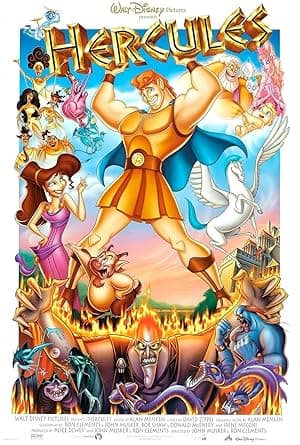
Hercules
A big-hearted take on myth — loud choruses, louder hair, and a hero who learns that strength isn't the same as belonging.
// The setup
PLAYBACK STARTED
Hercules is the sort of Disney movie that wears its questions on its sleeve: what makes someone a hero, and where do they belong? It pairs musclebound spectacle with a surprisingly gentle question about reputation, mentorship and finding home — all wrapped in a brisk 93-minute musical. It’s a film worth revisiting because the story keeps asking the right, simple things.
THE MOVIE
Hercules (adult, speaking voice) is still the reason this movie works
From the very first notes the film sets out a tidy promise: this is a story about a man who’s strong enough to move mountains but unsure where he actually belongs. Hercules is rescued from Olympus as an infant and raised on Earth, so he grows up with superhuman strength but a human hunger for home.
That tension — huge physical power matched to quiet uncertainty — is the engine beneath the jokes, the monsters and the show-stopping set pieces. The movie treats heroism as a choice, not just a set of biceps; the arc is about learning to link strength with moral courage and a sense of belonging.
John Musker and Ron Clements steer the whole thing with a brisk, muscular touch, and the adult speaking voice of the title character gives the film its steady centre. Visually and technically the team mix the old and the new — traditional drawing alongside digital tricks like morphing — which helps the picture feel playful rather than literal.
THE SETUP
The idea that sets Hercules in motion
At its simplest, Hercules is built on a clean, family-friendly premise: a god’s son is raised among mortals, discovers his strength, and sets out to prove he deserves a place back on Olympus. That desire to ‘belong’ and be recognised is what gives the action stakes beyond the slaying of monsters.
The external plot keeps that personal goal honest. Hades, the rival power, has his own political plan: use Hercules’ absence to seize Olympus. So the film balances intimate questions about identity with a fairly straightforward villainous plot — which stops the story becoming merely homespun sentiment.
Structure-wise the movie leans on a training arc and episodic confrontations. Phil, the trainer, is there to sculpt Hercules into a public hero; meanwhile the episodic monster fights — Hydra, Cyclops, Minotaur — keep the pace lively and show different flavours of what heroism might look like.
And because this is a musical, the Muses act like a chorus with attitude: narrators who give the tale a modern, gospel-tinged soundtrack and keep the storytelling nimble and fun.
THE CHARACTER
Why Hercules (adult, speaking voice) matters
Tate Donovan supplies the adult speaking voice that carries the film’s steadier moments, and that steadiness is important. Hercules isn’t written as a brooding demigod; he’s straightforward and polite, which lets the story use him as a blank for questions about belonging rather than an already-formed legend.
The character is clearly shaped to fit a family audience: he’s physically extraordinary but emotionally accessible. The film adapts myth to deliver that clarity — trimming down the thornier bits of the original stories so the central question becomes: what does it take to be a hero in everyday life?
The filmmakers also split the role across performers — Roger Bart provides the singing voice for the character’s big musical moments while Josh Keaton handles Hercules’ youthful speaking parts — which keeps the transitions from kid to man feeling deliberate and staged for emotional beats.
Finally, character styling was given a distinct flavour: the production brought in Gerald Scarfe as an adviser, and his influence helps make Hercules and the rest of the cast look like they belong in a slightly sharper, more linear cartoon world than some other Disney entries.
THE PERFORMANCE
Why James Woods's performance matters
Hades is one of those cartoon villains who sounds like he’s always in a hurry — and James Woods’ vocal turn is the main reason for that. Contemporary reviewers singled out his delivery for praise, especially the rapid-fire patter and sharp comedic timing.
That kind of performance changes how the character functions in the story: Hades rarely feels like a remote mythic threat. He’s present, chatty and scheming, which keeps the stakes lively and often funny.
Because the voice is so active, the film frames Hades’ plots as both political manoeuvring and comic set pieces. The contrast between his snappy asides and the earnestness of the hero keeps the whole movie from taking itself too seriously.
In short: the vocal performance gives Hades a momentum that the script happily rides, making him a memorable motor for the film’s conflicts.
UNDER THE SURFACE
Hercules has more on its mind than the plot suggests
On the surface it’s a romp: monsters, training montages, a few love beats. Underneath, the film keeps returning to a neat cluster of ideas — chiefly what makes a hero and where someone belongs. Hercules’ journey asks whether heroism is a label given by crowds or a set of choices you make when nobody’s watching.
Identity is threaded through the picture. Hercules literally lives between worlds — born on Olympus, raised on Earth — and the story uses that literal in-betweenness to talk about fitting in, not just returning to a throne but finding a place where you’re accepted.
Mentorship and reputation are a matched pair here. Phil’s role as trainer is about public performance: teaching Hercules the gestures of heroism so the world will recognise him. The movie teases the difference between being impressive on stage and being solid in private.
And because the film adapts ancient myth for families, it simplifies moral complexity into clear choices without flattening them — the remake of myth becomes a playground to test what courage and loyalty actually mean for ordinary people.
THE FILMMAKING
How Hercules was put together
Hercules has a definite look that separates it from its Disney siblings, and that’s no accident. The studio brought in British cartoonist Gerald Scarfe as an artistic adviser; his bold, linear instincts helped give the characters a sharper, more stylised profile than some earlier entries.
That stronger line work means the film reads easily at speed: the designs cut through busy musical numbers and monster fights without looking muddled. Scarfe’s influence was retained through production, so the stylisation feels consistent rather than a one-off flourish.
Directorially John Musker and Ron Clements — veterans of the Disney Renaissance — run a tight ship. Their approach keeps the movie decisive and uncluttered: it knows when to be funny, when to be swooping and when to slow down for a heart moment.
Put together, these choices give Hercules a bracing, slightly angular identity that sits well with its modernised retelling of myth.
PRACTICAL EFFECTS
The effects work that gives Hercules its physical personality
Although the film is hand-drawn at heart, the production also leaned on then-current digital methods to get the action where it needed to be. Morphing and other digital animation techniques were used alongside traditional drawing to smooth transforms and support big sequences.
That hybrid approach is especially clear in the creature work. Monster set pieces combine hand-drawn character animation with digital assistance to deliver smooth transformations and large-scale action that would have been very hard to stage otherwise.
One sequence in particular — the multiheaded Hydra — was unusually demanding and required extended animation work. The amount of time poured into it shows: the result is a sequence that feels dense and kinetic.
Taken together, the practical and digital choices let the movie swing between intimate character moments and genuinely large, showy confrontations without straining believability.
PURE 80S
Hercules could not belong to any other decade
Hercules arrived in 1997 at the tail end of what people call the Disney Renaissance — that run of hand-drawn musical features where studios were rethinking animated storytelling for broad audiences. The film slots comfortably into that era’s appetite for musicals that mix spectacle with emotional clarity.
Part of what gives the picture its distinct identity is that the production team treated visual development seriously: they even made a field trip to Greece and Turkey in 1994 to inform design choices. That research helped the film look and feel unlike other entries of the period.
So while Hercules shares DNA with its Renaissance siblings — musical structure, clear moral arcs — it also wears a look and energy shaped by specific visual research and a willingness to blend styles.
That mixture of careful design and tried-and-true musical mechanics is very much of its time: a hand-drawn feature at the point when animation was happily experimenting with digital tools and global reference.
WATCHING IT NOW
What has aged — and what hasn't
Plenty of the film’s bones still work. The core questions around identity and belonging remain simple and effective: they don’t rely on cultural shorthand that dates them quickly, so that central search for a place to belong still reads clearly.
The musical choices also help the film weather time. The split casting — with Roger Bart handling the big singing moments and Josh Keaton voicing the younger Hercules — keeps the emotional beats tidy, and the big song moments are built to land whether you’ve seen the film before or not.
Gerald Scarfe’s production input also gives Hercules a look that doesn’t simply blend into other late-90s Disney titles: the character styling still has a recognisable edge.
Where it shows its age is mainly in being a product of a time when animated features favoured a brisk tone and tidy moral answers. If you want complexity in motive and consequence, this is not the deepest mythic reworking — but if you want a warm, well-paced family adventure that asks earnest questions about belonging, it still holds up.
THE LEGACY
Why Hercules still matters
Hercules left a couple of clear footprints. Its song ‘Go the Distance’ earned an Academy Award nomination, which cemented the film’s place among the musical efforts of the era and gave it a standout emotional anthem.
Beyond the song, the picture expanded into a television animated series and other tie-ins, and a handful of characters — most notably the fast-talking Hades and the gospel-flavoured Muses — have remained recognisable in Disney’s wider catalogue.
That combination of a celebrated song and a stable of memorable side-characters is what keeps the movie turning up in Disney discussions: it may not be the studio’s most influential title, but parts of it have enjoyed a tidy afterlife.
In short: Hercules matters for its music and its colourful supporting players as much as for the central myth itself.
THE VERDICT
Does Hercules still hold up?
Yes — with a small, sensible caveat. If you want myth retold as a knotty, adult drama, this isn’t for you. But as a family musical that asks earnest questions about heroism and belonging, Hercules remains a tidy, enjoyable watch.
The film’s central drive — a mortal-raised hero seeking to prove himself while Hades pursues political control of Olympus — still reads clearly and gives the picture honest forward momentum. The mentorship arc with Phil, the episodic monster encounters and the Megara subplot combine into a well-paced 93 minutes.
The Muses' gospel-tinged narration keeps the film light on its feet, while the casting choices (Tate Donovan speaking, Roger Bart singing, Josh Keaton as the younger voice) make the transitions across the hero’s life feel purposeful rather than awkward.
So should you watch it now? If you’re after a smart, musical family adventure about what being a hero actually means — strength plus the willingness to make moral choices — Hercules still delivers. It’s not a reinvention of myth, but it’s an affectionate, well-built one, and that counts for a lot.
Share this movie
// Keep watching
More movies from the 90s
If Hercules is your kind of movie, there's plenty more on the shelves worth rewinding.
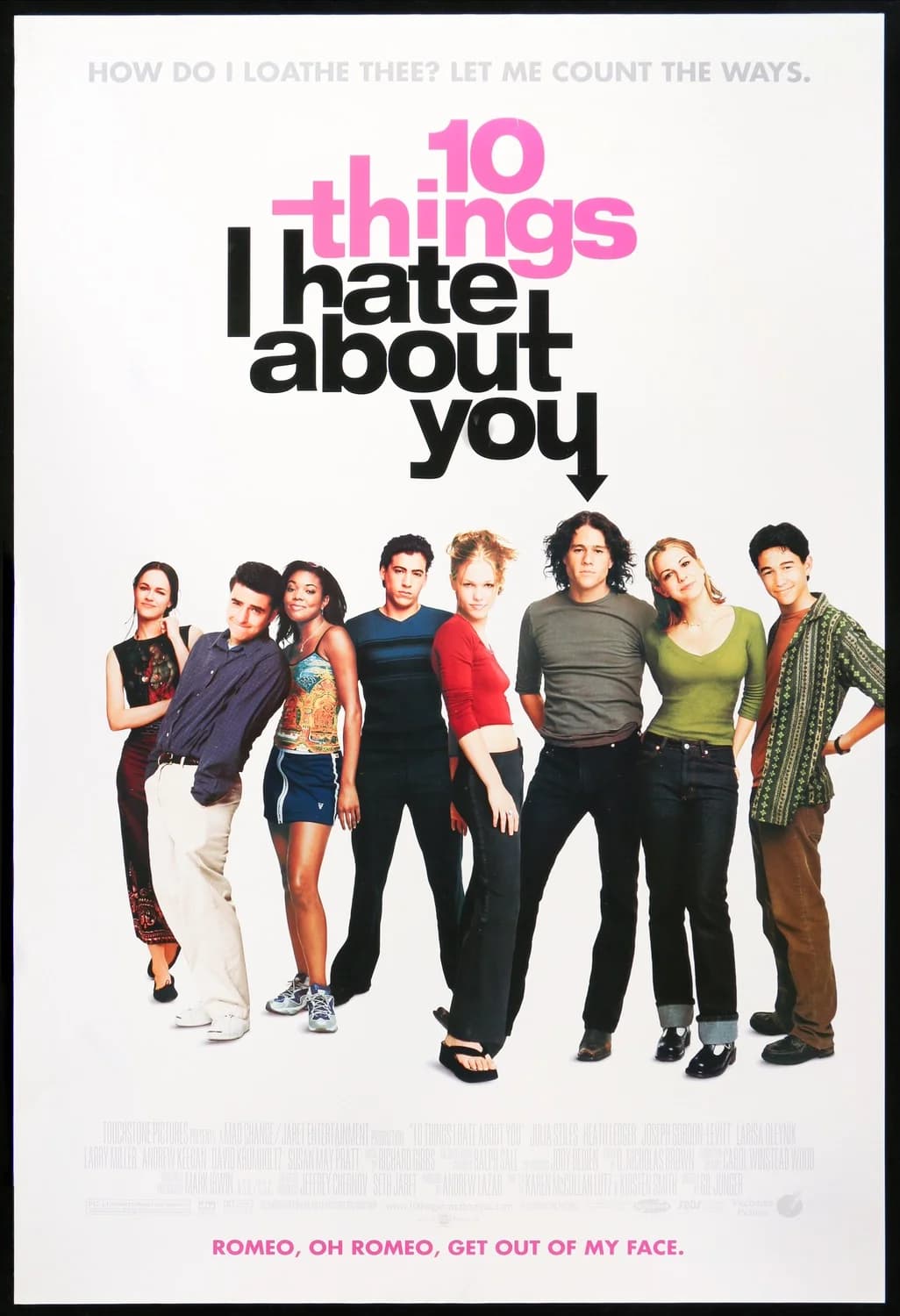
1999 // VHS
10 Things I Hate About You
Sibling rules, a rooftop serenade and one very stubborn Kat — Shakespeare in a school corridor.
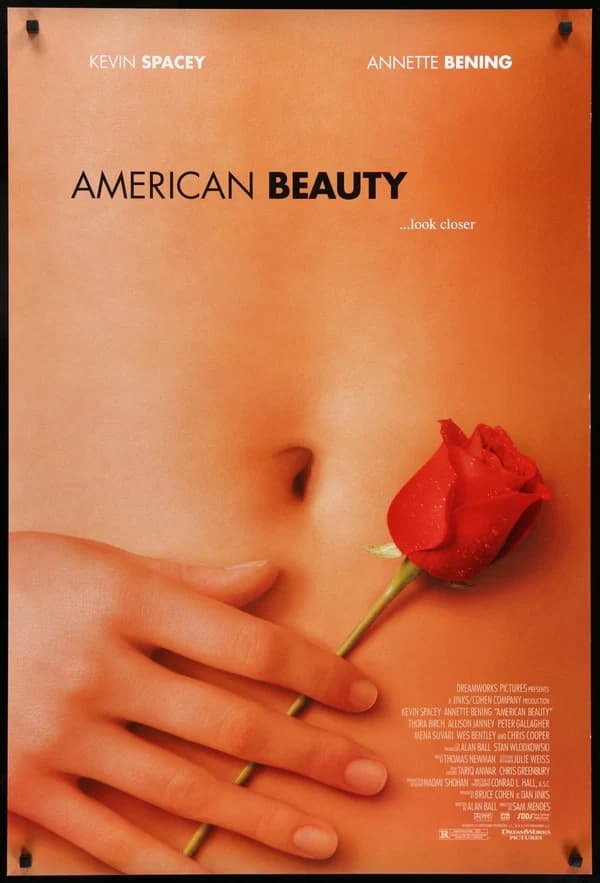
1999 // VHS
American Beauty
Lester Burnham, suburban rot and a midlife argument that still stings.
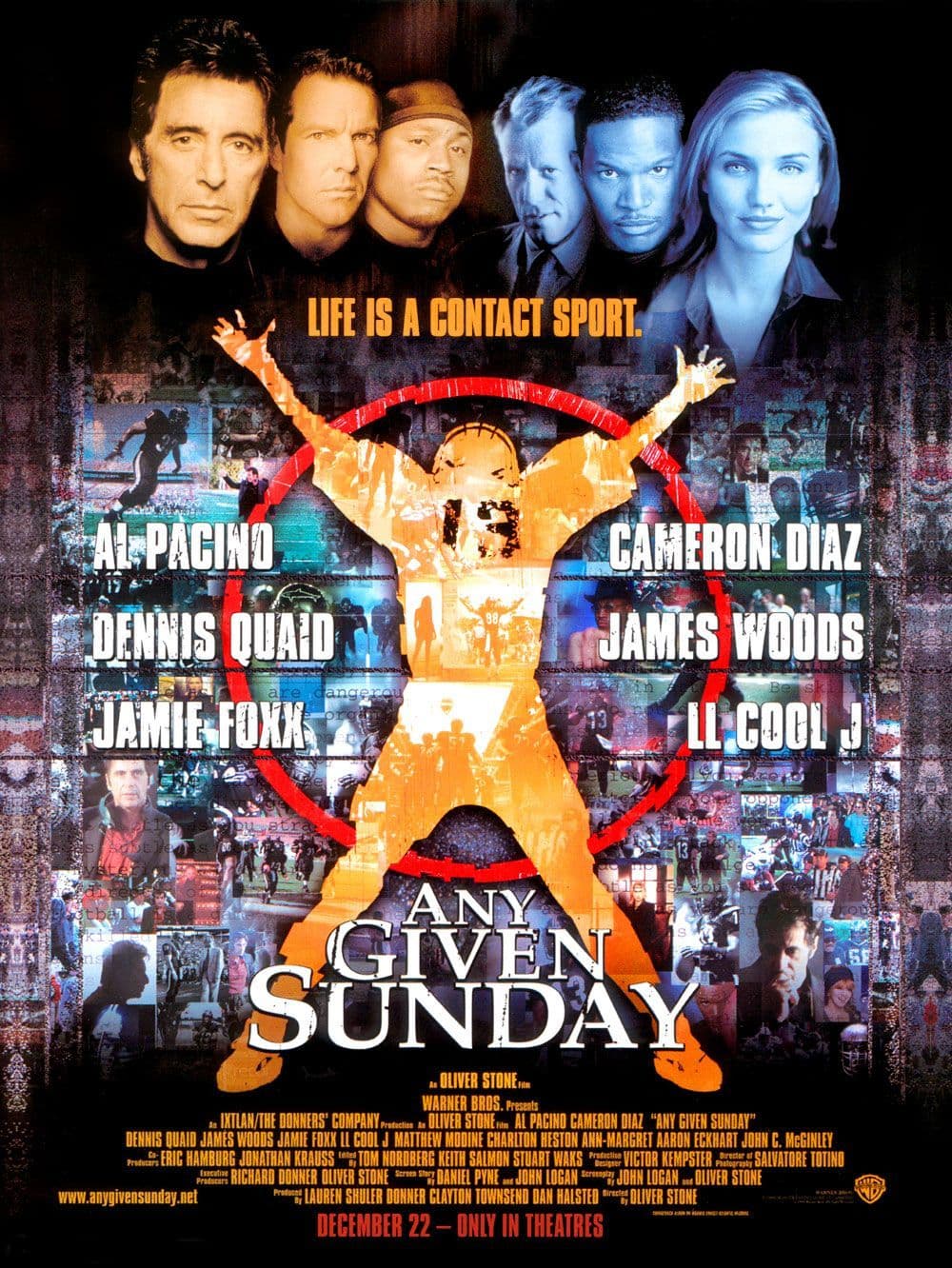
1999 // VHS
Any Given Sunday
Al Pacino's coach anchors the chaos of a film about football turned into product — loud, messy and oddly persuasive.