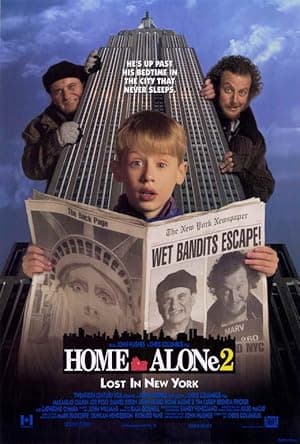
Home Alone 2: Lost in New York
Kevin in the city: booby traps, pigeons and a very expensive hotel.
// The setup
PLAYBACK STARTED
If Home Alone felt like a suburban caper, Home Alone 2: Lost in New York is its showy city cousin — same kid, larger playground. Directed by Chris Columbus and centred on Kevin McCallister, the sequel turns a travel mix-up into two hours of streetwise mischief, unexpected kindness and grown-up embarrassment.
THE MOVIE
Kevin McCallister is still the reason this movie works
What keeps people coming back to Home Alone 2: Lost in New York isn’t the Plaza Hotel or the holiday merchandise — it’s Kevin. The movie owes its energy to a simple premise: after a travel mix-up, Kevin McCallister ends up on a plane to New York while the rest of the family flies to Florida.
Once in the city he checks into the Plaza using his father’s credit card, roams the streets with a child’s curiosity, and only later discovers that the Wet Bandits — Harry and Marv — have escaped prison and followed him. That setup hands the film permission to swing between gags and something softer: a boy proving he can look after himself and, in the process, learning how to look after others.
Chris Columbus directs the whole thing with the same broad-family film instincts that shaped the first movie, and Macaulay Culkin returns as the scrappy centrepiece: a resourceful, self-reliant child who must outwit adult opponents and reconnect emotionally with his family.
THE SETUP
The idea that sets Home Alone 2: Lost in New York in motion
You don’t need a complicated pitch: a child accidentally separated from his family lands in Manhattan, while the villains from the original film decide to pull off a toy-store job back in the city. The contrast is cinematic shorthand — small boy versus big city, mischief versus real menace.
Kevin stumbles into the Plaza, lives it up a little, then notices the Wet Bandits plotting to rob Duncan’s Toy Chest on Christmas Eve. That’s his cue to act.
He doesn’t call adults and wait for help. He rigs an uncle’s vacant, under-renovation townhouse with traps and throws himself back into defensive mode, which keeps the film brisk and clear: the child uses cleverness to confront adult threats, and the comedy grows out of those confrontations.
The movie also arrived at a moment when studios planned multi-layered releases — it was a sequel with a big merchandising push, including toys developed in cooperation with manufacturers, which shaped how the film was packaged and sold to audiences.
THE CHARACTER
Why Kevin McCallister matters
Kevin is the engine. The film is written and staged around him as a resourceful, self-reliant child who can turn household objects into a defensive toolkit and a confusing city into a playground. That trait keeps the comedy kinetic and the stakes simple.
It’s important that the story doesn’t treat him as a prankster for pranks’ sake. Kevin’s cleverness is practical — it’s about getting people to safety, stopping a theft, and sorting out the emotional mess back home.
His New York detour — checking into the Plaza with his father’s card, befriending a pigeon-feeding homeless woman, and stumbling into the Wet Bandits’ path — lets the character flex different muscles. He’s mischievous, yes, but he’s also learning responsibility and connection.
As a family-film protagonist, Kevin holds the audience’s attention because the plot reliably returns to his choices: whether to hide out, to help, or to reach back for his family. That arc is what makes him memorable beyond the traps.
UNDER THE SURFACE
Home Alone 2: Lost in New York has more on its mind than the plot suggests
On the surface it’s slapstick and urban set-pieces; under the surface it’s about a kid testing independence and figuring out how to be useful. Child independence and ingenuity isn’t just a gag generator — it’s the way the film asks whether a child can be agent and caretaker at once.
There’s a quietly different strand in Kevin’s friendship with the Pigeon Lady. That relationship brings urban compassion into the story: loneliness, trust and human connection during the holidays are treated as central to Kevin’s moral shift.
Family and forgiveness quietly thread through the cacophony of pranks. The movie keeps circling back to the idea that mistakes happen, people hurt each other, and there’s a chance to make amends — even if the path there involves booby traps.
Finally, the film wears its commercial era on its sleeve: consumerism and holiday commercialism are present as both setting and plot engine, from toy-store stakes to the film’s wider merchandising — it’s a Christmas story that knows presents matter to its characters and to the audience.
PRACTICAL EFFECTS
The effects work that gives Home Alone 2: Lost in New York its physical personality
The film’s physical comedy relies heavily on stunt work and practical rigs. When Kevin’s traps catch a foot or an elbow, those moments are made by mechanics and coordination rather than digital trickery.
That practical approach gives the pain a tactile quality: it reads as physical business happening in a room, not a digital illusion. It’s an old-fashioned toolbox of comedy — bang, spring, wobble — staged to get the laugh and the reaction.
Because the sequences are coordinated by a stunt department and use real rigs, they keep the movie feeling immediate; the humour arrives in the collision of a child’s cunning with very physical consequences for the villains.
PURE 80S
Home Alone 2: Lost in New York could not belong to any other decade
Released in 1992, Home Alone 2 sits squarely in an era when studio sequels and franchise merchandising were taken seriously as part of a film’s plan. The movie was packaged and promoted with that mindset: it was made to be a family sequel and a product platform.
That isn’t a dig so much as context. The film’s broad merchandising — toys and licensed products developed with manufacturers ahead of time — was part of how studios treated family cinema in the early 1990s, and the sequel’s shape reflects this commercial environment.
So when you watch it now, you’re seeing a film that was created to live on shelves as well as screens: entertaining in its own right, and engineered to become part of a seasonal habit.
WATCHING IT NOW
What has aged — and what hasn't
Home Alone 2 is still recognisably a family movie in structure and tone: it runs for two hours and keeps a steady line of comedy and sentiment aimed at a broad audience. That runtime lets it breathe, but it also means the film stretches its ideas across more set-pieces than the original.
The themes that matter most — family and forgiveness, and the child’s move from mischief toward responsibility — still read clearly. Kevin’s choices (from using his father’s credit card to befriending the Pigeon Lady) remain the beating heart of the plot and give the bigger set-pieces a reason to exist.
Practically, some details show their era — the merchandising tie-ins and the way the movie is positioned as a product are very early-1990s — but that packaging doesn’t erase the film’s emotional elements. The moral arc and the urban compassion thread retain their force.
In short: watch it for the pleasures it was made to deliver — a bright, sometimes silly family comedy with a genuine kindness at its core — and you’ll find most of those pleasures intact.
THE LEGACY
Why Home Alone 2: Lost in New York still matters
Home Alone 2 matters because it continued a franchise that clearly found a wide audience; as a direct sequel it expanded Kevin’s story and kept its core conceit intact. The film is an early installment of the Home Alone franchise and sits alongside the original as a recognisable follow-up.
Its merchandising left a trace: the Talkboy prop is a concrete example of the movie moving from screen to store shelves, becoming a retail item after the film’s home-video release.
Those elements — sequel continuity and a visible merchandising footprint — are why the movie is still talked about as part of the Home Alone package, even if opinions on its quality vary.
THE VERDICT
Does Home Alone 2: Lost in New York still hold up?
Yes — with reservations. The film does what it sets out to do: it gives Kevin McCallister a bigger stage and a string of inventive confrontations with Harry and Marv, and it keeps returning to the moral beats that matter. If you want more traps and more city-sized set-pieces, it delivers.
What helps the movie survive the years is the way Kevin’s practical cleverness ties into a genuine moral turn: befriending the Pigeon Lady and protecting Mr. Duncan’s toy store shift his motivation from mischief to responsibility. That emotional thread gives the slapstick weight.
The film wears its early-1990s commerce openly — talk of toys and the Talkboy merchandising are part of the package — but that doesn’t erase the film’s warmth. Joe Pesci’s work was even recognised with a nomination at the 1993 American Comedy Awards, which is a reminder the film’s comic elements were noticed at the time.
So should you watch it now? If you like family comedies that balance silly physical set-pieces with a clear moral throughline about growing up and connecting with others, Home Alone 2 still rewards a viewing. It’s not just nostalgia: it’s a loud, sometimes daft Christmas film that remembers how to be kind underneath the chaos.
Share this movie
// Keep watching
More movies from the 90s
If Home Alone 2: Lost in New York is your kind of movie, there's plenty more on the shelves worth rewinding.
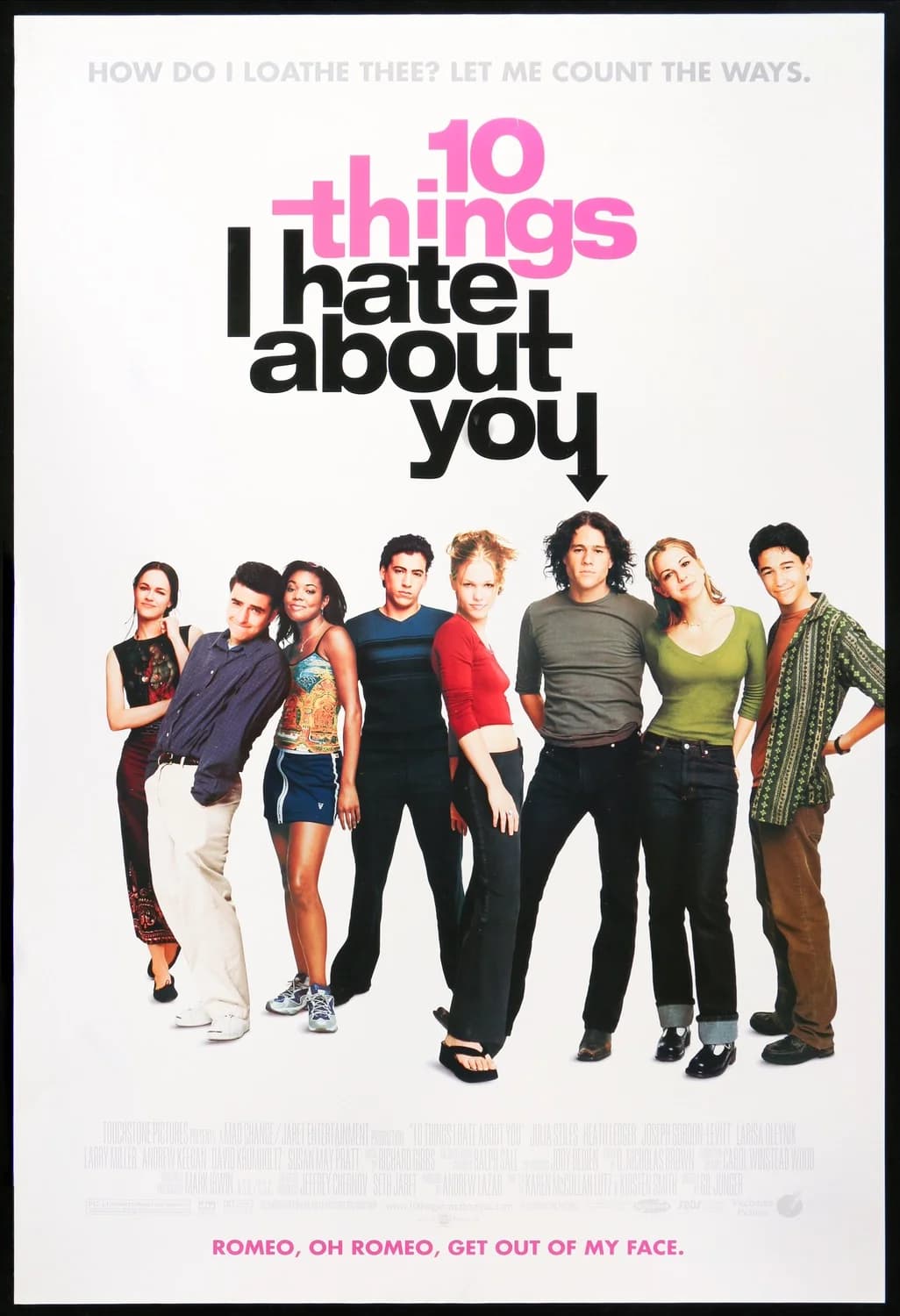
1999 // VHS
10 Things I Hate About You
Sibling rules, a rooftop serenade and one very stubborn Kat — Shakespeare in a school corridor.
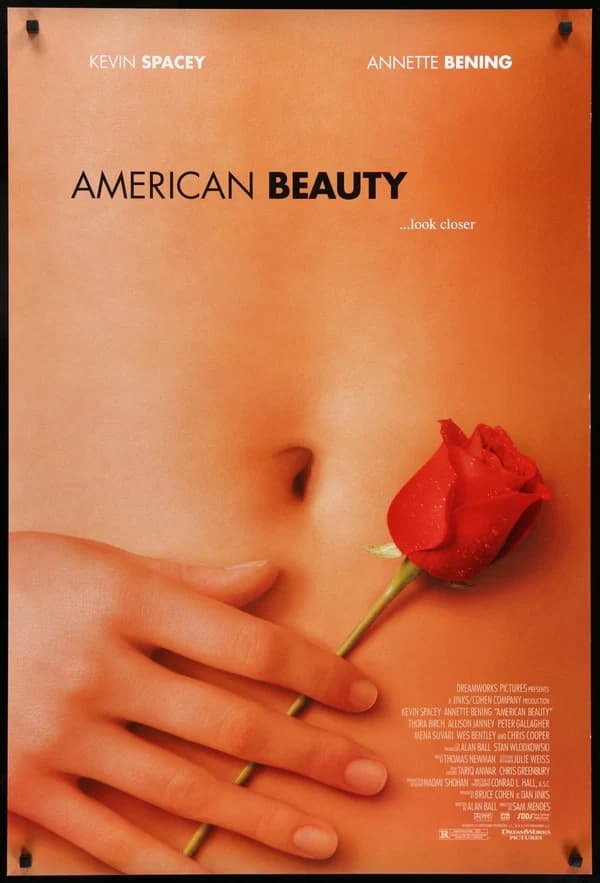
1999 // VHS
American Beauty
Lester Burnham, suburban rot and a midlife argument that still stings.
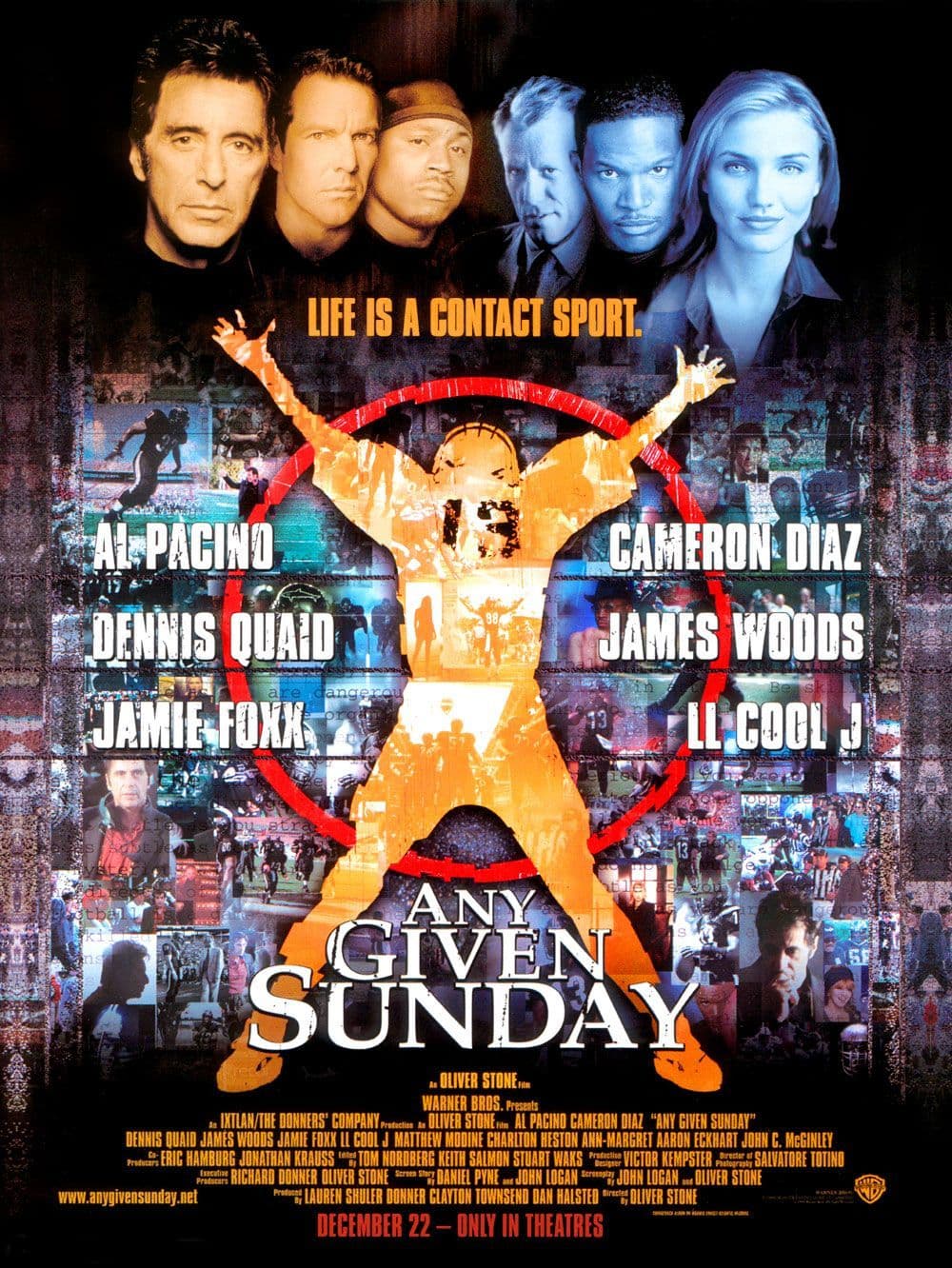
1999 // VHS
Any Given Sunday
Al Pacino's coach anchors the chaos of a film about football turned into product — loud, messy and oddly persuasive.