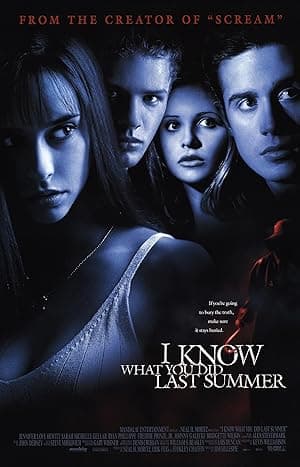
I Know What You Did Last Summer
Teenage secrets, a hook, and one girl left to clean up the mess.
// The setup
PLAYBACK STARTED
I Know What You Did Last Summer hooks you with a simple, awful promise: one bad night, one dozen decisions that echo. Jim Gillespie's 1997 slasher turns that promise into a tidy machine — a thriller that runs on guilt, anonymous threats and the stubborn stare of its surviving centre, Julie James.
THE MOVIE
Julie James is still the reason this movie works
There’s a grubby little engine under I Know What You Did Last Summer that keeps it moving: four friends decide to hide a hit-and-run and, a year later, someone with a hook and a grudge starts sending them anonymous, terrifying reminders. The premise is uncomplicated but effective — cover-up breeds paranoia, and paranoia makes people do worse things than they’d have done sober.
Julie James sits in the middle of all of it. Played by Jennifer Love Hewitt, she’s presented as the film’s emotional centre and the surviving ‘final girl’ whose conscience keeps bumping against the group’s cowardice. The film funnels its questions about guilt and consequence through her.
Directed by Jim Gillespie and running a lean 100 minutes, the movie is a slice of late-90s horror that leans on tension and teenage fallibility rather than complicated mythology. Which is to say: it’s not trying to be Scream, but it knows exactly which buttons to press.
THE SETUP
The idea that sets I Know What You Did Last Summer in motion
You don’t need twenty pages of backstory here. The engine is a single terrible choice: after a nighttime accident, four friends decide to cover it up rather than report it. That decision is the film’s moral fuse.
What follows is tidy and procedural. One year later the group begins receiving anonymous notes and staged corpses, and a hook-wielding attacker starts to stalk them. The threats are the plot’s currency — notes, corpses and carefully timed shocks that force the friends to confront what they’ve buried.
Those mechanics do two jobs. On the surface they deliver set-piece jolts. Underneath they push the characters toward confession or violent confrontation; the anonymous messages are less about scaring people and more about making the secret sweat.
Even the production approach feeds the tone. The filmmakers opted to keep gore off-camera for much of the shoot, only adding a more explicit throat-slash spatter in a later take when producers felt the original was implausibly neat. That choice keeps the movie brisk and focused on consequences rather than spectacle.
THE CHARACTER
Why Julie James matters
Julie James isn’t just the person who survives; she’s the screen’s conscience. The story funnels its moral friction through her — her worry, her hesitation, the places where she disagrees with the choice to hide what happened. That makes her the obvious point of identification when the plot tightens.
Because the film is structured around a small group decision, someone has to react openly to guilt. Julie fills that slot, which gives the movie emotional gravity it might otherwise lack. When the anonymous threats arrive, the audience has a clear character to root for — someone whose discomfort feels like a reasonable reaction to their culpability.
That placement matters if you want the plot to feel about something beyond jump scares. The film keeps returning to Julie because her moral logic is the clearest counterweight to the cover-up; if she didn’t exist, the story would be little more than mechanical revenge.
And, yes, she’s the ‘final girl’ in the classic slasher sense: the one left holding the pieces, forced to face the consequences the others try to dodge.
UNDER THE SURFACE
I Know What You Did Last Summer has more on its mind than the plot suggests
On the face of it this is a neat revenge thriller: do something awful, and it comes back to bite you. But the film’s constant return to secrets and cover-up gives it a weightier heartbeat. Guilt is not just a plot consequence; it’s the thing that reshapes relationships.
There’s a clear coming-of-age layer too. The characters are young, and that youthful hubris — the belief you can fix an accident by pretending it never happened — is punished. The film uses slasher beats to mark the end of adolescent innocence: mistakes stop being private and become public, violent and inescapable.
Revenge is important here, but less as an abstract motive and more as a demonstration that past actions have a stubborn way of resurfacing. The anonymous notes and staged corpses are ways the past insists on being noticed.
Put together, these concerns make the film about moral collision: self-preservation versus accountability, and what survives when a group tries to erase a single night.
PRACTICAL EFFECTS
The effects work that gives I Know What You Did Last Summer its physical personality
The film’s physical touches are modest but purposeful. There was an early reluctance to show explicit blood in principal photography; when producers felt a throat-slash shot read as medically impossible, they re-shot that moment in post-production to add visible blood spatter across glass. It’s a small change, but it pushes a scene from implied violence to something that looks and feels messier.
Likewise, an extra kill — the crab-factory death — was filmed after principal photography and added into the final cut to give the movie an earlier, more visceral jolt. Those decisions show how the production used practical additions to sharpen the film’s shocks without turning it into a gore-fest.
The result is a film that keeps the brutality mainly off-screen, but isn’t afraid to insert tactile grossness where it will do the most structural work.
PURE 80S
I Know What You Did Last Summer could not belong to any other decade
This is very much a late-1990s creature. It arrived during a brief mainstream revival of teen-targeted slashers that followed Scream’s success, and the film’s publicity leaned on that same writer-driven momentum to find an audience.
Casting choices and marketing were built to entice teens and young adults: an October 1997 release, a roster of familiar young actors, and promotion that associated the screenplay with Kevin Williamson’s earlier hit. It’s the product of a studio strategy that knew how to sell scares to a youthful crowd.
So the film belongs to a moment when Hollywood decided the slasher could be refreshed with TV-known actors and lean, tidy plotting. That context explains both its pleasures and its limits: it’s contemporary comfort-horror rather than reinvention.
WATCHING IT NOW
What has aged — and what hasn't
How the film plays now depends on tolerance for late-90s slasher conventions. Contemporary coverage highlighted the cast and the film’s production polish while calling the plotting fairly conventional — and that remains a fair shorthand today: it ticks the expected boxes, no more and no less.
Some elements still land. The central moral question — can a group live with a buried crime? — hasn’t dated. The film’s structure, built around escalating attacks that force confessions and fractures among friends, still provides momentum.
Other parts are more time-stamped: the movie wears its late-90s studio strategy on its sleeve, which means it’s designed to be satisfying rather than startling. That makes it comfortable to revisit, even if it rarely surprises the genre aficionado.
And its immediate sequel, released the very next year, underlines how the original was positioned as the start of a franchise rather than a standalone statement.
THE LEGACY
Why I Know What You Did Last Summer still matters
Why does the film still get mentioned? Partly because it started a small franchise: a theatrical sequel followed in 1998 and a third entry landed direct-to-video in 2006. That continuity kept the original in people’s heads beyond a single season.
Its marketing link to Scream and its clear position in the late-90s slasher revival made it a visible part of the era’s horror conversation. It wasn’t a revolution, but it was reliably bankable enough to generate immediate sequel development.
Finally, the property’s repeated returns in film and television formats — remakes, reworkings and adaptations in later years — show that the central set-up (a buried accident returning to demand reckoning) still feels usable. That’s a kind of staying power: not cultural dominance, but a premise that filmmakers keep coming back to.
THE VERDICT
Does I Know What You Did Last Summer still hold up?
Short answer: yes — if you’re after a tidy, late-90s slasher that cares more about moral consequences than inventing new tricks. The film’s premise is simple and economical: four friends hide a hit-and-run, and someone starts punishing them a year later with anonymous notes and staged corpses. That premise structures a series of escalating set-piece attacks that also dismantle friendships and force confessions.
Julie James remains the film’s lodestar; the narrative funnels ethical tension through her, which keeps the story feeling human even when it’s doing genre work. Contemporary notices singled out Jennifer Love Hewitt’s turn as a notable element, which is to say the movie gives you a character worth following.
If you object to predictable plotting, this will feel conventional. If you want pace, atmosphere and a questions-about-guilt engine rather than high-concept novelty, it will deliver. The film’s production choices — keeping gore mostly off-screen but adding practical moments where they matter — keep it focused and watchable.
So should you watch it now? Put it on when you want a compact, moody slasher with a clear moral throughline and a final girl who does the emotional heavy lifting. It won’t surprise you, but it will still make you squirm when secrets start turning up in the mail.
Share this movie
// Keep watching
More movies from the 90s
If I Know What You Did Last Summer is your kind of movie, there's plenty more on the shelves worth rewinding.
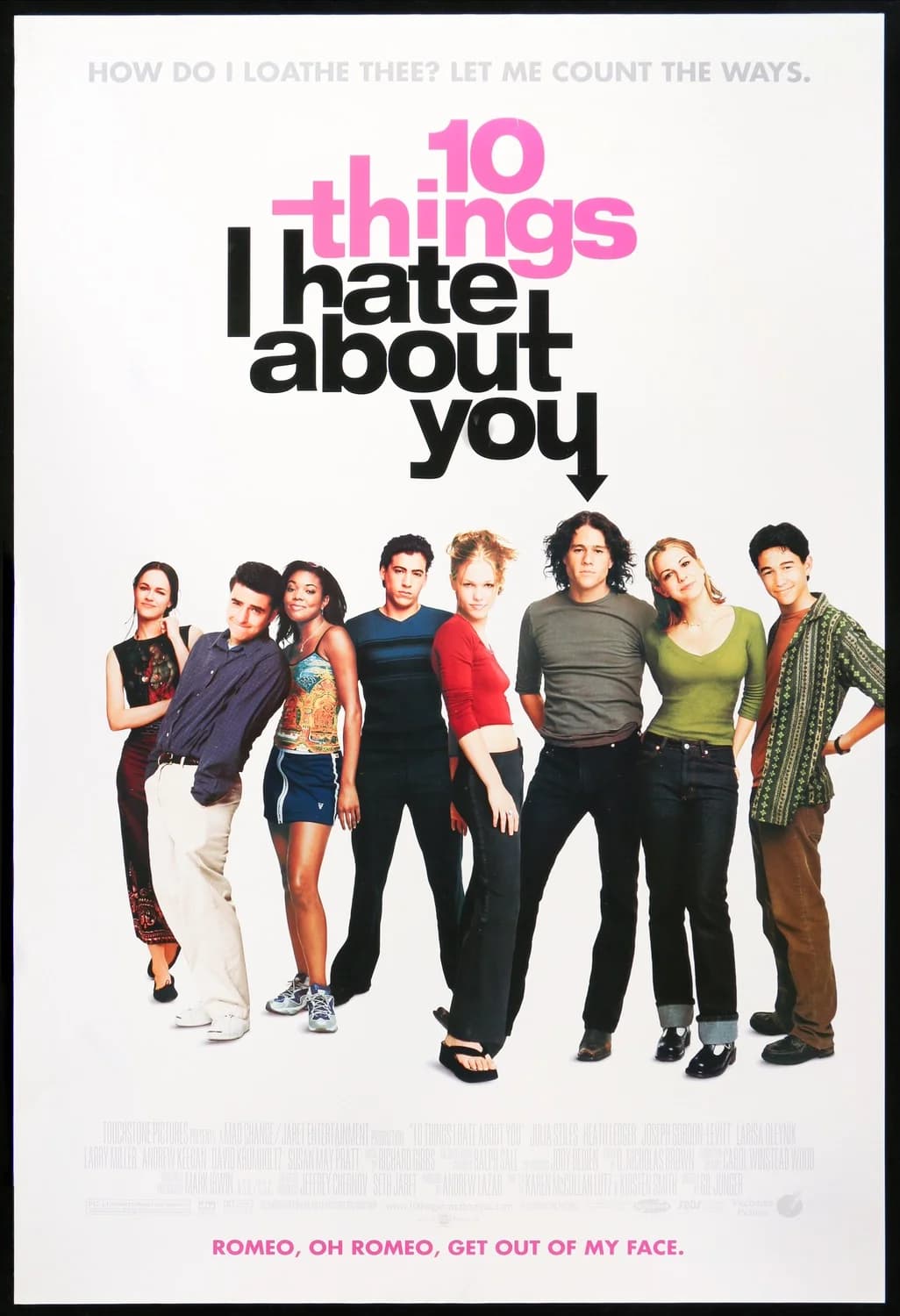
1999 // VHS
10 Things I Hate About You
Sibling rules, a rooftop serenade and one very stubborn Kat — Shakespeare in a school corridor.
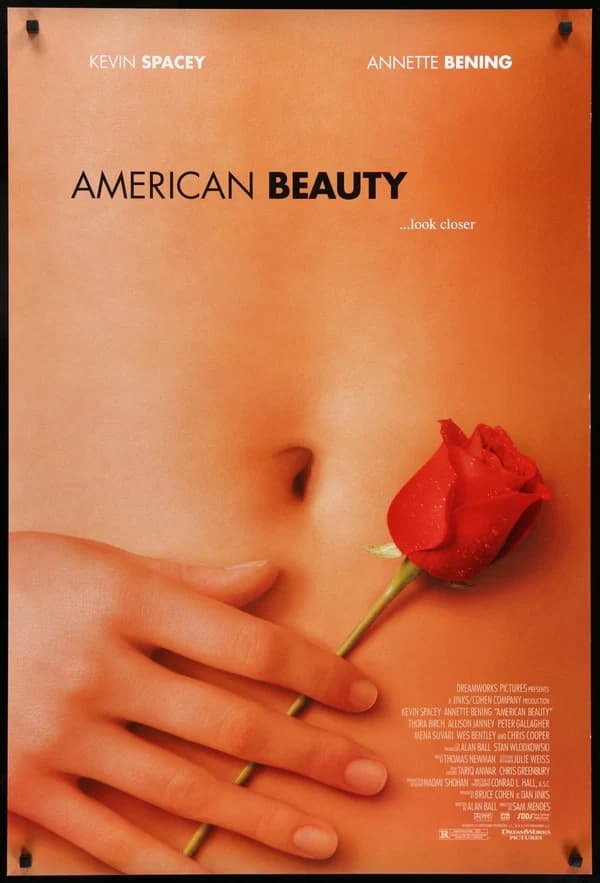
1999 // VHS
American Beauty
Lester Burnham, suburban rot and a midlife argument that still stings.
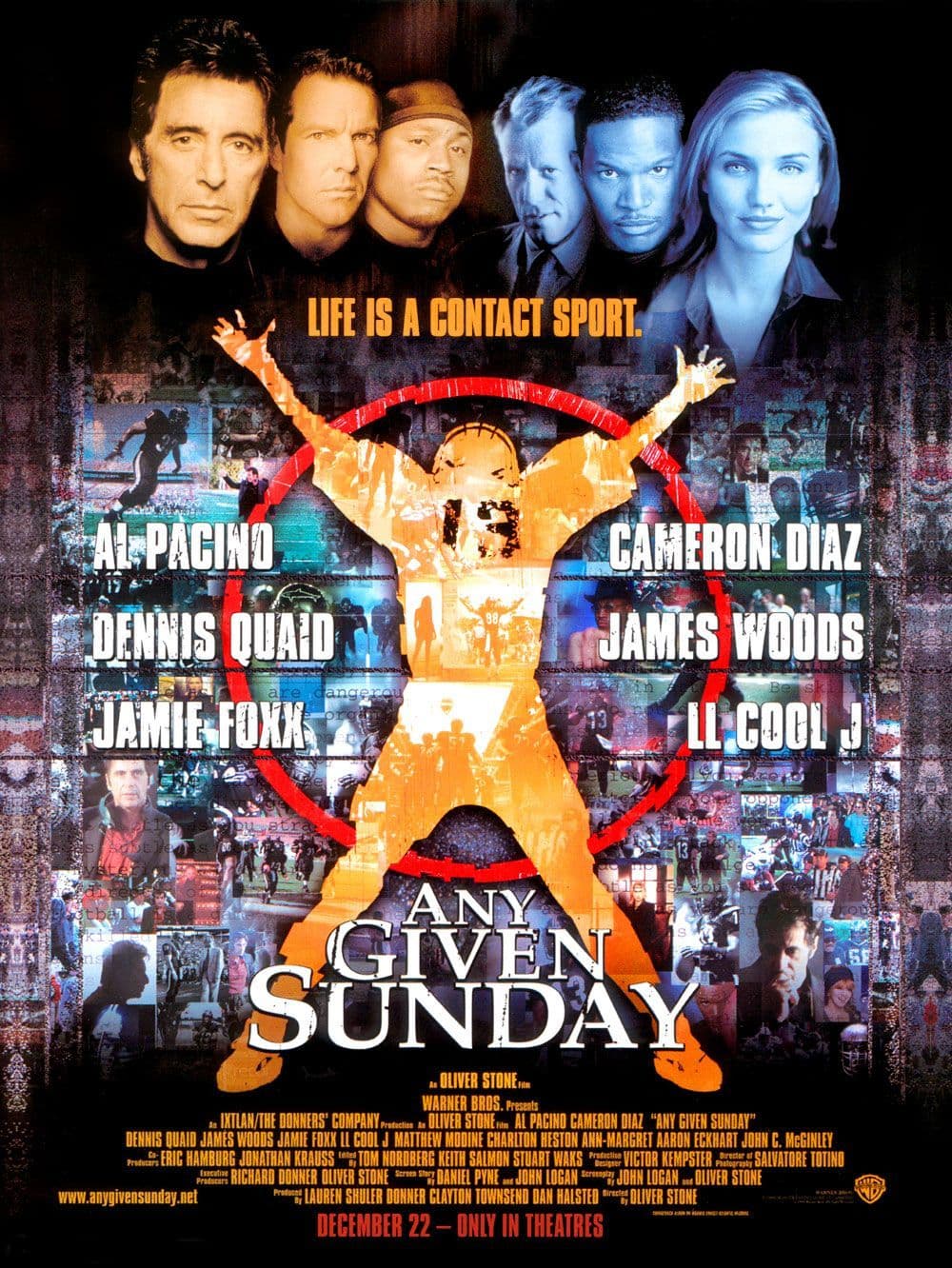
1999 // VHS
Any Given Sunday
Al Pacino's coach anchors the chaos of a film about football turned into product — loud, messy and oddly persuasive.