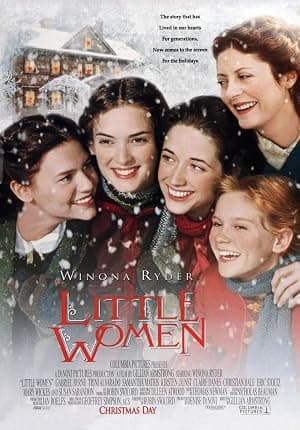
Little Women
Sisterhood, stubbornness and a pen — Jo leads the way.
// The setup
PLAYBACK STARTED
Little Women is the sort of film that feels cosy and stubborn at the same time: a faithful period adaptation that centres on a girl who wants to write her own life. Gillian Armstrong's 1994 take puts Josephine "Jo" March and her family obligations at the heart of a coming-of-age story built around ambition, duty and the particular noise made by sisters.
THE MOVIE
Josephine "Jo" March is still the reason this movie works
This Little Women follows the March sisters growing up in Concord, Massachusetts during and after the Civil War. It’s very much a family story, but not in the fussy, cautious way period dramas can be — the engine here is a young woman who wants to write rather than settle down without question.
Jo March’s push against nineteenth-century expectations — the tug between female ambition and social duty — is what drives the film. Gillian Armstrong stages those collisions as ordinary domestic business: arguments around the hearth, notebooks tucked in pockets, choices felt as quietly seismic.
Winona Ryder plays Jo, and the film makes the character’s stubborn, literary-minded temper the principal dramatic drive. Armstrong’s adaptation keeps the sisters and their relationships central, which is why this particular version still rewards revisiting.
THE SETUP
The idea that sets Little Women in motion
On the surface it’s simple: four sisters coming of age while their father serves as a chaplain in the war. That absence — and the resulting financial and emotional squeeze — nudges the sisters toward choices they wouldn’t otherwise have to make.
But beneath that simplicity the film arranges a handful of clear story mechanics: Jo’s insistence on being a writer, Meg’s domestic decisions, Beth’s illness and Amy’s artistic ambitions and maturation. Those elements give the film shape without turning it into a checklist.
Jo’s time in New York and her meeting with Professor Friedrich Bhaer are placed against the sisterhood back home, so the story keeps swinging between public ambition and private obligation.
It’s a tidy setup for a coming-of-age tale: intimate conflicts, a single social framework, and a world that insists on asking women to compromise in small, accumulative ways.
THE CHARACTER
Why Josephine "Jo" March matters
Jo is the film’s compass. She’s headstrong, bookish and impatient with the idea that a woman’s usefulness ends at the hearth. The adaptation keeps her literary ambitions front and centre, so every scene that gives her a notebook or a publishing problem matters.
What makes Jo memorable isn’t just that she’s contrary; it’s that her restlessness is framed against the people she loves. Her refusal to accept conventional female roles gets tested by family duty and by the peculiar pressures of sisterhood.
Laurie — the Marches’ neighbour and childhood companion — functions as both mirror and foil: his evolving relationship with Jo and with Amy ratchets up the interpersonal tension that reveals who Jo is not, as much as who she might become.
Put plainly: the film rests on a character who wants something that her world doesn’t easily allow, and it keeps returning to how that struggle plays out inside a tight family unit.
THE PERFORMANCE
Why Winona Ryder's performance matters
Contemporary reviews singled out Winona Ryder’s portrayal of Jo as the central performance that anchors this adaptation. That’s not the same as saying the film lives or dies on one turn — but it does mean Ryder’s Jo is the unmistakable reference point for the whole production.
Because the movie intentionally foregrounds Jo’s authorship and ambitions, Ryder’s role is the hinge that lets the film tilt between comedy, domestic strain and genuine heartbreak.
In short: Ryder’s Jo is the character through which the film asks its biggest questions, and contemporary coverage registered that as the movie’s emotional and dramatic centre.
UNDER THE SURFACE
Little Women has more on its mind than the plot suggests
At its core the film pairs sisterhood with the question of female ambition — what it costs, and who gets to define it. The Marches are loyal to one another, but that loyalty sometimes demands compromise.
There’s a running tension between family duty and the desire for independence. Choices about marriage, profession and art are repeatedly staged as practical decisions with emotional consequences.
Coming-of-age here isn’t a single epiphany but a succession of small reckonings: learning who you are, how you love, and what you’re willing to give up to survive.
Because artistic vocation is woven into Jo’s story, the film becomes as much about making work as it is about making a life — and how those two projects collide in a woman’s twentieth-century predecessor.
THE FILMMAKING
How Little Women was put together
The film’s craft team gives the material a steady, period-authentic base: Geoffrey Simpson handled the photography, Jan Roelfs the production design and Colleen Atwood the costumes. Those contributions keep the world believable without ever hogging the story.
Thomas Newman provided the score, a detail that helps bookend scenes and steer emotional beats without shouting. The result feels carefully assembled — a director’s film that favours measured choices over flourishes.
PURE 80S
Little Women could not belong to any other decade
Bringing a female-centred period drama to the screen in the early 1990s wasn’t a guaranteed green light. Producers and the writer spent years securing studio backing, a sign of how the industry then treated projects focused on women’s interior lives.
That difficulty explains part of the film’s particular 1994 personality: it’s earnest about character and cautious about spectacle, the kind of movie the decade occasionally gave space to once a production made it over the finish line.
WATCHING IT NOW
What has aged — and what hasn't
Retrospectives and commentators tend to describe the 1994 Little Women as a warmly acted, carefully designed adaptation that keeps Jo’s authorship and the sisters’ bonds in focus. That’s a comfortable verdict: the film does what it sets out to do, and it does it neatly.
Its focus on family duty versus independence still lands because those dilemmas are familiar. The story’s small, domestic reckonings read easily to modern viewers who care about choices and consequences rather than about spectacle.
The movie’s life in later coverage — including the loose continuation of the March-family story in Little Men — shows it remains a touchpoint for this particular telling of Alcott’s world.
Put another way: if you come for the sisters and the moral questions they argue over, the film still pays off.
THE LEGACY
Why Little Women still matters
The film earned three Academy Award nominations — for Best Actress, Best Original Score and Best Costume Design — which is a tidy marker that it was taken seriously on its release.
Beyond awards, the production’s afterlife in later adaptations and coverage shows the 1994 version keeps being returned to when people want a faithful, character-centred Little Women.
THE VERDICT
Does Little Women still hold up?
Yes. If your reason for watching is the March sisters — their quarrels, compromises and private rebellions — this film delivers. It keeps Jo’s ambition and the practical pressures of family life clear, so the emotional logic never feels forced.
The adaptation’s two-part time structure, signalled by casting two actresses as Amy, helps the film avoid being a single-note nostalgia trip; it allows the characters to grow in recognisable stages from adolescence into early adulthood.
Contemporary reviews singled out Winona Ryder’s Jo as the performance that anchors the film, and that anchoring still matters because the movie asks us to follow one woman’s attempt to make writing into a life.
If you like period drama that privileges interior choices over grand gestures, Little Women is worth watching. It’s steady, sincere and built around a stubborn heart — Jo’s — that the film mostly trusts to steer the way.
Share this movie
// Keep watching
More movies from the 90s
If Little Women is your kind of movie, there's plenty more on the shelves worth rewinding.
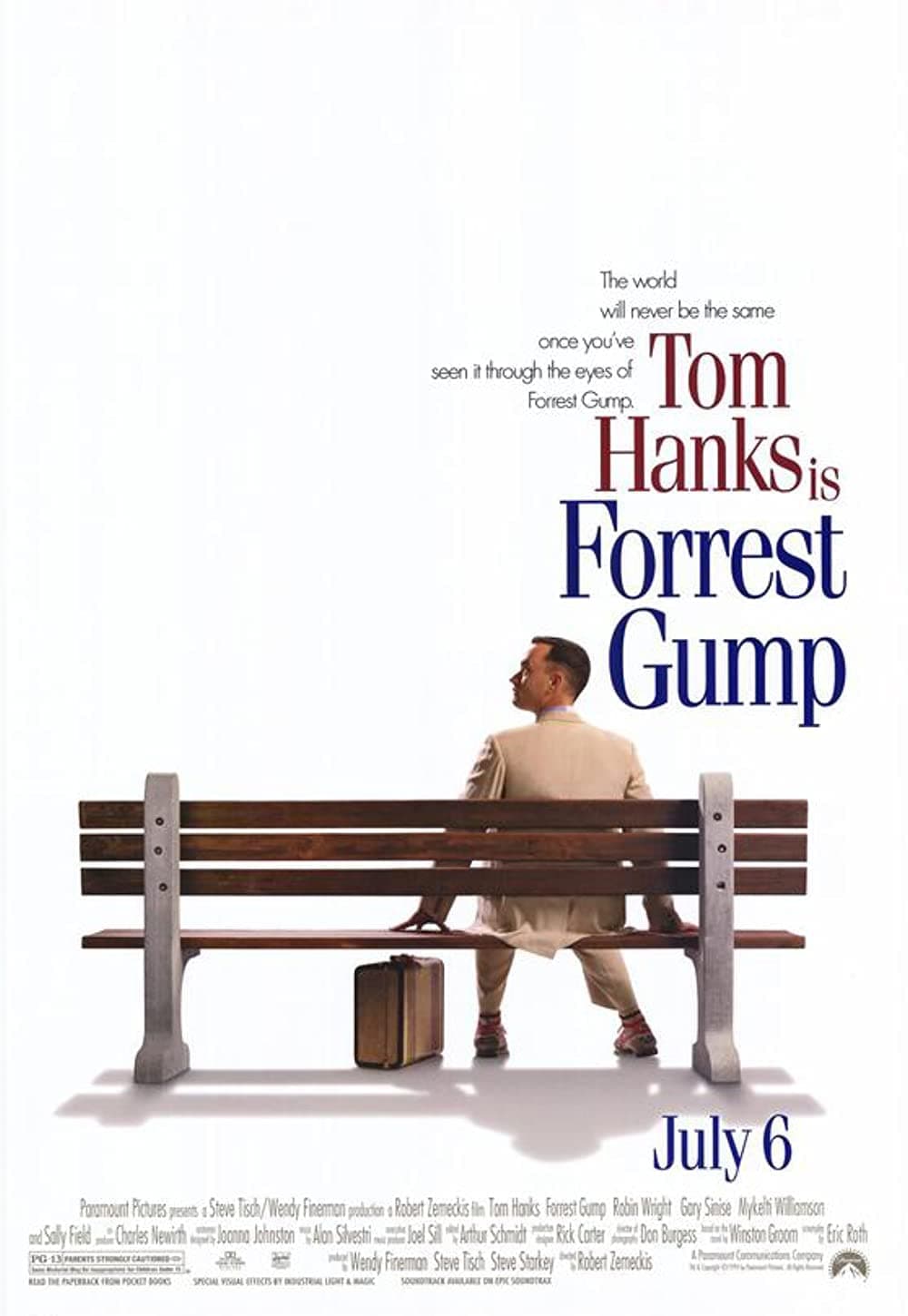
1994 // VHS
Forest Gump
A man on a bench who refuses to make history anything more complicated than a story worth telling.
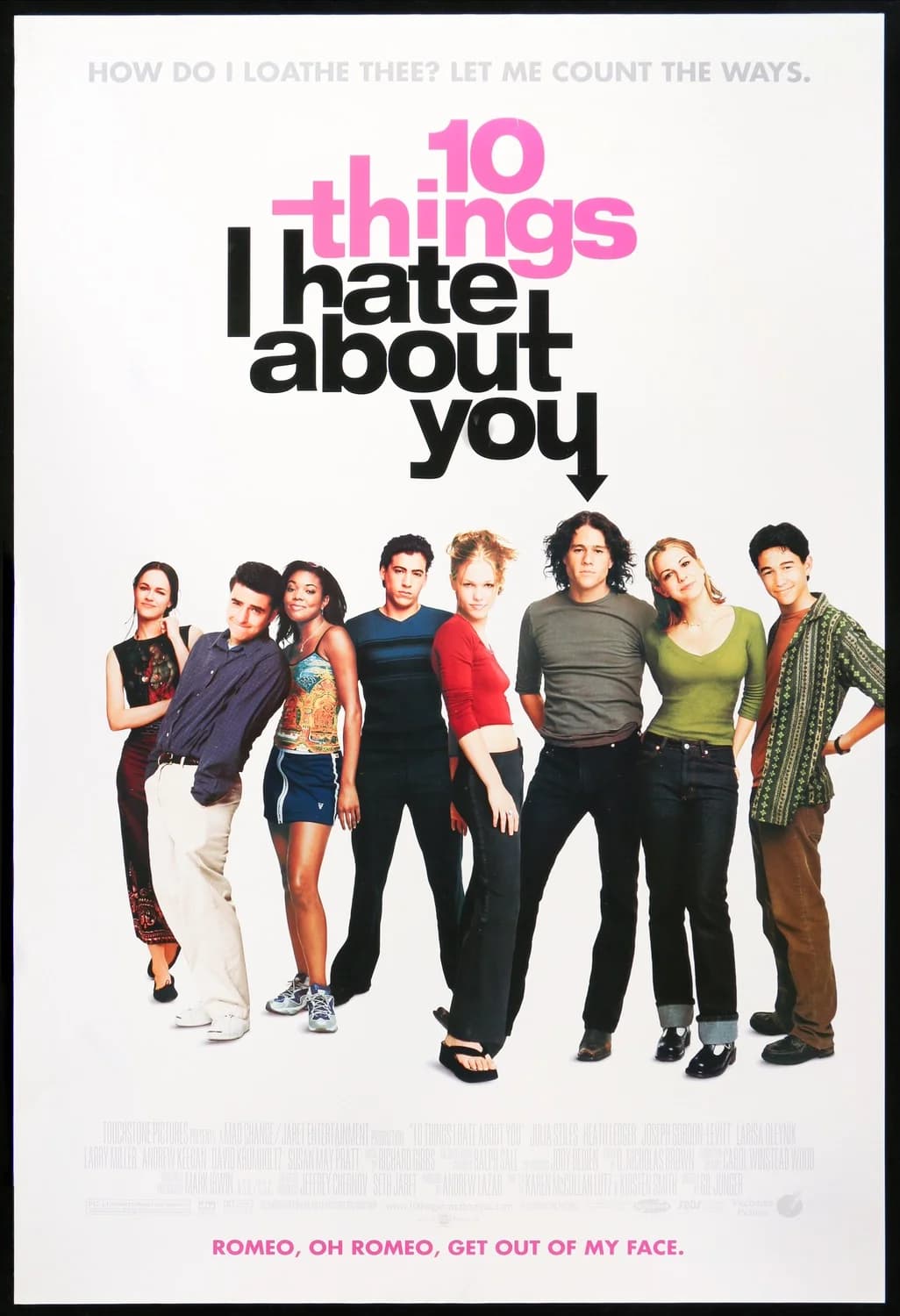
1999 // VHS
10 Things I Hate About You
Sibling rules, a rooftop serenade and one very stubborn Kat — Shakespeare in a school corridor.
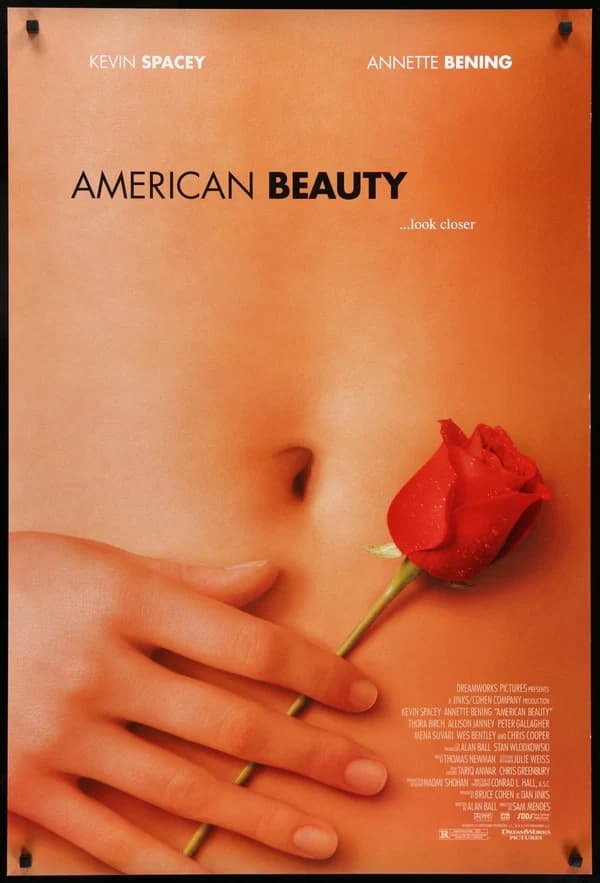
1999 // VHS
American Beauty
Lester Burnham, suburban rot and a midlife argument that still stings.