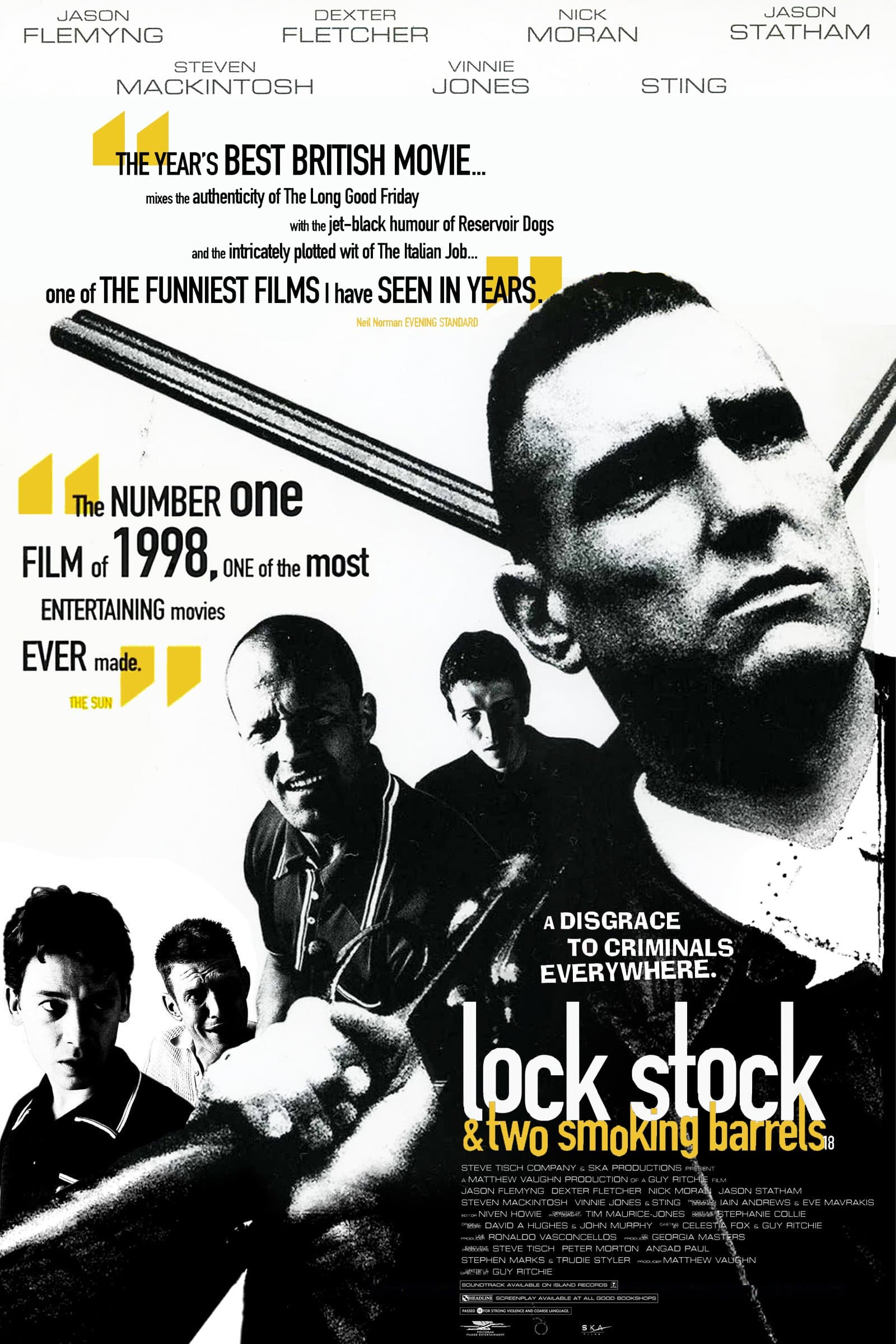
Lock, Stock and Two Smoking Barrels
Cocky cards, catastrophic debts and a terrible week to be small-time in East London.
// The setup
PLAYBACK STARTED
There’s a particular kind of giddy nastiness about Lock, Stock and Two Smoking Barrels: a cocky cardplayer, a rigged high-stakes game, and seven days to raise a ruinous sum or face very unpleasant people. Guy Ritchie’s debut pads along like a watch with dangerously loose springs — quick, loud and impossible to ignore. If you’ve not seen it, you’ll want to know whether all that swagger still lands; if you have, you’ll remember Eddie long before the pistol‑packing punchlines.
THE MOVIE
Eddie is still the reason this movie works
If you can name one image from Lock, Stock and Two Smoking Barrels, it’s probably the moment everything goes wrong because someone bets too much. The plot hinges on Eddie, a cocky cardplayer whose choice to sit at a high‑stakes, rigged game leaves him and his mates staring down a monstrous bill — and a week to find a way out.
That £500,000 debt isn’t just a plot device; it’s the fuel. Desperation makes characters behave badly and loyalties get tested, which turns the film into less of a tidy heist and more of a messy scramble with everyone pulling at the same, fraying rope.
All of it comes from Guy Ritchie’s first feature impulse: he takes a single stupid decision and watches how it detonates through a small criminal ecosystem. The movie’s short runtime and lean energy mean you’re never left wondering whether the guy at the table deserved it — you’re too busy watching the consequences unfold.
THE SETUP
The idea that sets Lock, Stock and Two Smoking Barrels in motion
At its simplest the film is tidy: Eddie and three friends lose a huge sum in a rigged game and have one week to raise the money or pay up to a local crime boss. That ticking deadline keeps everything moving and forces the quartet into a plan that’s desperate by design.
Their chosen fix is petty-criminal opportunism — steal from nearby small-time crooks — which sounds clever until you remember those crooks have their own plans, grudges and surprises. The result is a web of petty thefts and reprisals rather than a single clean heist.
There’s also a physical through-line: a set of antique shotguns stolen from a stately home. Objects like that do more than look cool; they tie different threads together, so separate schemes feel like pieces of the same mess.
So the setup works because the premise is both simple and contagious: a single bad bet creates a chain reaction that drags in people who would otherwise have stayed out of it.
THE CHARACTER
Why Eddie matters
Eddie isn’t just the unlucky gambler who loses the money — he’s the spark. His decision to play the costly hand sets the plot in motion and gives the film its moral wobble: it’s not only about what they do to raise the cash, but why they do it for him.
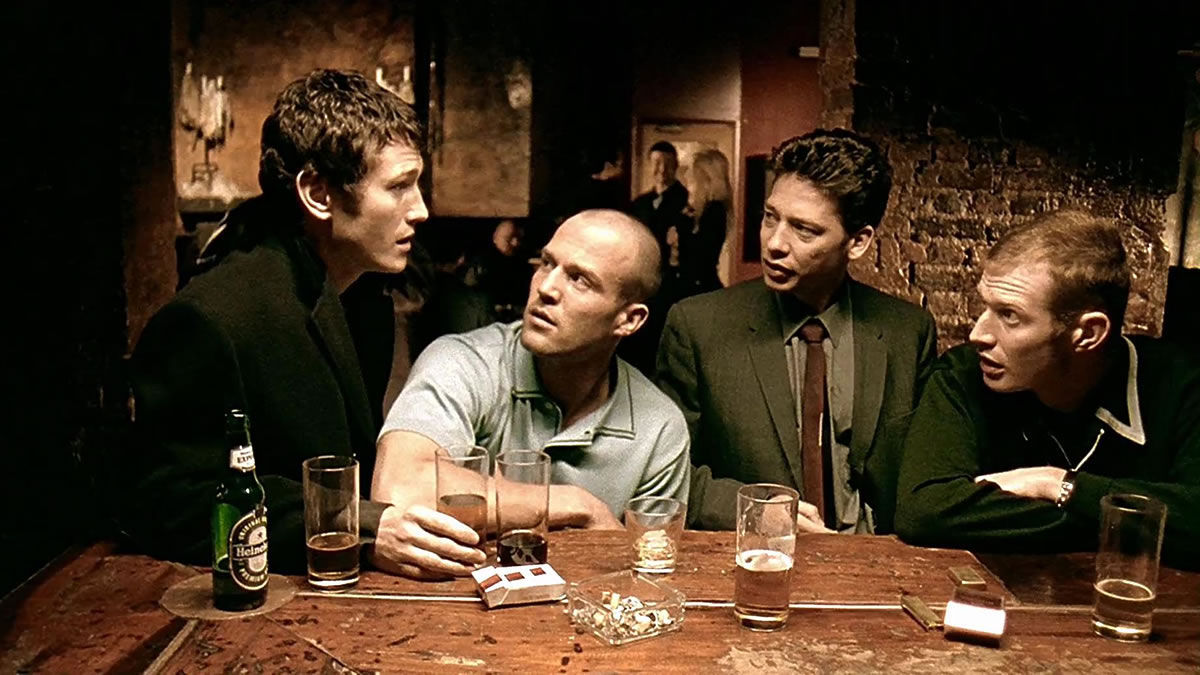
That matters because Eddie’s not alone. Tom, Soap and Bacon are his friends — different temperaments pooled together. Their loyalty is the story’s heart; they don’t operate as a smooth criminal team but as mates who’ll take on absurd risks for one another.
There’s an extra personal cost too: the debt isn’t merely financial. Eddie’s dad, who runs the local pub and whose property becomes part of the collateral, makes the stakes intimate. The money threatens family, reputation and the familiar territory the characters move in.
So Eddie’s memorable because he forces a choice on the group: protect the mate who messed up, or protect yourself. That push and pull — the small, grubby truth of male friendship under pressure — is what keeps the film interesting beyond the jokes and capers.
UNDER THE SURFACE
Lock, Stock and Two Smoking Barrels has more on its mind than the plot suggests
On the surface it’s a heist comedy full of quick gags and sharp turns. Underneath, the film keeps returning to how debt warps choices. Men cornered by owing money make reckless bargains, and those bargains expose brittle loyalties.
Male friendship and loyalty are everywhere: these aren’t professionals who step back and plan rationally, they’re mates whose loyalty nudges them into escalating trouble. That pushes the humour into a darker register — loyalty becomes a compulsion rather than a virtue.
There’s also the voice of the film: a stylised Cockney dialogue that gives the characters character. It isn’t just accent; it’s a rhythm that turns bargaining, bluffing and threats into a kind of macabre banter.
Finally, the interlocking criminal plots matter because they refuse tidy resolutions. Multiple small schemes collide and complicate one another, so the film feels like a knot rather than a straight line — messy, noisy, and oddly satisfying.
THE FILMMAKING
How Lock, Stock and Two Smoking Barrels was put together
Ritchie approaches the picture like someone who’d been making commercials and videos: everything moves with a clipped rhythm. Quick cuts, little visual flourishes and a soundtrack that pushes scenes along give the film a breathless momentum.
That music‑driven pacing isn’t decoration; it’s structure. Rather than letting moments settle, the film sprints from one gag or twist to the next, which keeps the tone taut and the audience slightly off‑balance in the right way.
Contemporary reviewers picked up on those choices — the fast editing and punchy visual tricks — and they’re central to why the film felt fresh in 1998. The technique gives a small‑budget caper a sense of scale and relentless pace.
PURE 80S
Lock, Stock and Two Smoking Barrels could not belong to any other decade
Arriving in 1998, the film helped set off a late‑1990s revival of British crime comedies. It had a particular timing: after years of grimmer gangster pictures, this leaned into cheek, chutzpah and a messy ensemble approach.
That timing matters because the movie didn’t arrive in a vacuum — it became part of a moment when British cinema was happy to mix violence with humour and a wink. The result felt contemporary then and stamped the late‑90s crime cycle with a new kind of swagger.
So while the film wears its era lightly, its energy and structural choices are very much products of the period: fast, self‑aware and keen to remix genres into something that sounded and felt new in 1998.
WATCHING IT NOW
What has aged — and what hasn't
Some modern viewers find the dense cast list and non‑stop dialogue hard to follow on first watch. The film crowds the screen with characters and quick lines, and that rapid‑fire delivery still divides audiences.
But the central lodestone — the mates sticking together under pressure — continues to read clearly. Male friendship as a driving force gives the film an emotional anchor that’s not dependent on jokes landing or editing tricks.
Put another way: if you struggle with the scene‑to‑scene rush, the character loyalties are still legible. That’s what saves the film from being merely flashy — there’s actual human stubbornness under the style.
So it’s a movie that still rewards repeat visits for different reasons: the first watch is about energy; later ones reveal how the relationships hold the chaos together.
THE LEGACY
Why Lock, Stock and Two Smoking Barrels still matters
It mattered then because it introduced faces and a tone that stuck around. The film helped launch wider recognition for performers who became regulars in this kind of cinema, and it established Guy Ritchie as a commercial storyteller who could make small budgets feel lively.
There was also an appetite to keep the world going: the story expanded into a television spin‑off two years later, which suggests the universe had more to give on its own terms.
Beyond careers and spin‑offs, the movie keeps turning up in histories of British cinema as one of the late‑90s capers that reshaped how those stories could be told — a reference point rather than a relic.
In short, it’s remembered because it changed some people’s trajectories and because it offered a new shorthand for British crime comedies: quick, crowded and cleverly tangled.
THE VERDICT
Does Lock, Stock and Two Smoking Barrels still hold up?
Yes — but with a caveat. The film still crackles when you let its tempo take you: the rigged card game, the week to raise a ruinous sum, and the decision to steal from other small‑time criminals combine into a deliciously messy chain reaction that rewards engagement.
The interlocking structure — overlapping thefts, reprisals and a recurring prop (those antique shotguns) — still feels clever rather than gimmicky. It’s an engine built from small‑time stakes and big personalities, and that makes the chaos feel earned.
The characters matter. Eddie’s mistake is the ignition, and Tom, Soap and Bacon’s pooled loyalty is the thing that keeps you watching; you’re curious how far mates will go for one another when the bill comes due. And the picture’s most visible legacy — the way it introduced certain actors to larger audiences — is evidence of how the movie opened doors without pretending to be anything grander.
So watch it for the energy, the tangled plotting and the grubby honesty of friends who’d rather do the wrong thing together than the right thing alone. It still plays because under the bravado there’s a small‑scale story about loyalty that never loses its teeth.
Share this movie
// Keep watching
More movies from the 90s
If Lock, Stock and Two Smoking Barrels is your kind of movie, there's plenty more on the shelves worth rewinding.
1998 // VHS
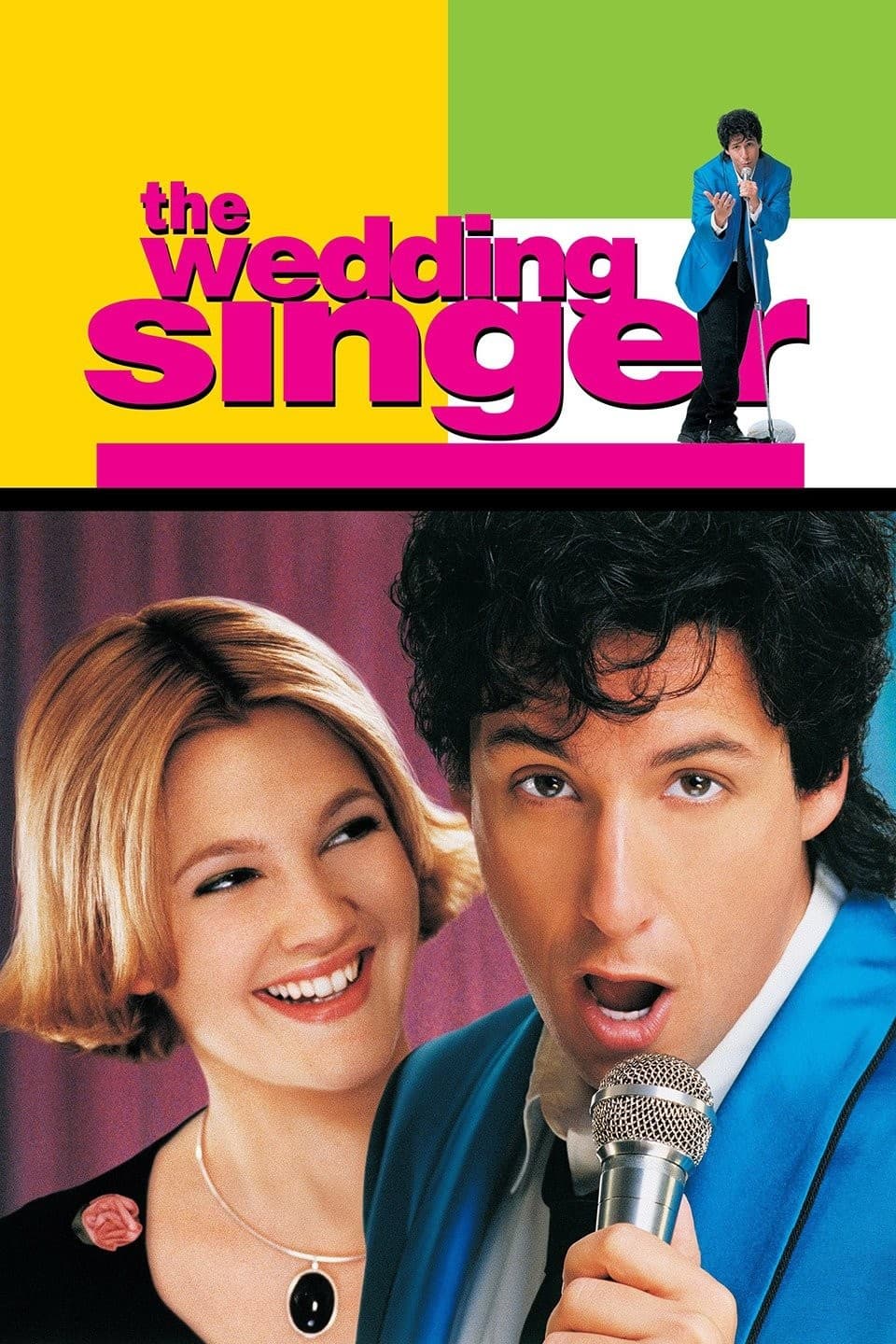
The Wedding Singer
A love story wrapped in 1980s pop — and carried by one very earnest wedding crooner.
1998 // VHS
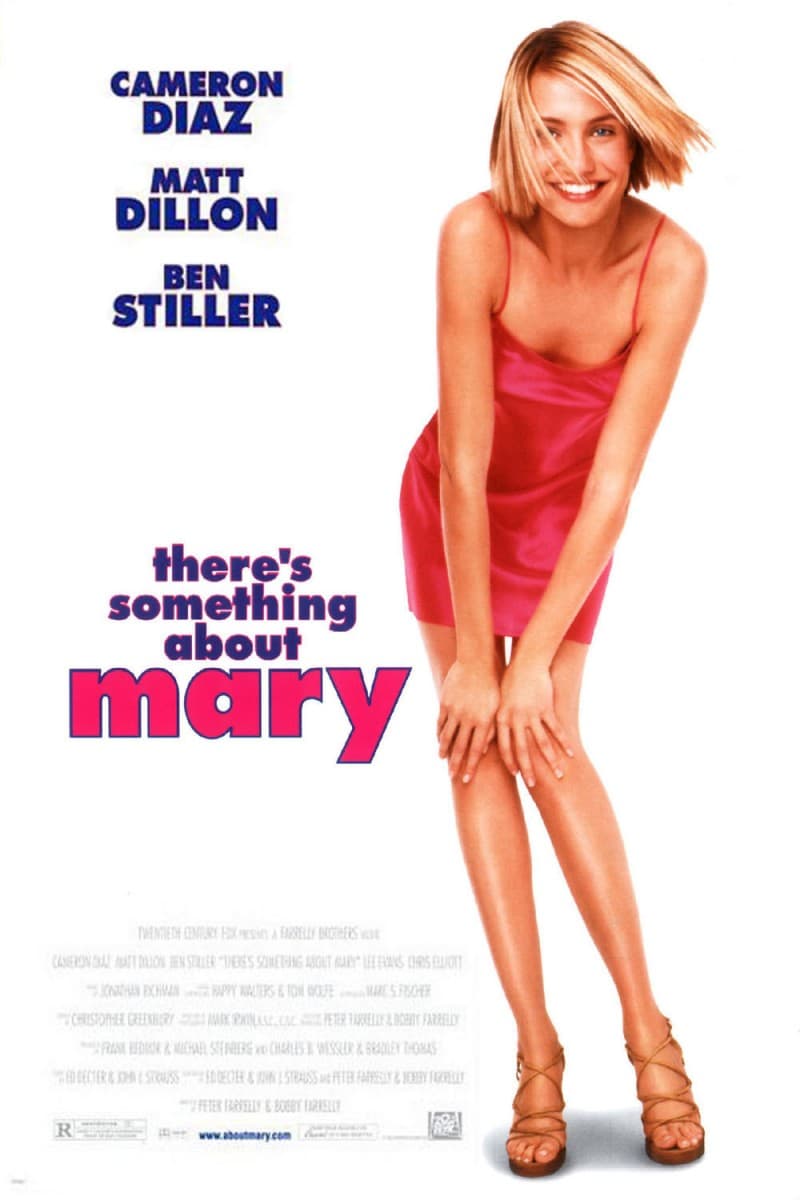
There's Something About Mary
Romantic obsession, awkward masculinity and a hair‑gel gag you can't unsee.
1999 // VHS
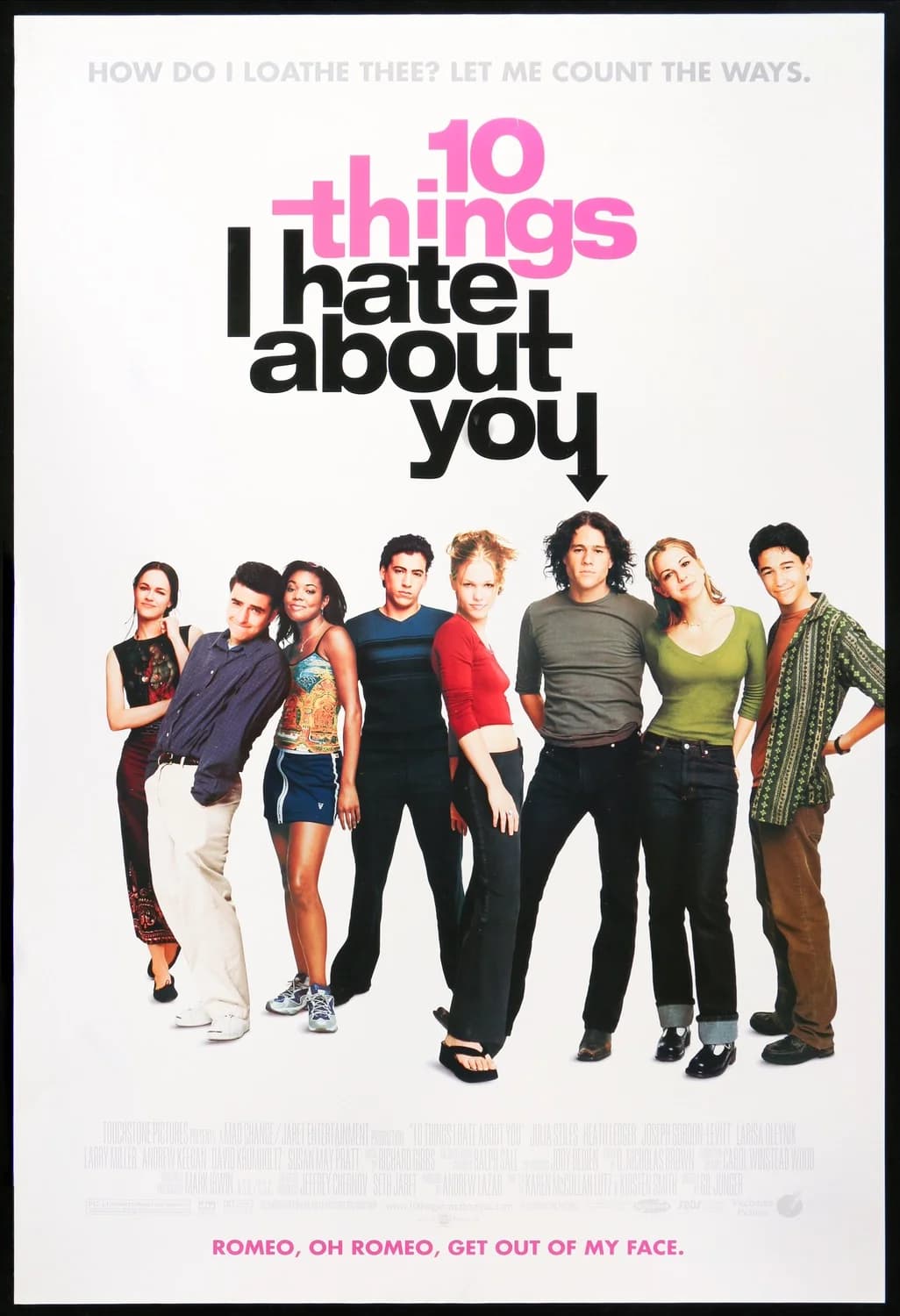
10 Things I Hate About You
Sibling rules, a rooftop serenade and one very stubborn Kat — Shakespeare in a school corridor.