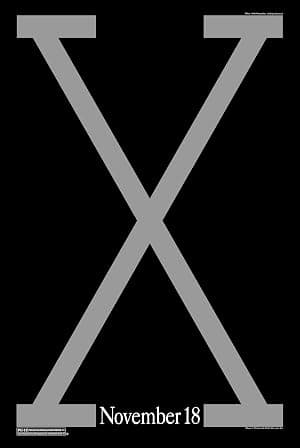
Malcolm X
A three‑hour argument about race, faith and reinvention — with one performance at its centre.
// The setup
PLAYBACK STARTED
Spike Lee’s Malcolm X frames a life as a sequence of reinventions: street hustler, Nation of Islam firebrand, pilgrim, and a figure whose politics keep changing. It’s a long film — and it knows it — but it’s Denzel Washington’s presence and the film’s unflinching attention to racism, religion and leadership that make it still worth the sit.
THE MOVIE
Malcolm X (Malcolm Little / El-Hajj Malik El-Shabazz) is still the reason this movie works
People still talk about Malcolm X because the film takes a single life and lets it do the talking. It follows Malcolm Little from the violence that shapes his childhood through the crooked paths of street life, prison, conversion to the Nation of Islam, public prominence, pilgrimage and assassination — and treats each phase as a distinct reinvention.
Spike Lee stages that story as a series of episodes, one transformation bleeding into the next. The structure is stubbornly chronological, which means the movie becomes a study in how a man’s ideas and tactics change as his circumstances change.
And yes: the movie opens in a way that refuses to keep the past in the past. By linking footage from the Rodney King tapes with a flag motif, Lee immediately says Malcolm’s story is not an antique — it’s a conversation with the America of 1992. Add a 201‑minute runtime and a lead actor who brings the role to the centre of the picture, and you get a film that makes attention feel necessary.
THE SETUP
The idea that sets Malcolm X in motion
The film announces its intentions straight away: contemporary footage of Rodney King is married to an American flag image to make the point that Malcolm’s life speaks into the present, not just into history books.
From there, Spike Lee mixes archival material and recorded speeches with dramatized scenes so Malcolm’s public persona is always shown in relation to historical events. The result keeps the politics loud; you never watch the man separately from the world he was arguing with.
Structurally the film leans on episodes — conversions, speeches, travels — and that episodic approach gives the story room to show shifts in allegiance, belief and method without pretending every turn is neat.
At the heart of those episodes is leadership in conflict: the film repeatedly stages Malcolm against figures, ideas and communities, which is how it turns biography into civic argument.
THE CHARACTER
Why Malcolm X (Malcolm Little / El-Hajj Malik El-Shabazz) matters
The whole movie orbits one man. Denzel Washington is cast as Malcolm X, so the film’s choices about which moments to linger on inevitably become choices about how to read him.
The screenplay doesn’t pretend every influence on Malcolm is a tidy line. For example, the character Baines was written as a composite: a neighbourhood figure built from several real influences to speed up Malcolm’s conversion and early rise.
Malcolm’s relationship with the Nation’s leadership is another throughline. Elijah Muhammad appears as a commanding ideological figure whose bond with Malcolm slides from mentorship into tension, and that slipping is crucial to how the film maps Malcolm’s political shifts.
Taken together, these elements keep Malcolm legible as a figure who is being shaped by people and institutions as much as he shapes them back.
THE PERFORMANCE
Why Denzel Washington's performance matters
There’s a simple production fact at the centre of the film’s afterlife: Denzel Washington earned an Academy Award nomination for Best Actor for playing Malcolm X.
That recognition isn’t the only marker. Contemporary reviews and later criticism repeatedly pointed to Washington’s work as the film’s central achievement — the thing critics returned to when summing the picture up.
Because the movie is episodic and long, the role needs to anchor each passage. The historical record of responses makes clear that critics saw Washington’s performance as doing exactly that — providing continuity amid the many transformations on screen.
In short: much of the film’s long‑standing conversation rests on the way the lead role holds the story together, as recorded by awards attention and critical commentary.
UNDER THE SURFACE
Malcolm X has more on its mind than the plot suggests
On the surface the picture traces events; underneath it keeps returning to concrete political ideas. Racial injustice is the obvious spine — the film is frequently arranging incidents to show how systemic racism shapes each chapter of Malcolm’s life.
Religion and political faith run hand in hand here. The Nation of Islam sequences, the pilgrimage and the shifts in Malcolm’s rhetoric are treated as changes of mind and of faith, both personal and political.
Identity and self‑invention are constant. The narrative watches Malcolm remake himself: from Malcolm Little to Malcolm X to El‑Hajj Malik El‑Shabazz, each name change marks a redefinition of purpose.
And because the film is so concerned with leadership, it stages community conflict as a recurring test — who leads, who listens, and what happens when a leader’s loyalty changes. Radicalisation and transformation aren’t one‑off beats; they’re the movie’s engine.
PRACTICAL EFFECTS
The effects work that gives Malcolm X its physical personality
Not every big movie moment is digital. For the Hajj passages Spike Lee’s production actually built a physical replica of Mecca’s Kaaba in Cairo so those sequences could be staged without running into the access restrictions of the holy city.
That’s a deliberate, old‑fashioned production choice: instead of suggesting the pilgrimage, the crew recreated a location so the actors could move through a concrete space.
Another practical substitution was used for the assassination scenes: the production filmed the attack in the Diplomat Hotel in midtown Manhattan as a stand‑in for the Audubon Ballroom, because the real site was considered unsafe for filming.
These decisions — build a Kaaba, swap one Manhattan building for another — are the sort of material choices that make a historical biopic feel physically anchored rather than merely suggested.
PURE 80S
Malcolm X could not belong to any other decade
Malcolm X landed in 1992 at a moment when the country was raw from the Rodney King affair and the unrest that followed. The film’s opening — tying Rodney King footage to a flag image — makes explicit that Lee wanted the film to speak into those specific tensions.
The project itself belonged to a longer history. It had been simmering for more than twenty years, and Lee’s choice to insist on directing and rewriting earlier material was part of a 1990s conversation about who should be entrusted with Black historical storytelling in Hollywood.
Because of that history, the movie reads like a 1990s act of assertion: a major Black director claiming control of an important American life and insisting the story be told on his terms.
It also sits naturally next to other early‑1990s films that take urban Black experience seriously: the period produced a small cluster of movies that foregrounded Black lead performances and urban political life, and Malcolm X is frequently placed in that group when talking about the era.
WATCHING IT NOW
What has aged — and what hasn't
When people revisit Malcolm X today, two things come up most often: the sheer ambition of the project and the continuing attention paid to Denzel Washington’s central turn. Restorations and retrospective coverage tend to underline those elements.
That says something useful. Ambition still reads as ambition; the film’s willingness to take on scope rather than compress everything into a tidy two‑hour package is a defining characteristic viewers still notice.
Narratively, some of the film’s shortcuts continue to matter. The screenplay’s use of Baines as a composite figure to accelerate Malcolm’s entry into the Nation of Islam is a storytelling economy that still functions: it streamlines complex neighbourhood forces into a single, usable character.
So while viewers may argue about length or emphasis, what remains persuasive is the combination of scale and a clear throughline — the picture still asks you to follow a life that keeps changing its mind.
THE LEGACY
Why Malcolm X still matters
Part of the film’s staying power is institutional: Denzel Washington’s turn earned an Academy Award nomination, and Ruth E. Carter’s costume work also received Oscar recognition. Those nods helped the picture stay visible beyond its first run.
The film also picked up plaudits from organisations that track cinema more broadly: it appeared on the National Board of Review’s top ten films of the year and won multiple NAACP Image Awards, which underlines how it was read at the time.
But beyond trophies and lists, the movie’s long production history and Spike Lee’s clear authorship have themselves become part of its legacy. Histories of 1990s American cinema regularly return to the picture when they discuss who got to tell Black stories and how those stories were shaped.
Put simply: awards and institutional attention kept Malcolm X in conversations, and the story of how it was made has become part of what people remember about its place in that decade.
THE VERDICT
Does Malcolm X still hold up?
Yes — but with a small, practical caveat. Malcolm X asks for time and attention: it’s a 201‑minute, episodic biography that deliberately allows Malcolm’s ideas to unfold in stages. If you’re willing to sit with it, the film rewards close attention with a clear sense of how a public life is built and rebuilt.
The movie’s method — mixing archival footage and speeches with dramatization and even opening by tying Malcolm’s story to Rodney King — keeps the politics immediate. It doesn’t let Malcolm be only history; it keeps him in the present tense.
Narratively the film benefits from some smart compressions. The screenplay uses a composite character, Baines, to accelerate Malcolm’s conversion and early Nation of Islam activity, and that condensation helps the picture move without losing a sense of cause and effect. Meanwhile, Betty Shabazz is presented as a steady personal anchor whose presence humanises Malcolm’s private life and grounds his public work.
So should you watch it now? If you want a serious, expansive cinematic portrait of a complex American life — one that is driven by questions of race, faith and leadership and held together by a central performance — then yes. It’s a long argument, but it still feels like a necessary one.
Share this movie
// Keep watching
More movies from the 90s
If Malcolm X is your kind of movie, there's plenty more on the shelves worth rewinding.
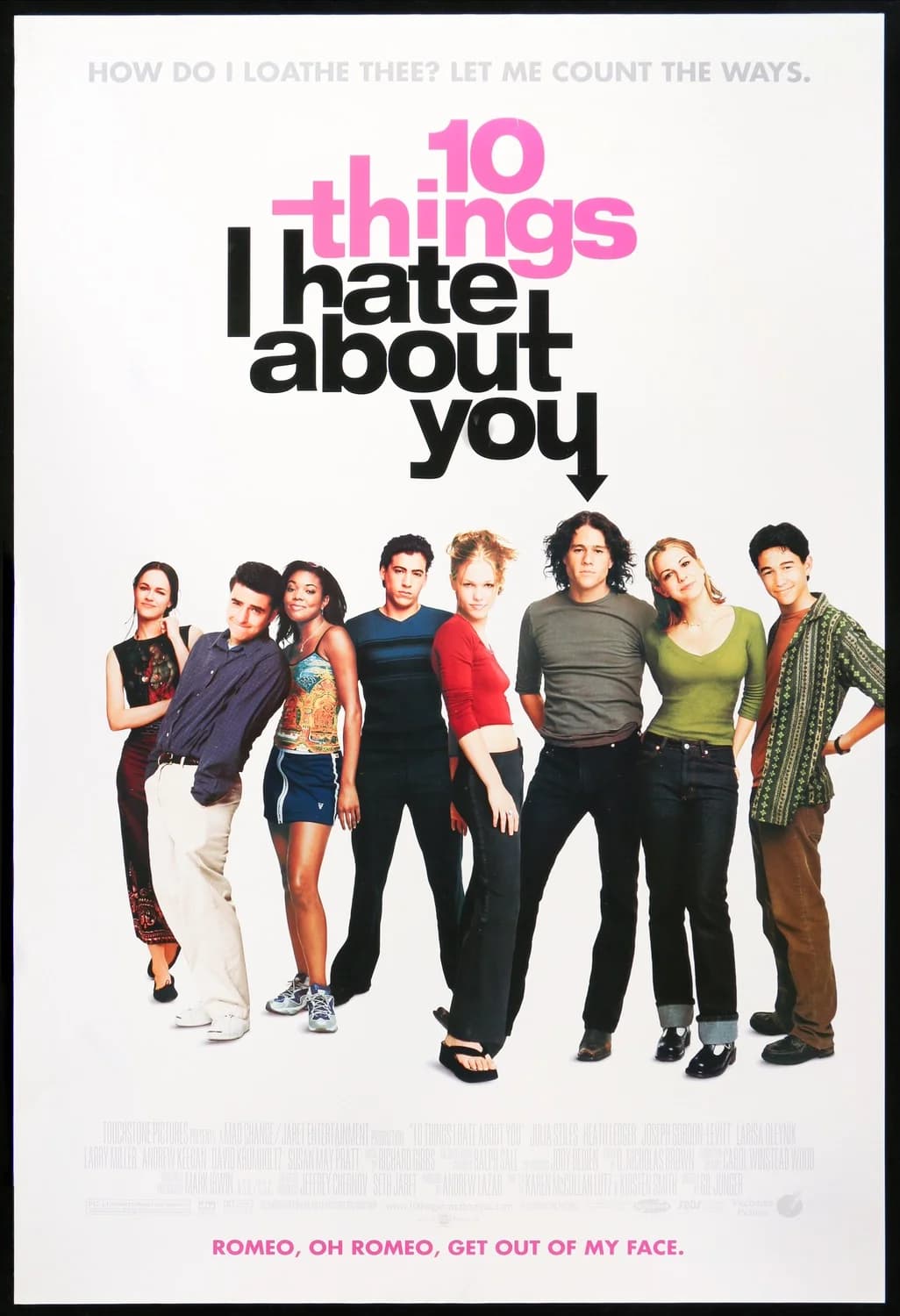
1999 // VHS
10 Things I Hate About You
Sibling rules, a rooftop serenade and one very stubborn Kat — Shakespeare in a school corridor.
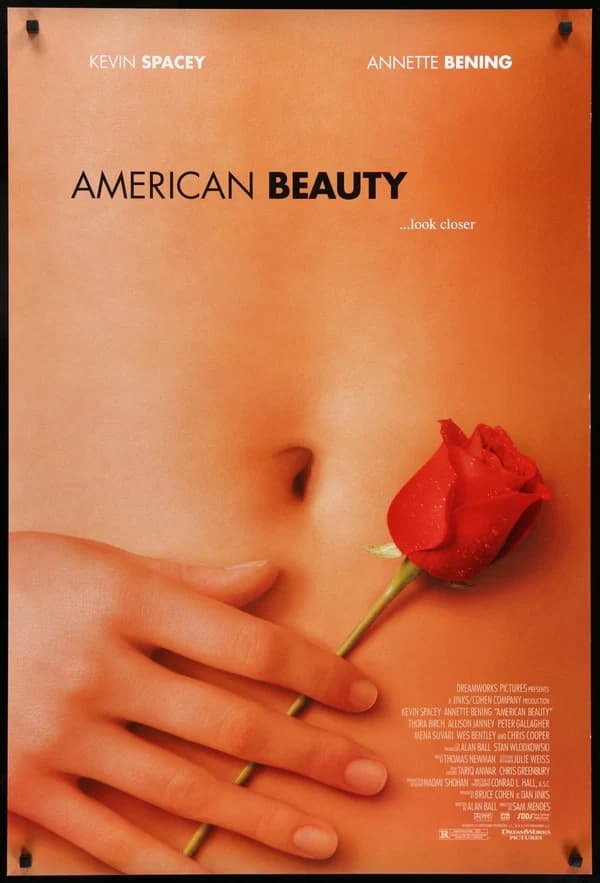
1999 // VHS
American Beauty
Lester Burnham, suburban rot and a midlife argument that still stings.
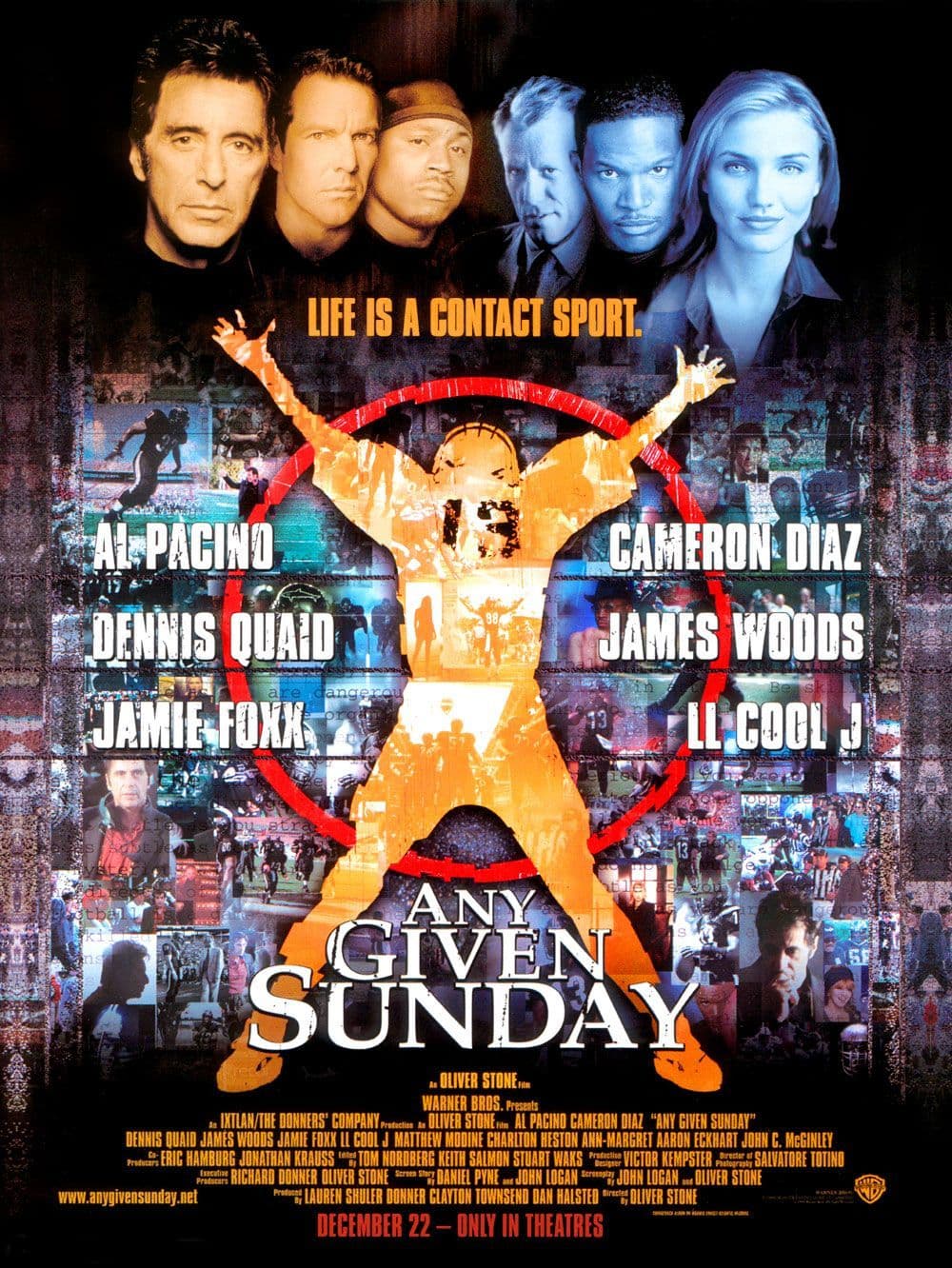
1999 // VHS
Any Given Sunday
Al Pacino's coach anchors the chaos of a film about football turned into product — loud, messy and oddly persuasive.