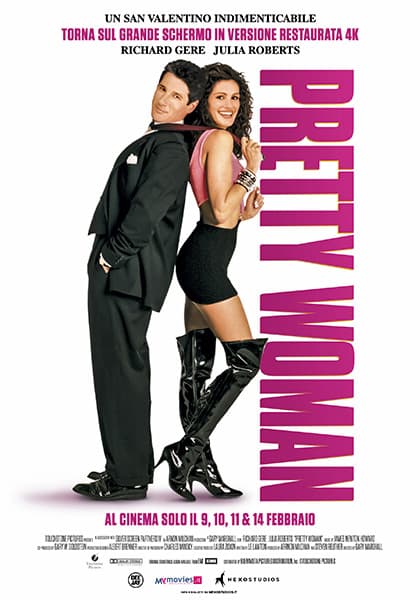
Pretty Woman
A corporate raider, a negotiated week, and a Cinderella story wrapped in Prada — but Edward Lewis is the reason the engine keeps running.
// The setup
PLAYBACK STARTED
Pretty Woman is the sort of film that keeps turning up in conversations: not because it’s blandly safe, but because it pairs a deliberately transactional set-up with a fairy-tale heart. Directed by Garry Marshall and anchored by a meeting on Hollywood Boulevard, it’s one of those 1990s romantic comedies that still divides taste and loyalty — in a good way.
THE MOVIE
Edward Lewis is still the reason this movie works
Pretty Woman begins with a tidy, attention-grabbing premise: a very wealthy corporate raider hires a Hollywood Boulevard escort to keep him company for a week of business and social obligations. That bargain — straightforward, transactional, a little ridiculous on paper — is the clockwork under the whole film.
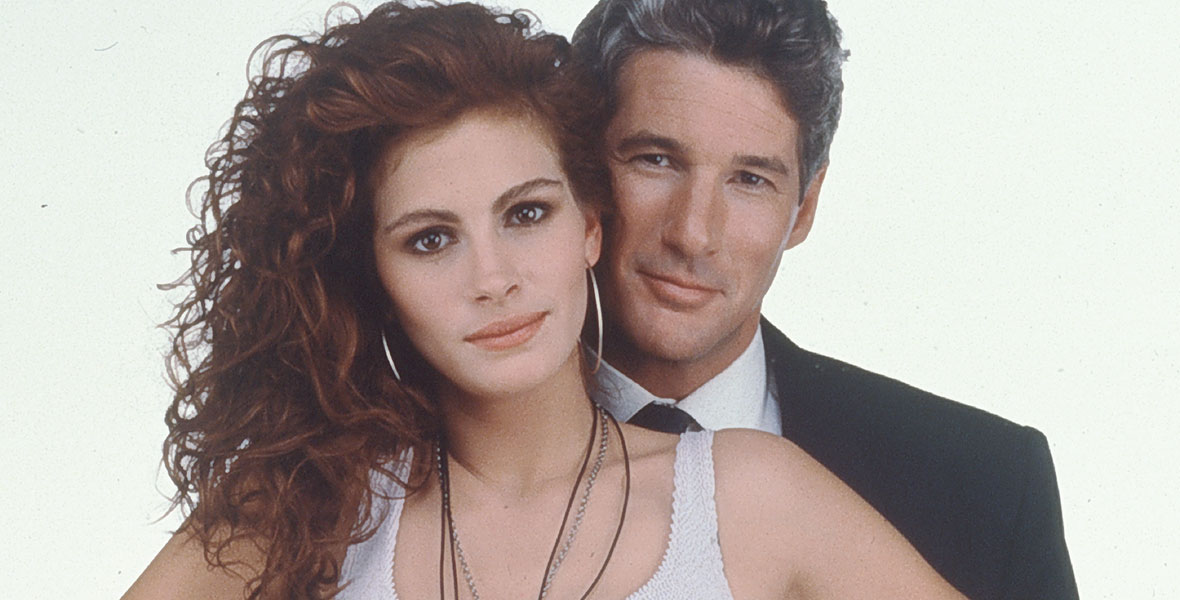
The spark itself is gloriously cinematic: Edward gets lost on Hollywood Boulevard and, on impulse, hires Vivian to drive him to his hotel and spend the night. It’s an inciting incident that tells you everything you need to know about the film’s mixture of pragmatism and fantasy.
Richard Gere plays Edward Lewis, and Garry Marshall directs. Those two facts matter because Edward is not just another romantic lead; he’s a high-powered, emotionally guarded figure whose decisions push the external plot. In other words, the movie’s fairy-tale flourishes only work because they’re rubbing up against a very worldly core.
THE SETUP
The idea that sets Pretty Woman in motion
The film’s engine is deliberately simple: a wealthy man contracts an escort to stand in as companion for a week of social and business events. That clarity keeps the story nimble — everything that follows can be read against the terms of that arrangement.
Because the relationship starts as a negotiation — money, time, rules — the script carries a constant small friction. Vivian is never simply a romantic prop; the arrangement makes her acutely aware of being paid for company, and that discomfort becomes a recurring note.
The movie doesn’t treat its world as a legal contract box to be checked; it uses the transactional start as a stage to watch class and social barriers shift. The central conflict slides from 'can they belong in each other’s circles?' to tensions inside Edward’s business life and to Vivian’s refusal to be boxed into a role.
It’s worth noting the film’s tone wasn’t inevitable. The original screenplay was darker, with harsher elements that were pared back during rewrites and production choices so the story could sit more comfortably as a modern Cinderella.
THE CHARACTER
Why Edward Lewis matters
Edward Lewis isn’t just the rich man in a romantic comedy; he’s very much the story’s mechanism. He buys time, makes decisions that ripple outward, and embodies the film’s tension between transactions and actual feelings.
That presentation — a high-powered, emotionally guarded corporate raider who thinks in deals — gives the movie some bite. When he acts, the plot reacts: his business dealings create external stakes that stop the film becoming mere wishful thinking.
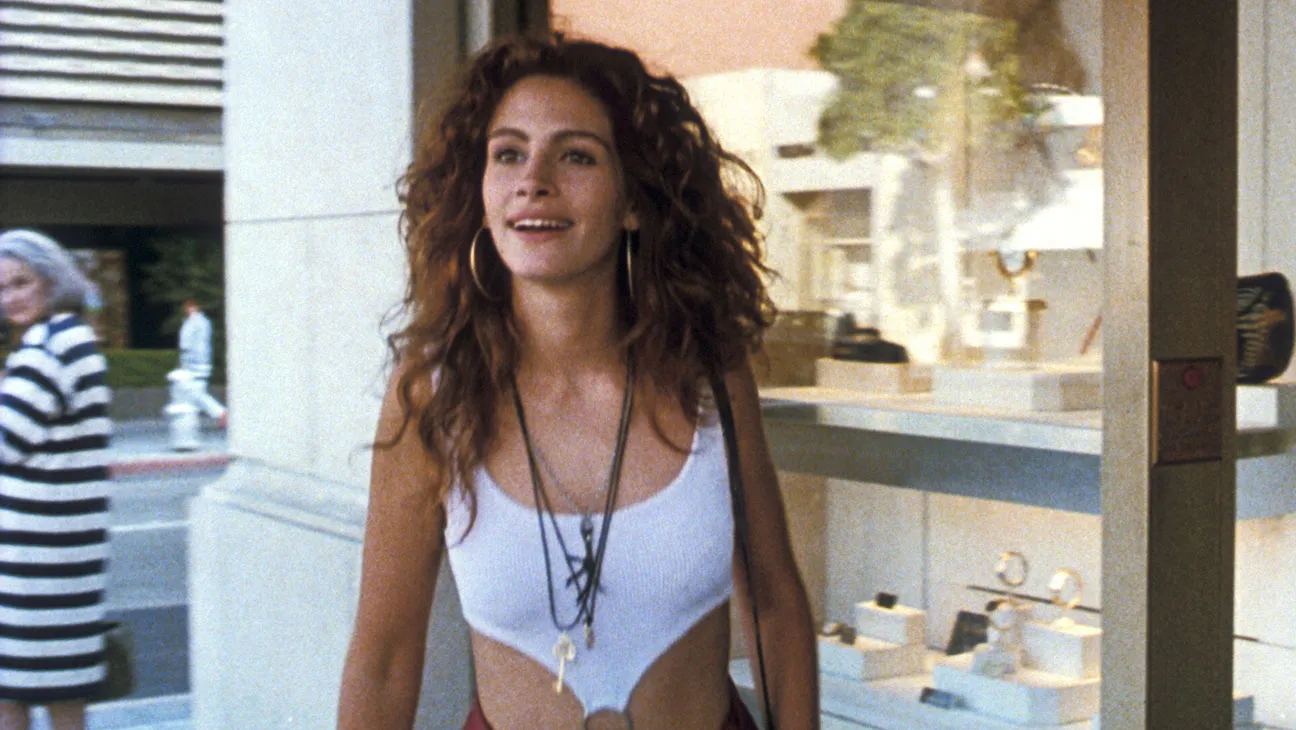
Because the film keeps returning to the mechanics of negotiation, Edward’s emotional slow-burn is where the fairy tale begins to feel earned. The audience watches someone used to buying outcomes stumble at the idea that some things — affection, respect, a person’s dignity — can’t be reduced to money.
In short: pretty much everything that happens on the outside is catalysed by Edward, and that’s why the character matters beyond his role as romantic lead.
THE PERFORMANCE
Why Julia Roberts's performance matters
When Pretty Woman arrived, Julia Roberts's turn as Vivian Ward changed how people talked about the film. Contemporary coverage singled her out in a way that shifted the movie from an ordinary rom-com into a star-making vehicle.
The recognition was formal as well as informal: Roberts won the Golden Globe for Best Actress in a Comedy or Musical and was nominated for the Academy Award for Best Actress. Those honours reflect how central the role was to the film’s public life.
That awards attention also reframed Vivian for viewers: she wasn't a background figure in a grown-up man's story, but the part that pulled the emotional strings of the movie and drew most of the conversation after release.
So, regardless of how you feel about the plot’s mechanics, the performance mattered to the film’s identity and to the way it was received at the time.
UNDER THE SURFACE
Pretty Woman has more on its mind than the plot suggests
On the surface it’s a rags-to-riches romance; underneath it’s a modern Cinderella with a contract. The film keeps nudging between fairy-tale rescue and the awkward realities of class difference.
Class and social mobility are there in almost every scene: people are being sized up, shown where they belong, or taught how to behave in new company. Transformation is part cosmetic, part social instruction — the story is interested in who gets to cross the barrier, and what’s lost or gained when they do.
The transactional versus emotional relationship dynamic is the film’s nervous energy. It begins in money and rules, and the drama arrives when feelings complicate that tidy agreement. The tension feels less like a contrivance and more like the movie’s moral puzzle.
Then there’s a Pygmalion-ish impulse: someone remakes someone else to fit into a different world. That impulse sits beside a sharper observation about commodification and consumer culture — the idea that transformation is sold, often as something you can buy.
THE FILMMAKING
How Pretty Woman was put together
Pretty Woman dresses its transformations with obvious, deliberate costume and production choices. Costuming in particular is used as shorthand for Vivian’s movement between social worlds — clothes signal that she’s entered a different register.
That visual shorthand is part of how the film shifts tone from gritty Hollywood Boulevard scenes to glossy social environments. The production design choices underline the Cinderella tilt without leaving the transactional core behind.
Those choices were intended rather than incidental: the way Vivian’s looks change is built into the storytelling, not simply decoration.
In a film that trades in appearance and status, the production’s wardrobe and design are quietly decisive storytelling tools.
PURE 80S
Pretty Woman could not belong to any other decade
Although it hit cinemas in 1990, Pretty Woman’s shape was forged in the late 1980s — the studio and director reworked the script so it chimed with the glossy, star-powered romantic comedies that mainstream audiences were buying at the time.
That reshaping meant toning down darker elements and leaning into a crowd-pleasing modern-Cinderella narrative. The result sits comfortably between the excesses of the 1980s and the more introspective rom-coms that arrived later.
The film’s emphasis on glamour, negotiation and celebrity-friendly spectacle reflects those industry instincts: it’s designed to be both big and tidy, a package that put stars front and centre.
So its relationship to its era is less about costume or music and more about the decisions that bent the story toward commercial warmth rather than sharper realism.
THE LEGACY
Why Pretty Woman still matters
At release Pretty Woman was a commercial heavy-hitter; it became one of 1990’s biggest box-office earners and was repeatedly noted for its popular reach at the time. That success helped keep the film in circulation.
More personally, the picture reconfigured Julia Roberts’s public profile. The role brought awards attention — a Golden Globe win and an Oscar nomination — and shifted how studios and audiences saw her as a leading presence.
The story also had a second life on stage: decades later it was adapted into a musical that premiered in 2018 and moved to Broadway. That sort of afterlife is a sign that the central story still had theatrical potential.
Between the original commercial impact, the star-making role, and the later stage adaptation, the film has a clear place in late-20th-century mainstream entertainment memory.
THE VERDICT
Does Pretty Woman still hold up?
If you’re asking whether Pretty Woman is still worth watching, the short answer is: yes — with caveats. The film’s premise is clean and persuasive: a corporate raider hires an escort after getting lost on Hollywood Boulevard, and that bargain propels everything that follows.
Because the relationship begins as an agreed, money-based arrangement, the movie earns many of its emotional moments by making the characters negotiate what can and can’t be bought. That structural honesty keeps the film from floating into pure fantasy.
At the same time, production choices softened darker edges from the original script to prioritise a modern Cinderella narrative. That lightening makes the story comfortable and crowd-friendly, but it also smooths over harder ethical questions you might expect the premise to provoke.
So watch it for the beguiling clash of transaction and tenderness, for the way Edward Lewis’s decisions steer the plot, and for the performance that made Vivian central to the conversation. If you want a rom-com that knows it’s selling a fairy tale — and is willing to show the receipts — Pretty Woman still does the job.
Share this movie
// Keep watching
More movies from the 90s
If Pretty Woman is your kind of movie, there's plenty more on the shelves worth rewinding.
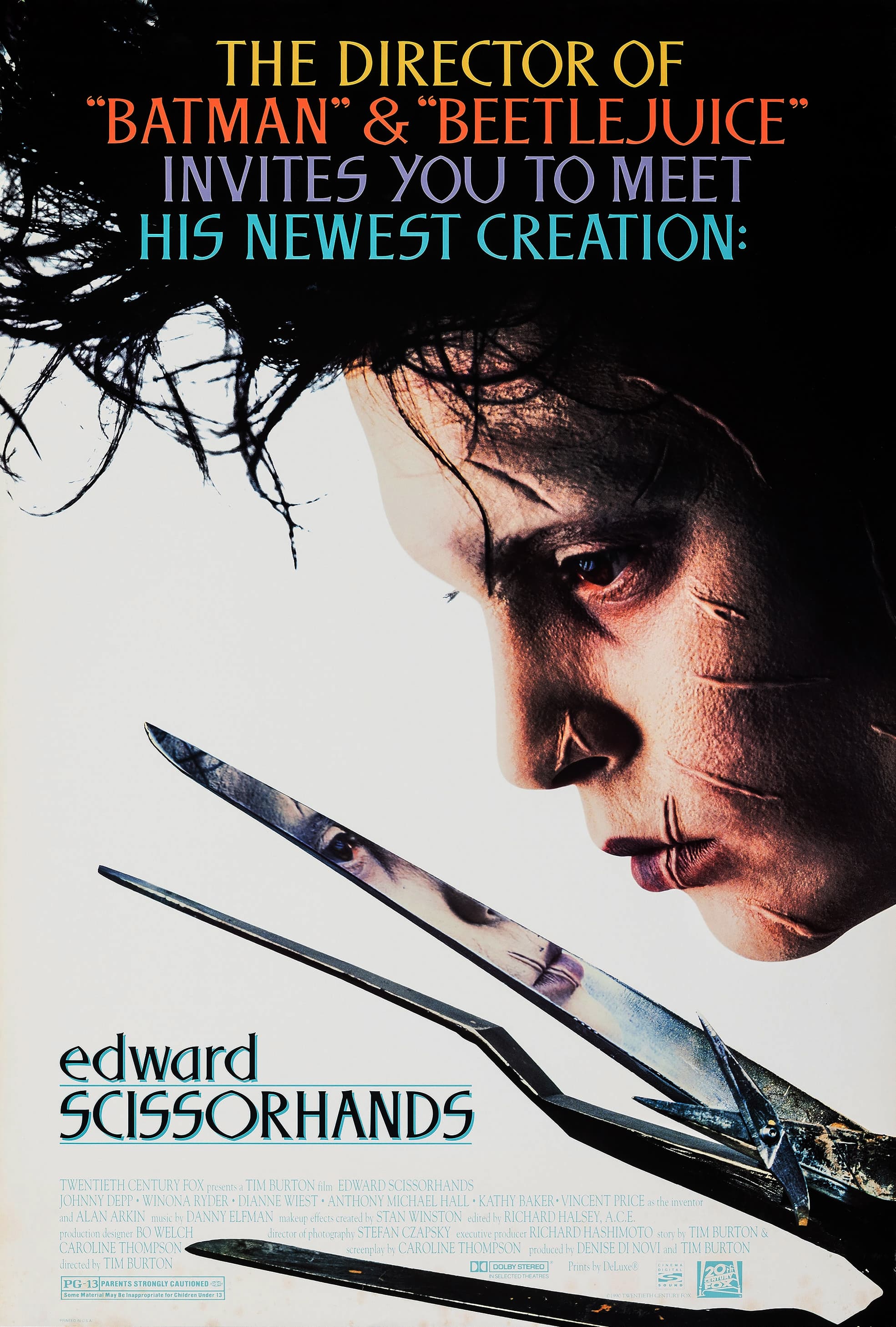
1990 // VHS
Edward Scissorhands
A fairy tale about a man who can’t quite touch the world — and the neighbourhood that can’t quite handle him.
1990 // VHS
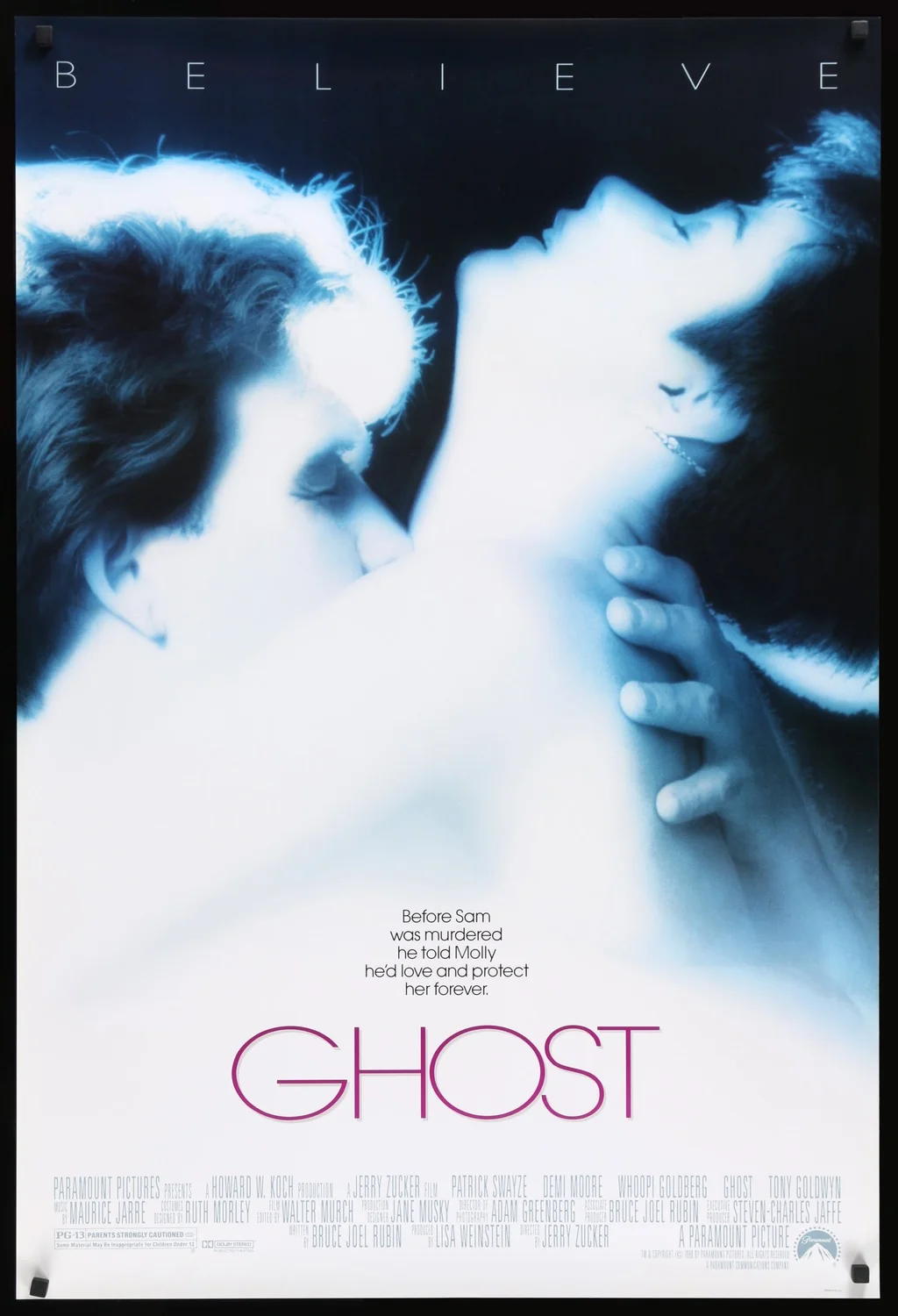
Ghost
A murder mystery disguised as a love story — with a man who won’t stop watching over the person he loves.

1990 // VHS
Total Recall
Memory, muscle and a very faulty holiday package — with Mars on the itinerary.