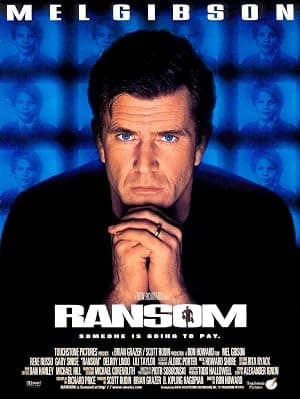
Ransom
A father's public refusal to pay the ransom turns grief into a bounty — and a country into a jury.
// The setup
PLAYBACK STARTED
Ransom still gets people talking because it makes a single, unapologetic choice: what if the father of a kidnapped child refused the script everyone expects and instead offered the ransom money as a reward for the kidnappers' capture? Ron Howard stages that wager like a live event, and the film rides the sparks. Tom Mullen’s decision — and the way the movie watches the public react — is the hook that keeps Ransom watchable decades on.
THE MOVIE
Tom Mullen is still the reason this movie works
Ransom begins with a very simple cruelty: Sean Mullen, the young son of airline owner Tom Mullen, is taken while the family is out in public. That moment is small and sharp — the sort of inciting injury that a thriller uses to kick every gear into motion.
What makes Ron Howard's movie feel distinct almost immediately is Tom's reaction. Rather than quietly handing over money or bowing to procedure, Tom publicly refuses to pay and rebrands the ransom as a bounty for whoever brings the kidnappers in. It’s a stunt and a threat, and it forces everyone — police, criminals, the media, the public — to reveal themselves.
Put bluntly: you remember Ransom because it centres on a man who will do anything to get his son back, and because the film keeps testing what that willingness actually costs. Mel Gibson is the face of that wager; Ron Howard is the director who keeps the audience watching the tally.
THE SETUP
The idea that sets Ransom in motion
At the centre is a straightforward studio premise: a wealthy airline owner’s son is kidnapped and a $2 million ransom is demanded. The film keeps the mechanics clear — anonymous phone calls, a staged FBI ransom drop, and the escalating pressure that comes when a public countdown begins.
The first twist is procedural: the FBI’s planned drop goes wrong and the child is not immediately recovered. That failure matters because it moves the story out of private panic and into a messy, highly visible clash.
Then Tom does the unexpected. He tells the nation he will not pay, and offers the money as a reward for the kidnappers' capture. That single decision rearranges alliances and turns rescue into spectacle.
Finally, the plot contains a darker reversal when an NYPD detective, Jimmy Shaker, is revealed as the mastermind — which flips the case into one about institutional betrayal as much as recovery. Suddenly the audience must question who to trust, and who is playing which game.
THE CHARACTER
Why Tom Mullen matters
Tom Mullen is the character who turns a melodramatic premise into a contest of wills. He isn't merely a grieving father; the screenplay builds him as a self-made, high-profile airline magnate who has made tough, sometimes shady choices in business. That backstory matters because it makes his public gamble feel like a continuation of a certain ruthlessness, not the opposite of it.
His temper is an engine. The film repeatedly shows a man who reacts in extremes, and those extremes force every other character to show their cards. Is he heroic or reckless? The movie wants you arguing about that while the plot keeps shifting beneath your feet.
Because Tom's decision to offer the money as a bounty is the pivot the story turns on, he functions as both protagonist and provocation. Everything the film watches — the tabloids, the police, the kidnappers — reacts to him. That’s why he’s memorable: he’s the cause of much of the film’s heat, not just its sympathy.
And because Mel Gibson occupies the part, the role sits at the intersection of star power, narrative risk and mid-90s studio ambition — a man whose choices drive the film in very public ways.
THE PERFORMANCE
Why Mel Gibson's performance matters
Contemporary critics singled out Gibson's central performance, and it’s worth noting what that attention was for: reviewers credited him with giving the film its forward motion. In other words, the character’s decisions are only as compelling as the actor makes them feel urgent.
Roger Ebert, writing at the time, described Gibson’s work as interesting and highlighted the film’s dynamic with its antagonist. That external focus matters because Ransom is often presented as a duel of wills — and a lead who can carry urgency keeps the duel watchable.
This is not about star biography. It’s about function: Gibson’s portrayal anchors the movie’s gamble — the public offer, the temper, the desperation — and keeps the audience invested in the stakes long enough for the procedural turns to land.
So if you rewatch Ransom, watch how the film positions its centre. The story wants you watching Tom; the performance makes watching worthwhile.
UNDER THE SURFACE
Ransom has more on its mind than the plot suggests
On the surface Ransom is a kidnapping drama; underneath it’s a film about the lengths people will go to when a child is at stake. Parental desperation is the obvious core — the movie keeps asking how far an ordinary parent can be pushed before law and ethics bend.
That anxiety is braided with questions about class and power. The kidnapping is not an isolated crime; the screenplay ties it back to resentments and business decisions that cut across social lines, which turns a private tragedy into a class confrontation.
Another thread is vigilante justice and public spectacle. Tom’s televised refusal converts grief into a public contest, and the film watches how spectacle reshapes responsibility — who acts when money and cameras are involved?
Finally, there’s the rot in institutions: the plot’s big reversal, with a police detective at the centre of the conspiracy, makes the film as much about betrayal within law enforcement as it is about catch-and-rescue. That combination of personal panic and institutional failure keeps the story unpleasantly interesting.
THE FILMMAKING
How Ransom was put together
A clear production choice gives the film its moral geography: the production design draws a contrast between Mullen’s privileged private spaces and the cramped locations used by the kidnappers. That visual opposition helps underline the class and ethical differences that the story keeps testing.
Those contrasts are part of the film’s language. When the camera moves between those worlds, the audience isn’t just following plot — it’s being reminded what’s at stake socially as well as personally.
Piotr Sobociński and production designer Michael Corenblith are credited on the picture, and their roles are visible in the way Ransom stages those differing environments so the action gains moral texture.
Put another way: Ron Howard’s procedural instincts are supported by design choices that make the story’s conflicts feel lived-in rather than abstract.
PURE 80S
Ransom could not belong to any other decade
Released in November 1996, Ransom arrived during a mid-90s stretch when studios liked their thrillers glossy and star-driven, but still procedural enough to feel serious. It’s very much a product of that commercial logic: big name, clear stakes, and a procedural spine.
The film also sits in Mel Gibson’s post-Braveheart moment — a lead who had very recent Oscar-era visibility. That star presence lets the picture take the risk of centring its drama on a wealthy, forceful father whose choices dominate headlines within the story.
And for Ron Howard it fits a pattern of the decade: he was moving between prestige projects and crowd-pleasing studio films, using ensemble and procedural techniques to build broad tension.
All of which is to say: Ransom wears its era on its sleeve in terms of industry logic rather than costume or music. It’s a mid-90s studio thriller that trusts star, procedure and spectacle to hold an audience.
THE LEGACY
Why Ransom still matters
Ransom’s script and story sit in a lineage: the 1996 film explicitly traces its roots to the 1956 feature Ransom! and the earlier television play Fearful Decision. That continuity keeps the movie part of a long-running conversation about ransom dramas.
Beyond lineage, the film left a trace because of recognition and attention: Mel Gibson earned a Golden Globe nomination for Best Actor, and critics consistently pointed to the interplay between Gibson and his antagonist as a defining element.
Commercially, the picture was a success — a sizeable box-office performance that made it one of the more prominent American releases of 1996 — and that visibility carried it into home-video life and retrospective discussion.
Because of those factors — lineage, awards attention, box-office reach and continued home-video editions — Ransom remains a film people bring up when talking about Ron Howard’s mid-90s work or strong studio thrillers of the era.
THE VERDICT
Does Ransom still hold up?
Yes — with a caveat. Ransom works when you let it be what it is: a propulsive, character-driven studio thriller built around a single, combustible idea. The kidnapping and the botched ransom drop put the engines in motion; Tom Mullen's televised refusal to pay and his offer of a bounty is the fuse.
The film continues to interest because it keeps shifting the ground beneath the viewer: a detective revealed as the mastermind turns a rescue story into an institutional betrayal, and that complication makes the moral arguments messy rather than neat.
Mel Gibson’s central role — the one contemporary critics singled out for giving the film forward motion — provides the necessary momentum, while Kate Mullen’s steadier presence gives the picture an emotional counterweight that prevents it from tipping into pure spectacle.
If you want a tight, morally inquisitive thriller from the mid-90s that treats publicity, class and police failure as part of the plot, Ransom still delivers. It isn’t subtle, but it’s often smart about who it makes accountable — and it expects you to argue about the verdict long after the credits roll.
Share this movie
// Keep watching
More movies from the 90s
If Ransom is your kind of movie, there's plenty more on the shelves worth rewinding.
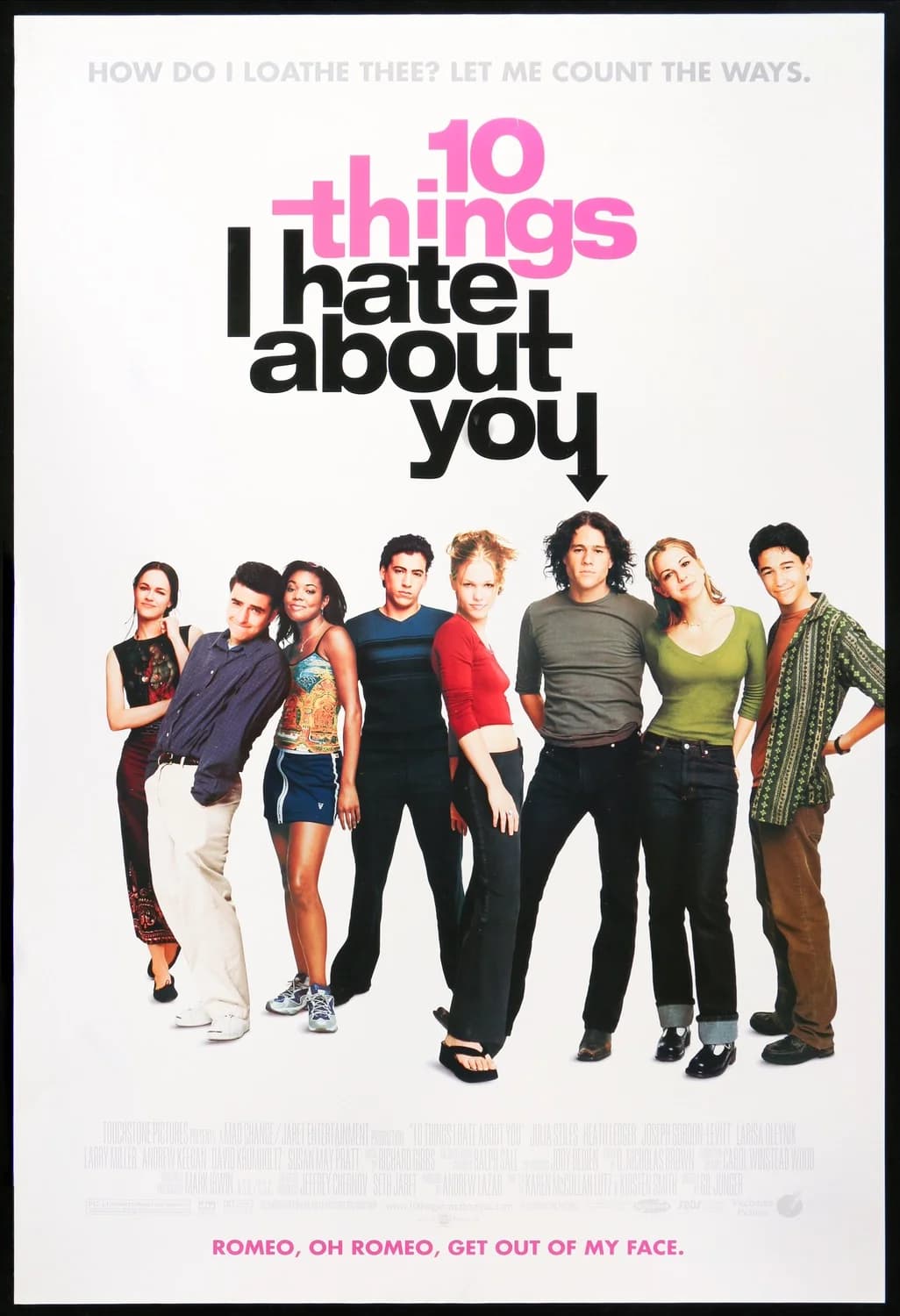
1999 // VHS
10 Things I Hate About You
Sibling rules, a rooftop serenade and one very stubborn Kat — Shakespeare in a school corridor.
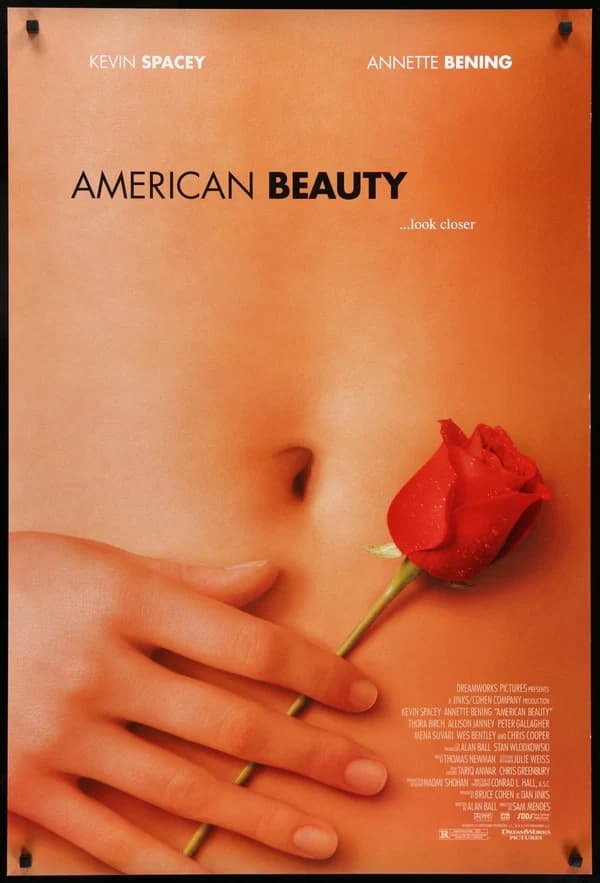
1999 // VHS
American Beauty
Lester Burnham, suburban rot and a midlife argument that still stings.
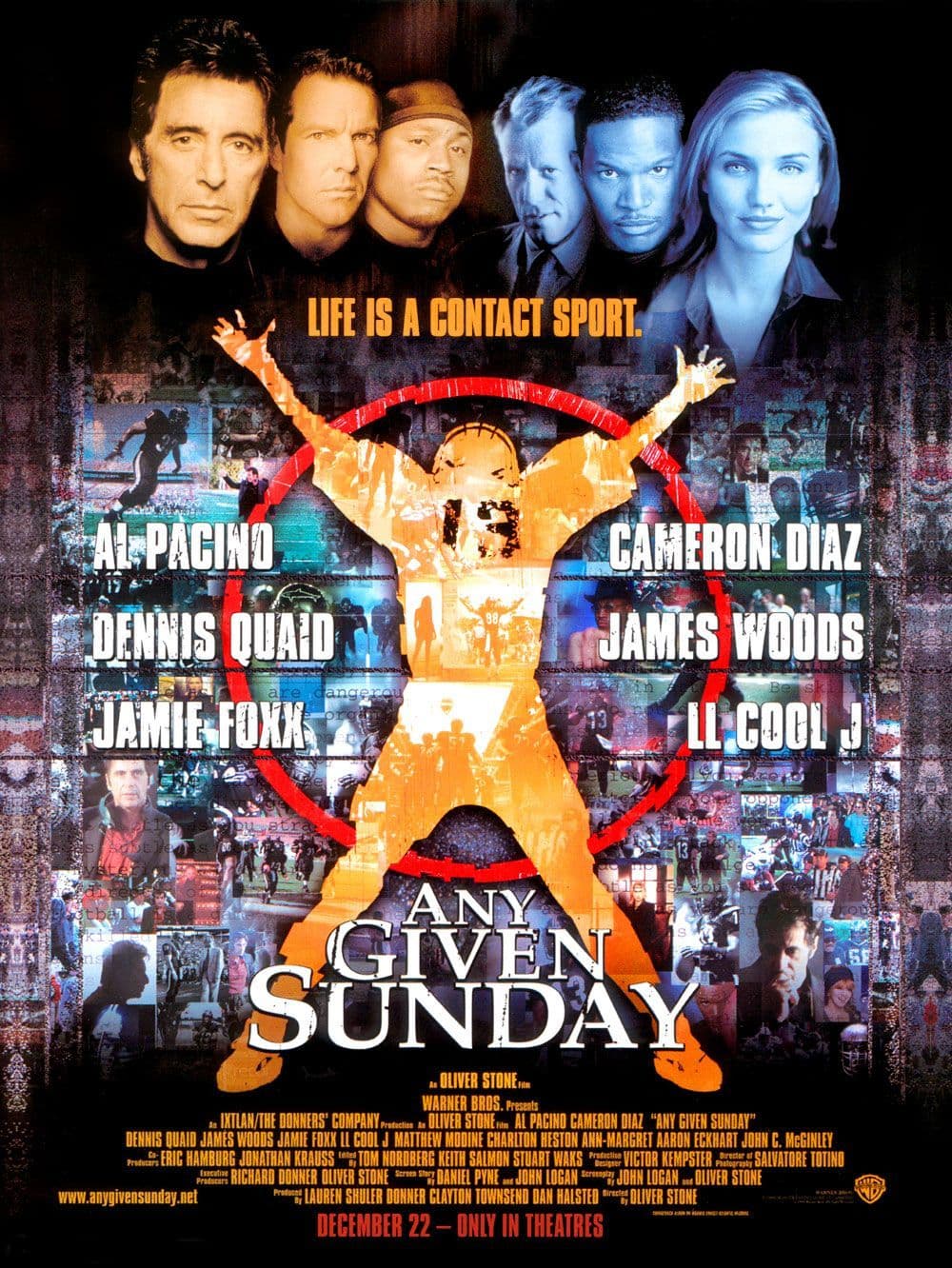
1999 // VHS
Any Given Sunday
Al Pacino's coach anchors the chaos of a film about football turned into product — loud, messy and oddly persuasive.