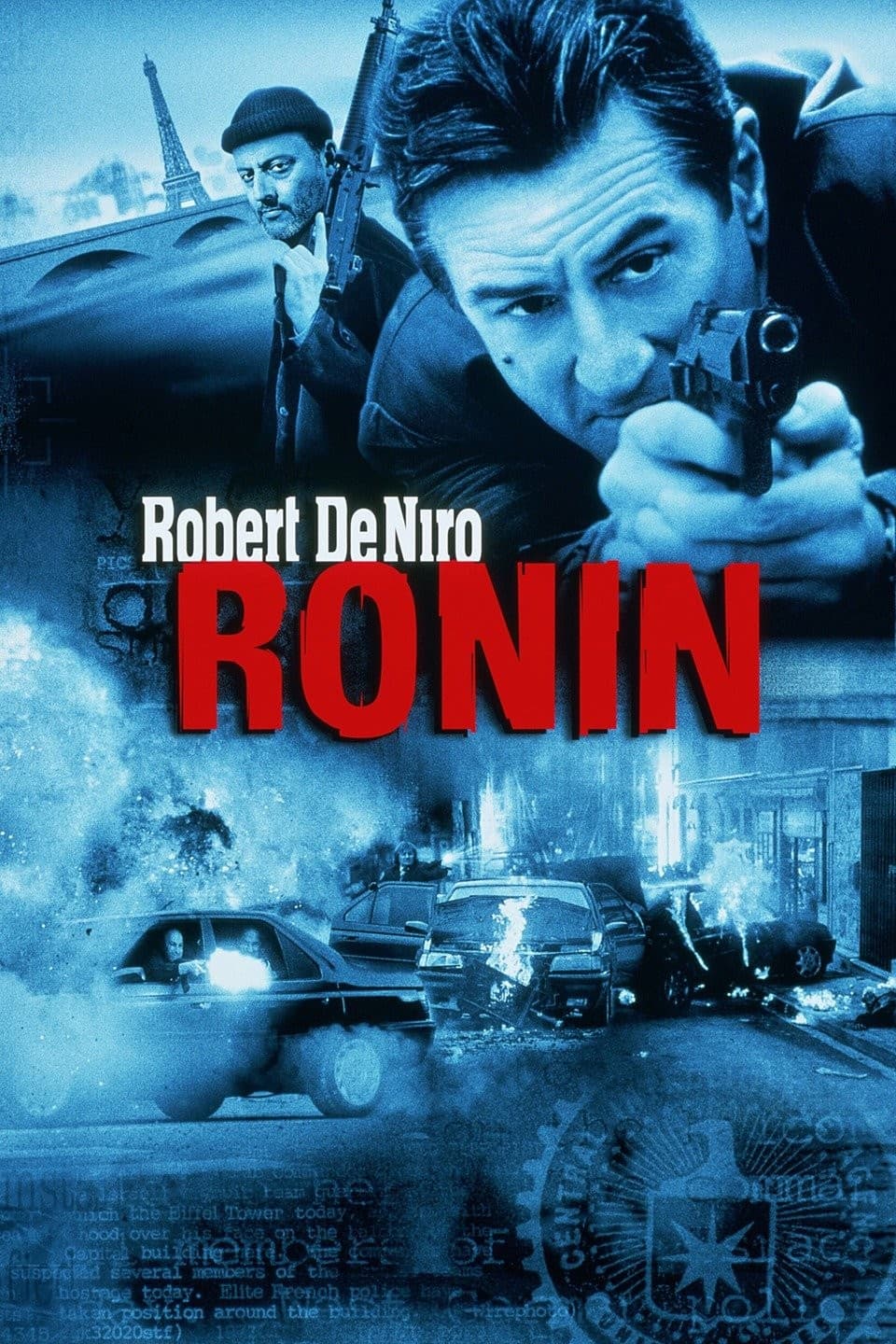
Ronin
Mercenaries, a mysterious briefcase and a man called Sam — loyalties get measured in kilometres per hour.
// The setup
PLAYBACK STARTED
Ronin is the kind of late‑90s thriller that announces itself by the people in the car, not the car itself. It’s a compact, restless movie about a group of ex‑operatives chasing a briefcase nobody explains and the cautious man at the centre who keeps asking the awkward questions. If you remember the chases, you remember Sam.
THE MOVIE
Sam is still the reason this movie works
Ronin starts with a promise and then refuses to unpick it: a heavily guarded briefcase becomes the thing that makes everyone move, but the film never tells us what’s inside. That deliberate blank is the film’s engine — the MacGuffin that exists to expose loyalties, not to be explained.
Natascha McElhone’s Deirdre is the practical spark who gathers the freelancers and sets the clock running; she’s the intermediary, the dealmaker, the reason these professionals cross paths. The plot is less about the object than about the people circling it.
And at the middle of all this is Sam. Robert De Niro’s character is a wary ex‑operative whose instincts steer many decisions; whether the film is remembered for its car chases or its continental swagger, Sam is the constant that holds the ensemble together. Directed by John Frankenheimer and running just over two hours, Ronin makes a virtue of restraint — it prefers questions and manoeuvres to tidy answers.
THE SETUP
The idea that sets Ronin in motion
The film’s neat trick is how little it asks you to accept on faith. A shadowy briefcase is worth risking lives for, and a linear explanation of its contents would only have diluted the movie’s focus. So the briefcase stays closed, and the story concentrates on the handoffs, the surveillance and the short, dangerous negotiations that follow.
Deirdre assembles the team — a group of former intelligence operatives and mercenaries — and acts as their liaison. That setup keeps the scale tight: it’s a job, a mission, a contract. Trust is transactional and therefore fragile.
What makes the premise work is how the film turns procedural details into character tests. Exchanges and chases don’t exist as spectacle alone; they reveal who will keep their word, who will bend, and who will look for the exit at the first sign of heat.
Contemporary critics noticed the same thing: the ensemble and the chases were the headlines, but it was the persistent narrative ambiguity and the shifting loyalties between players that made Ronin feel like more than a string of action set pieces.
THE CHARACTER
Why Sam matters
Sam is the ledger in a world that keeps very few accounts. Presented as a cautious, experienced ex‑CIA operator, he’s the man who measures risk and remembers old rules when everyone else treats the job like a quick payday.
That caution isn’t just personality; it’s the film’s anchor. When loyalties wobble and double‑crosses happen, Sam’s instincts push the action into sharper relief. The choices he makes — to trust, to test, to walk away — are the little calibrations that become the movie’s moral geography.
His relationship with Vincent is crucial. Jean Reno’s pragmatic mercenary is a foil: where Sam calculates, Vincent seems built for immediacy and professional efficiency. Their uneasy cooperation is the emotional core — not romance or bromance, but a professional accord forged by necessity.
Critics often point to Ronin’s stoic professional protagonists and its pared‑down moral tone, which invite comparisons with the austere thrillers of Jean‑Pierre Melville. Sam sits squarely in that tradition: a quiet, watchful figure in a world where clear rules no longer exist.
THE PERFORMANCE
Why Robert De Niro's performance matters
Contemporary reviews singled out De Niro’s presence as the thing that keeps the film steady. That’s not a vague compliment; it’s a precise observation about how a single well‑anchored central character can stabilise an ensemble that is otherwise constantly shifting allegiances.
In a movie that trades in ambiguity, having a reliable centre helps the audience keep its bearings. De Niro’s Sam is the film’s reference point: when the plot happily twists and sellers switch sides, the story still moves around a recognisable moral rhythm.
Put simply: critics credited De Niro with giving the central role enough weight that all the scheming and manoeuvring around him felt ordered rather than chaotic. In a film about professionalists trying to behave like professionals, that steadying effect matters.
UNDER THE SURFACE
Ronin has more on its mind than the plot suggests
At face value Ronin is a heist/action movie. Under the surface, it’s interested in what happens to professional soldiers when the geopolitical job disappears. Post‑Cold War obsolescence is threaded through the story: these are people who once had countries to work for and now take freelance commissions to survive.
That marginalisation feeds the film’s recurring concern with loyalty and professional honour. The characters may be mercenaries, but many operate under their own codes. Agreements, handshakes and reputations still mean something — until they don’t.
Ambiguity and secrecy are built into Ronin’s DNA. The briefcase’s contents stay secret because what matters is how information and trust are managed, not the secret itself. Secrecy makes every exchange a test and every ally a possible threat.
Finally, the movie constantly balances professionalism against personal attachment. People in Ronin make choices based on contracts and skill, but old loyalties and individual attachments keep intervening. That tension gives otherwise procedural set pieces an emotional weight.
PRACTICAL EFFECTS
The effects work that gives Ronin its physical personality
Ronin’s physical personality comes from action staged on real streets. The production used professional drivers and live vehicle stunts for its chases on the French Riviera and in Paris, and that commitment to coordinated driving gives the movie its tactile edge.
Publicity leaned into the idea that these chases were ‘live’, and in many respects they were. But later technical analysis is worth mentioning: selective digital effects and compositing were used in postproduction for certain elements like smoke or tyre work. The result is a hybrid — mostly live stuntcraft complemented by subtle digital touches.
That blend matters because the film sells danger through motion and contact. You feel the choreography. And when compositing is employed, it’s not to replace the stunt work so much as to polish and control it.
So the chases feel physical without pretending that postproduction played no part. It’s a pragmatic approach that prioritises on‑set craft while accepting the tools available in postproduction.
PURE 80S
Ronin could not belong to any other decade
Released in 1998, Ronin sits at the end of a particular run of action thrillers that still prized on‑location stunt work and continental settings. It’s a late‑90s movie in the sense that it uses real streets and professional drivers at a moment before CGI spectacle fully took over.
The film’s international ensemble and its European locations are also telling. Hollywood in the 1990s increasingly looked abroad for scale and atmosphere, and Ronin follows that pattern: it is an American production that feels at home in Paris and along the Riviera.
That continental reach and emphasis on practical stunts give the film a specific 1990s personality: cosmopolitan, hand‑tooled and slightly world‑weary. The decade supplied the conditions in which a story about displaced professionals and shadowy contracts could feel immediate.
Call it the right movie at the right late‑90s moment: one foot in old spy tradecraft, another in the globalization of genre filmmaking.
THE LEGACY
Why Ronin still matters
Ronin has stuck around in part because of its chases. Contemporary and later lists frequently nominate it for those set pieces, and that reputation is one of the simplest reasons it keeps being rediscovered.
It also matters as a late‑career moment for John Frankenheimer. For viewers and critics looking back, the film reads as a clear example of realist, late‑90s action filmmaking — a movie that preferred calibrated stunts and tightly staged exchanges over pyrotechnic spectacle.
That presence in film‑culture discussion has produced tangible traces: home‑video special editions and critical reappraisals that keep the conversation alive. It’s not fanfare so much as a steady attention to what the film does well.
Finally, the ensemble — including Sam, Vincent and Deirdre — gives the movie its recurring human interest. People return for the practical thrills, but they stay because the story rewards attention: loyalties shift, professional codes clash, and characters keep surprising you in small, credible ways.
THE VERDICT
Does Ronin still hold up?
Yes — especially if you care about characters who behave like professionals and about action staged in the real world. The film’s premise is simple: a team of former operatives is hired to recover a mysterious briefcase, and the story is built around the mechanics of handoffs, surveillance and betrayals rather than a tidy explanation of the MacGuffin itself.
That structural choice is why Ronin’s set pieces mean more than spectacle. The briefcase functions primarily as a device that forces character decisions. When people swap cars, sign contracts and decide whom to trust, the film reveals its concerns: post‑Cold War obsolescence, loyalty and the tension between professional detachment and personal ties.
Robert De Niro’s Sam is central to whether the film works, and critics at the time noticed that his presence anchors the ensemble. Opposite Jean Reno’s pragmatic Vincent, Sam provides the moral and tactical measure by which the chaos is judged. If you respond to quietly ordered characters, Ronin pays dividends.
It’s not a flawless film. If you need every secret explained, the narrative ambiguity might be frustrating. But if you’re after a late‑90s action thriller that treats tradecraft seriously, stages its chases on real streets, and trusts its players to carry the mystery, Ronin is still worth your time. Ultimately it’s a movie about professionals trying to behave like professionals — and about what happens when the rules vanish. That, in the end, is its steady, slightly melancholy power.
Share this movie
// Keep watching
More movies from the 90s
If Ronin is your kind of movie, there's plenty more on the shelves worth rewinding.
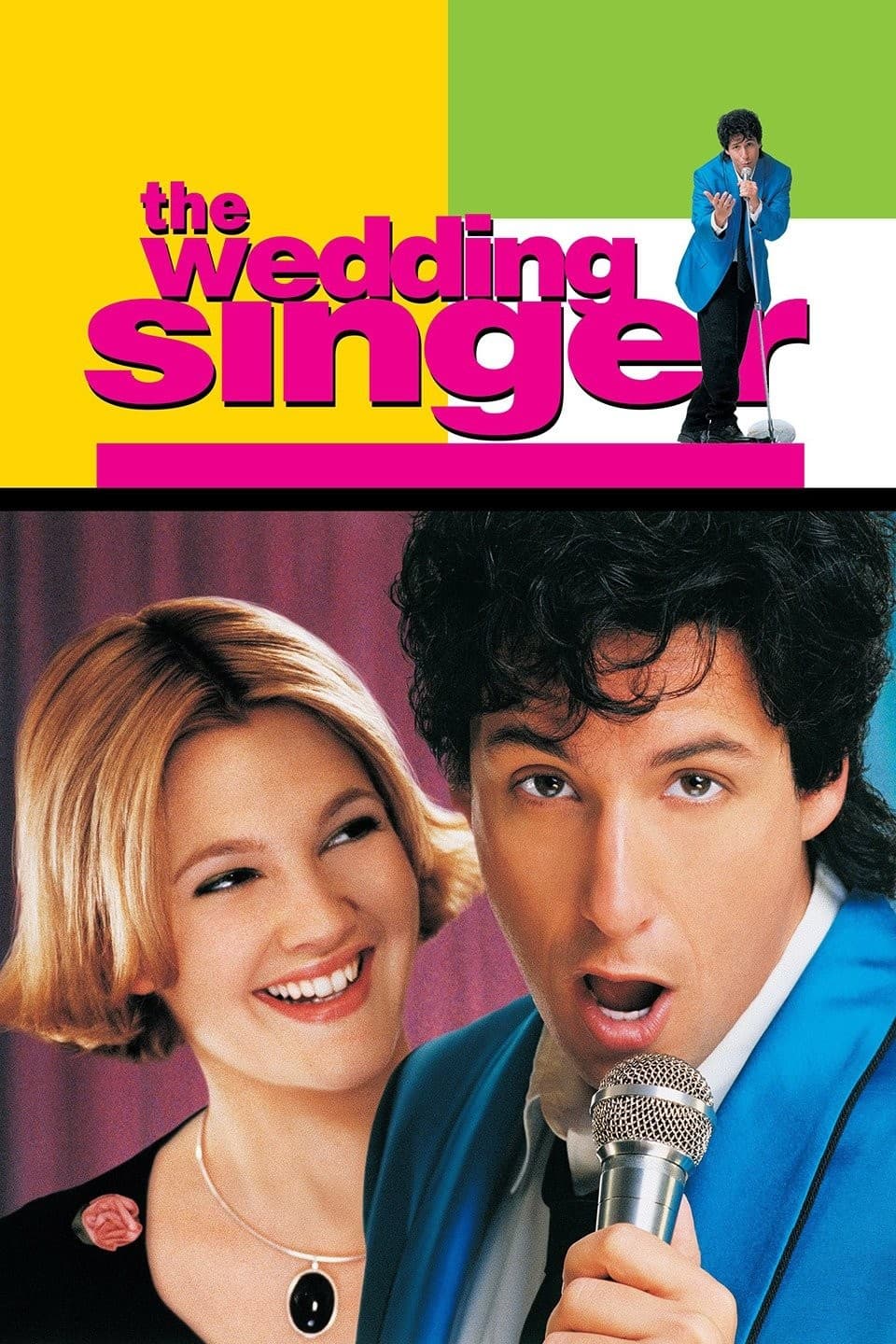
1998 // VHS
The Wedding Singer
A love story wrapped in 1980s pop — and carried by one very earnest wedding crooner.

1998 // VHS
There's Something About Mary
Romantic obsession, awkward masculinity and a hair‑gel gag you can't unsee.
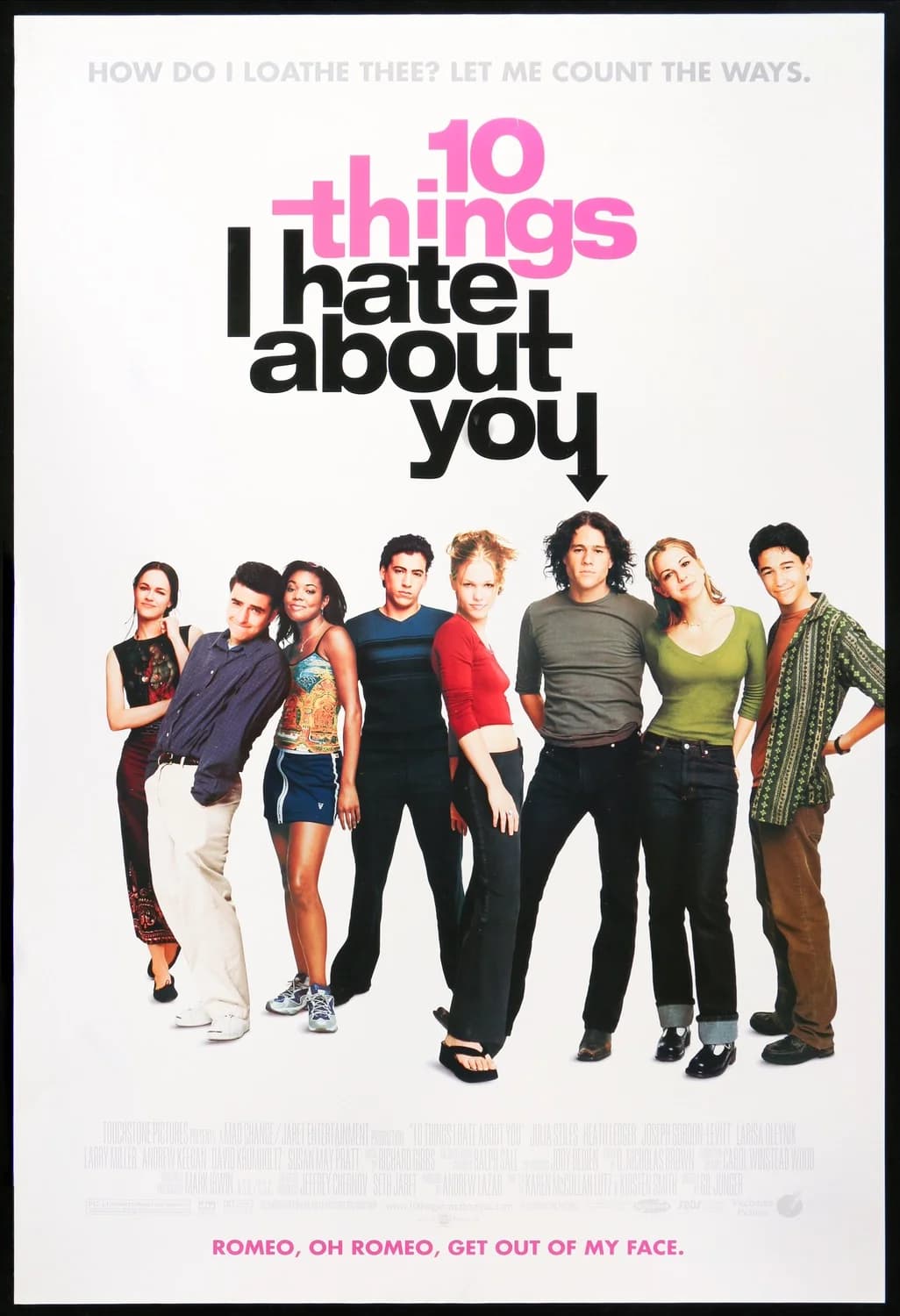
1999 // VHS
10 Things I Hate About You
Sibling rules, a rooftop serenade and one very stubborn Kat — Shakespeare in a school corridor.