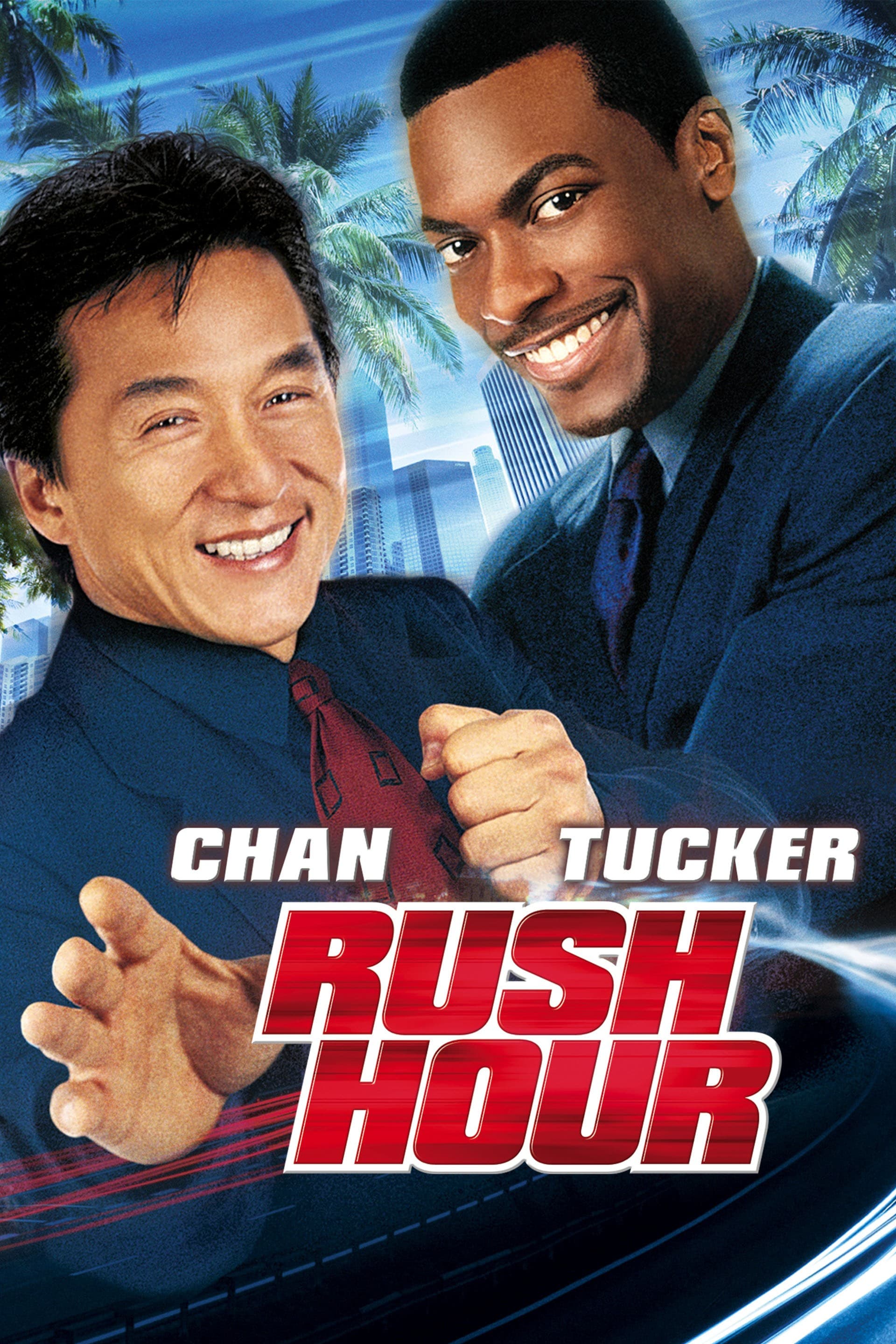
Rush Hour
Martial arts, fast talk and a missing consul’s daughter — friendship is the surprising action.
// The setup
PLAYBACK STARTED
Rush Hour is the kind of film you remember because it pairs two very different engines — a disciplined Hong Kong cop and a loud-mouthed LAPD detective — and lets them collide, argue and, eventually, get the job done. It’s a 97-minute pitch that lives in the contrast: a cross-cultural rescue mission that doubles as a comedy about jurisdiction, loyalty and learning to work with someone who speaks a different language and a different shorthand. And yes, Jackie Chan as Chief Inspector Lee is the reason you keep coming back.
THE MOVIE
Chief Inspector Lee is still the reason this movie works
Most people recall Rush Hour as a loud, fast buddy movie — and they’re right. The film’s engine is simple: the daughter of the Chinese consul has been kidnapped, so Hong Kong Inspector Lee comes to Los Angeles and is paired with LAPD Detective James Carter to find her. That set-up hands the movie a spare, effective purpose: rescue the girl and figure out how two very different cops can do it together.
Chief Inspector Lee’s motivation is straightforward and steady: duty and the need to bring the consul’s daughter home. Put next to him is James Carter, a detective whose brash, career-minded approach constantly rubs against Lee’s methods. That opposition — East meets West, careful method versus brash showmanship — gives the film both its comic sparks and its forward motion.
Rush Hour is directed by Brett Ratner and was released in 1998. It runs a tidy 97 minutes, which suits the material: there’s no lingering. The movie sets up the culture-clash punchlines and action flourishes quickly, then lets Jackie Chan’s Chief Inspector Lee and Chris Tucker’s Detective Carter do the work.
THE SETUP
The idea that sets Rush Hour in motion
Here’s the practical hook: a diplomat’s child is taken, the consul calls in help from Hong Kong, and Inspector Lee turns up in L.A. The plot keeps its scope deliberately narrow — a focused search muddied by jurisdictional headaches — and that’s why it works as a commercial buddy thriller.
Official resistance from U.S. authorities is written into the story: FBI and local processes make it hard for Lee to operate openly, so he and Carter spend most of the film pursuing leads without the full backing of the system. That friction gives them licence to be reckless and to lean on each other.
The language-and-culture barrier is used for laughs, certainly, but it’s also a real obstacle: misunderstandings slow the investigation and force the pair to find practical ways to communicate and cooperate. The comedy and the plot both gain energy from those moments.
Ross LaManna is credited for the story, with LaManna and Jim Kouf on screenplay duties, which helps keep the set-piece rhythm tight: a steady mystery, jurisdictional headaches and repeated reminders that neither bureaucracy nor language will be the thing that solves the case — the partnership will.
THE CHARACTER
Why Chief Inspector Lee matters
Jackie Chan’s Chief Inspector Lee matters because he gives the film a centre of competence. He arrives with a mission — rescue the consul’s daughter — and he brings Hong Kong police practices and martial-arts skill to an environment that doesn’t expect them. That contrast with the Los Angeles setting is what sharpens every scene he’s in.
Lee isn’t written as a fish-out-of-place caricature; his seriousness and focus play off Carter’s showmanship. That tension — a disciplined investigator forced to improvise alongside a loud, ambitious partner — makes the relationship feel earned rather than tacked on.
There’s also a loyalty at the heart of Lee’s actions. His sense of duty keeps the plot honest: this isn’t a joyride, it’s a rescue that matters. That loyalty, coupled with his methods, gives the movie both moral weight and practical momentum.
Finally, the production credits underline that Lee’s role was built to be physical: Jackie Chan appears among the film’s stunt personnel and the action sequences were staged by a substantial stunt team. That practical involvement helps explain why the film foregrounds hand-to-hand skill rather than distant spectacle.
THE PERFORMANCE
Why Jackie Chan's performance matters
Contemporary reviewers specifically noted what Chan brought to the table: his physical action work was singled out as a main appeal of the film. That’s a useful, tightly supported observation — the movie gives Chan room to do what he does and makes those moments central to its tone.
The same set of reviews also praised the chemistry between the two leads. The film depends on that energy; without the push-and-pull between Chan and Tucker, the rescue plot would be thinner and the comic beats would have less bite.
So, in practice, Chan’s contribution is twofold: he provides the film’s physical credibility in action scenes and he supplies a straight-backed counterpoint to Carter’s brashness. Both points were the fingers reviewers pointed to at the time, and both remain why the role feels pivotal.
UNDER THE SURFACE
Rush Hour has more on its mind than the plot suggests
On the surface it’s a kidnap-and-rescue buddy movie. Underneath, it’s about negotiating difference. The film keeps returning to that East-meets-West dynamic: two worlds with different rules, trying to solve a problem together.
The fish-out-of-water comedy — language gaps, cultural misunderstandings — provides most of the laughs, but it also forces the narrative to ask practical questions: how do you investigate when you can’t rely on shared assumptions or official cooperation? The answer the movie offers is partnership, not bureaucracy.
Friendship and loyalty slot into that framework. The case requires more than mere professional competence; it requires trust. The growing regard between Lee and Carter is what turns a procedural into something warmer — and also what lets them outfox the jurisdictional obstacles that block them.
Jurisdictional conflict is not just procedural noise. It’s a source of drama: official resistance gives the pair permission to be inventive, and that friction keeps the story moving while neatly tying the comedy and action to a believable problem.
PRACTICAL EFFECTS
The effects work that gives Rush Hour its physical personality
What gives Rush Hour its physical personality is a heavy emphasis on staged, on-set action. The credits list Jackie Chan among the film’s stunt personnel and identify several stunt coordinators, which signals that the production leaned on real stunt work rather than hiding it.
The film’s second-unit and stunt teams were responsible for bringing the set-pieces to life. That practical approach is visible in how sequences are constructed: movement, hits and beats are staged by people whose job was to make action readable and immediate.
That same crediting underlines a broader point: this is a movie that foregrounds bodily performance. The way fights are put together matters to the storytelling because those sequences are where Lee’s methods and commitment are demonstrated rather than described.
PURE 80S
Rush Hour could not belong to any other decade
Rush Hour landed in late 1998, and that timing matters. It was one of New Line Cinema’s big commercial hits that year, which is telling: the studio saw value in packaging international stars for a global audience and the movie delivered on that plan.
The pairing of an East Asian action star with an American comic lead was very much a 1990s commercial strategy — the era cultivated cross-border pairings to broaden appeal. Rush Hour is a clear example: a film built to travel by mixing martial-arts spectacle with broad buddy-comedy beats.
That approach — short, punchy runtime, straightforward premise and a focus on personality over complexity — felt made for the end of the decade. The movie’s construction squares with what the market wanted then: entertaining, exportable and easy to explain in a single sentence.
So while the jokes and the delivery are very much of the moment, Rush Hour’s decision to trade on contrast and star pairing is what ties it to the 1990s rather than to any other period.
THE LEGACY
Why Rush Hour still matters
For the industry, Rush Hour mattered because it spawned two direct sequels and a bona fide franchise, which says something about its commercial shape and the clarity of its central partnership. The studio could take the same pair and keep selling the concept.
On a pop-culture level, the movie’s soundtrack and a clutch of awards in popular categories — including an MTV Best On-Screen Duo win for the leads — helped keep the film in people’s hands. Those sorts of recognitions aren’t prestige trophies, but they are the kind that keep a movie in the conversation.
For Brett Ratner, the film’s box-office performance positioned him as a commercially bankable director in late-1990s Hollywood and made the studio’s international marketing strategy look like a smart bet. In short: Rush Hour did what it needed to do for the people backing it, and that success translated into more films and more visibility for those involved.
THE VERDICT
Does Rush Hour still hold up?
Yes — if you’re watching for what it set out to be. The film’s premise is unambiguous: a kidnapped consul’s daughter brings Hong Kong Inspector Lee to Los Angeles, where he and Detective James Carter must solve the case largely without official backing. That clear mission keeps the narrative lean and prevents the comedy from wandering.
The jurisdictional friction and language-and-culture barrier remain central to the film’s mechanics and humour. Those elements are not incidental: they create the conditions for the duo to improvise, to bicker, and to develop a practical, if unlikely, partnership. If that sounds charmingly old-fashioned, that’s because the movie is built around a simple trade — contrast for chemistry.
Contemporary reviewers praised the film for exactly this: Jackie Chan’s physical action work and Chris Tucker’s high-energy comic delivery make the pairing feel like the main event rather than a gimmick. The result is a film that moves briskly (it runs 97 minutes), stays focused on its rescue story, and keeps the relationship between Lee and Carter as the emotional and comic through-line.
So should you watch it today? If you want a tight, personality-driven action-comedy where cultural difference is used for laughs and plot, Rush Hour still works. It’s not trying to be anything it’s not: it’s an East-meets-West buddy movie directed by Brett Ratner, built to entertain, and — crucially — it succeeds because Chief Inspector Lee and Detective James Carter make you care enough to follow them through the mess.
Verdict: Rush Hour still holds up as a perfectly serviceable, enjoyable late-90s buddy-action romp — short, sharp and loyal to its central partnership.
Share this movie
// Keep watching
More movies from the 90s
If Rush Hour is your kind of movie, there's plenty more on the shelves worth rewinding.
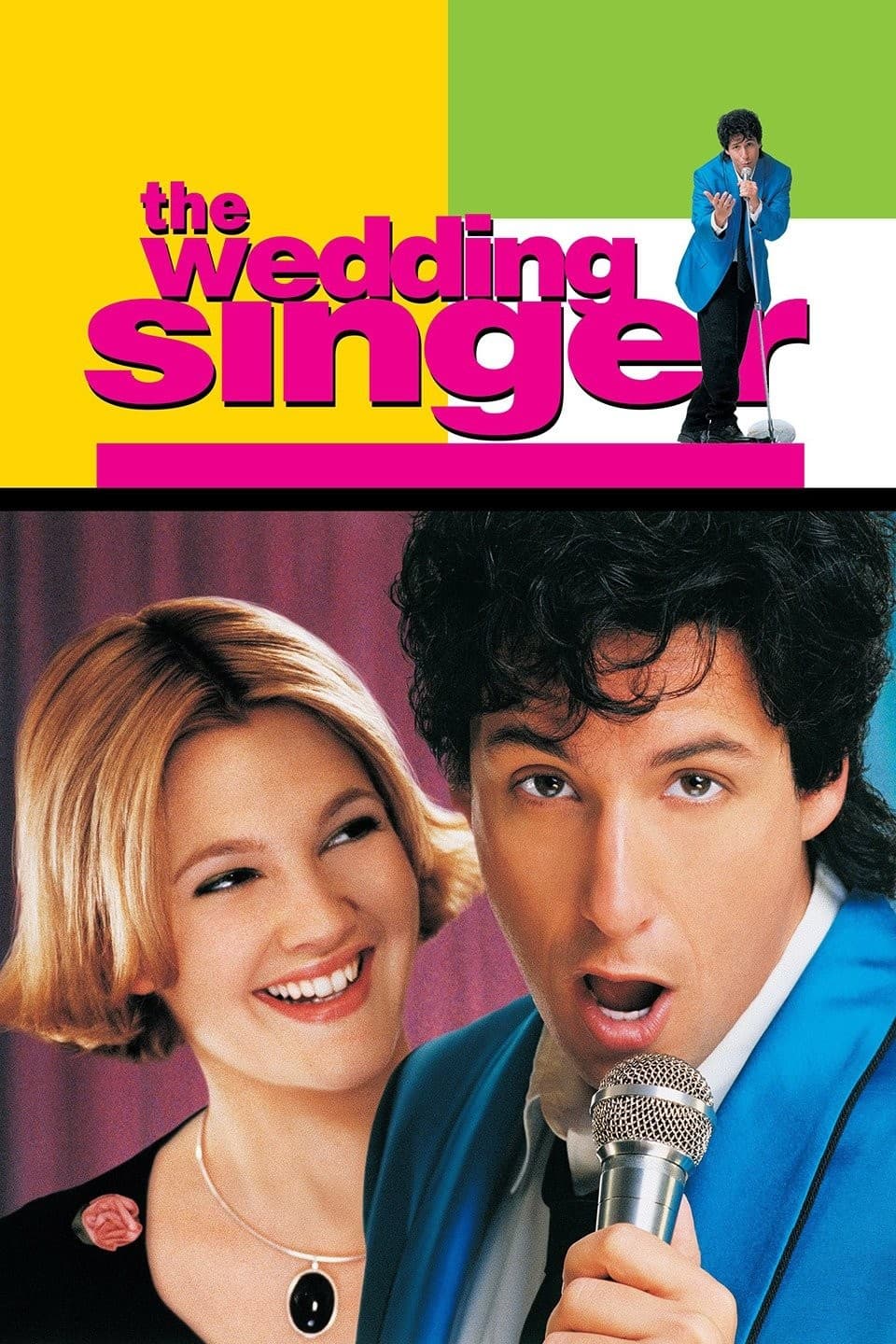
1998 // VHS
The Wedding Singer
A love story wrapped in 1980s pop — and carried by one very earnest wedding crooner.

1998 // VHS
There's Something About Mary
Romantic obsession, awkward masculinity and a hair‑gel gag you can't unsee.
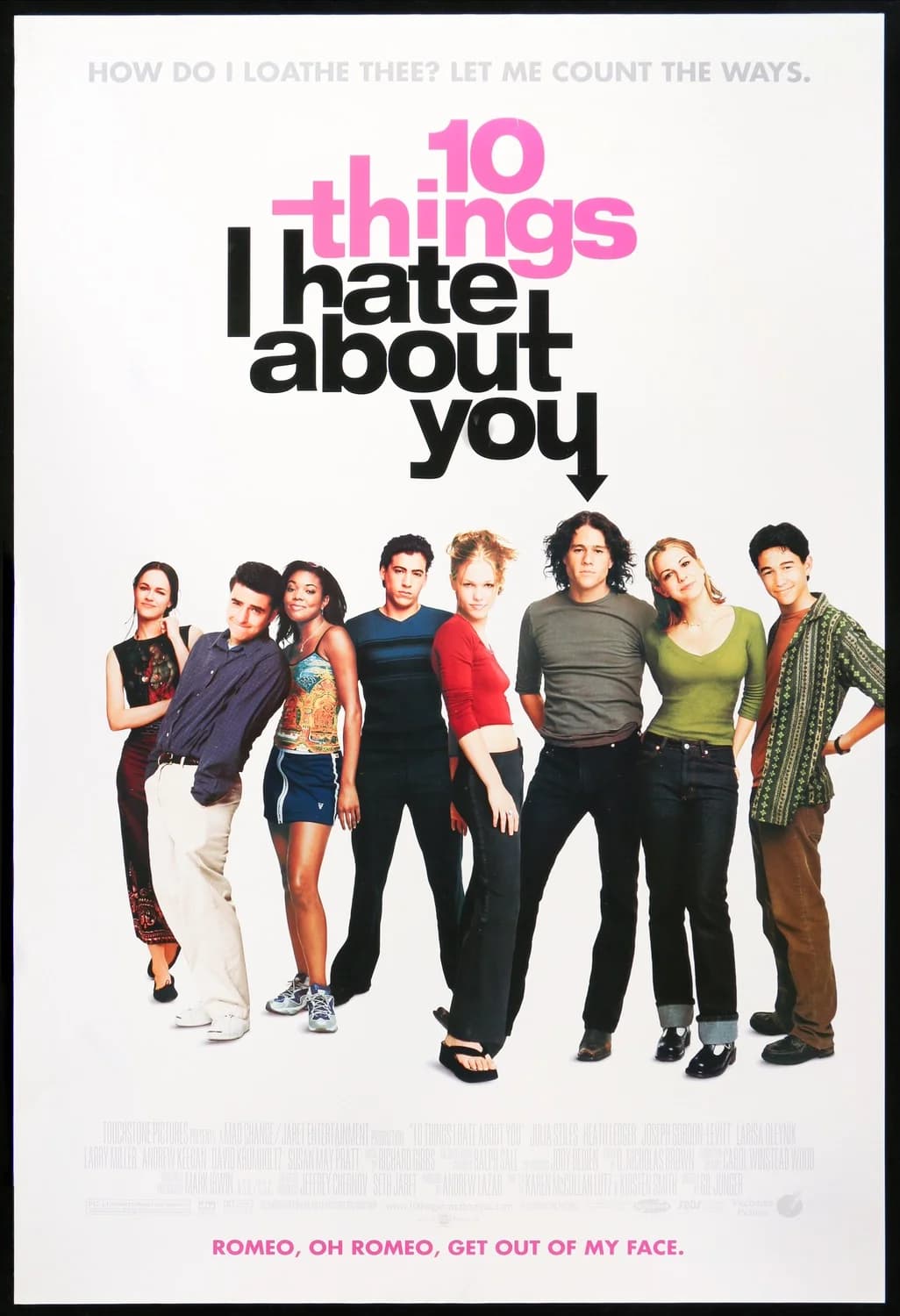
1999 // VHS
10 Things I Hate About You
Sibling rules, a rooftop serenade and one very stubborn Kat — Shakespeare in a school corridor.