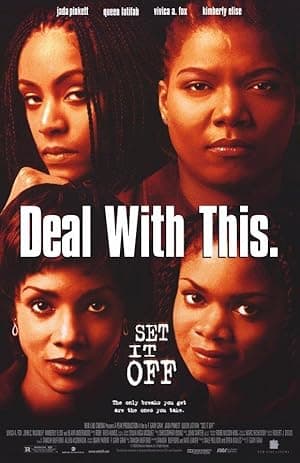
Set It Off
Four women, one impossible choice — and Lida 'Stony' Newsome is the pulse that keeps it beating.
// The setup
PLAYBACK STARTED
Set It Off isn't a neat heist film you tuck away after the last robbery. It's a movie about people pushed against a wall — friends, family, small mercies — and the woman at the centre who refuses to let things stay broken. Revisit it for the bank jobs, stay for Stony.
THE MOVIE
Lida 'Stony' Newsome is still the reason this movie works
If Set It Off sticks with people, it’s because it gives us one woman trying to do right by the people she loves while the world gives her no easy routes. At its heart the film follows four close friends in Los Angeles who, pushed by economic hardship and particular injustices, decide to rob banks to change their circumstances.
The domino that starts everything is clear and sharp: Frankie witnesses a robbery at the bank where she works and is then sacked when investigators treat her like a suspect. That moment doesn't feel like a plot contrivance; it reads as a logical snap — the kind of single humiliation that tips hope into desperation.
Directed by F. Gary Gray and released in 1996, the film bundles together themes of economic desperation, fierce female loyalty and the weight of survival. Jada Pinkett Smith plays Lida 'Stony' Newsome — the woman who carries the obligations that turn personal pressure into collective action.
THE SETUP
The idea that sets Set It Off in motion
Set It Off keeps its premise simple and muscular: four friends who share the same neighbourhood and the same disappointments decide to take matters into their own hands. It's a heist film that starts with a human problem rather than a bank vault.
The concrete trigger is Francesca 'Frankie' Sutton's firing after a bank robbery investigation treats her as an inside accomplice. That dismissal isn't merely a plot point — it's the reasonable outrage that gives the group permission, in their eyes, to do something drastic.
From there the film balances the mechanics of planning and pulling off robberies with the personal stakes that make every job risky in a different way. The tension isn't only about who gets away; it's about what desperate people are forced to gamble.
You can describe it as a heist movie, and it's that. But the heists are threaded through a story about survival, shame, and the pressures that turn friends into partners in crime.
THE CHARACTER
Why Lida 'Stony' Newsome matters
Stony exists in the film as more than a heist partner. She is the sibling who carries other people's needs — a sister whose choices are wired to the wellbeing of a younger brother. That responsibility shapes every decision she makes.
Because her motives are domestic and immediate, Stony gives the movie a moral compass you can argue with but never ignore. She's not out for thrills; she's trying to buy a measure of safety and stability, first through honest work and then, when the world closes those doors, by other means.
Her prominence in the story matters because Set It Off never quite lets the audience forget what the women are stealing from: a system that leaves few legal options for people in their position. Stony keeps that contrast in motion.
And crucially, the film pairs those private pressures with the public reality of friendship and loyalty — she is both a protector and a partner, the hinge between the group’s practical plans and its emotional life.
THE PERFORMANCE
Why Jada Pinkett Smith's performance matters
Contemporary critics responded to the leads, and that critical attention matters when judging the film’s staying power. Roger Ebert specifically said the film surprised and moved him, noting he began to care about the characters — and reviewers singled out Jada Pinkett Smith among the actors getting that reaction.
That kind of critical notice is useful because Set It Off depends on the audience caring whether these women succeed or fail. If the leads register as people rather than archetypes, the heists feel consequential.
The film asks viewers to follow a moral grey area. Praise directed at the lead performances helps the story ask that question without collapsing into caricature.
So when the movie asks you to keep faith with its choices, it’s the way the performances make the characters believable that does most of the heavy lifting.
UNDER THE SURFACE
Set It Off has more on its mind than the plot suggests
On the surface, it’s a string of increasingly daring robberies. Underneath, the film is about money as pressure: how not having it — or being shut out of legitimate ways to get it — reshapes choices and loyalties.
Female friendship and loyalty are literal mechanics in the story. These women’s plans depend on trust; their conflicts are often about keeping that trust intact under strain.
The film also places the characters inside a larger social frame. Encounters with policing and institutional failure are not mere background; they are causes and consequences that feed the narrative momentum.
Finally, there’s an angle of representation that matters: the movie includes elements that speak to black queer experience, and those threads contribute to how people read the characters and their relationships today.
THE FILMMAKING
How Set It Off was put together
F. Gary Gray arrived in features after making his name in music videos, and that trajectory shows up in the film’s energy. Reviewers and interviews have tied his video background to a kinetic visual style that keeps the pacing taut even when the story moves between quieter moments and high-adrenaline jobs.
That music-video sensibility is useful for a movie that needs to feel both intimate and cinematic — the smaller scenes ground the characters, while the set-pieces lean into rhythm and movement.
The result is a film that can switch gears without losing focus: domestic scenes sit beside stakeout sequences and robberies in a way that still reads like a single creative voice.
In short, the production choices reflect a director comfortable with pace, rhythm and the demands of both character-driven drama and action set-pieces.
PURE 80S
Set It Off could not belong to any other decade
Released in 1996, Set It Off sits squarely in a period when studio-backed urban-crime pictures with hip-hop soundtracks were a clear commercial strand. That positioning helped the film find an audience beyond the usual thriller crowd.
The soundtrack and marketing leaned into 1990s hip-hop and R&B culture, and the soundtrack’s commercial performance broadened who paid attention to the film before it opened.
The director’s move from music videos into features was also very much of its time: the 1990s saw several high-profile video directors take the same route, and Gray’s transition is part of that trend.
Those elements mean the film reads as a product of its decade in more than just costume and hair — it is plugged into the business and cultural channels that made this kind of film visible in 1996.
WATCHING IT NOW
What has aged — and what hasn't
A lot of the film's durability comes from the way it handles Black womanhood and the ensemble itself; retrospective criticism continues to point at the chemistry among the leads and the film’s attention to a Black lesbian relationship as reasons viewers keep returning.
The structure — alternating character scenes with staged heist set-pieces that focus on planning, execution and immediate fallout — still holds up as an effective way to balance empathy with suspense.
The themes that propelled the story in 1996 — money, loyalty, policing — remain resonant, which makes the drama feel less dated and more like a conversation that continues today.
Where it feels most contemporary is in how those elements are stitched together: the film invites modern viewers to see the heists as responses to lived pressures rather than stylish capers.
THE LEGACY
Why Set It Off still matters
The film did well relative to its budget and became one of New Line’s higher-profile releases for 1996 — commercial visibility that helped it stick around in conversations about 1990s hood and heist pictures.
It’s repeatedly referenced in writing about female-led heist films and Black cinema of the decade, and the story’s afterlife even includes stage adaptations, which says something about its story's adaptability.
Awards and nominations followed for the director and some cast members, underlining that it wasn’t just a commercial product but one that critics and festivals also noticed.
Put simply: Set It Off has remained part of the conversation because it combined audience reach with themes and performances that critics and later writers found worth returning to.
THE VERDICT
Does Set It Off still hold up?
Yes. The film’s core promise — that four friends pushed by poverty and specific injustices will turn to robbery — still lands because the script keeps one foot in procedural detail and the other in personal urgency. You understand both the how and the why.
Jada Pinkett Smith’s Stony anchors that balance: she’s a character motivated by family responsibility, and the film consistently shows the trade-offs that responsibility forces her to make. That clarity of motive makes the more dramatic decisions believable.
The mixture of quieter, character-driven scenes with high-adrenaline heist set-pieces remains effective. The jobs are tense; the quieter moments make the stakes feel earned rather than cinematic window-dressing.
If you watch it now you’ll get a film that still asks sensible questions about money, loyalty and policing — and does so while keeping you invested in people rather than just action. For that reason, Set It Off is still worth your time.
Share this movie
// Keep watching
More movies from the 90s
If Set It Off is your kind of movie, there's plenty more on the shelves worth rewinding.
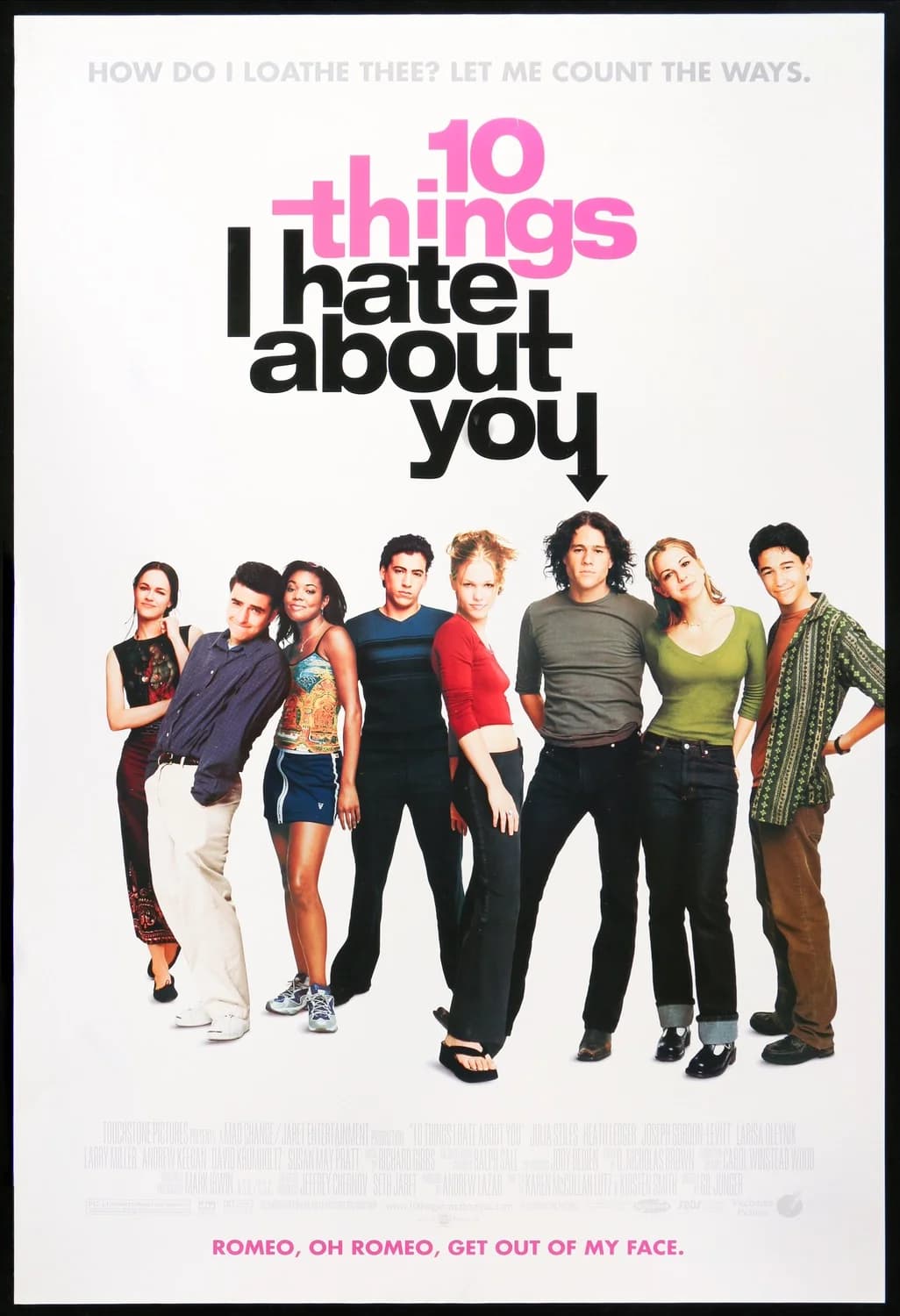
1999 // VHS
10 Things I Hate About You
Sibling rules, a rooftop serenade and one very stubborn Kat — Shakespeare in a school corridor.
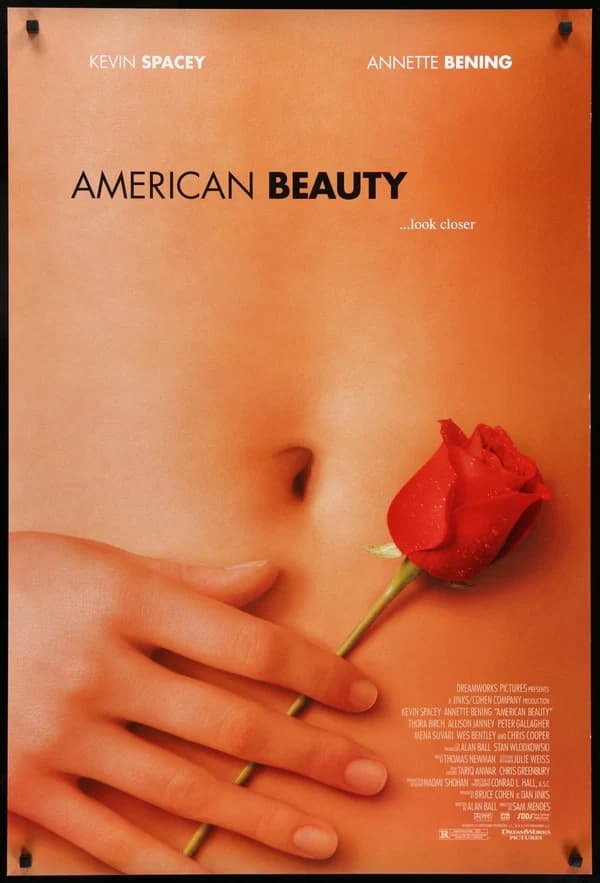
1999 // VHS
American Beauty
Lester Burnham, suburban rot and a midlife argument that still stings.
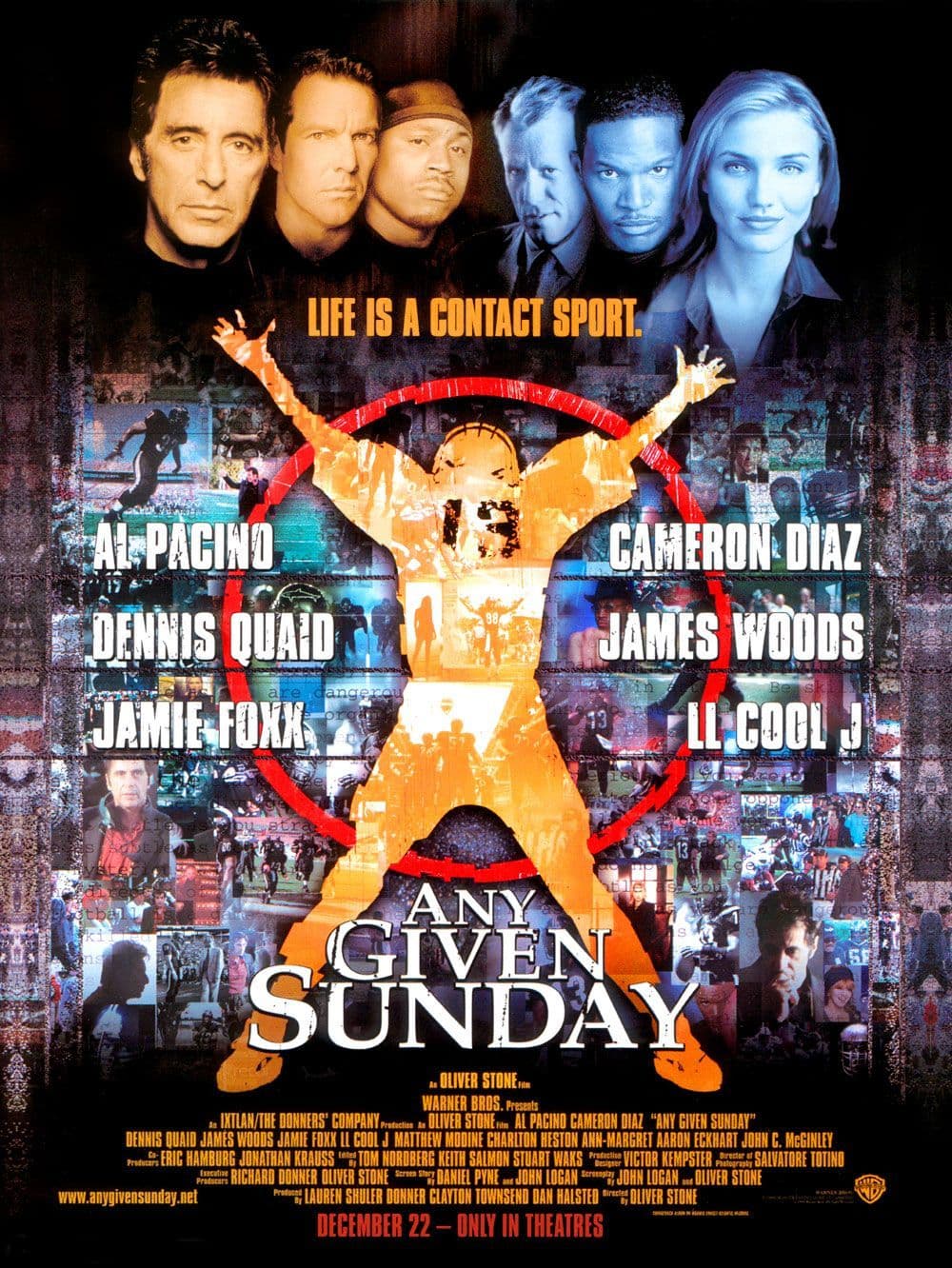
1999 // VHS
Any Given Sunday
Al Pacino's coach anchors the chaos of a film about football turned into product — loud, messy and oddly persuasive.