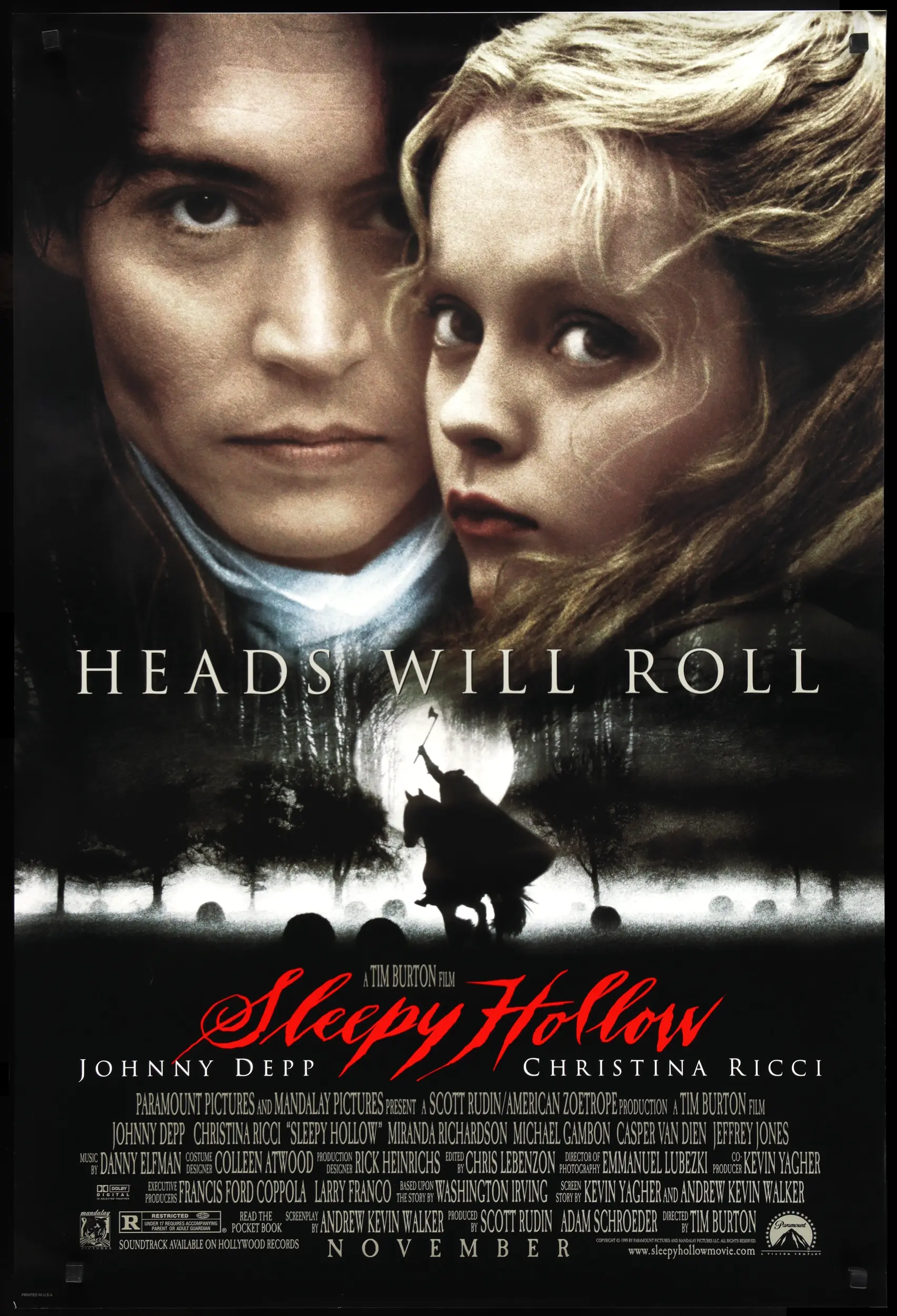
Sleepy Hollow
A murder mystery with moguls, magic and one very awkward constable.
// The setup
PLAYBACK STARTED
Tim Burton's Sleepy Hollow lands somewhere between Sherlock and a ghost story — a period whodunnit where a squeamish, scientifically minded constable walks into a village that prefers prayers to proof. Revisit it for the pleasures that are still unmistakably its own: an oddball hero, a grubby inheritance feud and a look that refuses to be anything but Gothic.
THE MOVIE
Ichabod Crane is still the reason this movie works
What keeps Sleepy Hollow alive in the memory is not just a head without a body galloping across a moor; it’s the very particular awkwardness of Ichabod Crane. He’s a New York constable who treats investigation like a laboratory exercise — eager for evidence, faint at the sight of blood and plainly out of step in a superstitious rural parish.
That mismatch — a rational, early‑forensics detective dropped into 1799 Sleepy Hollow — gives the film a natural engine. Johnny Depp plays Crane, Tim Burton directed, and the screenplay stretches Washington Irving’s little ghost tale into a full‑on murder mystery that keeps one foot in folklore while the other kicks at the facts.
If you remember the movie as much for its atmosphere as its story, there’s a reason: the cinematography, score and studio‑built Gothic world are all on full display. Contemporary viewers and awards voters noticed that, too — Sleepy Hollow’s visual make‑up is a big part of why people still come back to it.
THE SETUP
The idea that sets Sleepy Hollow in motion
The basic engine is tidy and satisfying: in 1799 Ichabod Crane is sent from the city to probe a series of brutal decapitations in a small village. It’s a familiar premise — outsider arrives, people die — but the film leans into the collision between methodical enquiry and local myth.
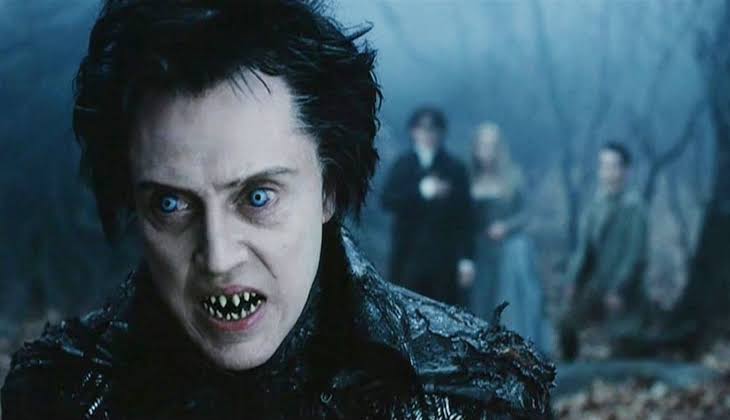
On one level the killings look supernatural: the Headless Horseman is the obvious menace. On another, they sit inside a human plot tied to inheritance and the town’s power structure. That double reading — ghost story and whodunnit — keeps the viewer guessing about motive as well as method.
Andrew Kevin Walker gets the screenplay credit, while production materials also record additional story contributions. The result is a story that expands Irving’s 1820 sketch into a denser murder mystery and a more violent gothic thriller.
So Sleepy Hollow gives you two separate pleasures at once: a detective puzzle that invites inspection, and a Gothic frame that allows for folklore, ritual and the occasional impossible event.
THE CHARACTER
Why Ichabod Crane matters
Ichabod Crane is memorable because he’s oddly specific. He’s not merely ‘the detective’; he’s an intellectually driven, scientific man who is physically uncomfortable with the grime of practical policing and socially clumsy where provincial manners rule.
That combination — brain over brawn, curiosity over local cunning — makes him a natural foil for a town that reads signs as signs of witchcraft rather than clues. You can see how a man like this would both fascinate and irritate Sleepy Hollow’s inhabitants.
His relationship to Katrina Van Tassel gives his mission stakes beyond professional pride: she’s the Van Tassel heir, and the town’s disputes over property and succession put her at the centre of the mystery. That personal thread keeps Crane invested in more than just closing a case.
On a practical level the role also required physical work: stunt and fight doubles were credited to support the action sequences that place Crane in harm’s way despite his squeamishness.
THE PERFORMANCE
Why Johnny Depp's performance matters
Contemporary critics singled out Depp’s work as a highlight. Roger Ebert in particular described his performance as superb and noted how Depp can disappear into the peculiar characters Tim Burton asks him to play.
That observation matters because the film’s tone depends on a convincingly off‑kilter protagonist: a Crane who is plausible as both a man of science and a comic, uneasy outsider keeps the movie anchored while the rest of the village swirls around him.
UNDER THE SURFACE
Sleepy Hollow has more on its mind than the plot suggests
At face value it’s a detective story wearing a Halloween mask. Under the surface, the film is interested in the clash between reason and belief: Crane’s empirical approach runs headlong into a community that reads misfortune as omen or curse.
That collision builds the movie’s tension. Crane’s outsider status — a city man and a modern thinker in a provincial republic of rituals — leaves him vulnerable in practical and social ways.
There’s also an explicitly political strand: disputes over inheritance and local power sit behind several of the murders, so the supernatural is never entirely divorced from human greed and corruption.
Finally, the film wears its Gothic influences openly. It’s an affectionate nod to Hammer and other classic horror traditions, dressed up with late‑90s production values and spectacle.
THE FILMMAKING
How Sleepy Hollow was put together
A huge part of the film’s personality comes from the way it looks. Emmanuel Lubezki served as director of photography and his work is often noted for painterly compositions and high‑contrast lighting that give the movie a deliberately stylised, atmospheric quality.
Rick Heinrichs was the production designer and the production leaned heavily on studio‑built village and forest sets created in the UK. That control over environment lets Burton shape a very particular, almost theatrical Gothic world.
Danny Elfman’s score is credited alongside those visual choices, so the whole package — composition, design and music — was assembled to create a cinematic tone rather than a straight period recreation.
Contemporary critics drew comparisons between Sleepy Hollow’s lavish production design and other late‑90s Gothic revivals, and the film’s craft was recognised by awards bodies for its art direction.
PRACTICAL EFFECTS
The effects work that gives Sleepy Hollow its physical personality
The film relied heavily on practical makeup and prosthetics teams to give the Headless Horseman and the decapitation sequences a tangible, physical presence. Kevin Yagher is credited as a primary effects designer and a substantial prosthetics crew supported that work.
There were animatronics and sculptors on the crew, and the Horseman’s on‑screen menace was realised through those hands‑on techniques rather than being presented as purely digital creation.
Action sequences were supported by dedicated stunt performers; the production credits list stunts and fight doubles for both Ichabod and the Horseman to handle the more dangerous moments.
All of that practical labour helps the film feel tactile in a way that matches its stage‑set Gothic environments.
PURE 80S
Sleepy Hollow could not belong to any other decade
Arriving in November 1999, Sleepy Hollow feels like an end‑of‑decade statement: Hollywood’s appetite for big production values married itself to genre pastiche, and Burton’s film fits neatly into that trend.
Part of that late‑90s personality is the way the movie folds forensic curiosity into an old ghost tale — a very 1990s taste for crime and procedure, even when the crimes are allegedly supernatural.
So while the film is period in setting, its instincts — spectacle, crafted visuals and a taste for hybrid genres — are very much of its moment.
WATCHING IT NOW
What has aged — and what hasn't
If you rewatch Sleepy Hollow today the film’s visuals still hold up. Retrospectives and anniversary releases repeatedly point to the production design and cinematography as the film’s best preserved strengths.
Those elements are easy to enjoy on a first revisit: crafted sets, controlled lighting and the sense of a deliberately designed Gothic world still register, even when fashions and effects elsewhere have moved on.
As for the story and casting, the ensemble includes a lot of names you’ll recognise — for example, Jeffrey Jones plays Reverend Steenwyck — which gives the town a populated, theatrical feel that suits the script’s combination of mystery and melodrama.
In short: the style endures; the pleasures of the plot are more conditional, depending on whether you favour mood and atmosphere over a tighter procedural.
THE LEGACY
Why Sleepy Hollow still matters
There are a few concrete reasons Sleepy Hollow keeps turning up in discussions. It won the Academy Award for Art Direction and received further nominations for craft categories, so its pedigree as a well‑made production is documented.
Home‑video has helped too: the film has been reissued in multiple editions, including a 20th‑anniversary Blu‑ray and a remastered 4K Ultra HD release, which keeps it visible to new viewers.
Critics and retrospectives commonly cite the film for its visual achievements and its place among Burton’s Gothic works, which means it tends to be remembered whenever people talk about late‑90s horror and atmosphere.
Put simply: Sleepy Hollow’s afterlife rests on craft recognition and continued availability for viewers who want to revisit Burton’s particular brand of Gothic spectacle.
THE VERDICT
Does Sleepy Hollow still hold up?
Yes — with qualifications. If you’re coming for mood, design and the specific pleasure of watching a rational man argue with a superstitious town, the film still delivers. Ichabod Crane’s scientific approach and social awkwardness give the narrative a readable compass, while the mystery ties those personality beats to real stakes.
The look of the film is the chief reason to watch now: cinematography, production design and the overall craft build a compelling, stylised world that has aged better than many contemporary effects‑led pictures.
Be warned: the screenplay expands Irving’s short tale into a larger, more violent gothic spectacle, and that reworking drew mixed responses from contemporary critics. If you expect a tight, traditional whodunnit you might find it indulgent; if you enjoy set pieces and atmosphere, it’s a reward.
Overall, Sleepy Hollow remains worth watching — especially for anyone curious about the moment when 1990s procedural curiosity met old‑fashioned Gothic. It’s a film where the central oddball detective is both the compass and the entertainment, and that combination still works.
Share this movie
// Keep watching
More movies from the 90s
If Sleepy Hollow is your kind of movie, there's plenty more on the shelves worth rewinding.
1999 // VHS
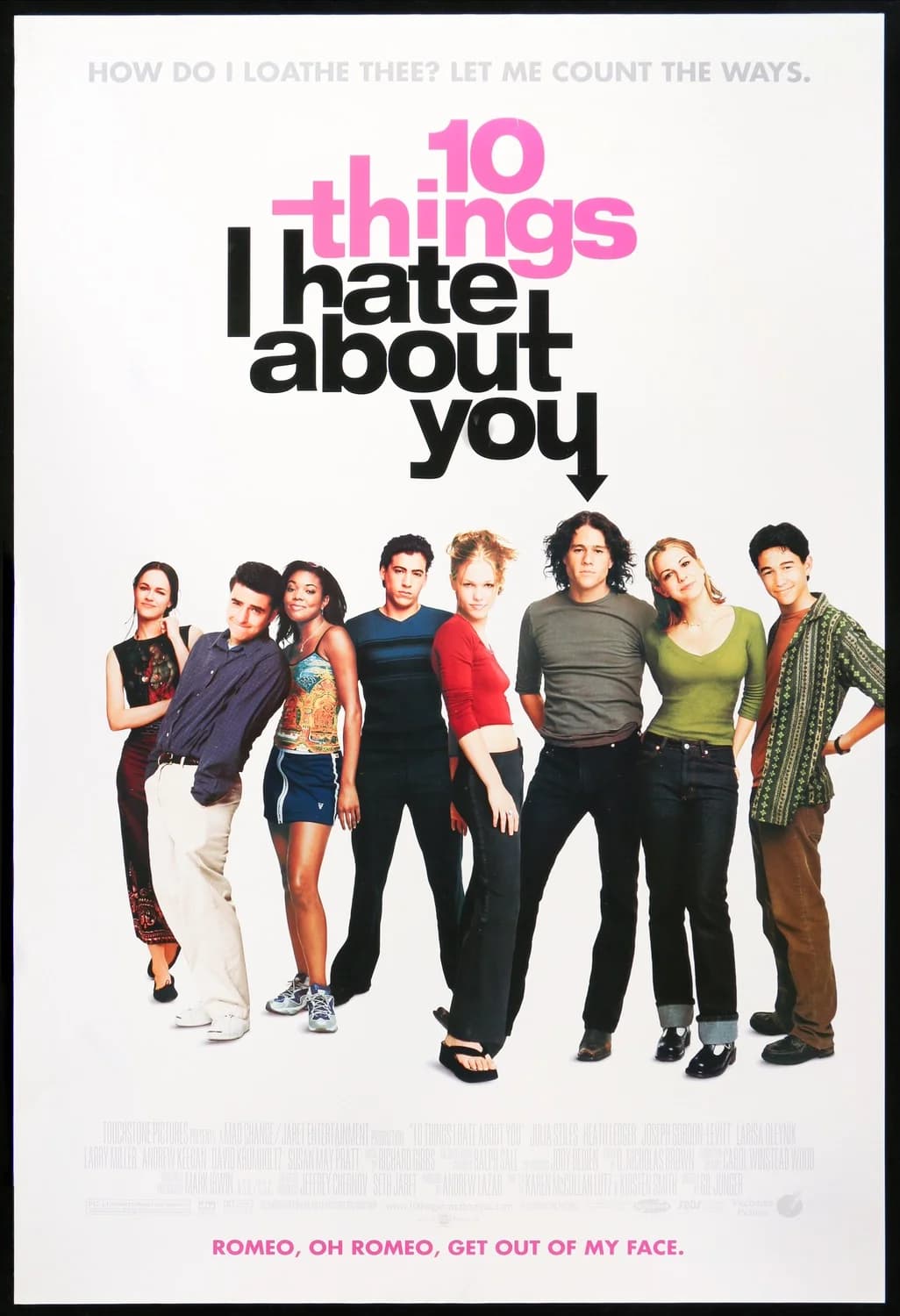
10 Things I Hate About You
Sibling rules, a rooftop serenade and one very stubborn Kat — Shakespeare in a school corridor.
1999 // VHS
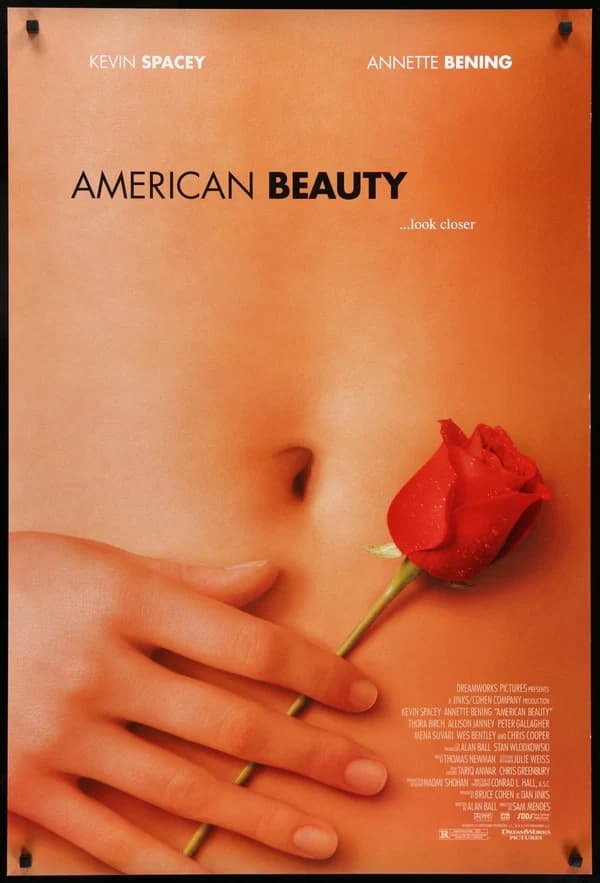
American Beauty
Lester Burnham, suburban rot and a midlife argument that still stings.
1999 // VHS
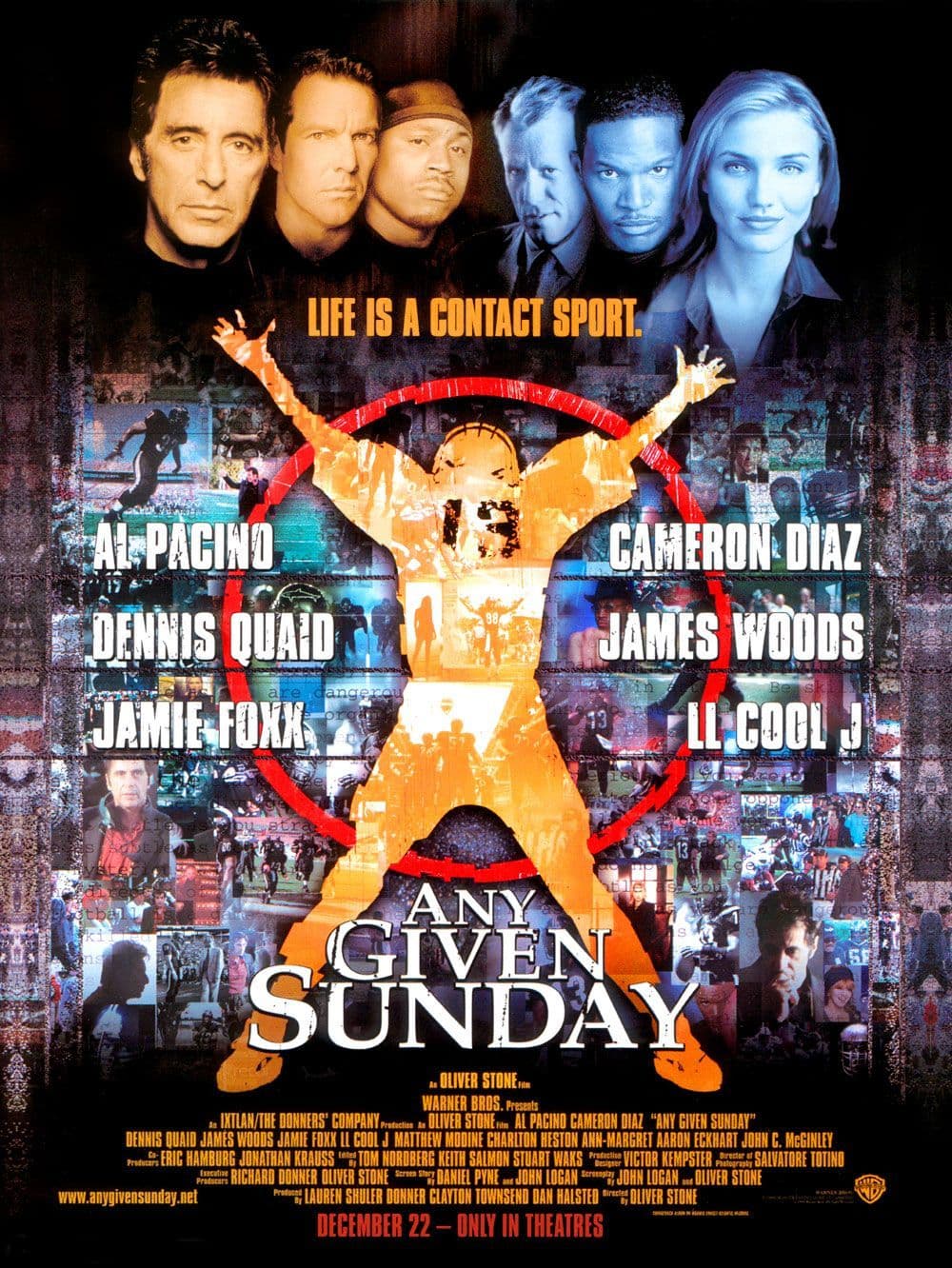
Any Given Sunday
Al Pacino's coach anchors the chaos of a film about football turned into product — loud, messy and oddly persuasive.