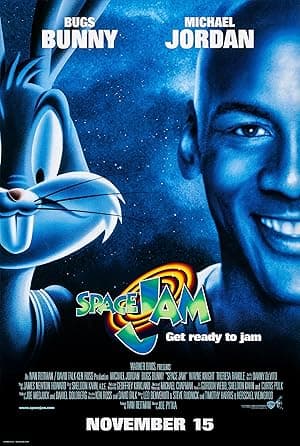
Space Jam
Michael Jordan, cartoon chaos and a very busy merch table.
// The setup
PLAYBACK STARTED
Space Jam is the one where Michael Jordan turns up to teach Bugs Bunny how to play one very important basketball game. It’s a family-sized mash-up of live-action and cartoon nonsense that pairs Jordan’s public persona with Warner Bros.’ Looney Tunes and, yes, a creature called the Monstars. Watch it for the gags, stick around for the merchandising — the film even introduced Lola Bunny and was built around a big cross-promotional push.
THE MOVIE
Michael Jordan is still the reason this movie works
There’s a peculiar magic to Space Jam: take the Looney Tunes — creatures born to live inside gag logic — and hand them a real-world superstar whose public life already felt like a cartoon. The film literally pairs Michael Jordan with the Toons to play a single, make-or-break basketball game that decides whether those characters remain free.
It’s deliberately daft. A batch of tiny aliens called the Nerdlucks pinch the talent of top NBA players and turn them into the hulking Monstars, so the Looney Tunes recruit Jordan — playing a version of himself, a retired-from-basketball celebrity — to tip the scales back. That premise is both silly and ingenious: it gives the movie somewhere urgent to sprint for while leaving room for cartoon set pieces.
Joe Pytka directed the whole hybrid, and the production leans into late-90s commercial logic: the movie doesn’t hide the fact that it’s also a vehicle for Warner Bros. characters, for Michael Jordan’s brand, and for plenty of merchandising. You can watch it as a thirty-something minute cartoon and a fifty-eight-minute advert at once — and still come away smiling.
THE SETUP
The idea that sets Space Jam in motion
At its simplest, Space Jam is built on a single gag stretched into a feature: the Looney Tunes are threatened, so they need a miracle in the form of a basketball game. That gives the script a clear narrative axis — one match, winner takes freedom — which keeps the silliness focused.
The mechanics are deliberately cartoonish. Gag-driven set pieces, extreme squash-and-stretch cartoon business and surreal visual jokes sit next to a live-action sports framework. The movie expects you to accept both languages at once and, crucially, to enjoy the noise that results.
The film begins by reminding us that Jordan had stepped away from basketball and tried baseball; that biographical beat is used as a reason he can be recruited back into the spotlight. So the story doesn’t have to reinvent drama — it borrows Jordan’s public life and plugs it straight into the Toon world.
That combination — cartoon logic plus a single-game sports plot — is what makes the setup work. It’s simple, theatrical and breezy, which is exactly what a family film of this type needs.
THE CHARACTER
Why Michael Jordan matters
The movie doesn’t ask Michael Jordan to disappear into a role; he is Michael Jordan. That’s the point. The film casts his public persona — the charisma and athletic ability everybody recognises — as the Looney Tunes’ best shot at victory.
Because he’s playing himself the stakes feel both ludic and oddly real: a real-world celebrity goes into a cartoon world to save cartoon characters. That juxtaposition keeps the tone light while giving the plot an anchor you can actually care about.
There’s also a commercial logic here. Jordan’s presence turns the Looney Tunes into a vehicle for brand revival in the 1990s: the film re-presents classic characters to a new audience while tying them to contemporary celebrity.
So Jordan matters less as a dramatic creation and more as a live-wire connector: he stitches together sport, celebrity and cartoon mischief in a way the movie could not have managed with an invented star.
THE PERFORMANCE
Why Michael Jordan's performance matters
Public reaction at the time singled out Jordan’s screen presence rather than any deep thespian turn. Critics such as Roger Ebert and Gene Siskel commented positively on how he inhabited the role of himself.
That’s helpful to the film because it relies on audience recognition. Jordan doesn’t need to carry a heavy emotional arc; he needs to be recognisable, likable and game for the odd bit of clowning. Contemporary reviews made that point plainly.
Treating Jordan as a familiar figure cuts through a lot of potential awkwardness: the movie is asking us to accept surreal cartoonism, so having a steady, known anchor keeps the whole thing from floating off into pure nonsense.
In short: the film depends on Jordan’s public persona more than any hidden dramatic range, and contemporary commentary leaned into that fact.
UNDER THE SURFACE
Space Jam has more on its mind than the plot suggests
On the surface it’s a silly game movie. Underneath, it’s quietly about how old cultural property gets handed a new life. The film is explicitly a device for re-presenting Warner Bros.’ catalogue to a 1990s audience — nostalgia packaged for a new market.
There’s also a tug-of-war between teamwork and celebrity. The narrative insists that the cartoons’ ridiculousness combined with Jordan’s real athletic skill — not Jordan alone — wins the day. It’s a gentle endorsement of collaboration dressed in slapstick.
Then there’s the commercial angle. The movie is self-aware about merchandising: it positions beloved characters as movable assets that can be repackaged for contemporary audiences, which is exactly what a late-90s studio wanted to do.
Finally, Space Jam is an experiment in decontextualisation: classic cartoon figures are pulled out of their original shorts and placed into a media mash-up. That displacement is part of the film’s mood — a cartoon world meeting big-league celebrity and corporate strategy.
PRACTICAL EFFECTS
The effects work that gives Space Jam its physical personality
Space Jam was a technical juggling act: live-action actors had to interact with characters that didn’t exist on set. To help with that, performers wore green suits and markers to indicate where invisible cartoons would later be composited.
The production also used facial and body scanning as a basis for some computer-generated elements — a practical step toward marrying live-action performance with digital distortion and augmentation.
Cinesite handled part of the digital compositing, using the Cineon system to integrate digitised hand-drawn animation and CGI with live footage. That workflow is a very 1990s answer to making cartoons and actors look like they share space.
So the film’s physical personality comes from a mixture of on-set practical planning and emerging digital techniques rather than a single trick.
PURE 80S
Space Jam could not belong to any other decade
Space Jam sits squarely in the mid-1990s moment when studios were experimenting with digital compositing alongside traditional animation. The production’s mixture of hand-drawn work, CGI and new digital pipelines is a product of that specific moment.
That technical moment goes hand-in-hand with corporate thinking: the film is part of a wave where legacy characters were being repackaged for new media and merchandising opportunities, and the mid-90s offered the tools to make that repackaging look glossy.
So more than any period fashion or soundtrack, what ties Space Jam to the 1990s is this intersection of emerging digital technique and studio-brand strategy.
Viewed that way, the movie is a snapshot of how animation and corporate marketing were being remixed as the century turned.
WATCHING IT NOW
What has aged — and what hasn't
As a family film running a brisk 88 minutes, Space Jam still has a tightness most modern family features could learn from: it moves quickly and rarely lingers where it needn’t. That brevity helps its rewatchability.
The basic gag — cartoons plus a celebrity sports figure in a single-game contest — retains a certain charm. The idea of combining Jordan’s real-world star power with cartoon absurdity still lands the odd laugh.
What looks more dated is the film’s openness about decontextualising classic characters for commercial ends. The way Looney Tunes are re-presented and tied to merchandising (the movie even introduced Lola Bunny) now reads as obvious brand strategy rather than playful surprise.
Finally, the hybrid format itself — live actors with cartoon figures — is still interesting to watch because it was part of a particular technological moment. The novelty isn’t gone, even if the cultural package around it feels of its time.
THE LEGACY
Why Space Jam still matters
Space Jam left a few tangible marks. It introduced Lola Bunny, a character created for the film, and it generated a substantial merchandising footprint that kept the property alive across home-video reissues and re-releases.
More broadly, the movie demonstrated a workable studio formula: pair legacy animated properties with contemporary celebrities, use hybrid production techniques and sell the whole thing across multiple platforms. That blueprint returned in later studio efforts.
Because of that, Space Jam is remembered as much for being a corporate experiment as for being a family comedy — a showpiece that proved the concept could be profitable and repeatable.
Put simply: the film mattered not only as a Saturday-night spectacle but as a model for how studios would revive and repurpose their back catalogue.
THE VERDICT
Does Space Jam still hold up?
Yes — if you come to it expecting a brisk, brand-conscious family movie rather than high drama. The film’s central premise — Michael Jordan teaming with the Looney Tunes to beat the Monstars in a single decisive game — still provides enough momentum and silliness to carry the short, 88-minute runtime.
Jordan is the film’s linchpin: he plays himself, and his presence keeps the story grounded even while cartoons stretch reality in ways only Looney Tunes can. Contemporary reviewers noted the same thing — the filmmakers deliberately used his public persona as the anchor.
That said, the movie is also unabashedly commercial. Its repackaging of classic characters, the introduction of Lola Bunny and the merchandising machine that followed are part of the experience. If that kind of brand revival annoys you, Space Jam will feel like a long advert. If you don’t mind the corporate seam showing, it’s entertaining and oddly earnest.
So should you watch it? For a nostalgia trip, a family viewing or a curiosity about 1990s studio strategies — yes. Space Jam is a bright, slightly weird crossover that still plays as a crowd-pleaser; it’s less subtle than it thinks it is, and exactly as fun as that lack of subtlety promises.
Share this movie
// Keep watching
More movies from the 90s
If Space Jam is your kind of movie, there's plenty more on the shelves worth rewinding.
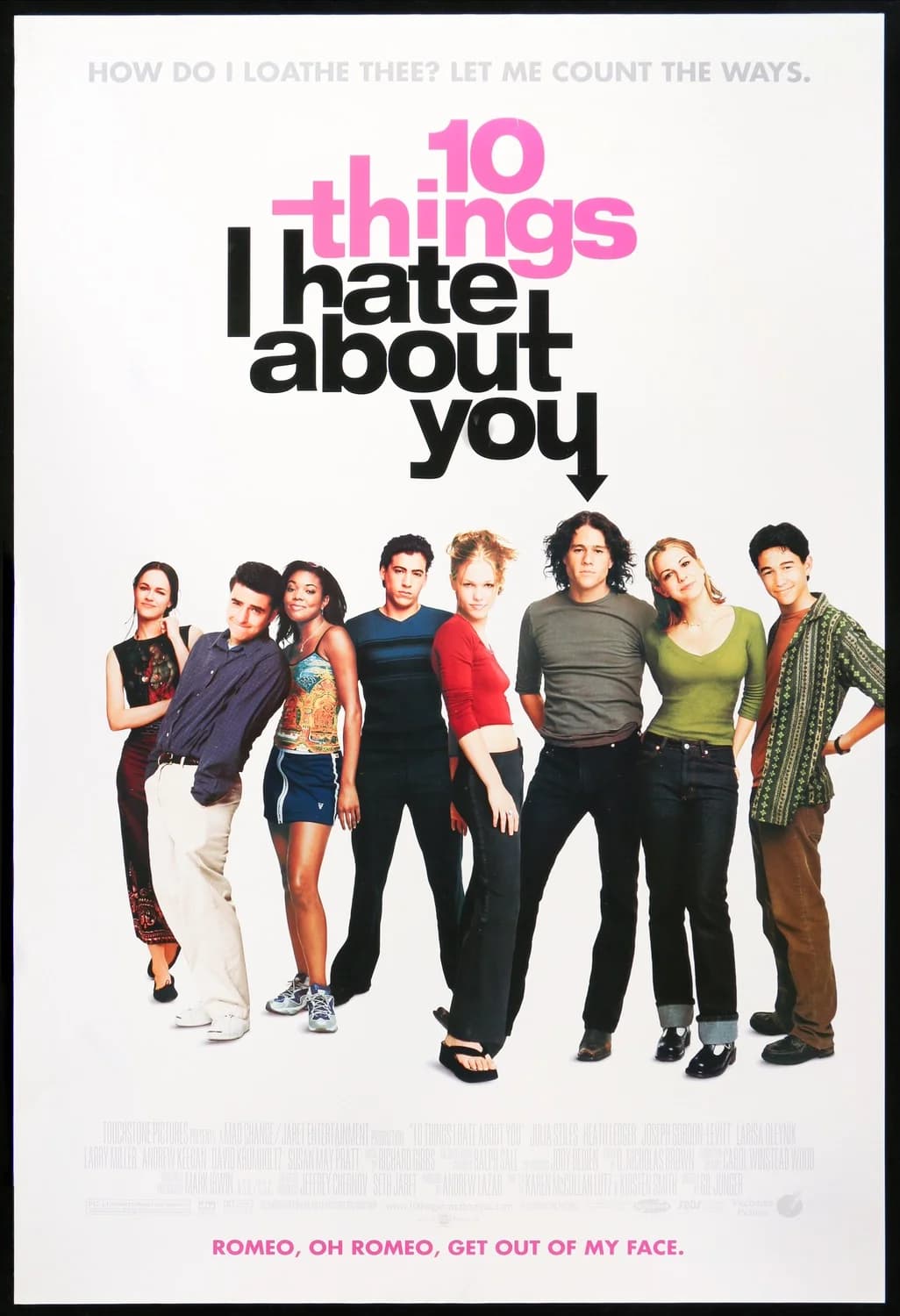
1999 // VHS
10 Things I Hate About You
Sibling rules, a rooftop serenade and one very stubborn Kat — Shakespeare in a school corridor.
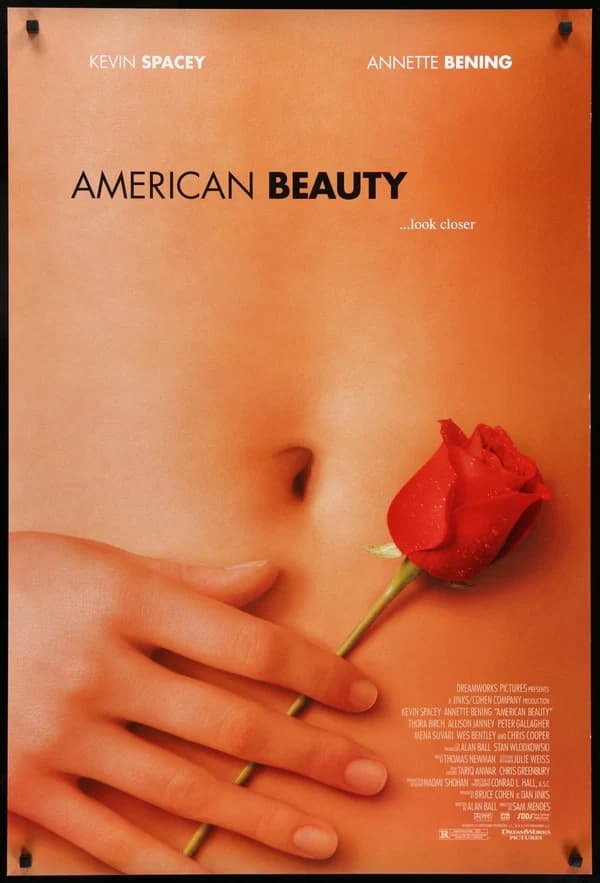
1999 // VHS
American Beauty
Lester Burnham, suburban rot and a midlife argument that still stings.
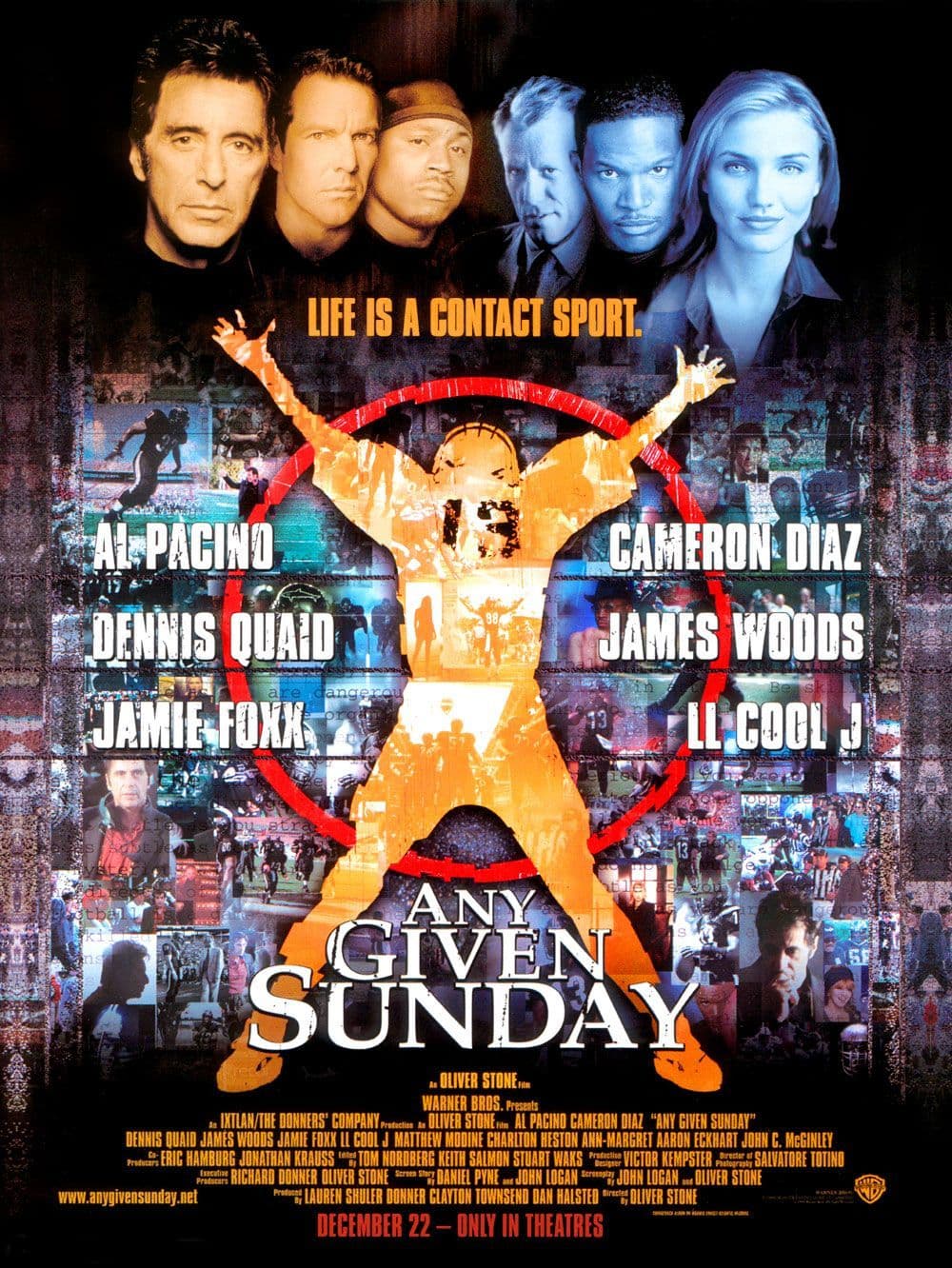
1999 // VHS
Any Given Sunday
Al Pacino's coach anchors the chaos of a film about football turned into product — loud, messy and oddly persuasive.