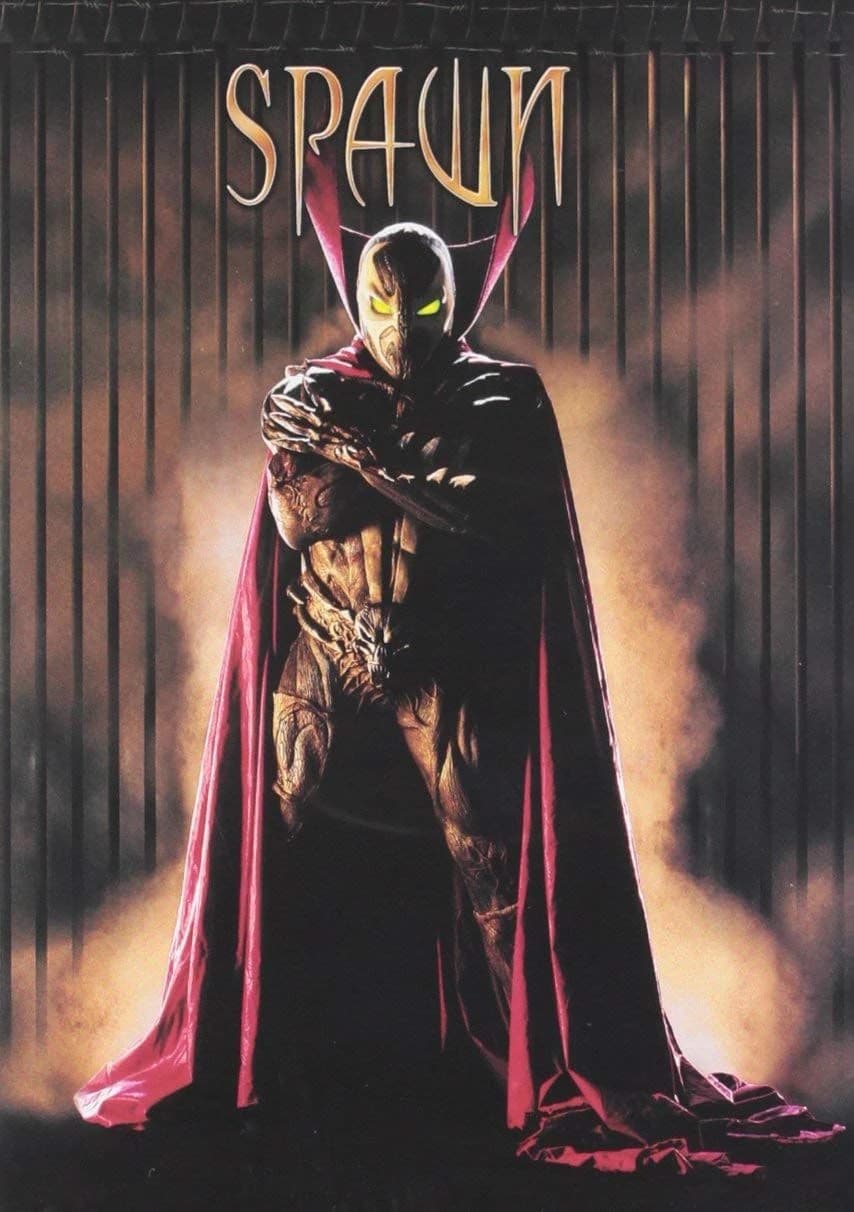
Spawn
A hellbound soldier, a bargain with the devil and a very complicated return to the living.
// The setup
PLAYBACK STARTED
Al Simmons doesn’t come back as the man he used to be — he comes back with a deal, a mission and a cape-sized identity crisis. Mark A.Z. Dippé’s Spawn (1997) is the sort of comic-book adaptation that prefers mood and moral muddle to tidy answers, and it still rewards a revisit if you want superhero spectacle that carries real, grubby stakes beneath the rubber and pixels.
THE MOVIE
Al Simmons / Spawn is still the reason this movie works
The movie that opens with Al Simmons striking a deal with Hell is, for all its monsters and CGI flourishes, stubbornly about one thing: a man who wants his life back. Simmons is offered a second chance so he can see Wanda again, and that promise is the engine of the whole film.
What makes Spawn interesting to come back to is how personal that engine is. When Simmons returns he finds Wanda remarried to his old friend Terry and assumes he’s been betrayed by his employer, Jason Wynn — a setup that makes every confrontation feel intimate rather than merely cinematic.
All of this sits inside a bathroom-mirror kind of genre cocktail: Faustian bargain meets revenge-versus-redemption, served up in a 96-minute, late-’90s superhero package directed by Mark A.Z. Dippé and fronted by Michael Jai White, with John Leguizamo as the puckish Violator and Martin Sheen as the corrupt power at the centre of the conspiracy.
THE SETUP
The idea that sets Spawn in motion
At base, the story is straightforward: a dead soldier is given life again with strings attached. The film makes those strings literal — Hell, through Malebolgia and his agent the Violator, has an agenda and it’s not gentle. Their aim is to steer Spawn toward killing so Hell’s army grows.
That external pressure is neatly balanced by internal stakes. Simmons isn’t some blank avenger; he returns driven by love for Wanda but also by confusion and anger over his murder, and that pull between personal longing and demonic pressure is what fuels most of the action.
The film also gives the stakes concrete teeth with a practical plot mechanic: Jason Wynn carries an implanted fail-safe in his chest. Kill Wynn and catastrophe follows, which forces characters to make hard choices and raises the cost of vengeance.
Stylistically and narratively the screenplay sits on comic-book source material, with Alan McElroy credited for the screenplay and Mark A.Z. Dippé contributing story elements that explicitly tie the film to Todd McFarlane’s original Spawn comics.
THE CHARACTER
Why Al Simmons / Spawn matters
Al Simmons is the film’s stubborn centre: not merely a monster to gawk at but a man who remembers a life and keeps being told he no longer belongs to it. That tension — memory versus form — is what makes the character grip the story.
The personal triangle is tidy and bitter: Terry Fitzgerald was Simmons’ best friend in life and is now married to Wanda. That proximity makes every choice feel like a betrayal or a test, and it’s why the revenge-versus-redemption question lands with real emotional friction.
Casting-wise the movie’s spine is Michael Jai White as Al Simmons, surrounded by performers who populate the world he’s trying to reclaim. The film is careful to keep the focus on Simmons’ fractured sense of self rather than on broad spectacle alone.
Because the film is explicitly based on Todd McFarlane’s comics, that struggle — soldier turned Hellspawn trying to hold on to a human history — is the adaptation’s central faithfulness: the origin story remains personal, grim and, at times, unexpectedly tender.
THE PERFORMANCE
Why Michael Jai White's performance matters
When contemporary reviewers singled out individual contributions, Michael Jai White’s presence as Spawn was one of them. That’s not the same as saying the whole film is carried by performance, but it does underline that the movie needed a believable centre and had one.
Spawn’s problems are rarely solved by a single actor, yet the film relies on its lead to make moral ambiguity feel lived-in rather than schematic. The fact that critics noticed White alongside John Leguizamo’s comic take on the Violator says something about how the film’s emotional and tonal range is divided.
Mentioning Roger Ebert’s view — that both Leguizamo’s timing and White’s presence contributed to the film’s impact — is useful because it points to how performance helped the movie cut through sometimes cluttered effects work.
Put simply: Spawn asks you to care about a man who’s been turned into a weapon. Casting someone who can register that private loss matters, and contemporary reactions suggest the choice did some of the heavy lifting.
UNDER THE SURFACE
Spawn has more on its mind than the plot suggests
You can enjoy Spawn as a catalogue of monsters and action beats, but beneath that it’s surprisingly earnest about a classic bargain story: the Faustian deal is literal here — a return from death with strings attached — and the moral cost of that bargain is the movie’s recurring worry.
From there it becomes a tug-of-war between revenge and redemption. Simmons is constantly pulled toward violence by external forces, and the film keeps asking whether violent retribution is a path back to a life or simply a deeper fall into what damned him in the first place.
Loss of identity is another constant. The man who remembers being Al Simmons must live inside a body and purpose that aren’t his anymore. That dissonance — memory versus monstrous role — gives many of the quieter beats their weight.
And finally, the film dresses those personal dramas in a coat of institutional rot: the conspiracy around Jason Wynn frames corruption as both cause and consequence, making Spawn’s struggle feel like a small human fight inside a larger, cynical system.
PRACTICAL EFFECTS
The effects work that gives Spawn its physical personality
Spawn’s look comes from a deliberate mix of hands-on work and digital wizardry. The production built full-size and scale practical reference models of the Violator, which were then laser-scanned and used as the basis for digital modelling and animation.
That hybrid approach continued in close-up creature moments: practical prosthetics and animatronic or physical models were used alongside CGI passes so the film could switch from tactile horror to digital spectacle without losing continuity.
Industrial Light & Magic supplied a substantial portion of the computer-generated shots and supervised digital look development, which meant the physical reference pieces weren’t just props but the skeleton for the film’s digital creatures and robes.
The result is a physical personality that often feels like neither purely rubber nor purely pixels — the movie leans on practical craft where it can and leans on digital help where it must, and that blend is central to how Spawn reads on screen.
PURE 80S
Spawn could not belong to any other decade
Spawn sits squarely inside a 1990s pattern: big, effects-heavy comic adaptations that used a mixture of practical and digital techniques and that often split critics between admiration for the craft and frustration with the storytelling.
That era’s appetite for darker, moodier superhero cinema — not everyone wanted pop, some wanted grime — is baked into Spawn’s choices. It feels like part of a conversation films of the mid-to-late ’90s were having about how to translate comics’ nastier corners to screen.
There’s also the industry moment to consider: 1997 was a time when studios were willing to bankroll ambitious, effects-driven adaptations and to gamble on a mood rather than on franchise-safe cheerfulness.
Seen this way, Spawn is a clear product of its moment: a film born from an appetite for spectacle and for pushing comic-book shadows into the multiplex.
WATCHING IT NOW
What has aged — and what hasn't
Watching Spawn today is an odd, pleasant kind of dissonance: elements that were selling points in 1997 — the hybrid practical/digital approach, the adult-coloured comic energy — still make it feel unlike a lot of contemporary studio superhero fare.
There are also structural choices that haven’t softened with time. The movie was released at PG-13 but later received an R-rated director’s cut for home video, which tells you something about its tonal split between aiming for a wider audience and wanting to honour the darker edges of the source material.
Small, franchise-adjacent flourishes have also become part of its charm: Todd McFarlane appears in a cameo as a homeless man, a wink that reads now as part creator-enthusiasm rather than studio ego.
So Spawn still has texture and attitude, but those aspects don’t magically fix every rough edge: the film’s blend of tones and the choices that made it feel daring in 1997 still divide viewers today.
THE LEGACY
Why Spawn still matters
Financially and culturally Spawn didn’t vanish. It opened in August 1997 and grossed roughly $87.8 million worldwide against a reported production budget in the $40–45 million range, which kept it visible enough for fans and studios to keep talking about the property.
The film’s soundtrack — Spawn: The Album — was a deliberate piece of cross-promotion and included the single by Filter and The Crystal Method that got radio and video attention, helping the movie tap into late-’90s alternative energy.
At the same time, the franchise found another life on television: an adult-oriented animated adaptation premiered on HBO in 1997 and became a separate, frequently-cited branch of the property’s media afterlife.
Perhaps most telling is that the movie’s mixed critical reception and its clear visual ambition contributed to a cult following; it’s the sort of film that people return to because they remember the ambition even if they don’t agree on the execution.
THE VERDICT
Does Spawn still hold up?
Yes — but with an important caveat. If you come for the mood and the personal mess at the film’s heart, Spawn still has pull: a betrayed soldier who makes a deal to see his wife again, only to return into a world where loyalties have shifted, is a compact, affecting conceit that hasn’t lost its teeth.
The movie’s visuals and action remain central to how it tells that story: a mixture of physical set pieces and effects-heavy sequences dramatise the origin and moral stakes, and the practical plot device of an implanted fail-safe in Wynn’s chest genuinely raises the cost of violent choices.
Where viewers will split is on tone and ambition. The Violator exists as a tempter, pushing Spawn toward violence and Armageddon, while Wanda functions as the human anchor who complicates his obligations. Those opposing pulls are exactly the argument the film wants you to enter into, even if it doesn’t resolve the question neatly.
So watch it for the character at the centre — Al Simmons/Spawn — and for a late‑’90s comic-film that still tries to ask awkward questions about revenge, identity and corruption. It won’t be everyone’s perfect superhero movie, but it’s honest about the mess it made with a deal and insists you sit with the consequences.
Share this movie
// Keep watching
More movies from the 90s
If Spawn is your kind of movie, there's plenty more on the shelves worth rewinding.
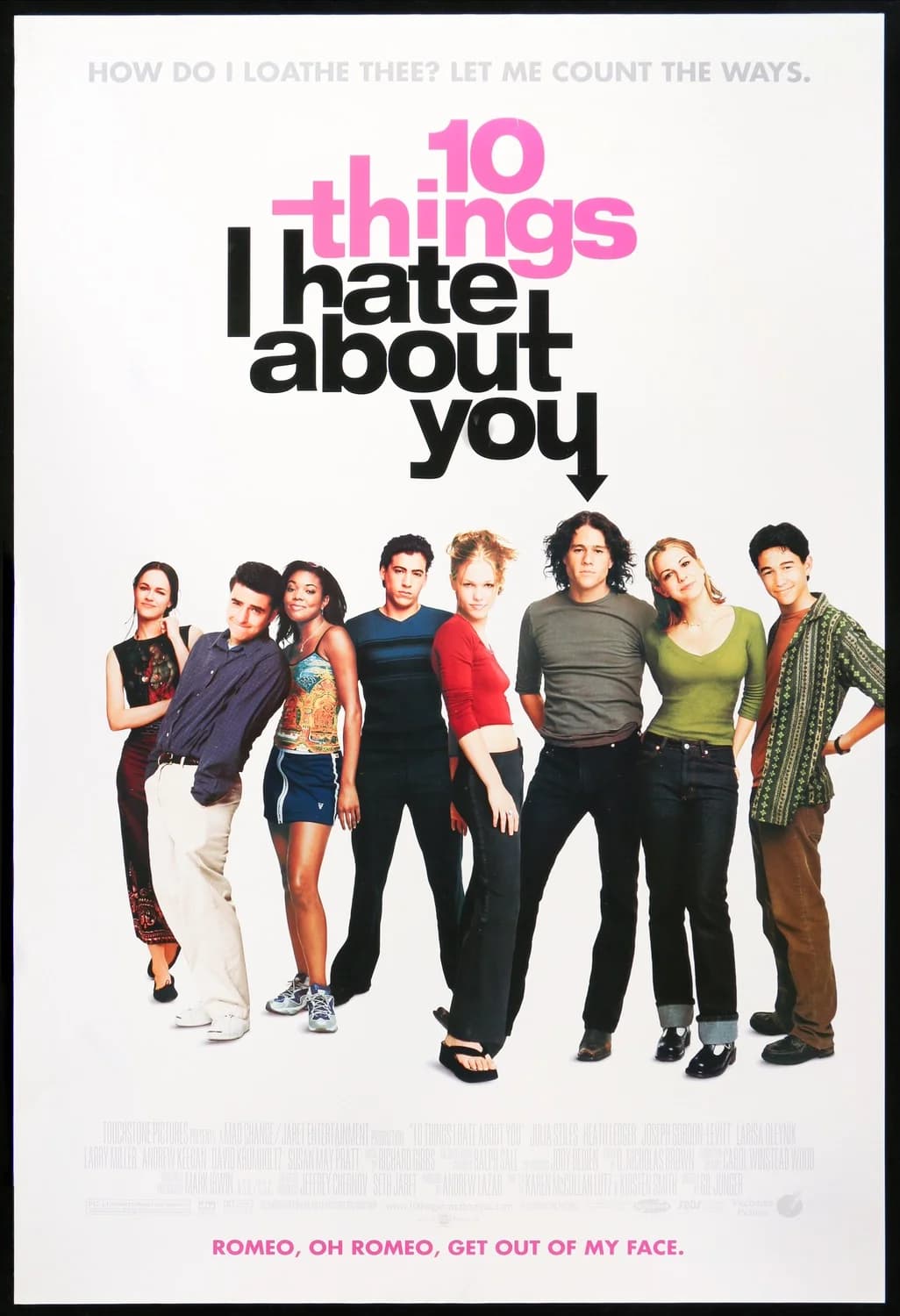
1999 // VHS
10 Things I Hate About You
Sibling rules, a rooftop serenade and one very stubborn Kat — Shakespeare in a school corridor.
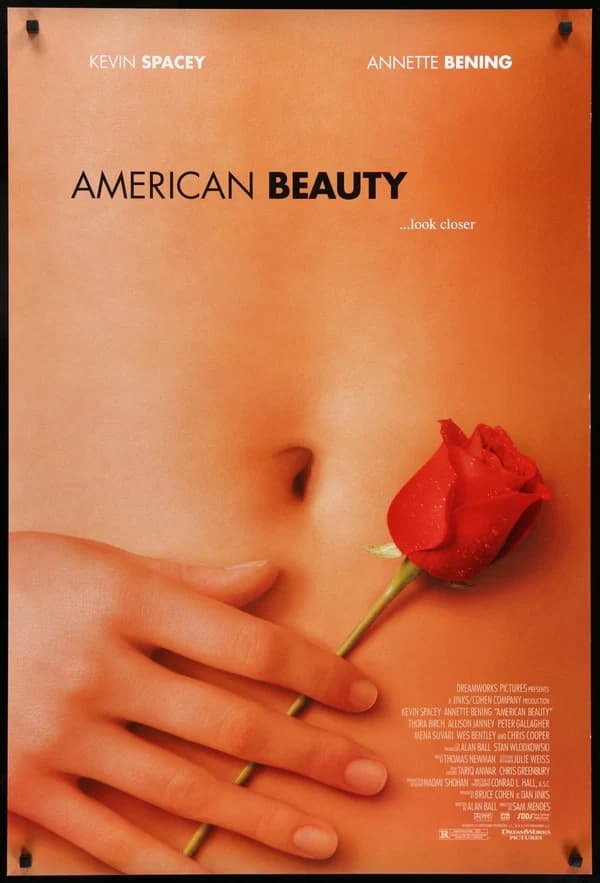
1999 // VHS
American Beauty
Lester Burnham, suburban rot and a midlife argument that still stings.
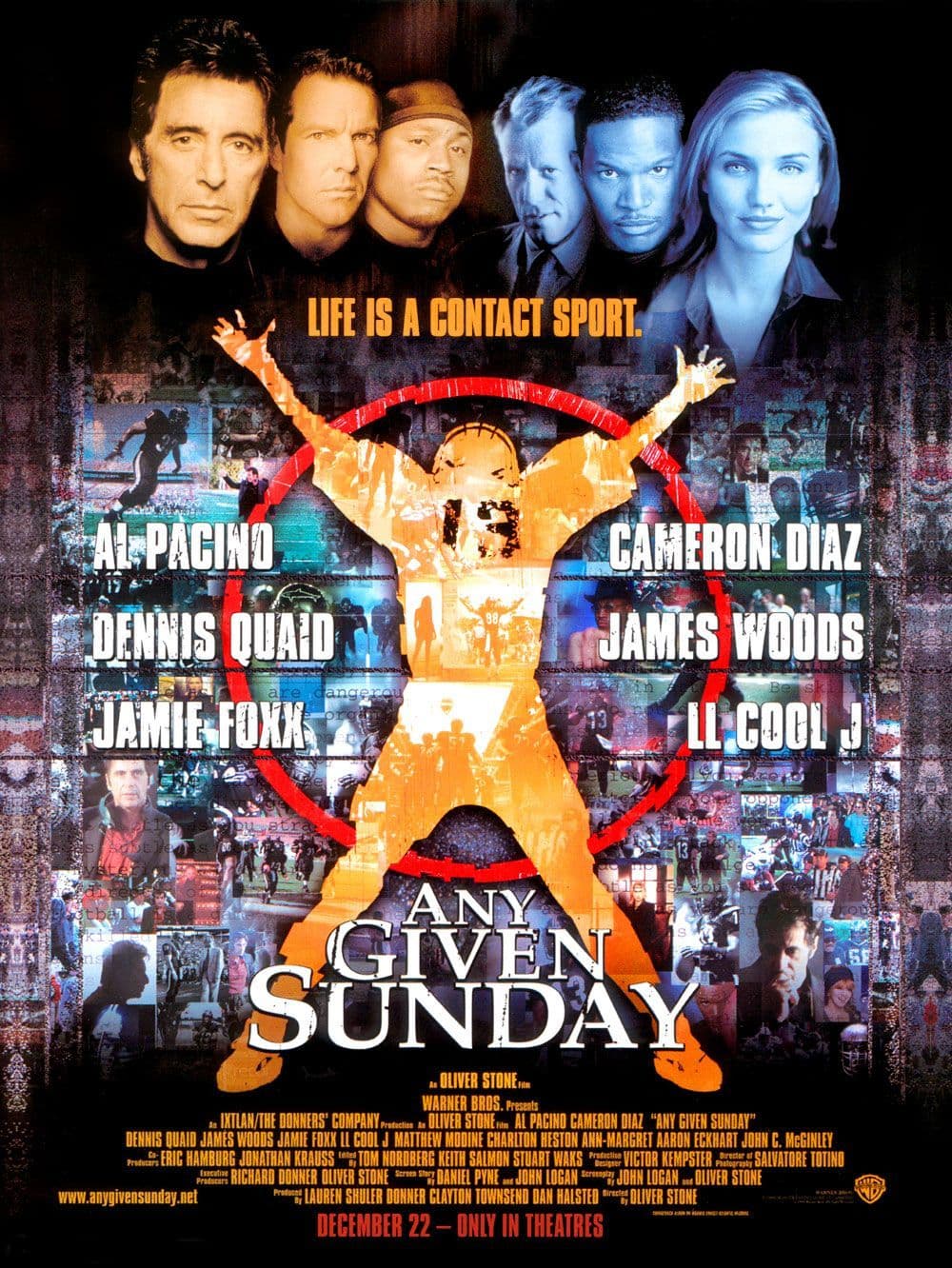
1999 // VHS
Any Given Sunday
Al Pacino's coach anchors the chaos of a film about football turned into product — loud, messy and oddly persuasive.