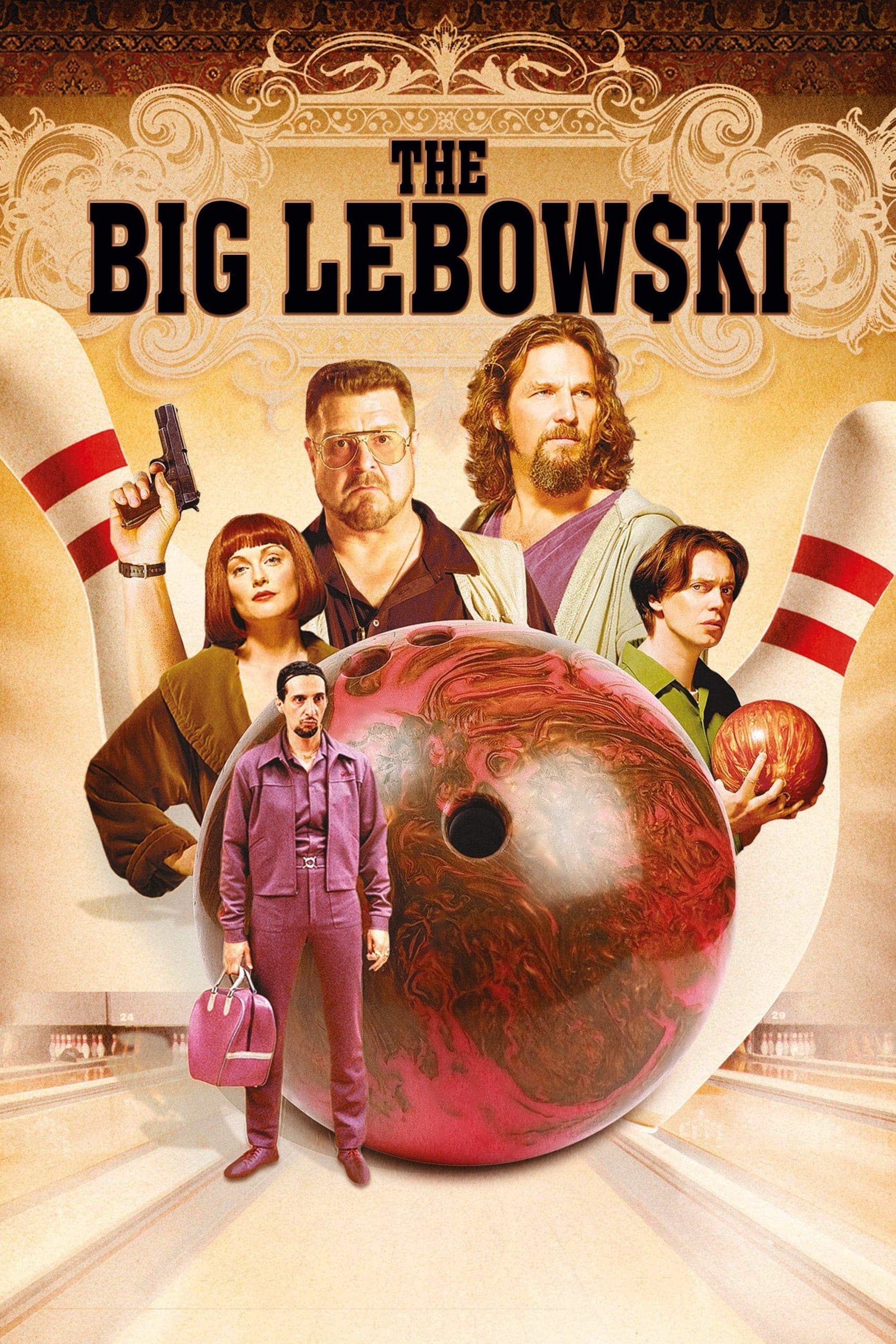
The Big Lebowski
A missing rug, a reluctant detective and a man who would rather drink a White Russian than argue about anything.
// The setup
PLAYBACK STARTED
The Big Lebowski refuses to behave like a detective movie, a buddy comedy or a character study — and that’s precisely its punt. Joel Coen handed the screen to Jeffrey 'The Dude' Lebowski, a man whose tidy ambitions are limited to comfort, bowling and keeping his rug, and then watched the world politely fall apart around him.
THE MOVIE
Jeffrey 'The Dude' Lebowski is still the reason this movie works
People still talk about The Big Lebowski because it centres on a very specific sort of stubbornly ordinary man. Jeffrey 'The Dude' Lebowski is a laid-back Los Angeles bowler whose life is turned upside down when he’s mistaken for a wealthy namesake and dragged, almost against his will, into a ransom-and-kidnapping mess.
That nonsense begins with something wonderfully small: a bungled home invasion and a ruined rug. The rug is never just a gag; it becomes the film’s recurring motivation — a domestic order smashed by outsized chaos — and a neat joke about what the Dude actually values.
Joel Coen directs a film that likes to shuffle genre cards: it’s a comedy that borrows from crime and neo-noir, and it’s happiest when the plot unravels into episodic detours. Jeff Bridges plays the central line through the clutter, and John Goodman, Steve Buscemi and a gaggle of eccentrics provide the push and shove.
THE SETUP
The idea that sets The Big Lebowski in motion
At its simplest, the film sells one clear conceit: a gentle, unambitious bowler gets mistaken for a rich man who shares his name, and that slip drags him into a supposed kidnapping-and-ransom affair. It’s a tidy engine for comedy because the central mistake is both believable and silly.
The inciting image — two thugs invading The Dude’s flat, realising their error and leaving his rug sodden — does a lot of work. It’s a small, absurd humiliation that becomes an emotional peg; the ruined rug is where the plot keeps returning, practically and thematically.
From there the story refuses to be a straight detective case. It moves in episodes: set pieces, oddball detours and meetings with people who complicate the facts — porn-industry characters, nihilists and an avant-garde artist among them. That episodic rhythm is part of the film’s charm and also the reason some viewers feel it never quite ties every loose end.
The script leans on repeated misunderstandings and staged or unreliable crimes, so the audience is constantly guessing whether anything is as it appears. That uncertainty lets Joel Coen both parody noir conventions and make room for broad, often very funny, comic situations.
THE CHARACTER
Why Jeffrey 'The Dude' Lebowski matters
The Dude matters because he’s specific where many anti‑heroes are sketchy. He isn’t trying to be cool or scary; his desires are domestic and modest — comfort, a bowling league, and a peaceful life. That makes his slide into an increasingly ridiculous caper both funny and strangely sympathetic.
As a character he frames the film’s view of male friendship and masculinity. He isn’t conventionally macho, and the movie keeps returning to the contrast between his easygoing approach and the more volatile, often performative masculinity around him.
That contrast gives other characters something to react to. When Walter roars or when other figures try to impose order, The Dude’s passivity and pragmatism recalibrate the scene — he becomes the benchmark for how not to overreact.
And because Jeff Bridges plays him, the character is anchored in a recognisably lived-in centre. The Dude may be a slacker on paper, but the film treats his slacker-ness as a genuine way of moving through the world rather than a lazy character shorthand.
THE PERFORMANCE
Why Jeff Bridges's performance matters
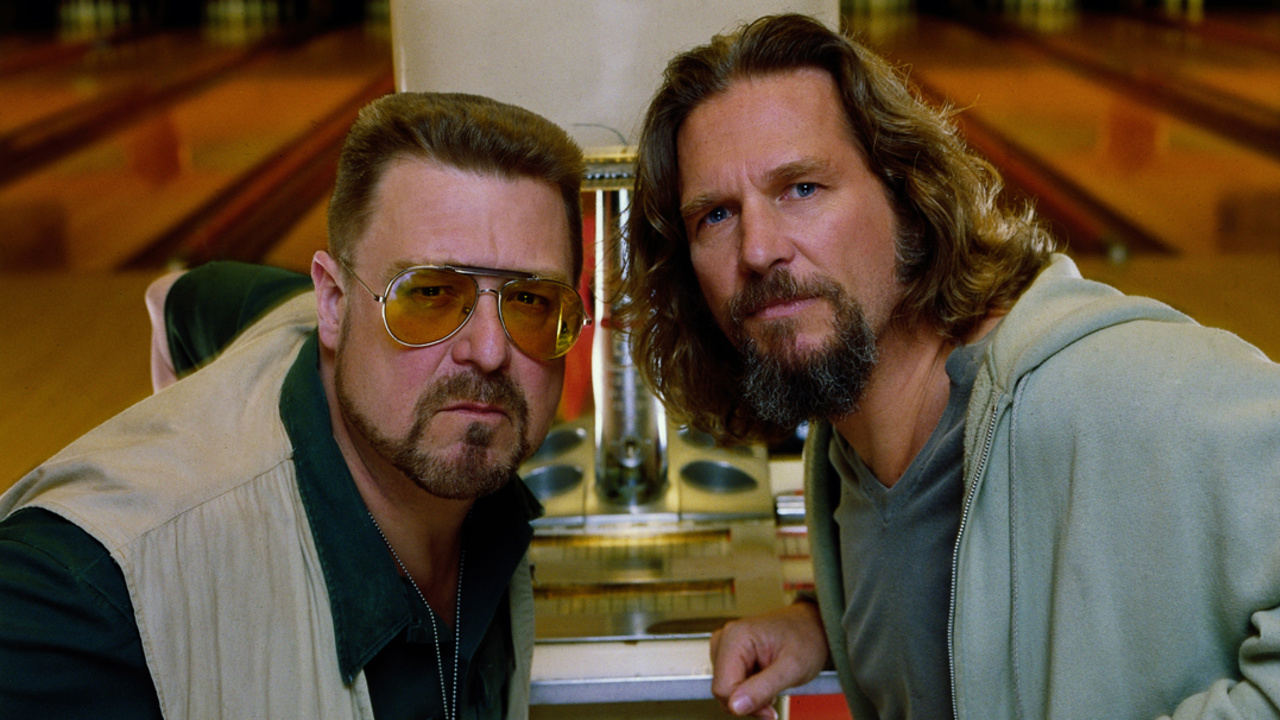
Contemporary critics immediately noticed that Bridges’ portrayal of The Dude set the film’s tone. Reviews singled out his work as central to why the movie felt lived-in rather than merely whimsical.
What that means, practically, is straightforward: his performance gave the film a behavioural baseline. The Dude’s choices — to avoid escalation, to favour comfort over confrontation — are what make the comedy land against the escalating craziness surrounding him.
Because the film’s pleasures come from mismatched personalities, having a believable, consistent centre matters more than flashy individual moments. Bridges’ interpretation allowed the rest of the cast to ricochet off him without the movie losing its shape.
In short: when the plot becomes daft, you still care because there’s someone calmly reacting to the daftness — and that steadiness is what critics at the time flagged as vital.
UNDER THE SURFACE
The Big Lebowski has more on its mind than the plot suggests
Under the jokes and the bowling alley banter sit a few steady concerns. One is mistaken identity — not just as plot trickery, but as a comment on how easily people’s lives can be rerouted by small confusions.
Another is the slacker anti‑hero: the film treats an abiding, low-effort stance toward modern life as a coherent position. The Dude’s refusal to hustle is a kind of ethics, and the movie invites us to see how that ethic fares when it meets louder, more urgent personalities.
Joel Coen also uses the structure of a noir pastiche to undercut expectations. The film borrows detective beats and then loosens them into something meandering and comic; the result is genre play that delights in collapsing its own mysteries.
Finally, there’s a consistent tug between absurdity and consequence. Outlandish events happen, but the film keeps nudging the viewer to care about small domestic losses — a ruined rug, a friendship frayed — rather than grand revelations.
THE FILMMAKING
How The Big Lebowski was put together
The film’s feel comes as much from what’s organised off-screen as what happens in front of the camera. Editing credits go to Roderick Jaynes and Tricia Cooke, and that cutting keeps the pace buoyant; scenes can breathe without sagging.
Production design and costumes — led by Rick Heinrichs and Mary Zophres — help the film sit somewhere between everyday LA and stylised set pieces. That mix lets the Coens move from the mundane (a bowling alley) into sequences that feel slightly heightened without losing touch with the characters.
Joel Coen provides the guiding hand, but the movie’s savour comes from the team choices: a tidy edit rhythm, intentional production design and clothes that feel chosen to underline personality rather than trend.
Taken together, those elements let the film shift effortlessly between cosy comedy and the odd surreal moment; the technical choices never shout, they simply let the tone emerge.
PRACTICAL EFFECTS
The effects work that gives The Big Lebowski its physical personality
The film credits a range of effects professionals, which matters because some sequences require a physical approach rather than a camera trick. Visual effects were supervised by Janek Sirrs and involved facilities such as the Computer Film Company.
Mechanical effects work was overseen by Peter Chesney, while opticals and the title work involved specialists including John Alagna and Cineric Inc. Those names on the credits show the Coens relied on real-world technicians to shape occasional surreal beats.
Stunts and coordinated physical work are also credited to professionals, which keeps the more physical set pieces feeling safe and grounded even when the story flirts with absurdity.
Credit lists like this read like a small army behind the scenes — practical and optical hands that let the film blend the comic and the slightly uncanny without losing its human centre.
PURE 80S
The Big Lebowski could not belong to any other decade
The Big Lebowski sits squarely in the late‑1990s film world where indie sensibilities met commercial reach. Working Title produced it for a marketplace that Gramercy Pictures and PolyGram-era distributors navigated — a time when crossover projects were common.
Critically the film arrived with mixed-to-positive reactions. Some reviewers loved the texture and performances; others found the episodic shape less satisfying, and that split is typical of Coen films of the period, which often resisted tidy categorisation.
That same period flavour helps explain why the film could be both comfortably niche and broadly discussed: it’s a product of an era where directors were given room to play with genre and tone without forcing every loose end into place.
So while the jokes and the wardrobe feel very of their moment, it’s the production context — the late‑90s crossover indie climate — that really roots the film in its decade.
WATCHING IT NOW
What has aged — and what hasn't
One thing that remains watchable is the film’s attention to the messy business of male friendship and masculinity. The interactions between the Dude, Walter and Donny still read as believable differences in temperament; they aren’t caricatures, they’re relationships that can grate and glue in equal measure.
Some elements have been reframed by later use: a minor character was substantial enough that John Turturro revived him in a 2019 project. That afterlife suggests certain details in the film dug deeper than originally expected.
At the same time, the episodic structure that divided early reviewers still divides viewers today. If you want a tightly resolved detective yarn, this isn’t it. If you’re happy with meandering, character-driven detours, it still plays.
Overall, the film’s focus on personality over plot keeps it watchable now: it rewards people who enjoy being with characters rather than being shown single, neat answers.
THE LEGACY
Why The Big Lebowski still matters
After its run the film developed an active fan culture — events commonly called 'Lebowski Fest' and a large web presence celebrating quotes, rituals and small ceremonies drawn from the movie.
That fan life matters because it shows how the film’s lines and moods wormed their way into people’s social rituals. People didn’t just like it; they turned parts of it into shared performance.
A later, loosely connected feature revived one of the film’s side characters, which points to a continuing curiosity about the movie’s peripheral figures rather than a demand for a Coen sequel.
And critical reassessment has followed: some prominent critics reassigned its value in later years, a sign that the film’s texture and cast decisions were worth a second look.
THE VERDICT
Does The Big Lebowski still hold up?
Yes — but with a caveat. If you sit down expecting a neat detective resolution, you will probably leave frustrated. The film’s through-line is the Dude’s unwitting involvement in a ransom caper and the ruined rug that keeps pulling him forward; the plot functions as a string of comic misadventures rather than a closed mystery.
Where it wins is in personality work. Jeff Bridges anchors the film as The Dude, and contemporary reviewers noted that his portrayal set the tone; that steady centre allows the rest of the cast — including Walter as the volatile foil — to escalate without the picture tipping into chaos.
The Coens deliberately favour episodic set pieces, mistaken identities and unreliable crimes, so the movie asks you to enjoy company and comedy more than puzzle-solving. If that sounds appealing, the film’s 117 minutes are generous company.
So should you watch it today? If you like character-led comedy that borrows the trappings of noir for comic misrule, absolutely. The Big Lebowski still works as a portrait of a man who’d rather abide than be right — and as a reminder that sometimes a ruined rug is all you need to start a very strange story.
Share this movie
// Keep watching
More movies from the 90s
If The Big Lebowski is your kind of movie, there's plenty more on the shelves worth rewinding.
1998 // VHS
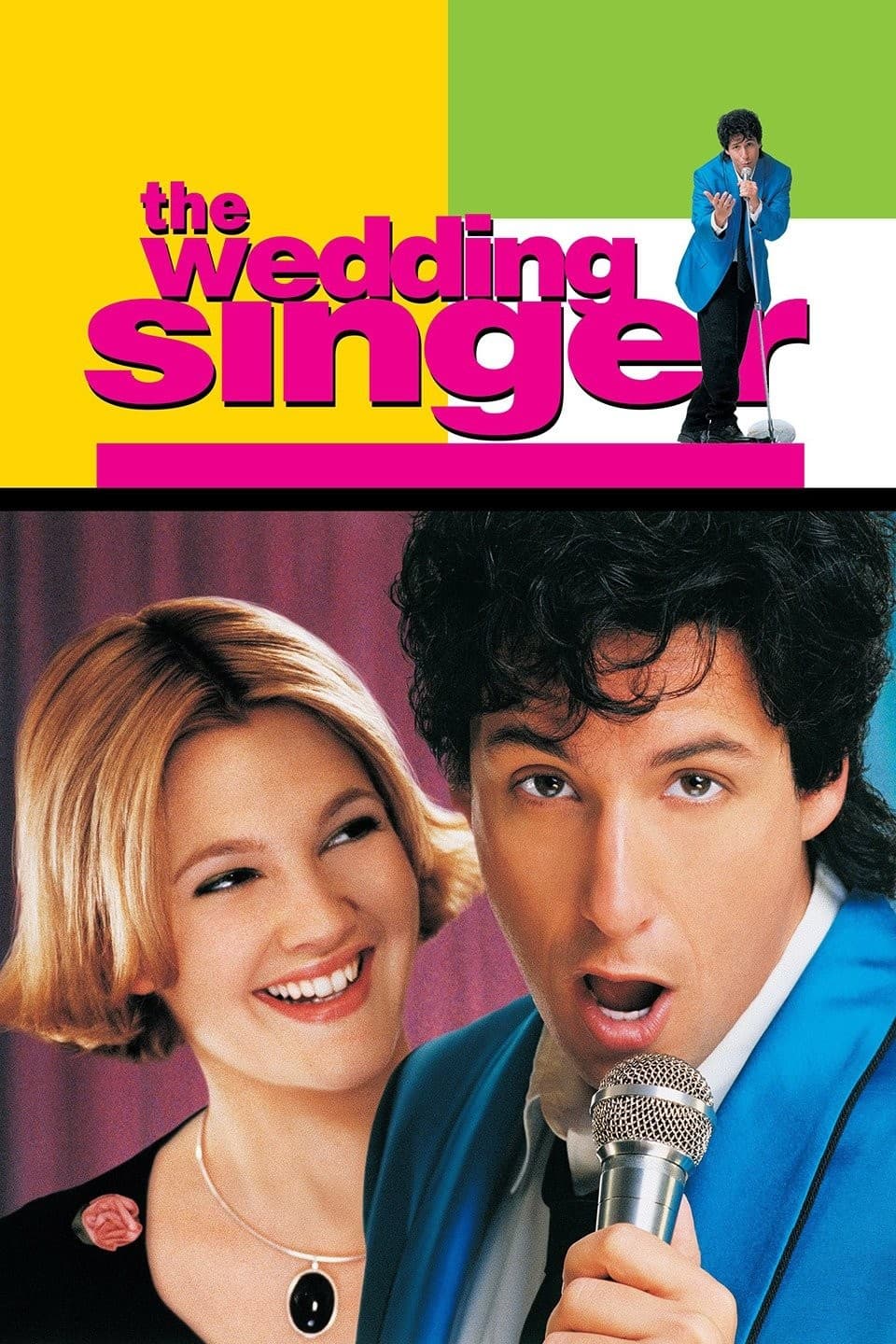
The Wedding Singer
A love story wrapped in 1980s pop — and carried by one very earnest wedding crooner.
1998 // VHS
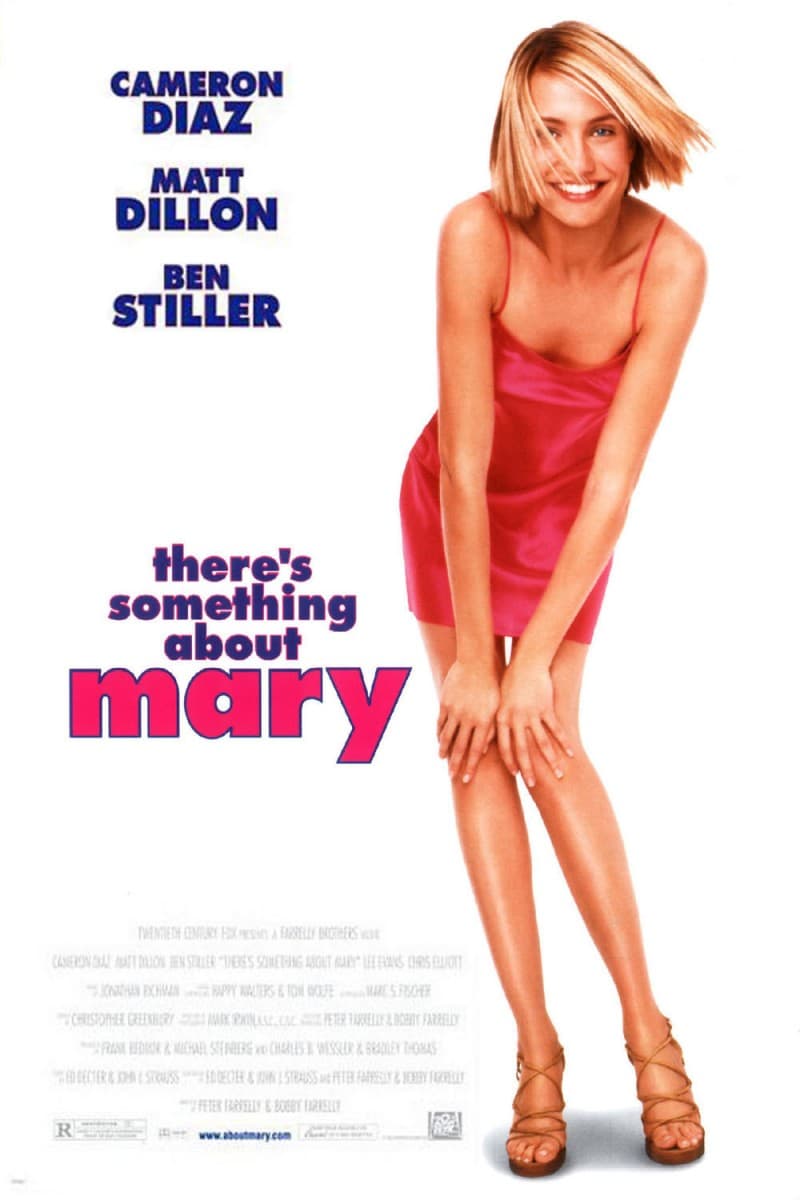
There's Something About Mary
Romantic obsession, awkward masculinity and a hair‑gel gag you can't unsee.
1999 // VHS
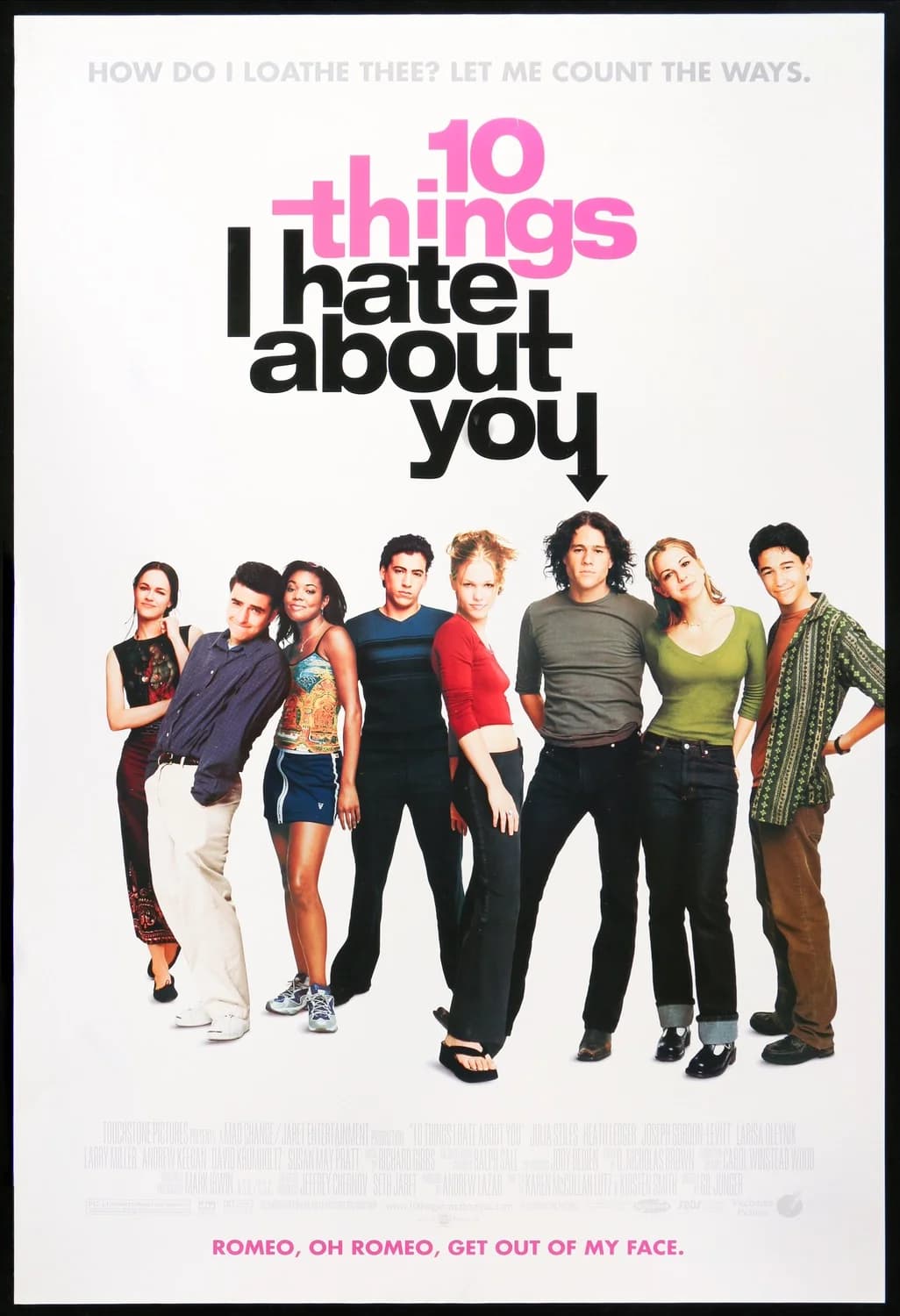
10 Things I Hate About You
Sibling rules, a rooftop serenade and one very stubborn Kat — Shakespeare in a school corridor.