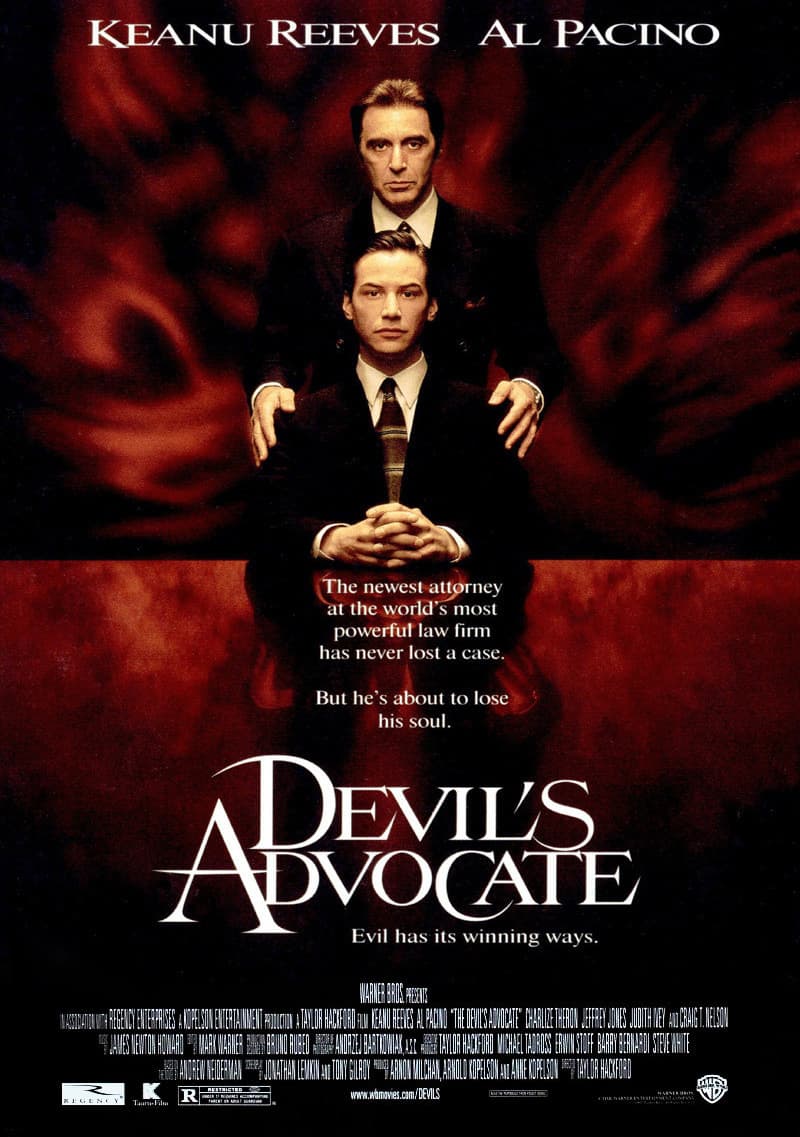
The Devil's Advocate
A Faustian deal in a pinstripe suit — ambition, rhetoric and a very persuasive boss.
// The setup
PLAYBACK STARTED
Talk about The Devil's Advocate and people will land on the same scene: a small-town lawyer who can't stop winning, and a Manhattan firm that offers him everything. It's Kevin Lomax's hunger — the decisions he keeps choosing — that gives Taylor Hackford's film its pull. Once you see that, the rest of the movie becomes an escalating argument about what success costs.
THE MOVIE
Kevin Lomax is still the reason this movie works
There’s a simple, stubborn engine at the heart of The Devil's Advocate: Kevin Lomax, a small-town Florida defence lawyer who never loses. That unbeaten streak — and the way Lomax prizes victory above pretty much everything else — is the film’s magnetic core.
Everything that follows is a reaction to that appetite. A controversial courtroom win brings Kevin to a Manhattan law firm run by John Milton, and the offer that arrives is less like a job and more like a proposition: professional validation in exchange for steady moral compromise.
That bargain — the Faustian trade-off between success and conscience — is what makes Taylor Hackford’s 1997 hybrid of legal thriller and supernatural horror worth revisiting. It’s not just plot mechanics; it’s a picture of what happens when talent meets temptation.
THE SETUP
The idea that sets The Devil's Advocate in motion
The setup is economical: Kevin Lomax is an undefeated young lawyer whose courtroom success draws attention. That record — and the tactics behind it — lead to an invitation to join a powerful Manhattan firm.
Accepting the job moves the story from provincial victories to high-stakes corporate law, and with that move comes a clear dramatic friction: professional ambition pushing against ethical obligation, and a wife whose life is disrupted by the relocation.
Milton, the firm's owner, doesn’t simply hand out work; he operates by rhetorical seduction. He supplies opportunity while slowly undermining Kevin’s moral anchors, which keeps the central conflict taut without constant exposition.
Late in the screenplay the film leans into the supernatural: the firm’s shadowy genealogy and an Antichrist plot thread become explicit, turning the legal-thriller setup into something overtly uncanny as the stakes escalate.
THE CHARACTER
Why Kevin Lomax matters
Kevin Lomax isn’t memorable because of a single heroic move; he’s memorable because of a repeated habit. He chooses winning, again and again, even when the price is clearly dragging him off-course.
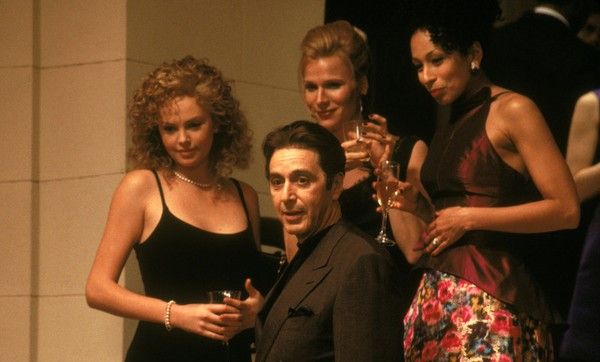
That compulsion to be validated professionally makes him easy to read and hard to forgive: his choices drive the plot and force the film to keep asking whether success is worth what you must give up to obtain it.
Kevin’s move to New York also works as a pressure test for his marriage. Mary Ann’s worsening isolation and breakdown aren’t window dressing — they’re the emotional counterweight to his legal compromises, reflecting how ambition can corrode domestic life.
And because the film lets Milton work on Kevin slowly — through rhetoric, praise and position — Kevin’s role becomes less about individual scenes and more about a temperament under sustained trial. That’s the character detail that keeps the film honest.
THE PERFORMANCE
Why Al Pacino's performance matters
Contemporary critics made no secret of what grabbed them most: Al Pacino’s John Milton is the sort of performance reviewers circle with a highlighter. It’s described repeatedly as flamboyant and scene-dominating.
That showpiece quality matters because Milton functions as the film’s active tempter. When a character needs to be persuasive — to reframe ethical terms and make compromise sound rational — the performance’s larger-than-life presence sells that idea.
So the question isn’t whether Milton is subtle; it’s whether the performance makes his rhetorical seduction credible. The contemporary reaction suggests it did, turning Milton into the persuasive centre that draws Kevin deeper.
Put differently: if the movie is an argument about temptation, Pacino’s portrayal is its loudest voice. The film often relies on that volume to make the bargain feel inevitable.
UNDER THE SURFACE
The Devil's Advocate has more on its mind than the plot suggests
On paper the movie is a legal thriller with supernatural decoration. Underneath, it’s a film about bargains: what people trade when they value success above conscience.
That Faustian deal — career advancement in exchange for moral compromise — is the repeated hinge. Kevin’s decisions show how ambition can bend principles until what once looked like a defence becomes a kind of complicity.
Rhetoric plays a key role. Milton doesn’t bully so much as reframe; temptation here is intellectual and seductive, an argument dressed as opportunity rather than a cartoonish evil snapping its fingers.
There’s also the corruption of power and the domestic fallout. As Kevin climbs, marriage and mental health fray; the film stages ambition and conscience not only as abstract opposites but as pressures with real human costs.
THE FILMMAKING
How The Devil's Advocate was put together
Taylor Hackford assembled a crew with clear genre instincts: Andrzej Bartkowiak on cinematography, Mark Warner editing and Bruno Rubeo on production design. Those credits read like a team built to keep a drama feeling big without losing the thriller mechanics.
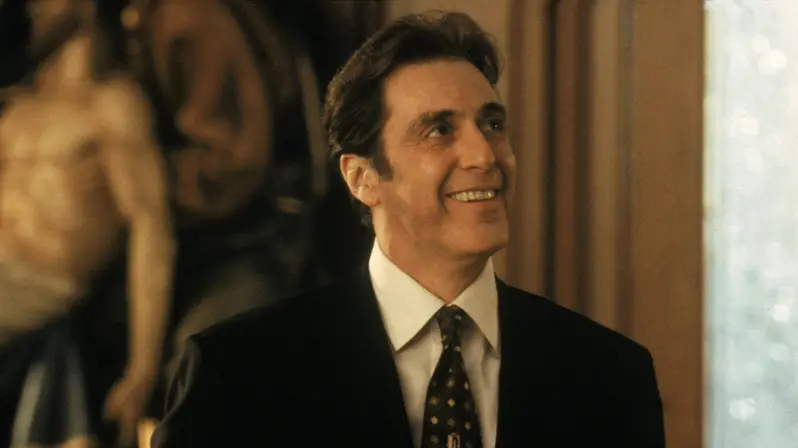
The film’s construction supports the tone shifts — from courtroom set pieces to the creeping, almost operatic horror that arrives later — by leaning on craftsmen who could anchor both realism and spectacle.
Production credits also point to a studio-backed scale: producers such as Arnon Milchan and the Kopelsons suggest the film was positioned as a sizeable 1997 release, not a small offbeat exercise.
All of which matters because the movie asks viewers to accept both legal-thriller beats and late-stage supernatural reveals. The production crew gives the film enough solidity for that leap to feel intentional rather than accidental.
PRACTICAL EFFECTS
The effects work that gives The Devil's Advocate its physical personality
The movie’s final, transformational moments weren’t left purely to computer trickery. Rick Baker is credited as the special make-up effects artist, which signals a hands-on approach to the film’s physical grotesqueries.
Production work on those climactic transformations used life masks — material repurposed from earlier work — as part of the sculptural effects, blending tactile craft with visual compositing.
A striking sequence involving an animated ‘statue’ was assembled by filming performers in a water tank against blue screen and then compositing those plates into the sculpture effect. The sequence reportedly took months and was a sizeable slice of the effects budget.
Those practical steps matter because they give the movie a physical, tactile quality in its late moments: something made as much in the workshop as in the edit bay.
PURE 80S
The Devil's Advocate could not belong to any other decade
The film lands squarely at a late-1990s intersection: it borrows the corporate-law mechanics that dominated Grisham-era thrillers and then layers on overt occult elements that push it towards horror.
Critics at the time noticed that blend. The movie trades on the era’s fascination with white-collar power and courtroom manoeuvre, and then deliberately contaminates that world with supernatural stakes.
That hybrid identity is part of why it felt distinct in 1997: a legal-thriller engine running into genre escalation rather than simply resolving as another court-room morality play.
Seen in context, the movie reads like a product of its moment — one foot in the decade’s courtroom drama trend, the other in late-90s appetite for big, moralising spectacle.
THE LEGACY
Why The Devil's Advocate still matters
The film carries a tangible afterlife in genre circles: it won the Saturn Award for Best Horror Film for its production year, which is an explicit nod to how it sat between thriller and horror.
Al Pacino’s John Milton continued to be a focus of pop-culture discussion and nominations — for example, a recorded MTV Movie Award Best Villain nomination — which indicates how the performance stuck in people’s heads.
Retrospectives and reappraisals tend to return to two points: Pacino’s showpiece turn and the movie’s hybrid identity, the way it melds legal-thriller scaffolding with overtly supernatural storytelling.
That combination — an attention-grabbing lead and a genre-crossing appetite — is why the film still finds a place in conversations about 1990s cinema rather than being quietly forgotten.
THE VERDICT
Does The Devil's Advocate still hold up?
Yes — if you go to it for character-driven temptation and a story that treats the law as an arena for moral testing. Kevin Lomax’s move from Florida to a Manhattan firm sets up a clean, compelling conflict: ambition pushing hard against conscience.
The film asks you to listen to John Milton. Pacino’s Milton is the persuasive centre who reframes sin as rational choice and makes compromise sound like common sense; that rhetorical seduction is the movie’s engine and it mostly carries the late turns when the plot shifts into supernatural terrain.
Mary Ann’s isolation and mental collapse are not incidental props; they act as an emotional echo to Kevin’s decline, which keeps the stakes personal rather than purely conceptual. And the screenplay’s late reveal of a literal supernatural genealogy raises the stakes from ethical thriller to full-on mythic reckoning.
If you’re curious, watch it for the argument more than the shocks. It’s a 1997 Taylor Hackford picture with generous running time and big ambitions — a legal drama that ultimately wants to make you feel the cost of choosing success above all else.
Share this movie
// Keep watching
More movies from the 90s
If The Devil's Advocate is your kind of movie, there's plenty more on the shelves worth rewinding.
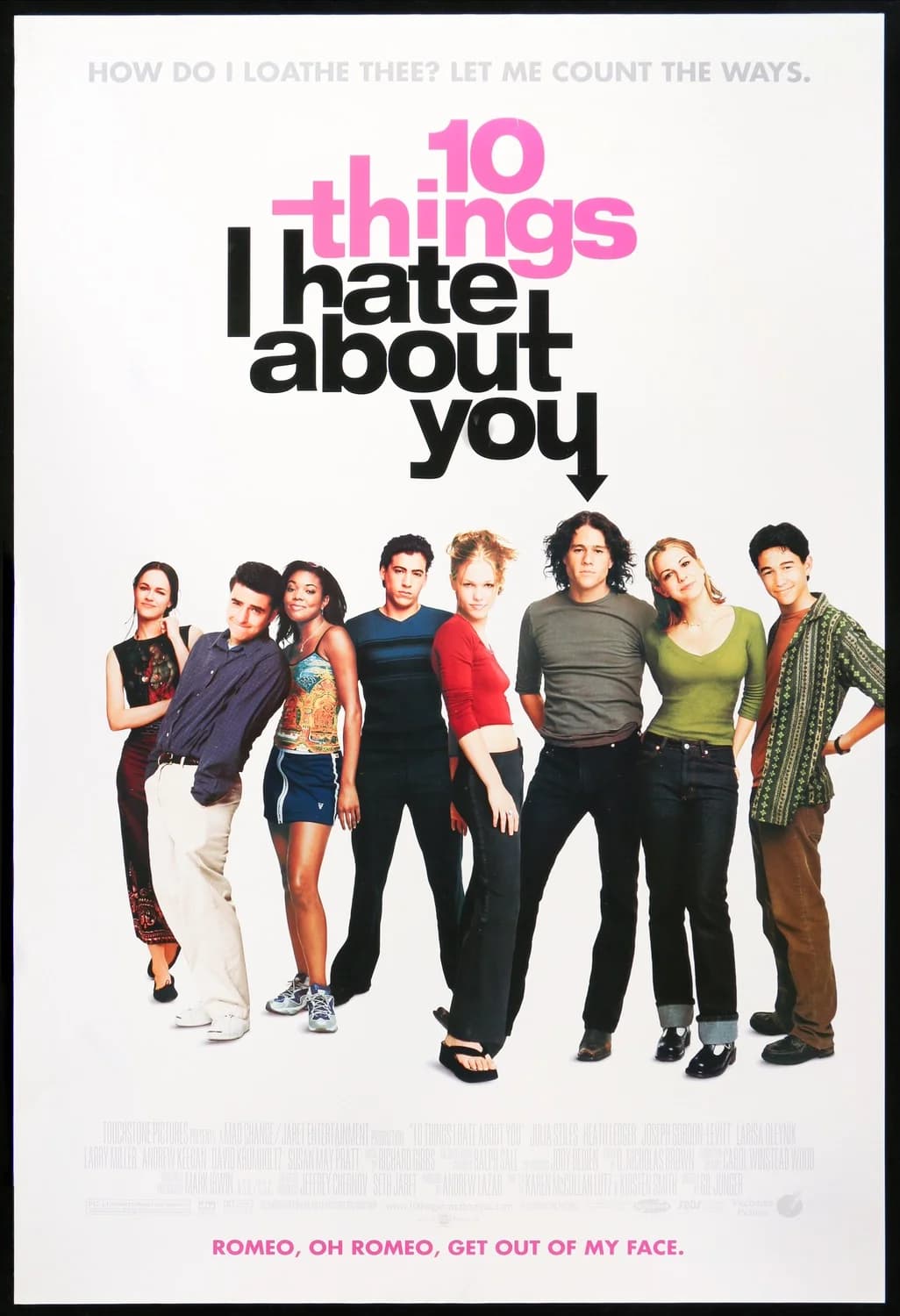
1999 // VHS
10 Things I Hate About You
Sibling rules, a rooftop serenade and one very stubborn Kat — Shakespeare in a school corridor.
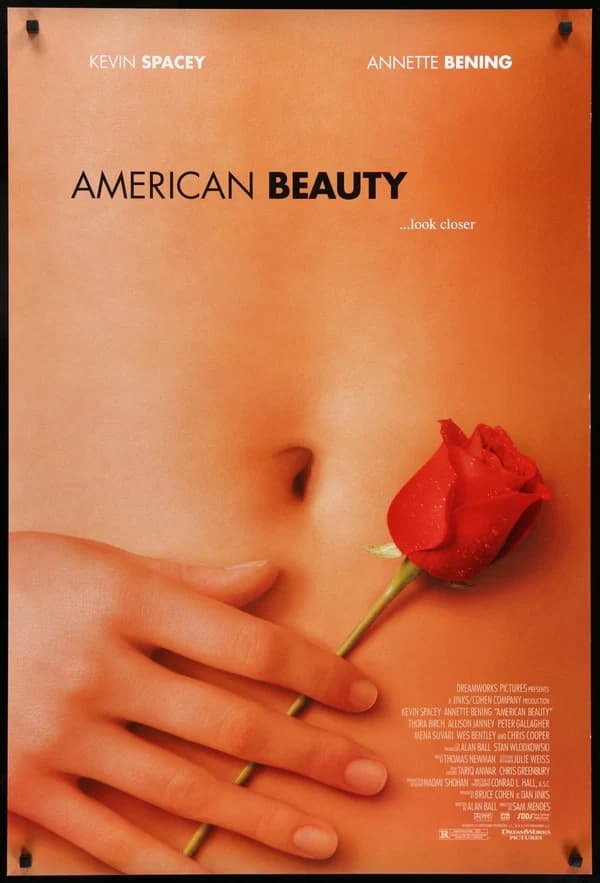
1999 // VHS
American Beauty
Lester Burnham, suburban rot and a midlife argument that still stings.
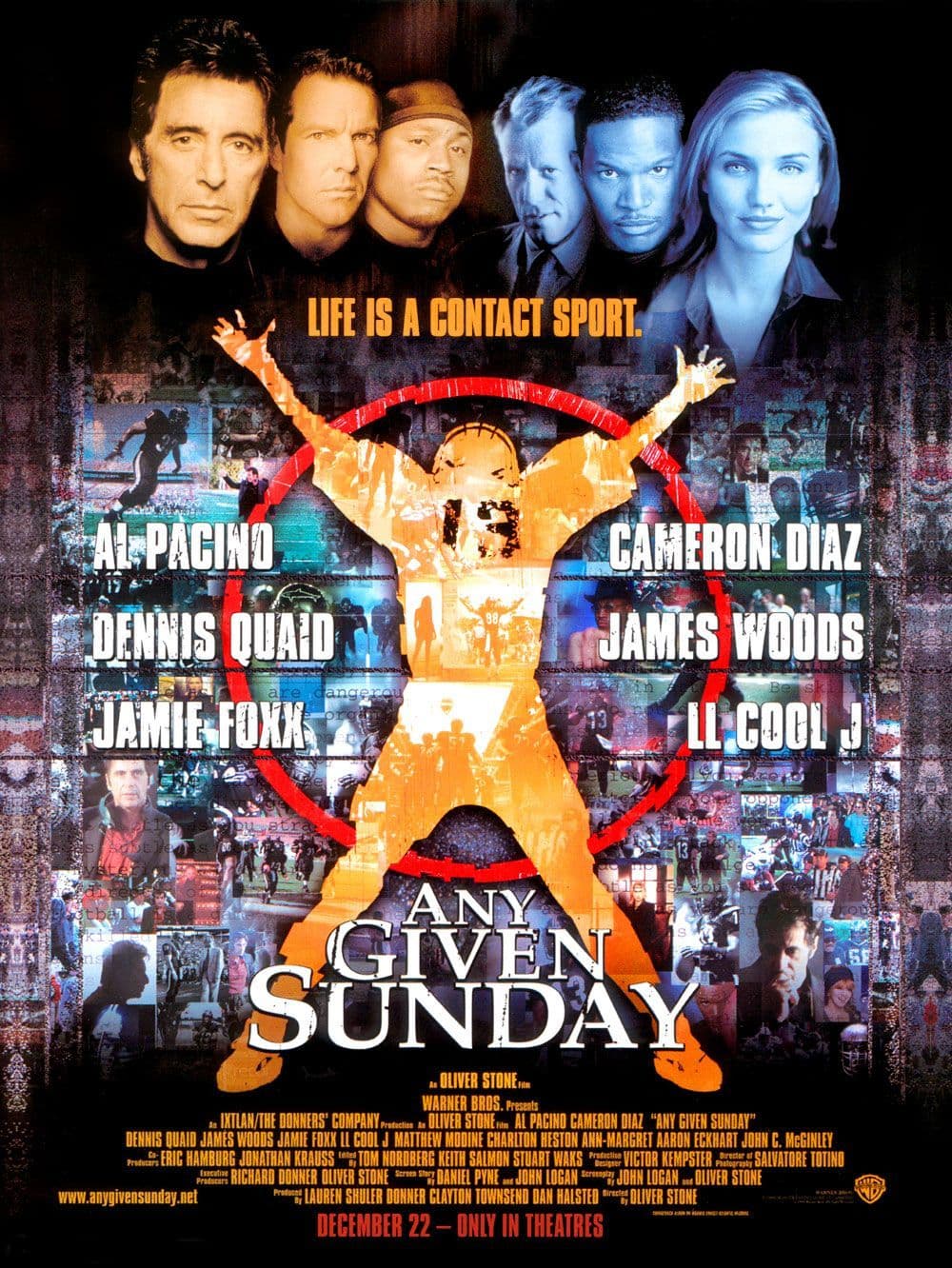
1999 // VHS
Any Given Sunday
Al Pacino's coach anchors the chaos of a film about football turned into product — loud, messy and oddly persuasive.