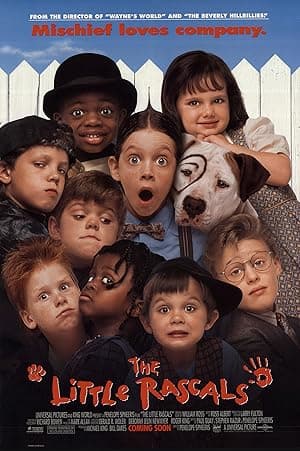
The Little Rascals
Spanky runs the club, Alfalfa falls in love, and a soapbox race sorts out growing up.
// The setup
PLAYBACK STARTED
There’s a particular kind of mischief only an army of kids can get away with — sticky-fingered, wholehearted and oddly persuasive. The Little Rascals packages that energy into a brisk 82 minutes: a children’s comedy directed by Penelope Spheeris where a boys’ club, a stolen go‑kart and a first crush make for surprisingly tidy moral arithmetic.
THE MOVIE
Spanky McFarland is still the reason this movie works
If you remember anything about the 1994 Little Rascals remake, it’s usually the squabble first: Spanky McFarland running the He‑Man Womun Haters Club and finding his best friend Alfalfa sneaking off to woo Darla. That small, silly split — boys’ club rules versus a first crush — is the film’s motor.
Penelope Spheeris steers a family comedy that keeps its feet on the gags: the clubhouse politics, the pranks, and the daft escalations that follow when childhood loyalties get challenged. Travis Tedford is the kid at the centre, the president who wants the rules to mean something, while Bug Hall and Brittany Ashton Holmes supply the reason the rules fray.
It’s a simple set-up and a short running time, which is exactly the point. The film stakes its claim on a handful of characters and a single argument, then lets the kids work it out — literally rebuilding their club and, at the finish line, their friendship.
THE SETUP
The idea that sets The Little Rascals in motion
At heart the movie pivots on a single social problem: Alfalfa falling for Darla pulls him away from the boys’ club and forces everyone to choose. That tiny human collision — friendship versus first crush — creates all the comic friction.
Parallel to that emotional tug is a practical one. The club needs money, and when a go‑kart turns up missing the kids decide to build a new racer and enter a local soapbox‑style contest. It’s the sort of low-stakes, high-energy problem that lets the screenplay move from clubroom bickering to communal invention.
The film layers short set pieces — clubhouse scenes, pranks, even a ballet‑disguise gag — around a larger finish: a race sequence that serves as both spectacle and resolution. The small moments keep the characters specific; the race gives them a chance to act together.
All of this sits inside a script that borrows from an old vein of Our Gang silliness but translates it into a neat, modern (for 1994) family farce.
THE CHARACTER
Why Spanky McFarland matters
Spanky is the glue and the problem. As president of the He‑Man Womun Haters Club he’s invested in what the clubhouse stands for, and that investment is what makes his clash with Alfalfa feel real rather than incidental.
That need to control the group’s ethos gives the film somewhere funny to push against. Spanky's stance forces the other kids into decisions — to double down on loyalty or to recognise that the world includes crushes and change.
The movie’s family classification matters here: Spanky’s mistakes are readable and reversible. The story lets him hold fast long enough for the audience to understand why, then gives him a chance to fix what he broke.
Framing these beats as an update of the old Our Gang shorts keeps Spanky recognisably in that lineage: a kid with authority, temperament and a lesson to learn, surrounded by an ensemble and a couple of animal complications.
THE PERFORMANCE
Why Ross Elliot Bagley's performance matters
Contemporary reviewers noticed the kids — and not just as a blur of cherubic faces. Several of the child performances were called out as appealing.
In particular one local newspaper singled out Ross Elliot Bagley’s Buckwheat, describing him as an especially lively presence among the ensemble.
That sort of remark matters because the film rests on the group doing individual things that add up to collective comedy. A standout child performer makes the gang feel like a real team rather than a background prop.
So when the story asks the kids to cooperate — rebuild the clubhouse or race the new kart — those little sparks of personality make the teamwork credible.
UNDER THE SURFACE
The Little Rascals has more on its mind than the plot suggests
On the surface it’s slapstick and clubhouse politics. Underneath it’s interested in small acts of growing up — how a first crush can reroute friendships and force choices.
There’s a deliberate nostalgia at work too: the film knowingly revives gags and character types from earlier Our Gang shorts, so part of its pleasure is looking back and seeing how those situations translate for a 1990s family audience.
Teamwork and rebuilding are baked into the story: the kids literally repair their clubhouse and construct a racer together, which turns personal squabbles into communal problems to solve.
And there’s a wink at gender roles — the boys’ club and its rules are treated with parody, so the film gets to make fun of its own childish posturing while still letting the characters learn.
THE FILMMAKING
How The Little Rascals was put together
The film is a studio family feature in the conventional sense, and you can see that in the crew credits. Richard Bowen is listed as the director of photography and Larry Fulton as the production designer, names that anchor the film’s practical construction.
On the post side, the editors — including Ross Albert and Peter Teschner — shaped the brisk, gag‑forward tempo the story requires. Short set pieces need a certain rhythm to land, and the editing keeps the film moving.
Those production roles are the scaffolding for a movie that depends on clarity: the audience should always know who’s in the clubhouse, who’s plotting the prank, and what the stakes are as the kids work on the kart.
Put simply, the filmmaking choices aim for readable, family‑friendly mechanics rather than formal flourish — the technical crew are there to make the kids’ business feel immediate and light.
PRACTICAL EFFECTS
The effects work that gives The Little Rascals its physical personality
Part of the film’s tangible charm comes from real animals on set. The production used an American bulldog as Petey and a capuchin monkey for Elmer, which gives scenes a concrete unpredictability you can’t fake.
That decision brought its own production realities. Working with animals and very young children required careful handling and scheduling — a production consideration rather than a creative gimmick.
Those practical elements feed the film’s texture: a panting dog, a mischievous monkey, kids rearranging props — they make the world feel lived in and noisy in a way that helps the comedy land.
It’s a reminder that, for family films, the tactile stuff often carries as much weight as the scripted jokes.
PURE 80S
The Little Rascals could not belong to any other decade
The film was produced by Amblin and released by Universal in August 1994, which slots it neatly into the early‑90s studio strategy of straightforward family features.
That positioning matters because the movie isn’t aiming for indie oddity or grown‑up edge: it’s designed to be consumable family fare, distributed and marketed by big players who knew their audience.
Being a 1994 release also explains the remake impulse: taking Our Gang material and reframing it for contemporary families fit into a broader tendency among studios to refresh known properties.
So while the characters feel older than their year, the film’s industrial DNA — Amblin, Universal, summer release — is very much of its moment.
THE LEGACY
Why The Little Rascals still matters
The film made a noticeable dent commercially and remains the most familiar modern feature take on the Our Gang shorts, which is why people still bring it up when the subject of remakes comes up.
Its availability on home‑video formats after the theatrical window — VHS, DVD and eventually Blu‑ray — helped keep it circulating in family living rooms long after cinemas stopped showing it.
It also left a trace because the production prompted discussion among surviving members of the original Our Gang — some felt they hadn’t been consulted about the remake, and that conversation is part of the picture’s afterlife.
Taken together, the movie’s box‑office footprint, home‑video life and the debate it stirred are why it still appears in conversations about how older material gets reworked for new audiences.
THE VERDICT
Does The Little Rascals still hold up?
Yes — with a caveat. If you want an affectionate, compact family comedy that trusts a handful of characters and a single silly argument to carry it, this movie still does the job. It’s built around a simple moral tug: Alfalfa’s courting of Darla forces kids to choose between club loyalty and growing up, and that clarity keeps the film honest.
The go‑kart plot — raising money, replacing a stolen kart and building a racer for a soapbox contest — gives the story physical stakes. The movie intercuts small, character‑driven set pieces with a proper finish line: a race that resolves the boys’ conflict in a way that’s both theatrical and satisfying.
It helps that the cast are recognisably a gang rather than a collection of extras; Travis Tedford anchors the part of Spanky and contemporary critics flagged several of the children as appealing, even singling out Ross Elliot Bagley as a lively presence. That combination of ensemble energy and a tidy runtime keeps things moving.
If you’re watching for depth or modern sensibilities, it will feel dated in places. But as a piece of early‑90s family filmmaking — a Penelope Spheeris‑directed, 82‑minute remake that wears its Our Gang influences on its sleeve — it still has a practical, likeable heart. Watch it for the clubhouse fights, the daft solutions and to see a neat little argument about loyalty played out with glue, grease and genuine kid chaos.
Share this movie
// Keep watching
More movies from the 90s
If The Little Rascals is your kind of movie, there's plenty more on the shelves worth rewinding.
1994 // VHS
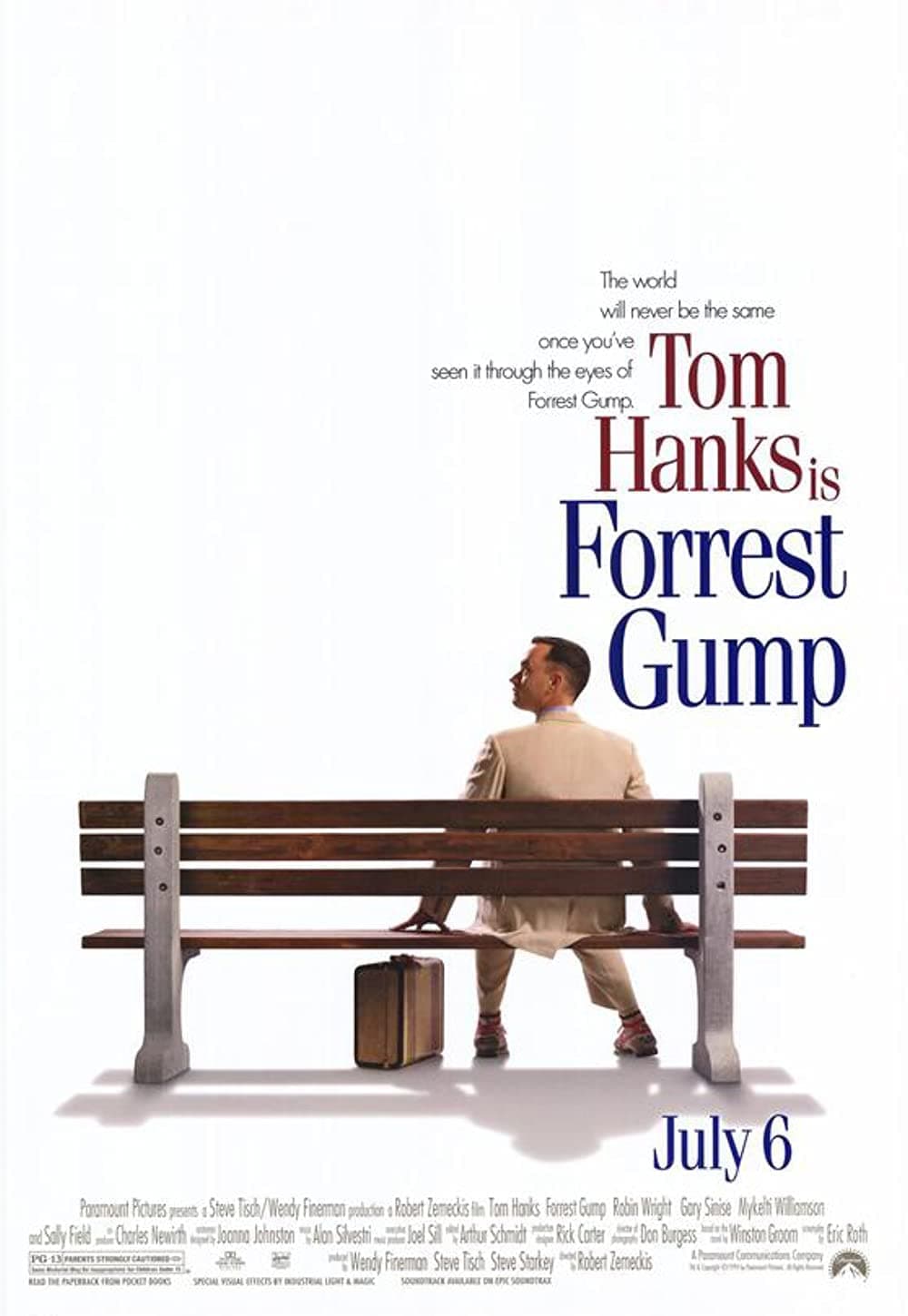
Forest Gump
A man on a bench who refuses to make history anything more complicated than a story worth telling.
1999 // VHS
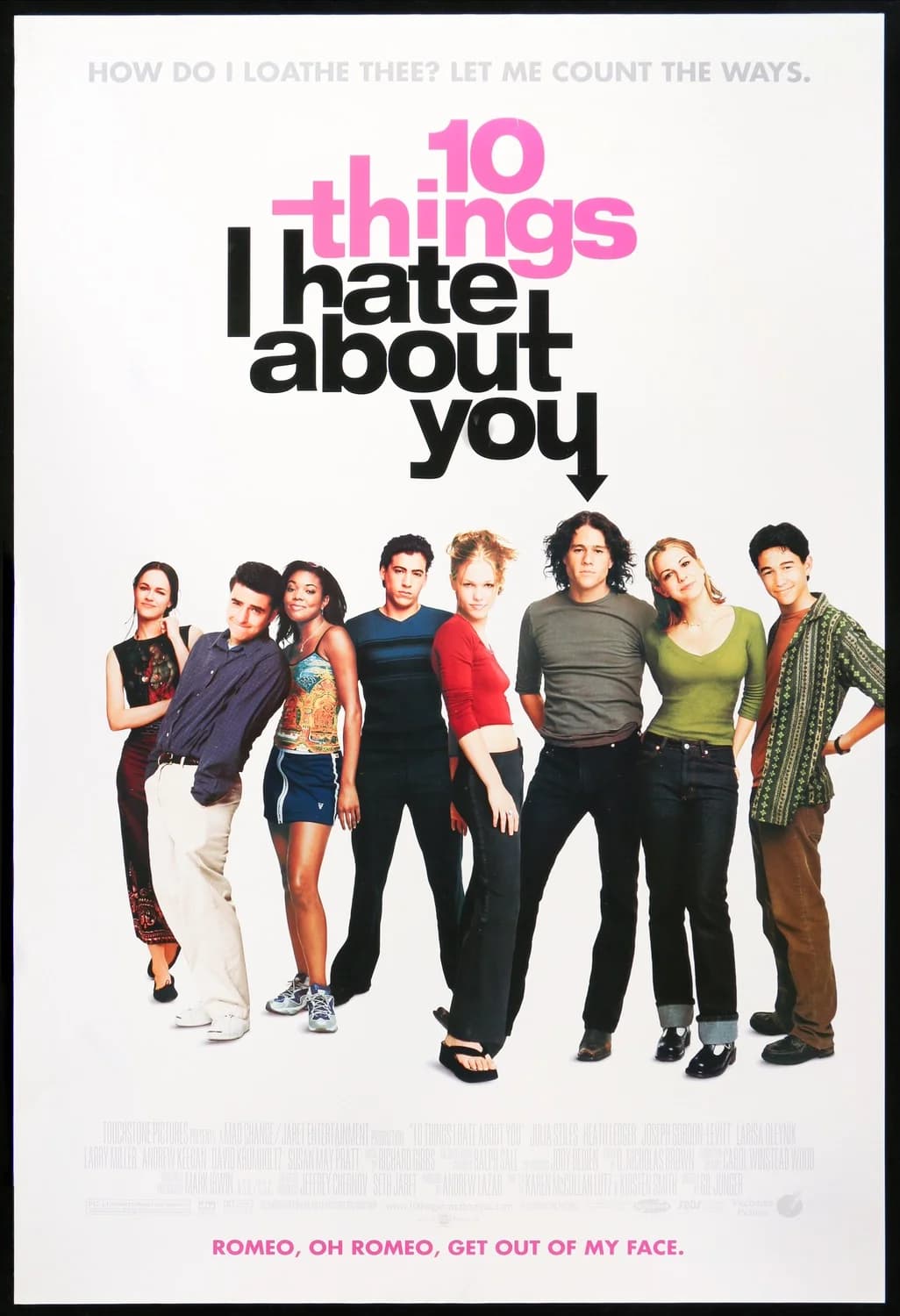
10 Things I Hate About You
Sibling rules, a rooftop serenade and one very stubborn Kat — Shakespeare in a school corridor.
1999 // VHS
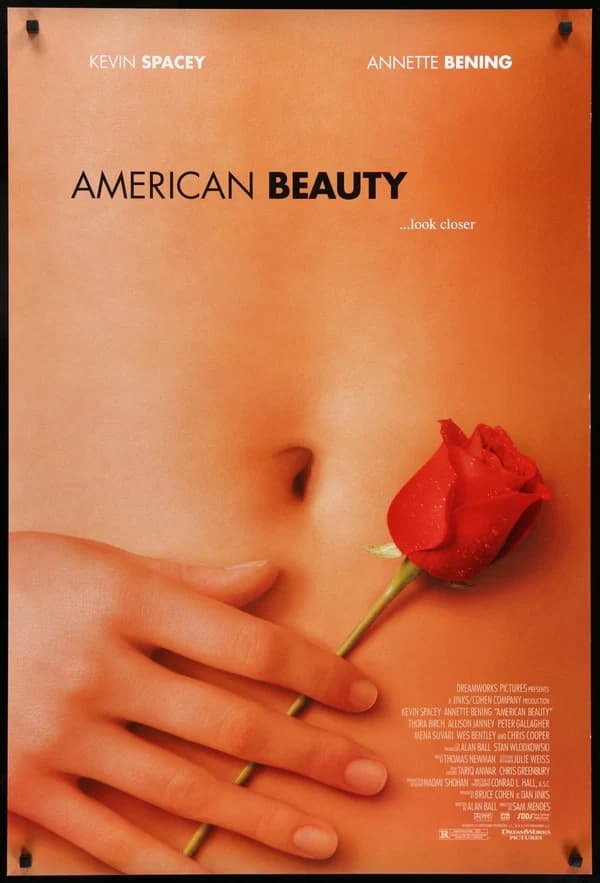
American Beauty
Lester Burnham, suburban rot and a midlife argument that still stings.