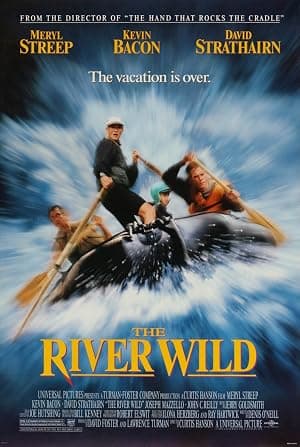
The River Wild
A family holiday that goes horribly right — because Gail Hartman knows the river.
// The setup
PLAYBACK STARTED
There are thrillers that rely on booms and chases, and then there’s The River Wild: a movie whose tension comes from one simple, terrifying exchange — an experienced mother asked to steer her family through life-or-death rapids while strangers pretend to be friends. Curtis Hanson hands the film to Meryl Streep, and the result still feels like a very particular kind of 1990s thriller.
THE MOVIE
Gail Hartman is still the reason this movie works
The River Wild hooks you by putting a domestic problem in a very public, dangerously physical place. Gail Hartman has organised a white-water rafting trip to patch a marriage and celebrate her son’s birthday — and the holiday’s promise of reconnection is what makes the sudden violence that follows feel so personal.
On the river, the family are joined by two seemingly affable strangers who, it turns out, are armed criminals. They quickly pivot from charm to coercion, forcing Gail — a former river guide and a teacher who knows the water — to pilot them through escalating rapids. That set-up is neat and brutal: the terrain itself becomes a third, uncompromising character.
Curtis Hanson directs, Meryl Streep plays Gail, and Kevin Bacon is one half of the criminal duo. Contemporary notice singled out the performances and the production photography; the film runs for a compact 111 minutes and keeps its genre mix — thriller, action, survival — sharply in focus.
THE SETUP
The idea that sets The River Wild in motion
At heart the film is built on a tidy, escalating mechanic: a family in need of repair is exposed to a predatory deception, and the river forces fast decision-making. The criminals’ initial warmth is part of the trick — it buys them access before they reveal their true intentions.
From there the movie turns commercial white-water rafting into its arena. The rapids are not just spectacle; they are the obstacles that shape every choice the characters make. Gail’s history as a guide turns from backstory into a tactical advantage and a moral burden.
The film’s central conflict, then, is twofold: keep the family alive against a dangerous natural environment, and survive the manipulative, violent behaviour of the men who now control their fate. Those twin pressures are what make the set pieces mean something beyond thrills.
THE CHARACTER
Why Gail Hartman matters
Gail is written as someone whose past skills are the exact antidote to the present danger. She’s a former river guide and a teacher who plans the trip partly to reconnect her family and patch her marriage. That setup gives her stakes that are both emotional and practical.
Because she knows the water, Gail’s role isn’t just to react; she’s the person who can steer them through the literal and figurative rapids. That dynamic makes the film less a story about passive victims and more a tense, measured contest of control.
Tom — a work-focused architect — exists as the domestic counterpoint: his distance from the family is the reason the trip happens, and his arc involves moving from a passive figure to someone who takes protective action. Roarke, the son, supplies the immediate emotional stake that forces both parents to act.
Putting a skilled, competent woman at the centre of a mainstream action-thriller about survival and family reconnection was an arresting choice for the film’s tone and storytelling.
THE PERFORMANCE
Why Meryl Streep's performance matters
Contemporary coverage singled out Meryl Streep’s work in a way that’s worth noting: critics highlighted how she brought emotional intelligence and a credible physical presence to a film that mixes domestic drama with action beats.
The industry recognised that attention: Streep earned nominations — a Golden Globe and a Screen Actors Guild nod — which underlines that her turn was taken seriously in the awards conversation.
Those facts matter because they show the film was asking an actor known for drama to anchor something more muscular than her usual fare, and that the choice paid off in how the movie was received at the time.
UNDER THE SURFACE
The River Wild has more on its mind than the plot suggests
The movie dresses itself in rapids and hostage tropes, but beneath that it’s looking at a handful of plain, human problems: the awkward business of trying to fix a marriage, the pressure cooker of family dynamics, and how trust can be weaponised.
Survival against nature is literal here — the river is an implacable force — but it also has metaphorical weight: negotiating the river resembles navigating a relationship that’s lost its current.
Trust and deception operate on two levels: the criminals’ charm is an explicit con, while the family’s fragile assumptions about each other and their roles are an internal test. That interplay keeps the film from being one-note.
Finally, the movie foregrounds female agency in action by making Gail the navigator and problem-solver; her competence shifts the centre of gravity in a genre that sometimes sidelines women into peril alone.
THE FILMMAKING
How The River Wild was put together
Robert Elswit is credited as director of photography, and contemporary reviews praised the river cinematography — a necessary compliment when so much of the film’s tension depends on believable water sequences.
To capture that immediacy the production used raft-mounted camera rigs and kept small crews on the water for both beauty and action shots. The approach gives many sequences a water-level point of view, which puts the audience very close to the danger.
Those choices are not decorative. When your stakes are physical — rapids, overturned boats, the risk of being swept away — the camera’s proximity to the river is a storytelling decision as much as a technical one.
PRACTICAL EFFECTS
The effects work that gives The River Wild its physical personality
The film relied on real river professionals and guides for the major whitewater stunts rather than pretending danger through purely mechanical or optical trickery. That choice anchors the action in something tactile.
Meryl Streep did some of her own work on the milder stretches, while a professional river guide — Kelley Kalafatich — served as her stunt double for the bigger rapids. Those arrangements make the transitions between close-ups and stunt work smoother and more convincing.
Production safety was active and on-site: on-river safety teams and river-rescue procedures were in place, and contemporary reports note at least one incident where Streep was swept from a raft and rescued while wearing a personal flotation device. The presence of safety personnel is part of how the team balanced authenticity with responsible filmmaking.
PURE 80S
The River Wild could not belong to any other decade
Released in 1994, The River Wild sits squarely in a 1990s trend for star-driven suspense and action pictures. What made it stand out was casting an established dramatic actress in what amounts to an action-thriller lead — a slightly atypical move that gives the film a particular 90s flavour.
Curtis Hanson directed the film between other genre-flirting work of the early 1990s and the later success of L.A. Confidential (1997). That placement in Hanson’s career maps The River Wild onto a period when he was comfortably working in different turns of thriller and drama.
Seen this way, the movie reads as part of a decade that liked making familiar faces carry cross-genre projects — an era where a name could sell the idea that domestic drama and survival action belong in the same film.
WATCHING IT NOW
What has aged — and what hasn't
The film's core themes still read clearly: a holiday staged to mend a marriage and a family’s basic need to stick together under pressure are universal, which helps the movie remain identifiable to modern viewers.
Gail’s status as a former river guide who organises the trip to reconnect her family still functions as a strong narrative engine. It gives the story clean motivations and keeps the stakes personal rather than abstract.
Kevin Bacon’s character, Wade, remains a convincing source of danger in the contours of the plot: his role as one of the criminals who commandeer the raft is central to the film’s suspense, and that straightforward antagonist energy still holds up.
Overall the film’s spine — family survival, deception, and the use of a woman’s specific skillset to fight back — continues to make it watchable for contemporary audiences.
THE LEGACY
Why The River Wild still matters
Part of the film’s afterlife comes from recognition: Meryl Streep received industry nominations for her turn, and Kevin Bacon earned a Golden Globe nomination for his supporting role. That awards attention keeps conversations about the film from vanishing entirely.
There’s also a curious footnote in the movie’s scoring history: later expanded soundtrack editions documented both Jerry Goldsmith’s final credited score and an earlier, unused Maurice Jarre score. For specialists and curious listeners that detail has kept a small but persistent interest in the film’s production story.
Taken together, the nominations and the soundtrack story give The River Wild a tangible trace in industry memory, even if it’s not an omnipresent title in mainstream culture.
THE VERDICT
Does The River Wild still hold up?
Yes — if you want a compact, well-shot thriller that treats a family drama like something urgent and physical. At its centre is a simple, effective premise: a holiday intended to fix a marriage becomes a fight to survive rapids and the men who hijack the trip.
The movie earns that endurance in two ways: Meryl Streep’s Gail is written and performed as a competent former guide whose skills are literally the family’s best hope, and the river cinematography — the production’s most-noted technical achievement — keeps the action feeling present and immediate.
Practical choices — using experienced river professionals for stunts and keeping camera rigs on the water — pay off in credibility. And the emotional stakes are never only generic: Roarke’s safety and the couple’s fragile bond keep the danger intimate.
If you’re tempted to watch, think of The River Wild as a grown-up genre picture from 1994: it’s about family first, thrills second, and it still rewards both perspectives.
Share this movie
// Keep watching
More movies from the 90s
If The River Wild is your kind of movie, there's plenty more on the shelves worth rewinding.
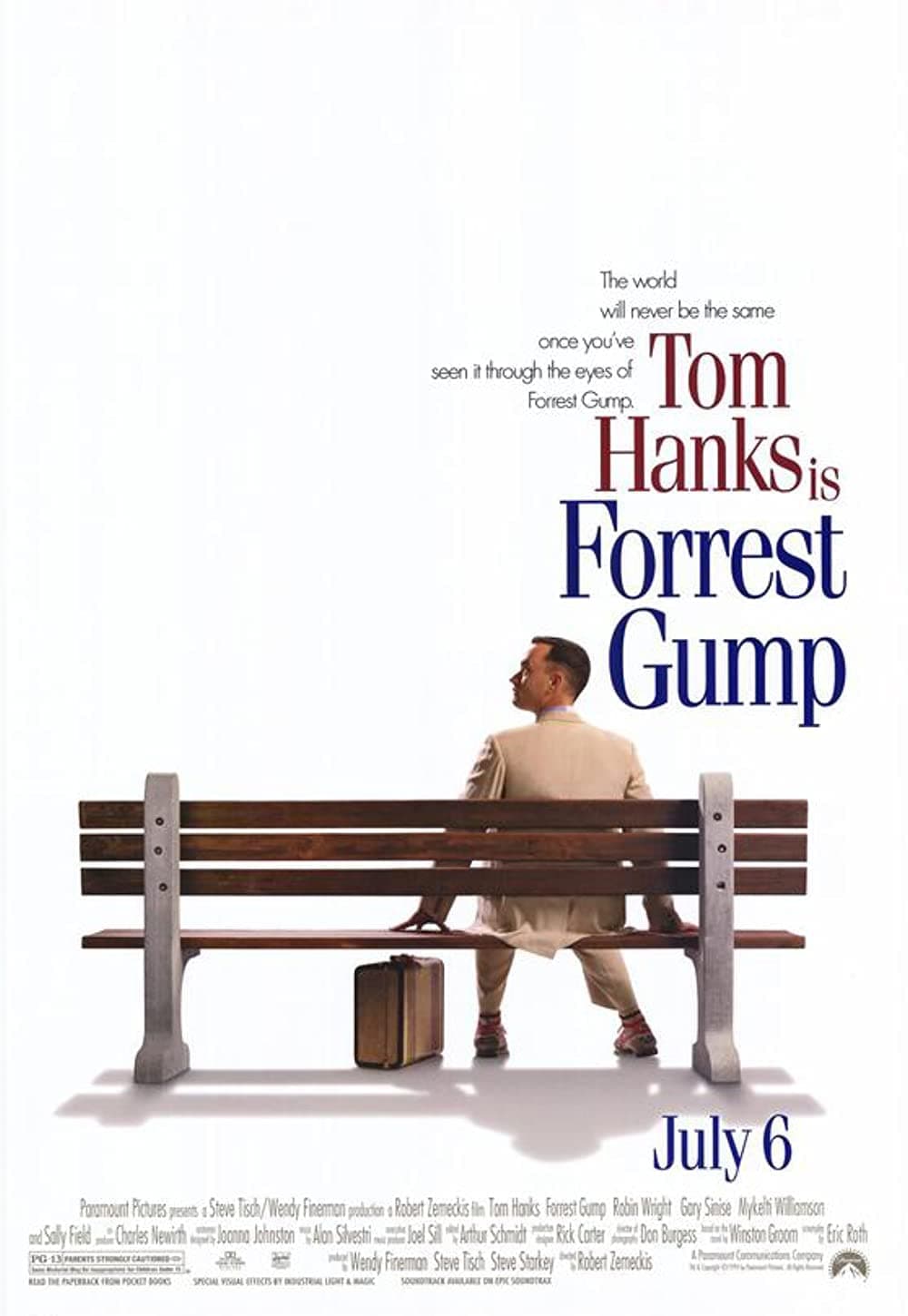
1994 // VHS
Forest Gump
A man on a bench who refuses to make history anything more complicated than a story worth telling.
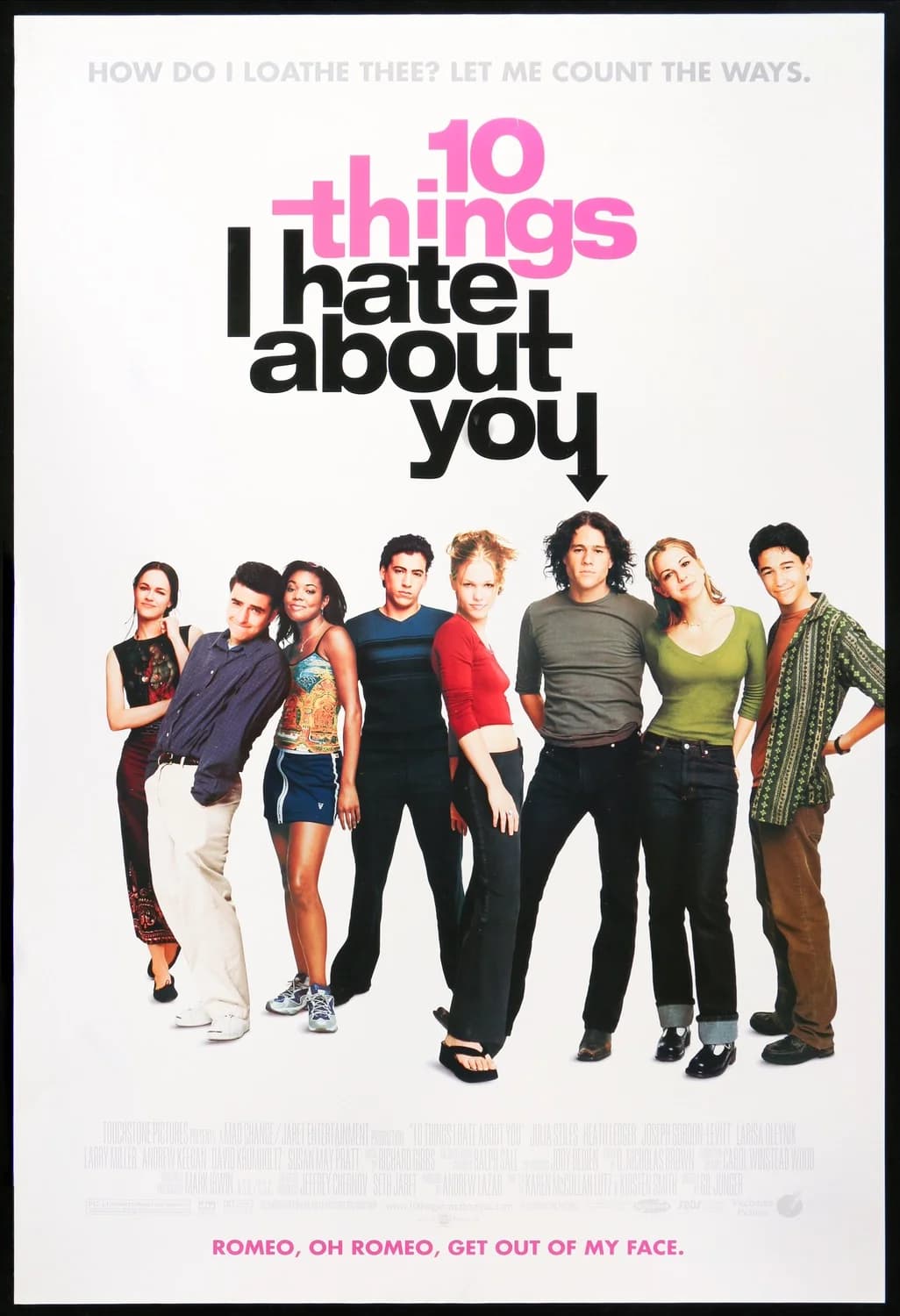
1999 // VHS
10 Things I Hate About You
Sibling rules, a rooftop serenade and one very stubborn Kat — Shakespeare in a school corridor.
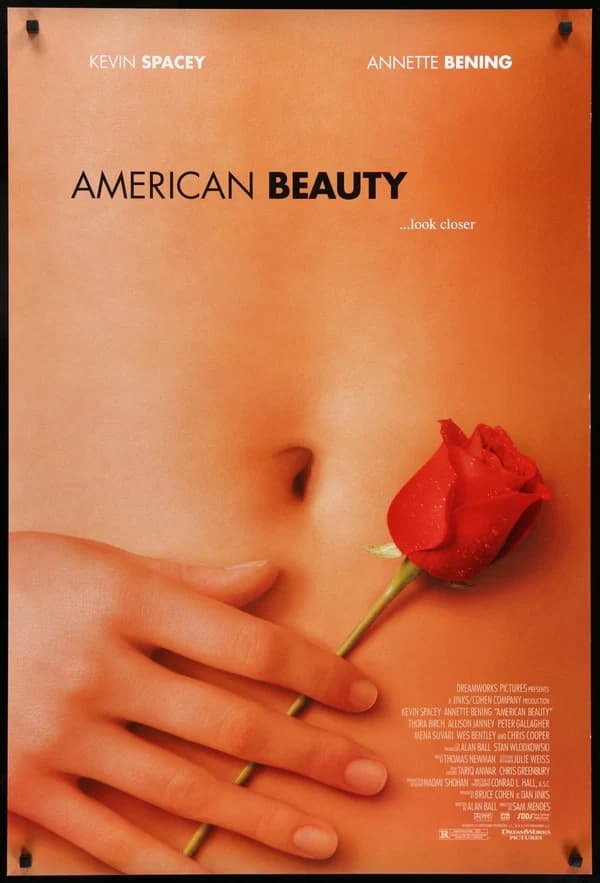
1999 // VHS
American Beauty
Lester Burnham, suburban rot and a midlife argument that still stings.