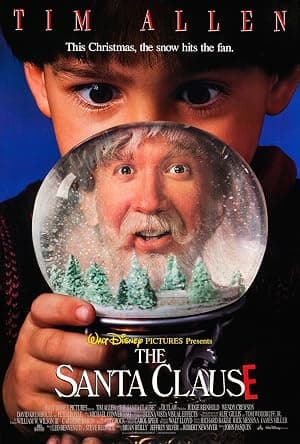
The Santa Clause
A reluctant dad signs a literal contract and ends up signing up for fatherhood — with bells on.
// The setup
PLAYBACK STARTED
There’s a simple, irresistible centre to The Santa Clause: a grumpy single dad who fixes Christmas by accident. Tim Allen’s Scott Calvin doesn’t set out to save any myths — he signs a piece of paper, puts on a suit and finds that parenthood and duty come wrapped together. It’s an idea that still makes the film easy company on a winter evening.
THE MOVIE
Scott Calvin / Santa Claus is still the reason this movie works
If you remember one image from The Santa Clause, it’s not red velvet or twinkly backdrops — it’s the moment an ordinary, sarcastic dad becomes the point of a fairy-tale switch. On Christmas Eve Scott Calvin is looking after his son when a man in a Santa suit falls from the roof and vanishes; Scott, trying to protect the night for his boy, slips on the suit and finishes the deliveries himself.
That bit isn’t just a comic set-piece: the suit carries a small, literal bomb. By putting it on Scott invokes a binding magical agreement — the film’s title conceit, the ‘Santa Clause’ — which obliges him to assume the identity and duties of Santa Claus. It’s a tidy piece of storytelling: a single, plausibly absurd rule that turns an ordinary man into the centre of a very particular problem.
What keeps the film moving beyond the trick is Scott’s personal stake. He is presented as a work-focused, sarcastic single father whose main motivation becomes protecting and reconnecting with his son while he reluctantly adapts to the responsibilities of becoming Santa. That mixture of family urgency and fantasy rules is why John Pasquin’s 1994 holiday comedy still invites a rewatch — the emotional engine is straightforward and the set-up does the heavy lifting.
THE SETUP
The idea that sets The Santa Clause in motion
The Santa Clause runs on one clever switch: make the contract literal and watch the consequences. The film’s central conflict follows Scott’s physical transformation into Santa and the strain that change places on his custodial relationship with his son — and the pushback from Charlie’s mother and her new husband, who worry Scott is losing his grip on reality.
Mechanically the movie leans on fantasy devices — instant travel to the North Pole, rapid corporeal change — and a card that spells out the Clause. Those toys keep the plot moving without the need for a human villain; the trouble is domestic and bureaucratic rather than evil.
That domestic pressure is given teeth by a single-year time frame and a courtroom/custody subplot: Scott must either prove the change is real or risk losing his place in Charlie’s life. It’s a neat way to raise stakes, because the stakes are familiar — custody, belief, family stability — even when the means are absurd.
And the set-up also leaves room for continuation: the film was written as the start of a bigger story about a man who ends up running an institution rather than simply wearing a costume. That’s why Scott’s transformation feels like the first chapter, not a one-off joke.
THE CHARACTER
Why Scott Calvin / Santa Claus matters
Scott Calvin matters because he’s the film’s emotional hinge: a working, sarcastic single father whose life is disrupted in the most literal sense possible. The story gives him a forced choice — keep his old life, or accept a new, baffling identity that demands care and responsibility.
Charlie, Scott’s son, is the emotional anchor. It’s Charlie’s belief and insistence that push Scott into the suit in the first place, and their relationship is the movie’s moral centre: the question isn’t only whether Scott becomes Santa, it’s whether he will be the father Charlie needs.
The adults around them illustrate the stakes. Laura and her husband Neal represent the sceptical grown-up world and the legal pressure Scott faces; their doubts turn Scott’s magical problem into a real-world custody fight, which makes his choice about identity also a choice about fatherhood.
That setup gives Scott a recognisable arc: he begins as someone defined by work and sarcasm and ends up negotiating duty and care. The character works because the film keeps the conflict personal, not purely mythical.
UNDER THE SURFACE
The Santa Clause has more on its mind than the plot suggests
On the surface it’s a comedy of transformation; underneath it’s about fatherhood and reconciliation. The film frames Scott’s journey as a repair job — not just of his relationship with Charlie, but of his willingness to change priorities for someone else.
Belief versus scepticism runs through every scene where adults confront the North Pole’s rules. The film stages that argument in a domestic key: it’s less a debate about miracles than a test of whether adults can accept a child’s world without dismissing it.
Identity and duty turn the fantasy into a responsibility story. Scott doesn’t simply gain a costume; he inherits an office with obligations. The Clause makes myth into an institution and puts a human being in charge of it — which lets the movie ask what it means to trade a private life for a public role.
Taken together the themes keep the comedy honest. The Santa Clause uses fantasy to ask ordinary questions about growing up, growing into responsibility, and whether belief can survive when it is turned into paperwork.
THE FILMMAKING
How The Santa Clause was put together
The Santa Clause is, first and foremost, a well-assembled studio family film. The credits point to a straightforward creative team: Walt Lloyd is listed as director of photography, Larry Bock handled editing, and Carol Spier is credited as production designer. Those are the people who shape how the story looks and moves, even when the effects and magic are doing most of the spectacle work.
That combination matters because the movie trades on clarity. A cinematographer and editor who know how to keep sightlines clean and rhythms brisk make the fantasy discoveries feel comprehensible; a production designer who gives the North Pole its own logic keeps the world readable for children and adults alike.
John Pasquin’s direction ties those elements together into a movie that tells its joke simply and then spends the rest of the runtime exploring the consequences. The technical credits aren’t flashy, but they’re the practical scaffolding the film needs to make its literal clause feel like a believable rule within its own universe.
In short: the film’s craft choices aim for accessibility. The filmmaking crew’s job is to ensure the rules land, the custody stakes register and the family beats keep the audience invested.
PURE 80S
The Santa Clause could not belong to any other decade
Released in November 1994, The Santa Clause arrived during a mid-1990s appetite for family-friendly holiday cinema and was designed to play that market; it wasn’t a lone seasonal oddity but the start of a studio-backed property built to return each Christmas.
The film also marks a moment in Tim Allen’s career: he was already a familiar television comic and this movie helped recast him as a family-film lead during the 1990s. That casting choice speaks to how studios were looking to move small-screen personalities into reliable feature roles for broad audiences.
Because it was conceived as the start of a continuing story, The Santa Clause sits comfortably in the era’s franchise logic. Its release and construction reflect a 1990s studio instinct: make an accessible, family-centred story that can, if it succeeds, be extended into sequels and further tie-ins.
So while the movie feels seasonal, its place in 1994 is practical as much as tonal — it’s a product of a moment when family holiday pictures were treated as repeatable, studio-friendly properties.
THE LEGACY
Why The Santa Clause still matters
The clearest piece of legacy is straightforward: The Santa Clause spawned two theatrical sequels (in 2002 and 2006) and later returned as a continuing property on Disney+. That franchise life underlines that the original movie established a world worth revisiting for studios and audiences.
Beyond its commercial afterlife, the film left a practical legacy: it established a recurring Tim Allen family-Christmas property for Disney and helped define a 1990s pattern of studio-backed holiday franchises. The movie’s structure — a self-contained origin with room for follow-ups — made it particularly adaptable to that model.
Put simply, The Santa Clause matters because it created a repeatable premise. Turning the legend of Santa into an office with employees, rules and paperwork gave future writers and producers something to return to without having to reinvent the core idea.
That’s not the same as claiming it reshaped cinema, but it is why the title keeps turning up every holiday season: it’s the film that made the Clause into a story you could come back to.
THE VERDICT
Does The Santa Clause still hold up?
Yes — with a caveat. The Santa Clause works today as a compact, family-minded comedy because its central gamble is simple and consequential: a man puts on a suit and, by an explicit Clause, becomes the person the suit represents. That conceit still reads as a smart premise rather than a tired gag.
What saves the film from feeling like a mere holiday novelty is the way it keeps the problem human. Scott’s transformation threatens his relationship with Charlie and forces him into legal and custodial consequences; the story turns a fantastical event into a test of parenting, and that keeps the emotional interest real.
The film’s rules are clear and it trusts them. Instant travel, physical change and a written contract are used as plot mechanics rather than mysterious background noise, and the single-year arc plus courtroom pressures give the fantasy real stakes. If you like your Christmas films to have tidy logic and an obvious moral centre, this one delivers.
So should you watch it? If you want a warm, moderately silly family film that treats belief as something that collides with grown-up responsibilities, The Santa Clause is still worth your time. It’s a movie about choosing to be a parent — even when the job arrives in a red suit and with bureaucratic language.
Share this movie
// Keep watching
More movies from the 90s
If The Santa Clause is your kind of movie, there's plenty more on the shelves worth rewinding.
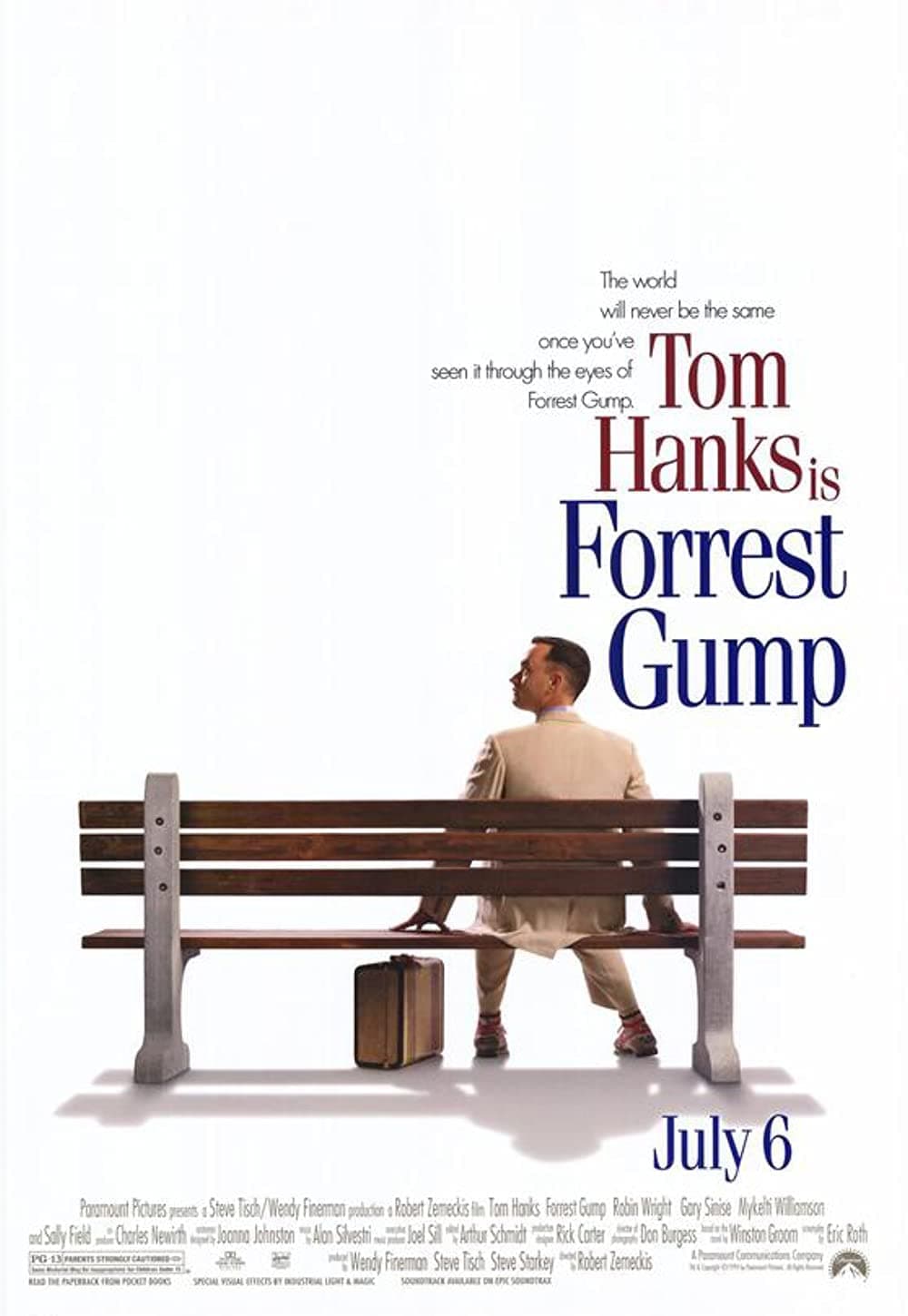
1994 // VHS
Forest Gump
A man on a bench who refuses to make history anything more complicated than a story worth telling.
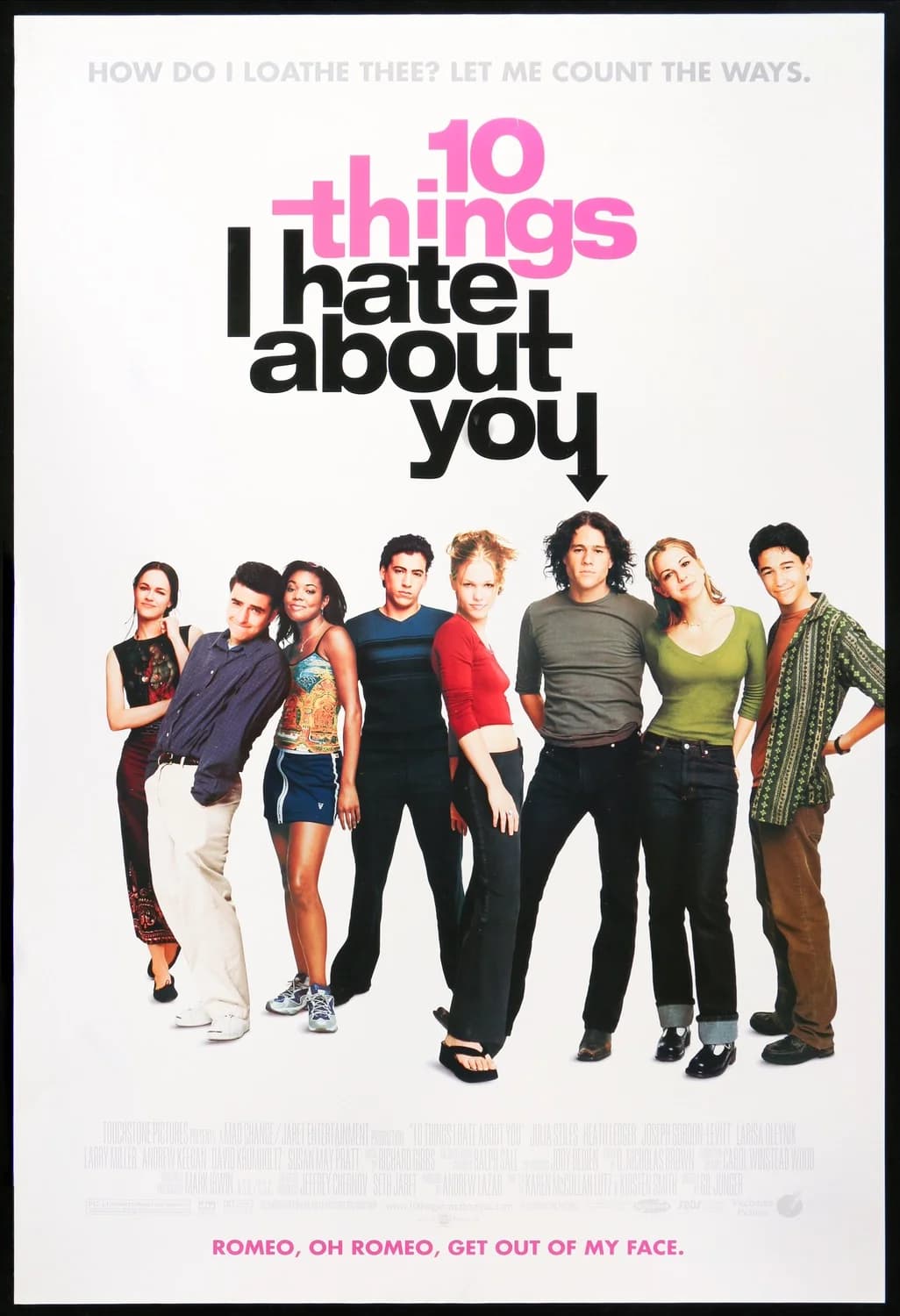
1999 // VHS
10 Things I Hate About You
Sibling rules, a rooftop serenade and one very stubborn Kat — Shakespeare in a school corridor.
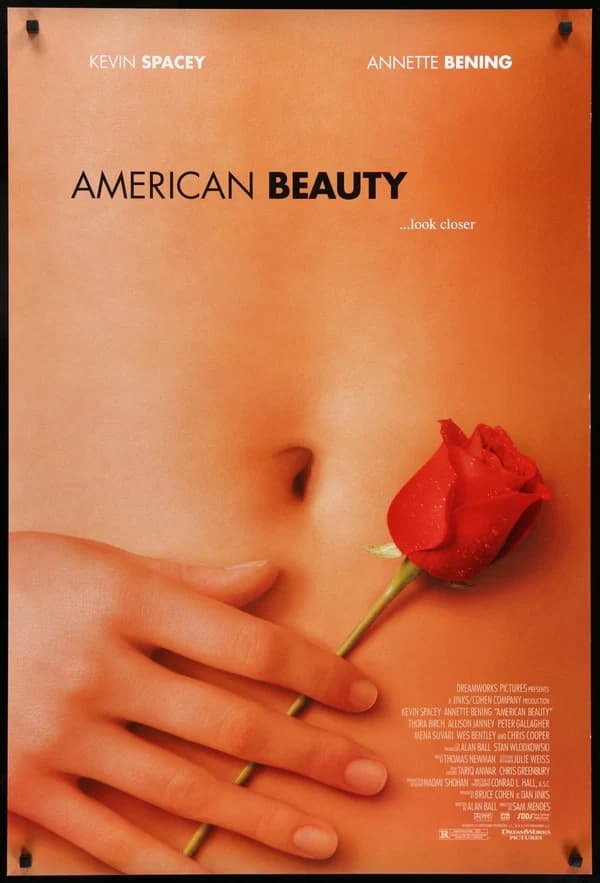
1999 // VHS
American Beauty
Lester Burnham, suburban rot and a midlife argument that still stings.