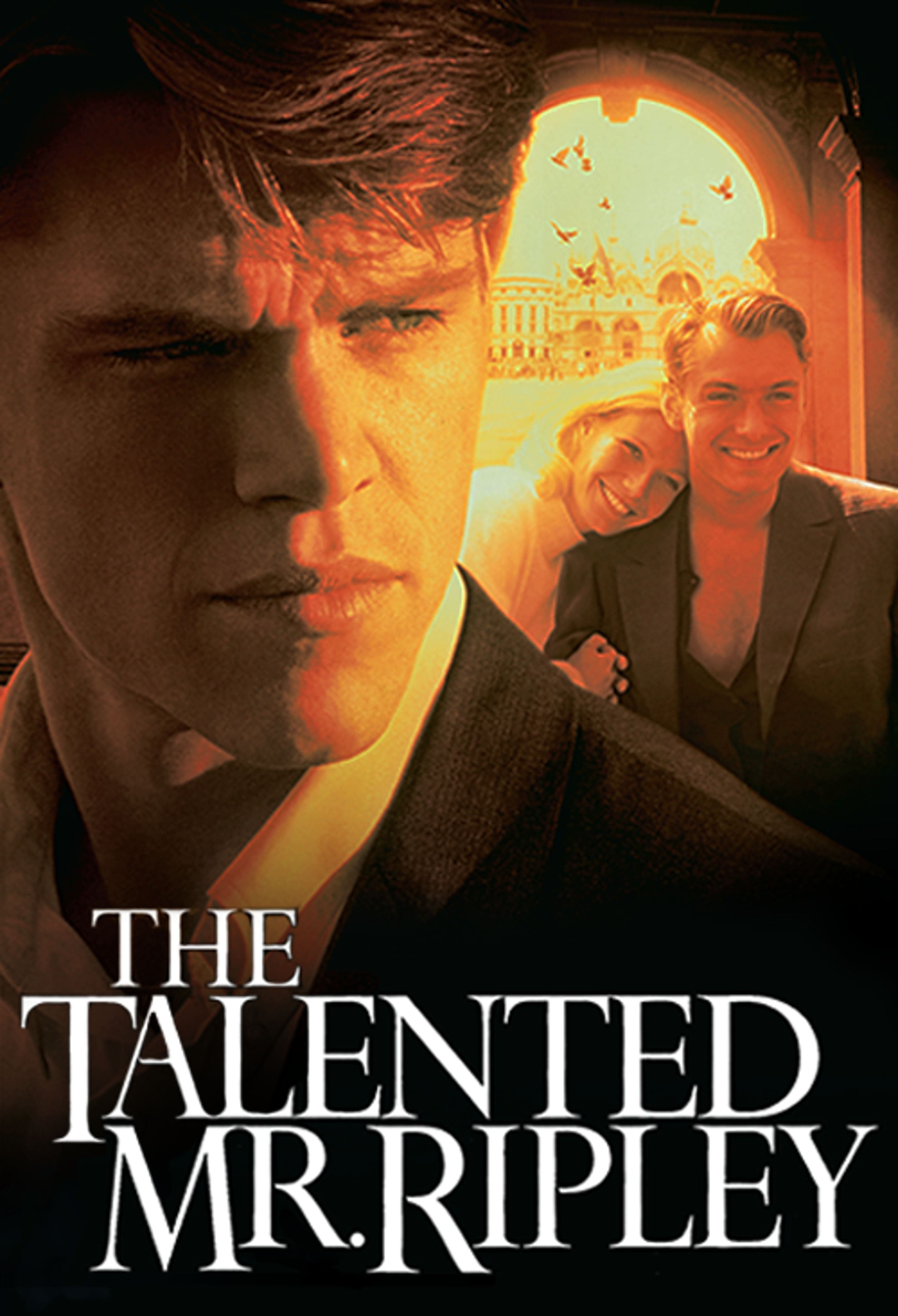
The Talented Mr. Ripley
A study in pretending: desire, envy and the many faces of Tom Ripley.
// The setup
PLAYBACK STARTED
Watch it again and one thing hits straight away: this is Matt Damon’s movie — or at least, it looks and sounds like a film built around a man excellent at becoming other people. Anthony Minghella took Patricia Highsmith’s chilly novel and stretched it into a late‑90s psychological chamber piece about class, cosplay and appetite. It still rewards an attentive watch.
THE MOVIE
Tom Ripley is still the reason this movie works
There are movies you remember for a single image or line. The Talented Mr. Ripley is the opposite: it lodges because of a premise that keeps shifting under your feet. It begins when a struggling young man called Tom Ripley — socially awkward, good at small cons — is mistaken for a Princeton alumnus and hired to go to Italy and fetch a rich man’s son home. That deal — money, expenses, the promise of belonging — is the tiny practical lie that sets everything larger in motion.
What Minghella does with that situation is patiently exam‑drive it. Tom’s not just a thief of possessions; he steals manners, signatures and accents. Impersonation, forgery and social mimicry are the film’s working tools: plot mechanics that double as character clues. That’s why the movie never feels like a standard whodunnit — it’s an anatomy of becoming someone else.
And then there’s the cast. Matt Damon as Tom Ripley opposite Jude Law’s affluent, careless Dickie Greenleaf (with Gwyneth Paltrow, Cate Blanchett and Philip Seymour Hoffman filling the social orbit) gives the film a combustible centre. Minghella wrote and directed this long, 139‑minute adaptation, and everything in it circles back to Ripley’s appetite — for money, manners and, crucially, a place in a life he envies.
THE SETUP
The idea that sets The Talented Mr. Ripley in motion
At its cleanest, the film hinges on a very particular kind of envy: Ripley watches Dickie Greenleaf’s privileged, carefree world and decides he wants in. That feeling — not simply greed, but a hunger to inhabit someone else’s life — is what gives the story its teeth.
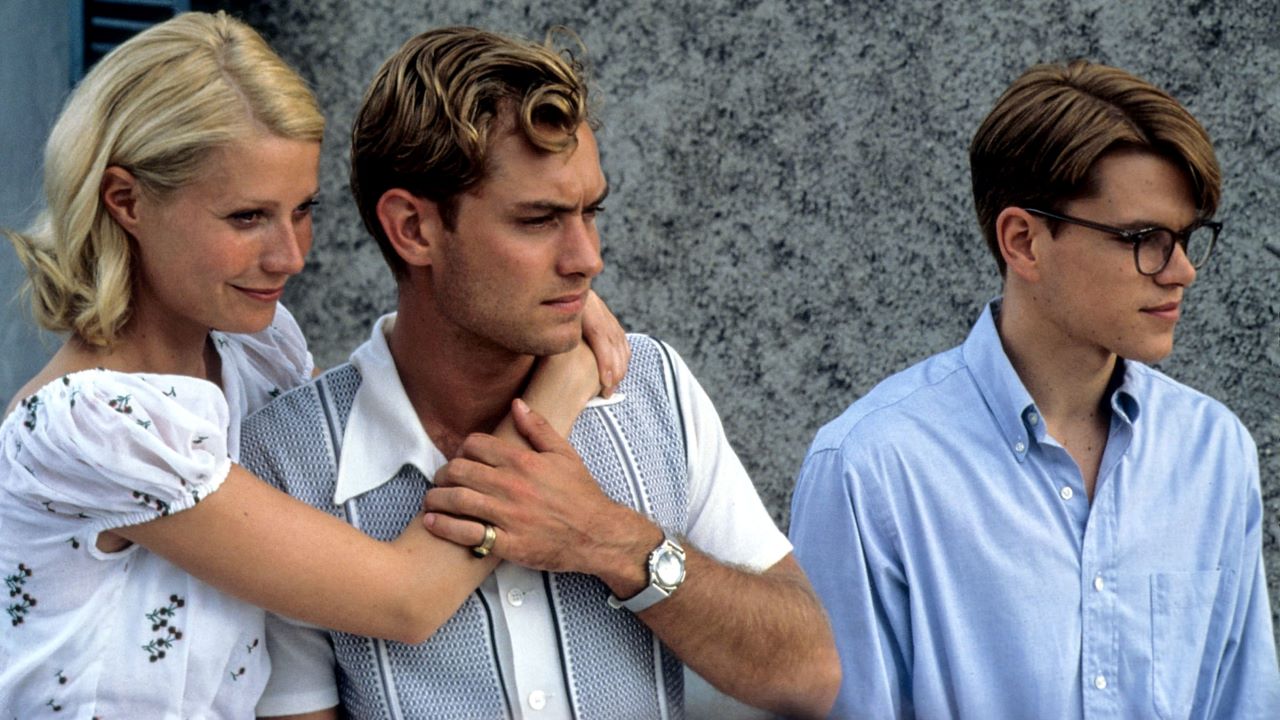
Practical tricks drive the drama. Ripley’s forgeries, his impersonations, the way he slips into social roles, aren’t just flashy plot devices; they’re how he advances, step by step, from outsider to intruder. Each small deception raises the stakes and forces him into the next, more extreme choice.
Because the mechanics of mimicry are written into the plot, the movie’s suspense comes less from mystery than from watching how far Ripley will go and whether the flimsiest lie will finally snap him. That tight coupling of method and motivation is why the setup keeps you watching rather than simply waiting for a twist.
THE CHARACTER
Why Tom Ripley matters
Tom Ripley matters because he is the film’s ongoing experiment in how far a person will trade authenticity for access. He starts off shaped by small, practical cons and a desperate wish to belong; those two things never leave him. They explain his decisions, even the ones that look monstrous on the surface.
Ripley’s awkwardness is part of the point. He’s not an obvious predator; he’s resourceful and adrift, someone who finds social masks more useful than frankness. The contrast with Dickie — privileged, charming and often casually cruel — creates the emotional friction that draws Ripley in and keeps him there.
Supporting figures matter because they give Ripley targets and mirrors. Freddie complicates Ripley’s attempts to pass as Dickie; Marge watches and slowly pieces things together. Together, these relationships turn impersonation from a trick into a tense, human drama: this isn’t just about stealing a name, it’s about stealing a life.
THE PERFORMANCE
Why Matt Damon's performance matters
Contemporary reviewers and later retrospectives made a point of noting that Damon was cast against type, and that casting shapes how you read Tom Ripley. Choosing someone not already coded as a villain keeps Ripley ambiguous: you’re never given permission to hate him outright, which makes his choices feel more unsettling.
That ambiguity is part of the film’s mechanism. If Ripley looked like a stock antagonist, the story would flatten into outrage. Instead, the casting invites the audience to watch a chameleon at work — someone technically gifted at performance, whose moral life is a slow unravelling.
UNDER THE SURFACE
The Talented Mr. Ripley has more on its mind than the plot suggests
Under the crime story, the film is obsessed with identity. Ripley’s life consists of masks: forged signatures, adopted manners, rehearsed letters. Those acts of impersonation say as much about who he wishes to be as they do about what he will do to get there.
Class envy is the engine. The movie shows that Ripley’s desire isn’t only for money but for the privileges, ease and social permission that come with Dickie’s world. That wanting makes his performances a form of survival — social acting is both his trade and, increasingly, his psyche.
There’s also a persistent, uneasy strand of desire. The relationships in the film — the way Ripley studies and imitates Dickie, how the social circle looks at them — open up questions of attraction that sit alongside the themes of impersonation and performance. Put together, the film becomes less a mystery and more a study of the lengths someone will go to be seen as someone else.
THE FILMMAKING
How The Talented Mr. Ripley was put together
This is a deliberate, composed film. The production credits tell you something about that: John Seale is the cinematographer and Walter Murch handled the editing, names that flag technical ambition. Those choices give Minghella the tools to pace silences and to let Ripley’s small acts feel consequential.
Location work is another obvious decision. The story unfolds in Italy and New York, and production design plus on‑location shooting recreate the 1950s settings the plot needs. That combination — real places stitched with staged sets — helps make the social world Ripley wants to join feel convincing rather than merely decorative.
Put simply: the filmmaking supplies a patient rhythm that suits a film about mimicry. It gives space for detail, and lets character beats breathe long enough for you to feel how a forged letter or a changed name can alter a life.
PURE 80S
The Talented Mr. Ripley could not belong to any other decade
Released at the tail end of 1999, Minghella’s film sits in a specific late‑90s moment. It followed his success with The English Patient and arrived when mainstream cinema was more willing to handle queer subject matter with visibility and debate.
That context matters because Minghella’s choices — expanding characters, foregrounding tenderness next to amorality — were part of a broader conversation about representation at the time. The film both benefited from and contributed to that late‑decade willingness to make complex, ambiguous queer stories visible on a larger stage.
So while the story itself is set in the 1950s, the movie’s temperament — the decision to deepen certain relationships and keep Ripley emotionally legible — feels very much of the late‑1990s: patient, invited to discuss, and willing to let discomfort sit on screen.
WATCHING IT NOW
What has aged — and what hasn't
One thing that still starts interesting conversations is Minghella’s choice to broaden some characters and to show Ripley’s tenderness alongside his amorality. Modern commentary often flags those decisions as reasons the film keeps generating debate — they complicate simple condemnations and make Ripley a more puzzling figure.
The Ripley stories haven’t stopped being adaptable. A later, multi‑episode adaptation in 2024 brought the novels back into discussion and reminded viewers that Highsmith’s material survives reworking. That recurring attention suggests the core questions — identity, envy, desire — remain provocative for new audiences.
All of which means the film’s strengths age differently: the plot mechanics and character expansions still provoke thought, while the conversation around those choices grows every time the character is reimagined.
THE LEGACY
Why The Talented Mr. Ripley still matters
The film’s awards season recognised its ambitions: it received five Academy Award nominations, including for Jude Law and Gabriel Yared, and Law won a BAFTA for Best Supporting Actor. Those nominations flag the movie’s craft and the attention it drew on release.
But the longer afterlife is less about trophies and more about conversation. The picture remains a frequently cited adaptation of Highsmith’s Ripley novels and continues to be discussed in retrospectives focused on queer representation and the slipperiness of identity in cinema.
Finally, the fact that filmmakers keep returning to Ripley — including the 2024 series — speaks to the character’s durability. The 1999 film is one of the versions that keeps those conversations alive: it’s often the adaptation people point to when talking about performance, desire and impersonation on screen.
THE VERDICT
Does The Talented Mr. Ripley still hold up?
Yes — but with a rider. If you watch for a pure crime thriller you might find the pace deliberate; the film’s priorities are psychological and social rather than strictly plot twists. If you go in wanting to study impersonation as character work — how forgery, mimicry and small cons accumulate into life‑altering choices — the movie remains absorbing.
Matt Damon’s Ripley is the axis everything turns on: a man presented as awkward and resourceful, whose desire to belong to a wealthy life propels the story. The emotional friction with Jude Law’s privileged Dickie, the watchful Marge and the suspicious Freddie gives the film its steady pressure. Minghella’s direction, the technical credits and the choice of locations all serve that pressure, not spectacle.
So, should you watch it today? If you’re curious about identity, performance and the peculiar cruelty of class envy, it’s worth a watch. The Talented Mr. Ripley asks you to sit with an uncomfortable, complicated central figure — and it still knows how to make that sitting worthwhile.
Share this movie
// Keep watching
More movies from the 90s
If The Talented Mr. Ripley is your kind of movie, there's plenty more on the shelves worth rewinding.
1999 // VHS
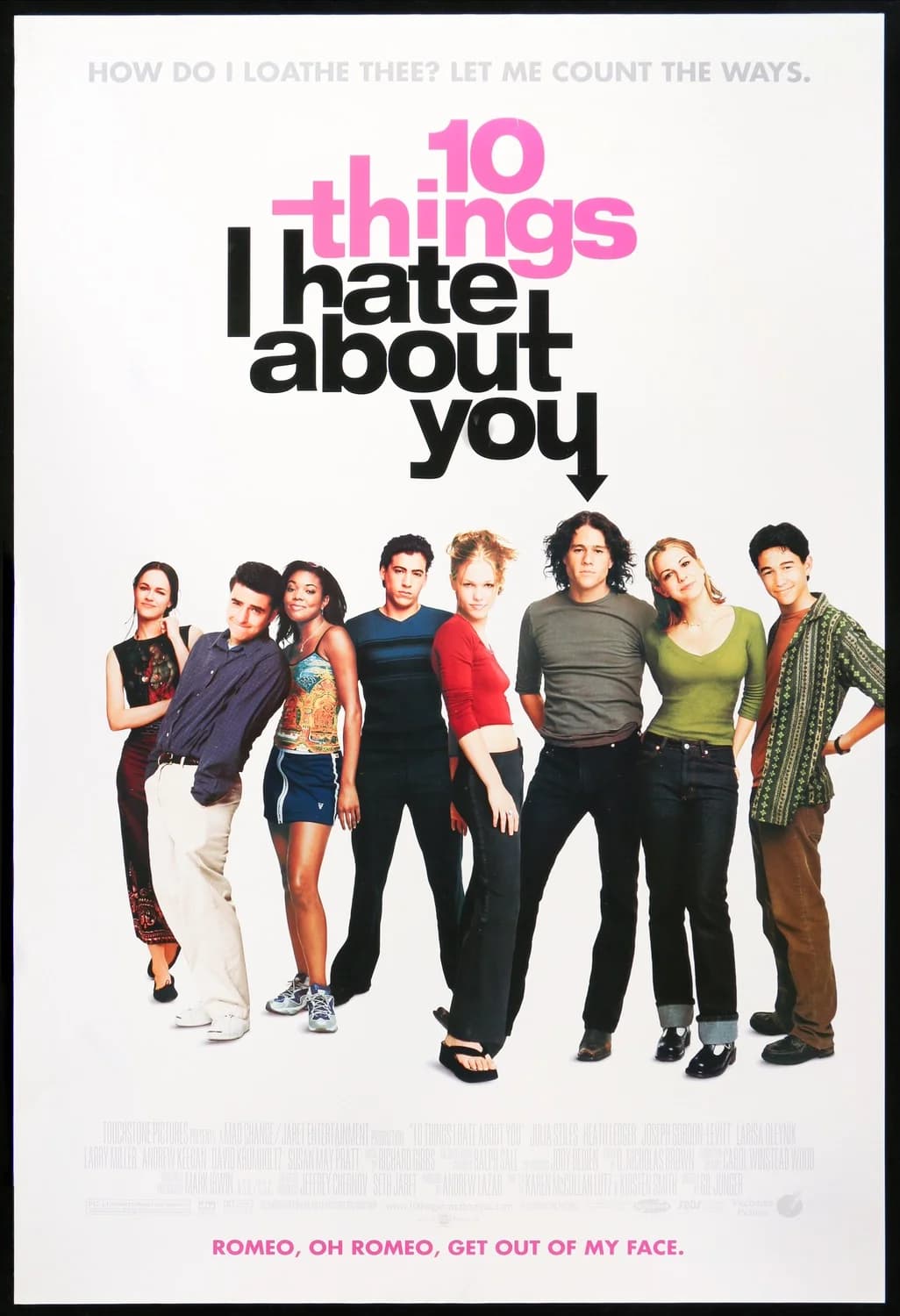
10 Things I Hate About You
Sibling rules, a rooftop serenade and one very stubborn Kat — Shakespeare in a school corridor.
1999 // VHS
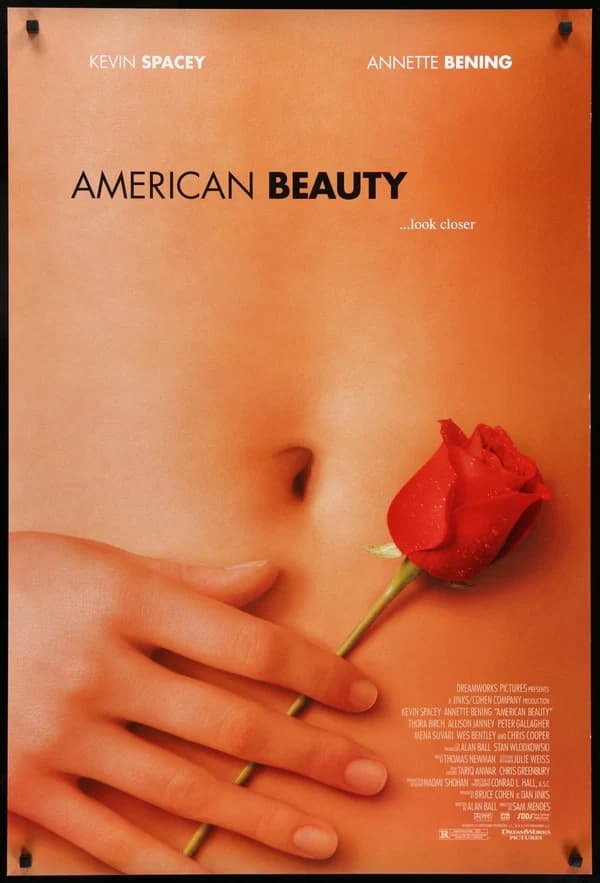
American Beauty
Lester Burnham, suburban rot and a midlife argument that still stings.
1999 // VHS
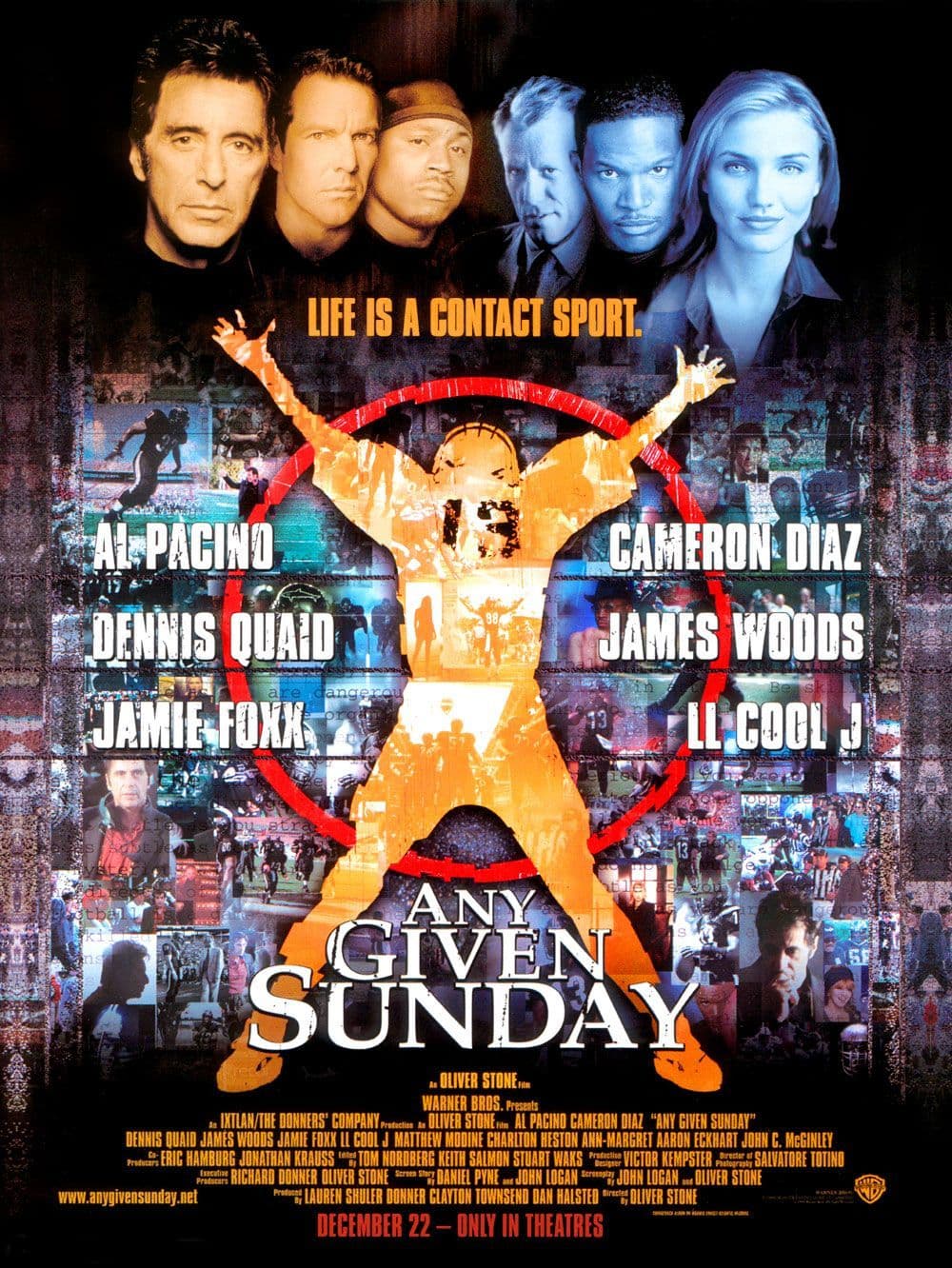
Any Given Sunday
Al Pacino's coach anchors the chaos of a film about football turned into product — loud, messy and oddly persuasive.