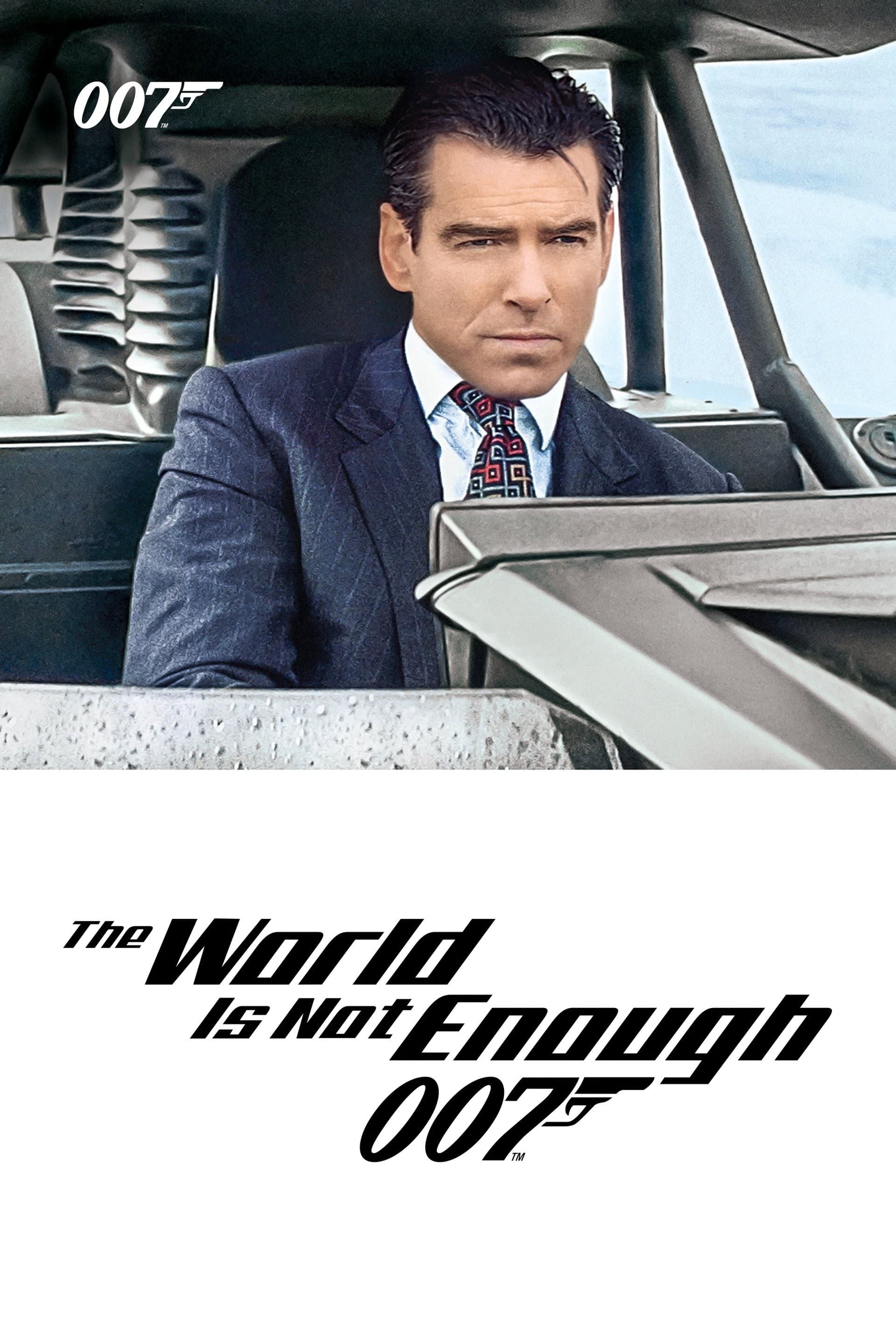
The World Is Not Enough
Oil, betrayal and a Bond who still matters — 1999's globe-trotting thriller with a surprising emotional sting.
// The setup
PLAYBACK STARTED
The World Is Not Enough lands somewhere between a classy spy picture and a late-90s action movie that has its own peculiar teeth. Directed by Michael Apted and carrying Pierce Brosnan's third turn as Bond, it ties a personal story to an oil pipeline conspiracy — and, oddly for a franchise so fond of gadgets, it spends a lot of time on who can be hurt and who can't.
THE MOVIE
James Bond is still the reason this movie works
People still talk about The World Is Not Enough because it gives you a proper Bond movie: a field agent on a protective assignment who is drawn into something bigger, twice as dangerous and wrapped in personal stakes. Here, Bond is sent to protect Elektra King after her father, Sir Robert King, is killed — and that protective job turns into an investigation tied to an 800-mile oil pipeline running from Azerbaijan to the West.
That oil pipeline is not window-dressing. Energy geopolitics and control of natural resources drive the plot; the film turns international stakes into something that feels urgent and, at times, quietly cruel. Michael Apted directs a picture that mixes espionage tradecraft with big-set pieces and emotional doubles — a Bond film that wants to be both globe-trotting and personal.
It helps that Pierce Brosnan is in the middle of it as MI6’s field agent. The film runs a tidy 128 minutes and assembles a familiar cast around him — Sophie Marceau, Robert Carlyle, Denise Richards, Judi Dench and Desmond Llewelyn among them — which allows the movie to move between intelligence work and full-throttle action without losing its centre.
THE SETUP
The idea that sets The World Is Not Enough in motion
The film’s engine is simple and neat: Bond is assigned to protect oil heiress Elektra King after the killing of her father, Sir Robert King. That assignment — meant to be containment and care — becomes an investigation that opens into a much larger conspiracy linked to vital oil infrastructure.
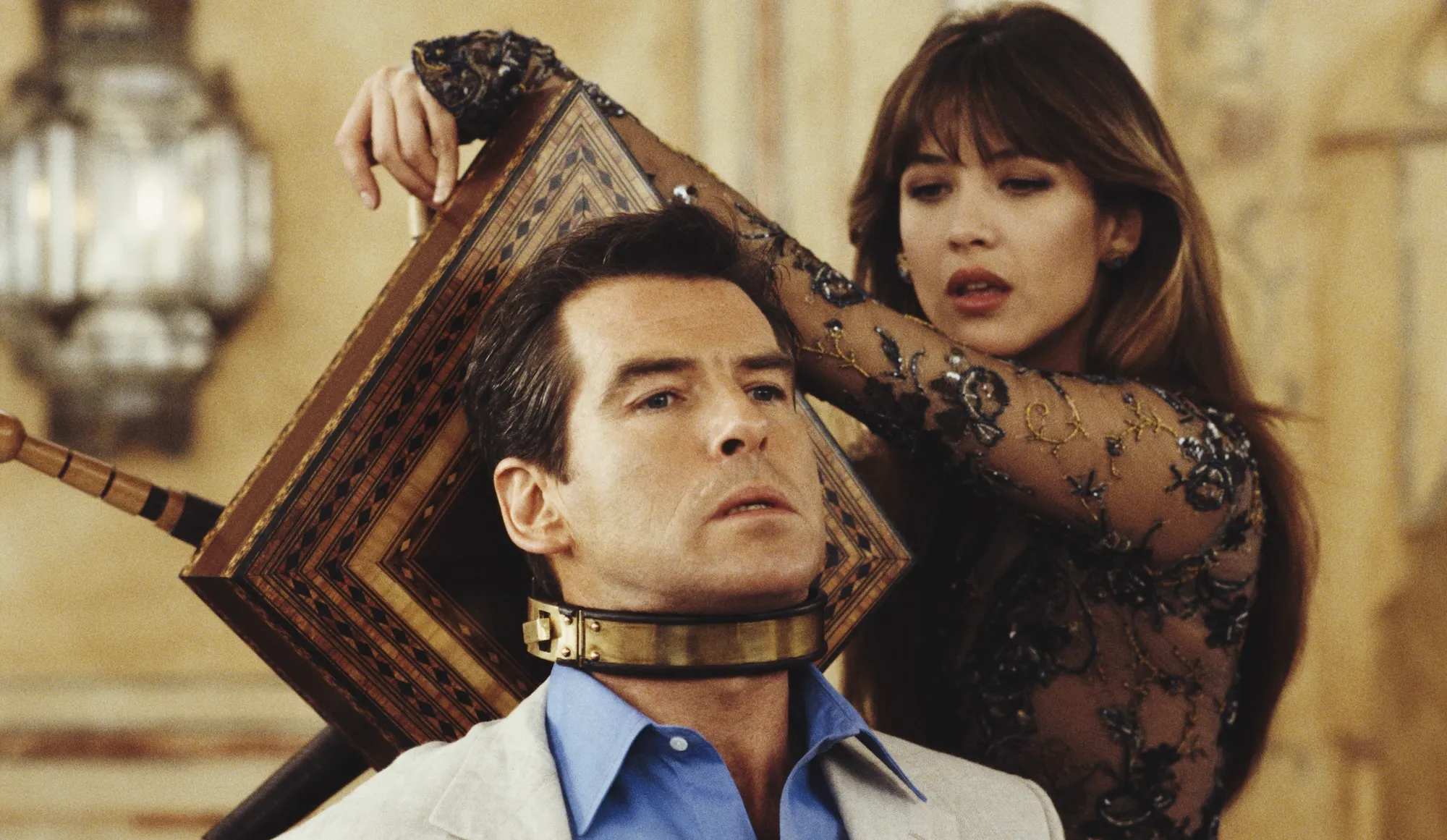
At the centre of the trouble is Renard, a freelance terrorist whose schemes aim at seizing control of the pipeline and sabotaging related infrastructure. That gives the story a geopolitical spine: this is not just villainy for villainy’s sake, but a plot with clear, strategic consequences for energy control.
Tonally The World Is Not Enough follows a reliable Bond pattern: intelligence-cued openings that rise into big set-piece action. The picture supplies a long pre-title sequence, a high-speed Thames boat chase and a skiing pursuit in the Alps — each set piece escalating the stakes while keeping that pipeline conspiracy in the background.
Crucially, the investigation isn’t all dry procedure. There are operative betrayals and double-crosses around Elektra King, which keeps the movie’s suspense personal as well as political. The simple setup — protection becomes probing — gives the film both momentum and a reason to keep the audience guessing.
THE CHARACTER
Why James Bond matters
Bond matters here because he is the pivot between two kinds of story: the geopolitical and the personal. Pierce Brosnan’s Bond arrives as MI6’s field agent on a protection detail, and the film watches him move from duty to investigation as his relationship with Elektra King complicates his choices.
That personal attachment gives otherwise procedural scenes a charge. Bond isn’t simply defusing bombs or chasing bad guys; he’s dealing with someone whose vulnerability — and the mystery around it — pulls at him. That tug is the movie’s emotional lever and it makes Bond feel less like an invincible machine and more like a man whose professional instincts and personal responses are entangled.
The film also keeps a useful ensemble around him. Figures like Valentin Zukovsky operate in that grey area between ally and underworld contact, stepping in at pivotal moments and reminding us that Bond exists within a world of tradecraft and uneasy loyalties.
Taken together, Bond’s role in the story — protector turned investigator, the man who lets the case get under his skin — is what keeps the movie moving. Without that central throughline, the geopolitics and stunts would feel less intimately connected to character.
THE PERFORMANCE
Why David Calder's performance matters
David Calder appears as Sir Robert King, the oil magnate whose assassination is the inciting moment that drags MI6 into the pipeline conspiracy. The role’s importance is structural: his fate converts private wealth into public crisis, and that single event flips Bond from protector to investigator.
There isn’t a large contemporary conversation singled out in the film’s press about Calder’s individual turn. At release, attention clustered on other casting choices — Sophie Marceau’s Elektra King received praise in many reviews, while Denise Richards as Dr Christmas Jones attracted criticism — which means Calder’s role often reads as the plot’s necessary shove rather than a headline-grabbing performance.
That said, a short, weighty role like Sir Robert King performs a useful job in the story economy: it provides motive, causes immediate fallout and gives the movie a human hinge to swing the larger geopolitical machinery into motion.
Desmond Llewelyn’s final theatrical appearance as Q is another reminder that the film sits at a particular moment in Bond history, one in which small but significant performances carry extra weight.
UNDER THE SURFACE
The World Is Not Enough has more on its mind than the plot suggests
On the surface the movie is a spy thriller about sabotage and an oil pipeline. Underneath, it stages a set of contrasts: physical vulnerability versus emotional vulnerability is one of them. Renard’s strange inability to feel pain plays against scenes of manipulation where people’s hearts and loyalties are the true territory to be taken.
Energy geopolitics are more than backdrop here. Control of natural resources isn’t an abstract villainy; it’s the engine that gives the conspirators leverage. The film asks, without sounding preachy, who profits and who suffers when infrastructure becomes a bargaining chip.
Betrayal and manipulation thread through the relationships: what looks like care or romance can conceal calculation. Technology and tradecraft — the gadgets and the spy-craft Bond relies on — are present, but they share space with the film’s recurring human questions about trust, injury and control.
All of which makes the movie feel slightly more thoughtful than a straight action picture. The pipeline plot gives it geopolitical teeth, while the betrayals make the stakes feel, oddly, personal.
THE FILMMAKING
How The World Is Not Enough was put together
Michael Apted directed with a steady professional crew behind him: Adrian Biddle is credited as director of photography, Jim Clark as editor and Peter Lamont as production designer. That kind of seasoned team gives the film a recognisable Bond sheen — capable hands smoothing the transitions between quiet investigative moments and full-throttle action.
Producers Michael G. Wilson and Barbara Broccoli steered a production that could balance contemporary geopolitical themes with franchise staples. The result is a film that feels constructed by people who know exactly how to build a Bond film: careful scripting, clear staging and an eye for physical set pieces that escalate without losing narrative purpose.
In short, the filmmaking here is competent and designed to serve the story’s two ambitions — espionage detail and blockbuster spectacle — rather than call attention to itself.
If you want to know why the movie rarely stumbles from scene to scene, the answer is in that experienced, franchise-savvy crew.
PRACTICAL EFFECTS
The effects work that gives The World Is Not Enough its physical personality
This Bond leans on big, practical stunt work. The production staged a long pre-title action sequence, a high-speed boat chase on the Thames and on-location ski chases at altitude — physical stunts that keep the thrills immediate and tactile.
The stunt and second-unit teams were led by established Bond professionals; Vic Armstrong is credited as second unit director and Simon Crane among the stunt leads. That experience shows: the action reads as the work of people who have done — and know how to safe-guard — complicated, dangerous sequences.
Miniature and physical special-effects teams also had a hand in shaping the movie’s action vocabulary. Purpose-built devices — from a jet-powered Q-boat to other vehicle effects — are present alongside traditional stunt craft, giving the film a clear physical personality rather than an entirely digital one.
All of which means the movie’s action often feels like real people doing risky things in real places — and Bond is, at its best, all about that kind of risky, hands-on spectacle.
PURE 80S
The World Is Not Enough could not belong to any other decade
Released in 1999, the film arrives at the tail end of the 1990s Bond revival cycle. It’s the nineteenth Eon Bond film and Pierce Brosnan’s third outing as 007 — comfortably situated in a period when the series was finding ways to marry franchise tradition with contemporary anxieties.
That late-90s positioning matters. The production and marketing reflect a trend of the era: Bond films combining high production values and contemporary geopolitical themes with series trademarks — gadgets, exotic locales and large set-piece stunts.
David Arnold’s continued involvement on the score ties the movie to its Brosnan-era siblings, creating a through-line across these late-90s entries. The World Is Not Enough feels like part of a specific, self-aware Bond moment rather than a standalone relic.
In short, this is Bond made at the end of a decade that liked its blockbusters big and its themes anchored in real-world tension — which is exactly what this film attempts to do.
THE LEGACY
Why The World Is Not Enough still matters
Part of the film’s afterlife is simply positional: it was followed by Die Another Day, and it’s a clear chapter in the Pierce Brosnan-era run. That continuity keeps it on the map for anyone revisiting late-90s Bond.
Musically, David Arnold’s score and the title song — co-written with Don Black and performed by Garbage — are part of the film’s identity. Arnold’s continued involvement with Bond helps link this entry sonically to what came before and after.
There’s also a poignant footnote: Desmond Llewelyn’s appearance in the film is his final theatrical performance as Q; he died in December 1999 shortly after release. That fact gives the film a bittersweet place in franchise memory, since Llewelyn had been a through-line for generations of Bond films.
Between its music, its place in the Brosnan cycle and that final appearance by Llewelyn, The World Is Not Enough keeps turning up in conversations about the era — not because it reshaped the franchise, but because it marks a clearly definable moment in its history.
THE VERDICT
Does The World Is Not Enough still hold up?
Yes — but with a qualifier. If you want a Bond film that mixes geopolitical teeth with personal drama, this one delivers: the assassination of Sir Robert King drags Bond into an investigation that links an 800-mile oil pipeline to a freelance terrorist’s plot, and those stakes keep the film narratively focused.
The movie supplies the expected pleasures — a long pre-title sequence, a Thames boat chase and a high-altitude ski chase — and it uses the established Bond formula of intelligence work that escalates into spectacle while staying attached to geopolitically sensitive infrastructure.
What may divide viewers is the cast and how certain performances landed at the time. Sophie Marceau’s Elektra King was widely praised in contemporary reviews, while Denise Richards’ casting as Dr Christmas Jones drew criticism; those reactions shape how some audiences receive the film now.
If you like Bond as both a globe-trotting trouble-shooter and a man capable of being misled and emotionally moved, The World Is Not Enough is worth revisiting. It may not be the definitive Brosnan Bond, but its mixture of pipeline intrigue, double-crossing and a surprisingly personal core give it a particular flavour that still works.
Share this movie
// Keep watching
More movies from the 90s
If The World Is Not Enough is your kind of movie, there's plenty more on the shelves worth rewinding.
1999 // VHS
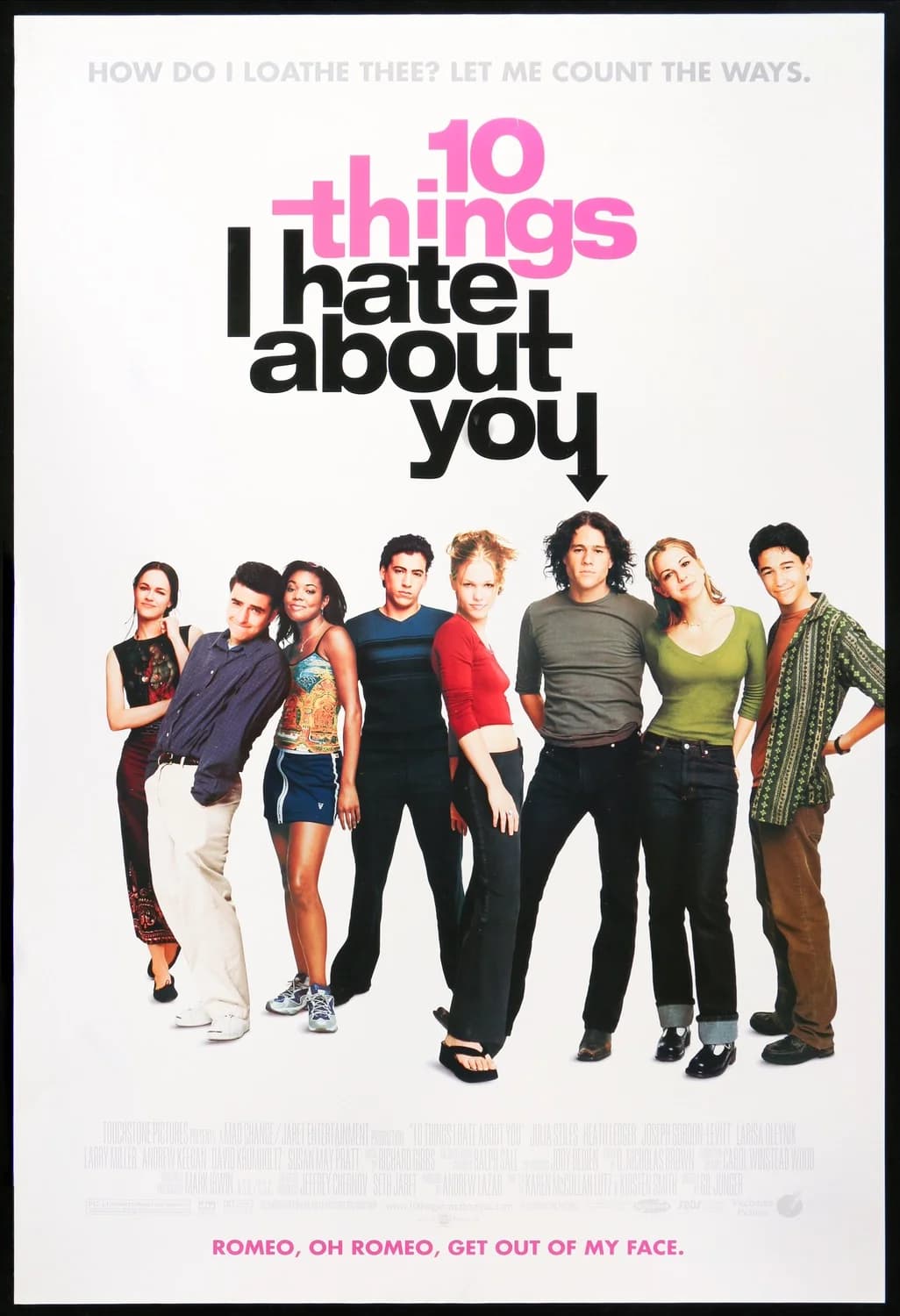
10 Things I Hate About You
Sibling rules, a rooftop serenade and one very stubborn Kat — Shakespeare in a school corridor.

1999 // VHS
American Beauty
Lester Burnham, suburban rot and a midlife argument that still stings.
1999 // VHS
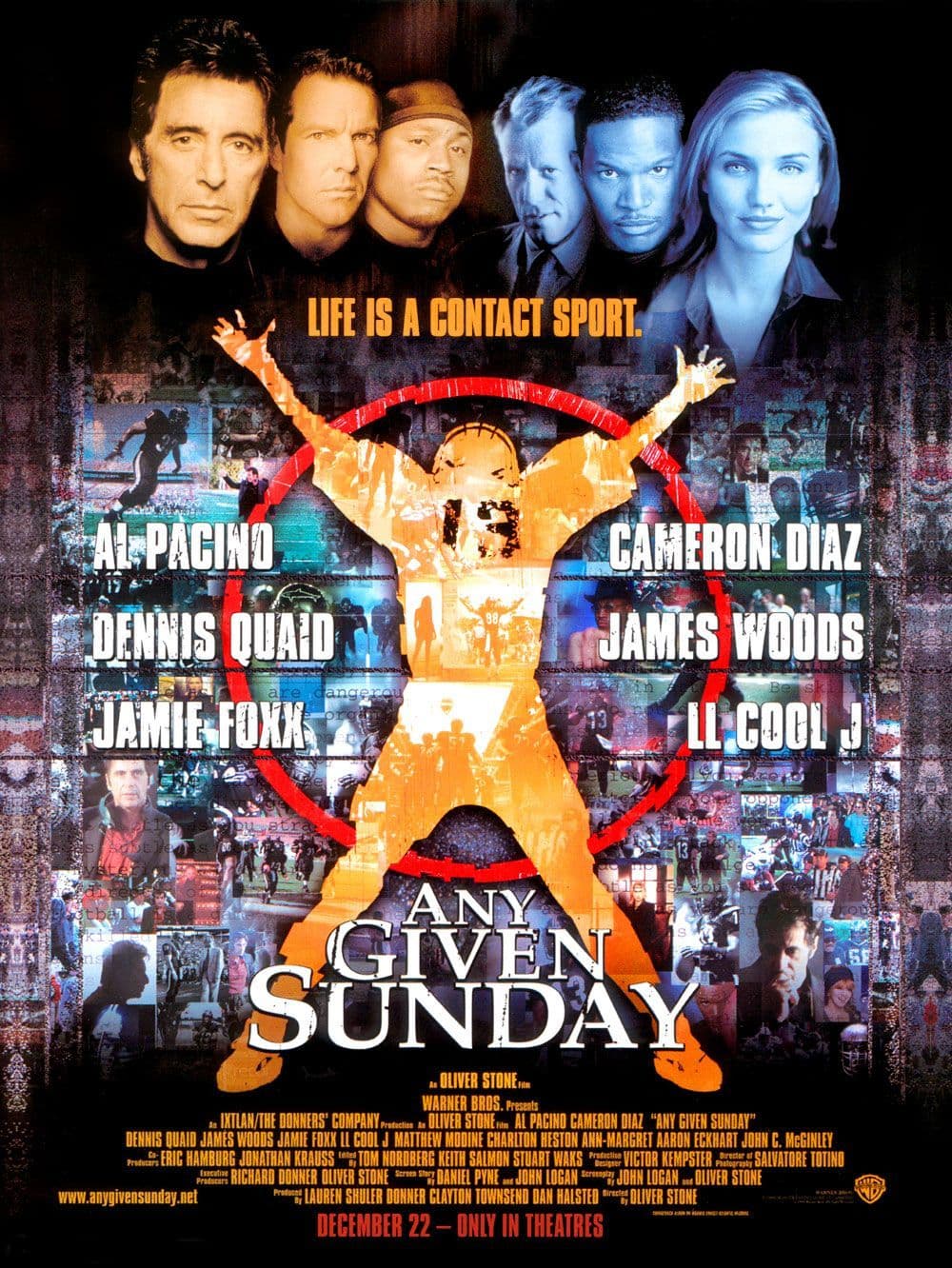
Any Given Sunday
Al Pacino's coach anchors the chaos of a film about football turned into product — loud, messy and oddly persuasive.