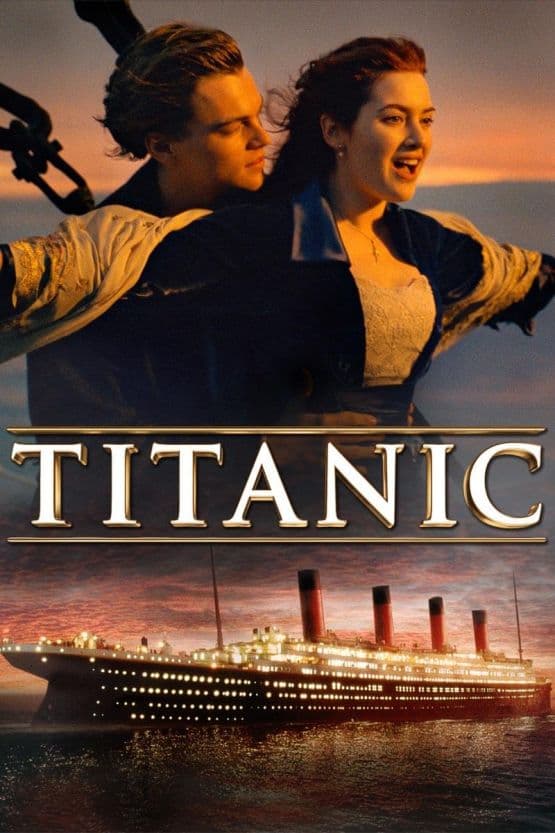
Titanic
A ship, a diamond and a boy who refuses to play by the rules — Jack Dawson still steers this story.
// The setup
PLAYBACK STARTED
Titanic is easiest to think of as two movies in one: a present-day treasure hunt that unearths a piece of paper, and a 1912 love story that uses a sinking liner as its backdrop. James Cameron holds those halves together with a simple idea — a cross-class romance whose stakes are raised by history — and it’s the way the film leans on that single relationship that keeps people returning.
THE MOVIE
Jack Dawson is still the reason this movie works
When people talk about Titanic they reach for the obvious: the iceberg, the scale, the song. But the engine that actually makes the film move is much smaller and simpler — a drawing, a memory and the man who steps in to stop a young woman's suicide.
Cameron frames the whole thing with a present-day treasure hunt that finds a nude sketch of a woman wearing the 'Heart of the Ocean', and that discovery is what allows the elderly Rose to tell the story that follows. The flashback centres on Rose, trapped by wealth and an engagement, and Jack, a penniless artist who literally won his ticket in a card game.
That set-up—class crossing, an insistently romantic plot and a looming disaster—gives Titanic its personality: equal parts melodrama and spectacle, running to a near three-and-a-half-hour runtime under Cameron’s direction.
THE SETUP
The idea that sets Titanic in motion
Titanic doesn’t start with romance; it starts with evidence. A salvage team dredges up a drawing and the present-day MacGuffin — a blue diamond — and that discovery is the excuse for an old woman to speak. From her recollection we jump back to 1912.
In that flashback Rose is a seventeen-year-old first-class passenger suffocating under expectation and an engagement; Jack is a third-class itinerant artist who won his passage at cards. Their meeting is blunt and simple: Jack saves Rose from a moment of crisis, and their relationship grows from that rescue.
What the film does next is splice two engines together. On one track you have a personal story about crossing class boundaries and choosing freedom. On the other you have a disaster film: the Titanic strikes an iceberg and the sinking interrupts, shapes and finally settles the lovers’ story.
The present-day plot — the search for the 'Heart of the Ocean' — gives the whole enterprise a documentary-ish frame, so the film is always conscious that a memory is being examined rather than simply lived again.
THE CHARACTER
Why Jack Dawson matters
Jack is not complicated. He’s an itinerant artist who cares about living and about keeping Rose safe; there’s no plot about inheriting fortunes or securing social standing. That lack of ulterior motive is why he functions as the film’s emotional lever.
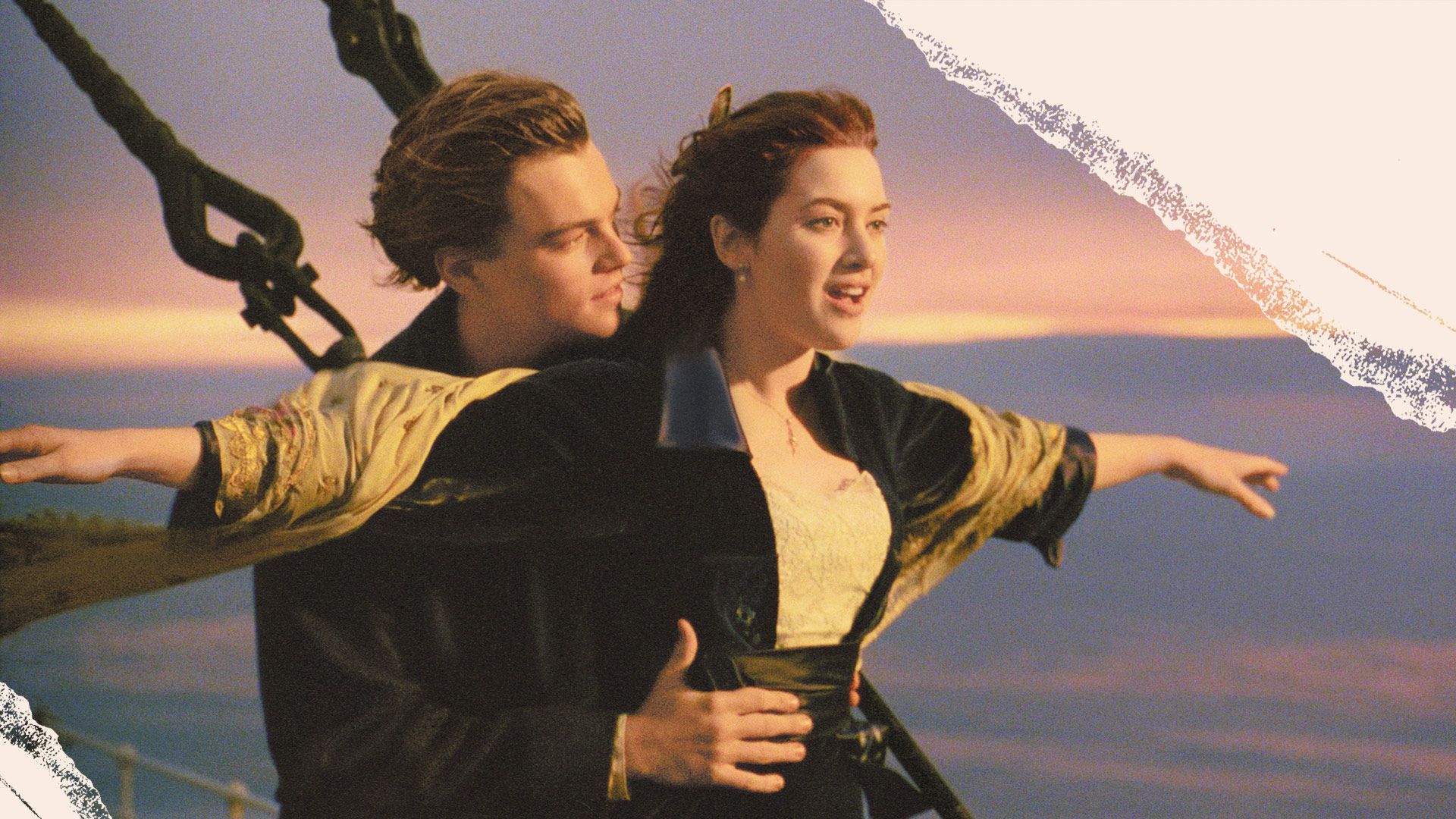
His arrival into Rose’s life is physical and decisive: he prevents her suicide and refuses to play by the ship’s invisible rules. That single act propels everything that follows — the crossing of class lines, the intimacy and the choices both characters make.
As a device, Jack allows the film to be both wide and intimate. He’s small enough to fit inside a melodrama but open-ended enough to carry the audience through the Titanic’s escalating calamity.
And crucially: the drama that matters is the one between him and Rose, not the puzzle of a diamond or any technical feat. Jack gives the audience someone to care about while the ship does its terrible work.
UNDER THE SURFACE
Titanic has more on its mind than the plot suggests
On the surface Titanic is a romance and a disaster. Underneath it’s playing with a handful of sturdy ideas: class friction, how stories are remembered, and what happens when human confidence meets an unyielding natural force.
Class conflict is baked into every scene: the very notion that Jack and Rose belong to different worlds drives much of the film’s tension and the choices its characters make. The ship is a floating social order and the romance is a deliberate transgression.
Memory matters too. The older Rose’s testimony frames the action, which turns the voyage into a narrated event rather than objective history. That framing keeps the movie aware that we’re watching a personal account shaped by time.
Finally, the disaster sits as an indictment of hubris. The spectacle of the sinking and the subsequent loss are not mere effects; they are the necessary catastrophe that tests the intimacy and convictions the romance has created.
THE FILMMAKING
How Titanic was put together
Titanic is unmistakably a James Cameron picture in its ambition: it’s directed, written and co-produced by him, and he assembled a team that could carry a vast technical burden. The film credits Russell Carpenter as director of photography and names James Horner as composer, with editing shared between Conrad Buff, Cameron and Richard A. Harris.
That crew choice matters because the movie constantly shifts scale — intimate conversations require the same rigour as huge set pieces — and those transitions need a steady hand behind camera, score and cut.
Cameron also brought an appetite for engineering problems: the production combined modern technical approaches with old-fashioned filmmaking instincts, which gives Titanic a particular identity as both a mechanical and human project.
Put bluntly, many of the film’s decisions are shaped by a director who thinks in blueprints as much as in character beats; the technical choices are in service of both spectacle and story.
PRACTICAL EFFECTS
The effects work that gives Titanic its physical personality
Titanic leans on heavy-duty physical work rather than purely digital trickery. The production built full-sized interiors on hydraulic platforms that could be flooded and tilted to sell the sensation of a sinking ship.
For the exterior moments the team constructed a near-full-size ship set for on-water photography, and the same hydraulics were used to manipulate those structures during the sequence where the vessel goes down.
The film also brought back material from the real wreck: deep-ocean footage was shot using manned Mir submersibles and custom camera housings adapted for 35mm, and that footage is threaded into the contemporary salvage framing.
All of that practical rigging gives the sinking a tactile, physical personality — the ship isn’t simply imagined as breaking; the production makes the world creak under its own weight.
PURE 80S
Titanic could not belong to any other decade
By 1997 big-budget, director-led spectacle was a recognisable breed, and Titanic sits at the peak of that trend. Its enormous production costs and worldwide performance helped define the late-1990s appetite for large-scale filmmaking.
The picture also blends historical drama with contemporary technical methods: it used large practical constructions while integrating modern effects, which is very much of its era — an attempt to have the tactile and the new at once.
Because it was both a box-office event and a director’s showpiece, Titanic helped mark a moment when singular filmmakers could still command blockbuster-sized projects, making it feel very specific to the late 1990s.
WATCHING IT NOW
What has aged — and what hasn't
Some aspects of Titanic remain structurally sound. The basic story — a seventeen-year-old first-class passenger falling for a poor artist who won his ticket in a poker game — still holds emotional logic: it’s obvious why those lives would collide and why the collision would matter.
The inciting moment — Jack preventing Rose’s planned suicide — is simple and strong, and it still works as the pivot that makes their relationship credible within the melodramatic frame.
The film’s awards success and continued presence in cultural conversation underline that many of its choices landed: it received fourteen Academy Award nominations and won eleven Oscars, including Best Picture and Best Director, which speaks to how contemporaries judged its craft.
That said, the film’s length and occasionally broad melodrama can feel like a product of its time; it asks a modern viewer to buy into extended romantic gesturing before the ship’s practical crisis arrives.
THE LEGACY
Why Titanic still matters
Part of Titanic’s afterlife is obvious and evidence-backed: the film’s awards haul — fourteen nominations and eleven wins at the Academy Awards, including Best Picture and Best Director — cemented its reputation among contemporaries.
Institutional recognition followed: in 2017 the Library of Congress selected Titanic for inclusion in the National Film Registry, which records a measure of cultural and historical significance.
On a simpler level, the movie elevated its leads into international visibility. Contemporary and later accounts credit the picture with significantly raising Leonardo DiCaprio and Kate Winslet’s profiles, which has kept the film in the conversation through re-releases and home-viewing.
THE VERDICT
Does Titanic still hold up?
Short answer: yes — if you accept what the movie asks of you. It asks for patience, for generosity towards melodrama and for attention to a love story that is deliberately placed inside an historical catastrophe.
Cameron’s framing device — a salvage crew finding the drawing of the 'Heart of the Ocean' — keeps the film aware of memory and testimony, and the older Rose’s narration reminds us we are witnessing a personal retelling rather than a detached documentary. That perspective gives the romance a reason to be so central.
The pivot that sells the relationship is simple and persuasive: Jack prevents Rose’s suicide and, from that moment, their cross-class intimacy becomes believable in a melodramatic register. The romance is always in tension with the larger calamity—the ship striking an iceberg and the subsequent sinking—which the film stages as a technical climax that physically breaks the vessel using tilting sets, water stages and visual techniques.
If you’re curious whether Titanic still rewards a watch, it does, because its central human engine — the choice to care for one another in the face of catastrophe — remains persuasive. It’s a long film that wears its heart on its sleeve, and that combination of spectacle and small human defiance is still worth the voyage.
Share this movie
// Keep watching
More movies from the 90s
If Titanic is your kind of movie, there's plenty more on the shelves worth rewinding.
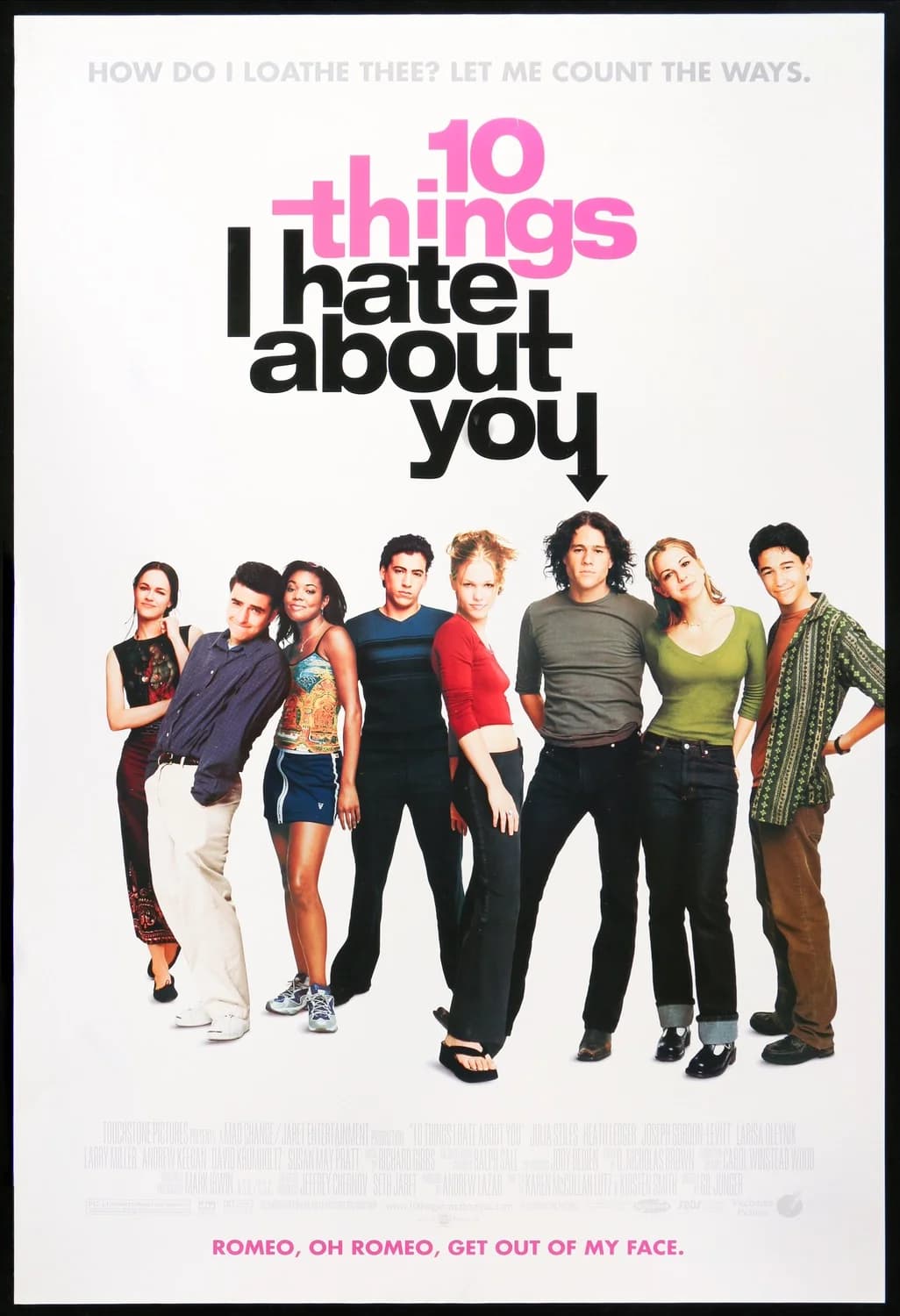
1999 // VHS
10 Things I Hate About You
Sibling rules, a rooftop serenade and one very stubborn Kat — Shakespeare in a school corridor.
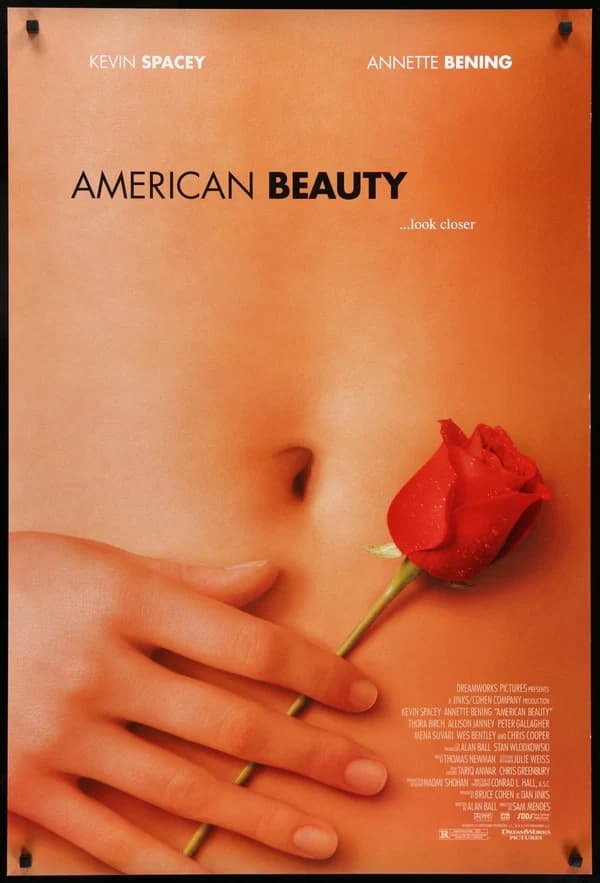
1999 // VHS
American Beauty
Lester Burnham, suburban rot and a midlife argument that still stings.
1999 // VHS
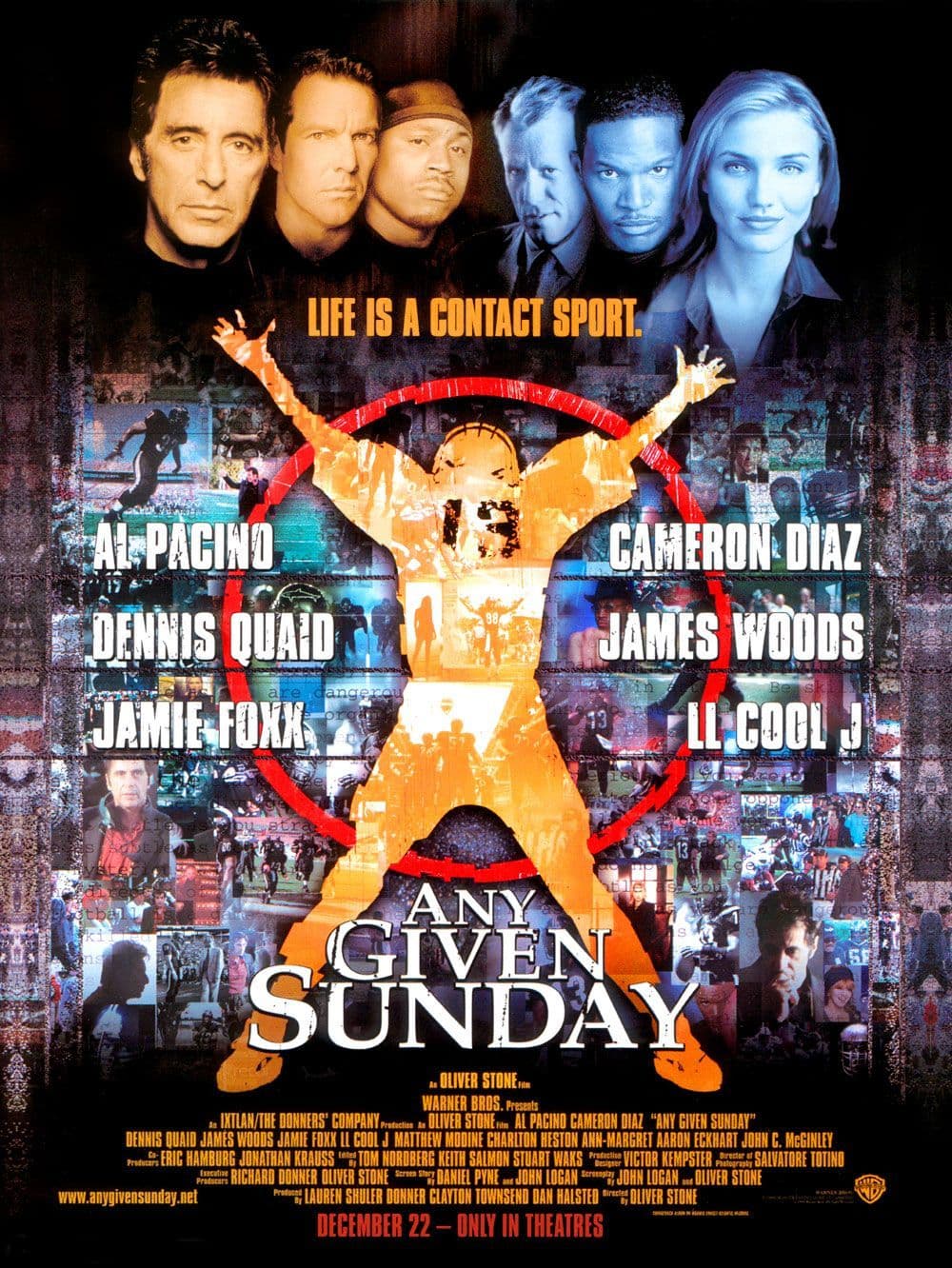
Any Given Sunday
Al Pacino's coach anchors the chaos of a film about football turned into product — loud, messy and oddly persuasive.