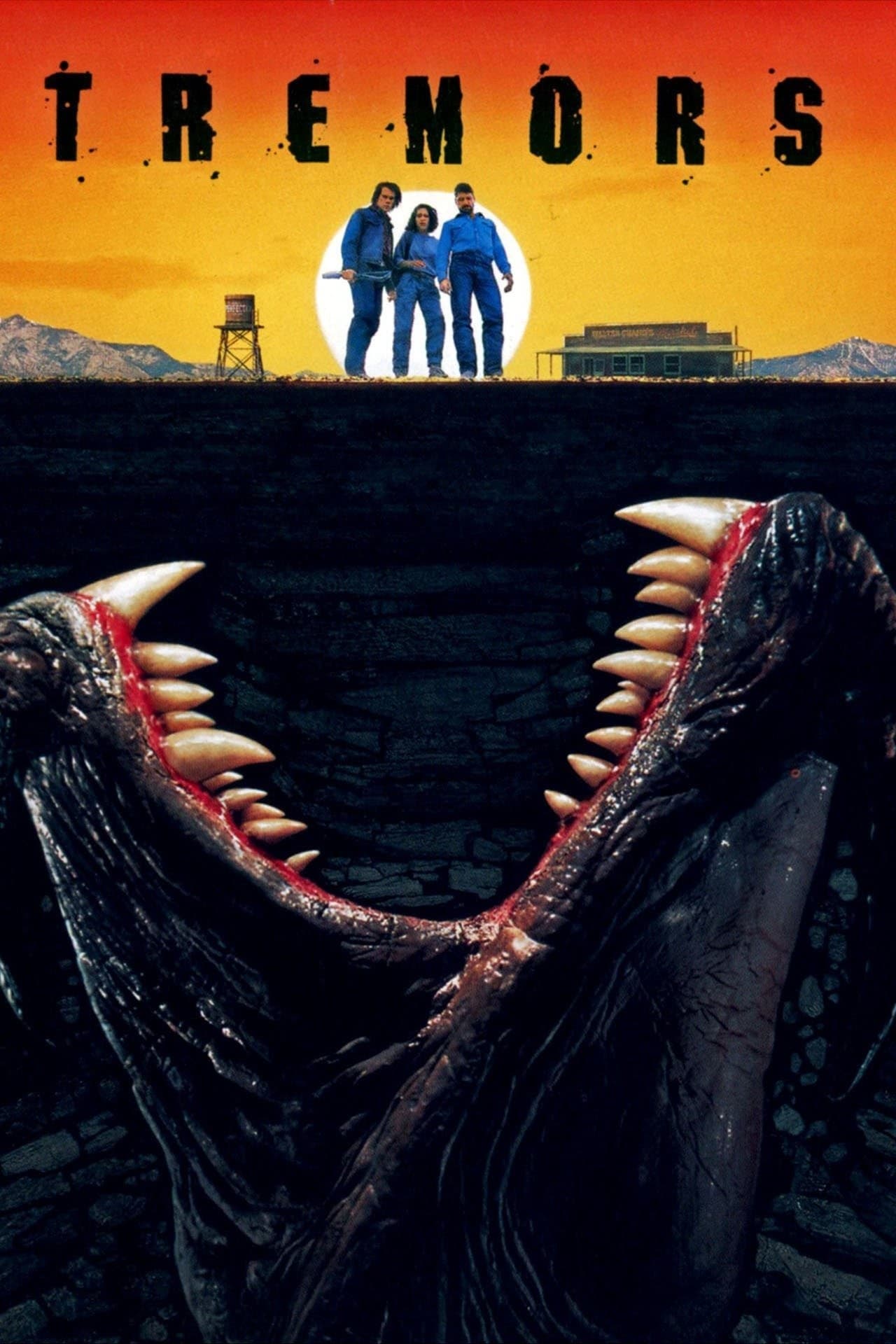
Tremors
Handymen, Graboids and small‑town stubbornness — Tremors is a monster movie with a practical heart.
// The setup
PLAYBACK STARTED
Tremors is the rare creature feature that feels like a group of mates figuring out a disaster together. Set in the tiny desert town of Perfection, it trades gothic explanation for punchy survival instincts and a very particular kind of humour — and at the centre of it all is Valentine “Val” McKee.
THE MOVIE
Valentine "Val" McKee is still the reason this movie works
Tremors drops you into Perfection, Nevada — a genuinely isolated little town — and hands the keys to two handymen. It’s a simple setup: life interrupted by giant subterranean worm-like things that hunt by feeling every tremor on the surface.
That blunt man‑versus‑nature idea is the engine. The danger is real but it’s also a puzzle: the creatures sense vibrations, and the film frames survival as a sequence of clever, sometimes ridiculous adjustments rather than arcane scientific explanation.
Under Ron Underwood’s direction the movie keeps the runtime tight and the tone nimble, and the emotional tether is the relationship between Val and his long‑time partner Earl. Val’s practical, sardonic urge to leave Perfection gives the chaos a human centre — someone to worry for, even as everyone rigs another trap.
THE SETUP
The idea that sets Tremors in motion
The movie doesn’t waste time. Perfection is small, odd and suddenly vulnerable. Two handymen — the audience’s practical eyes — meet strange deaths and odd seismograph readings, which leads them to discover a predator that lives beneath their feet.
Once the Graboid behaviour is established — they home in on surface vibrations — almost every set piece becomes a neat tactical problem. How do you move? How do you signal? Which noise do you make and which noise do you avoid?
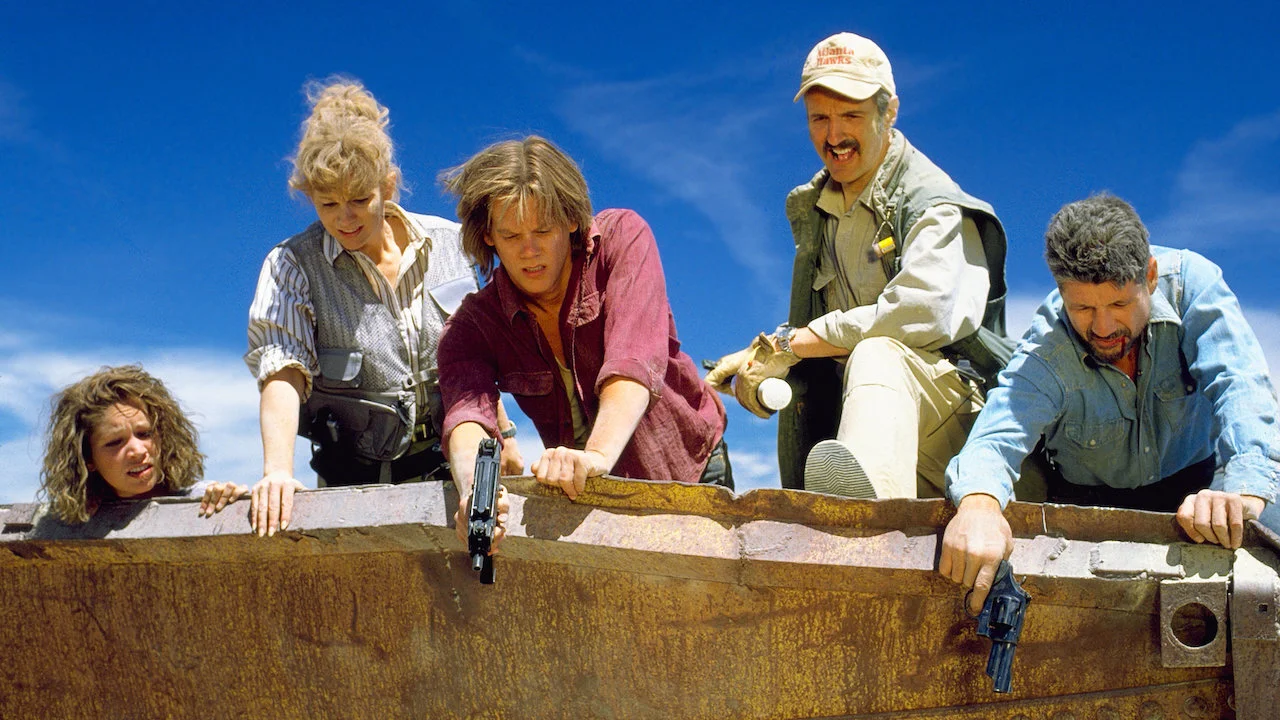
Crucially, Tremors stages much of its monster business in daylight and refuses to tie itself up in an origin story. That keeps the film in the territory of a survival/monster picture: practical answers to immediate problems, rather than laboratory exposition.
The movie’s bones are straightforward and intentionally old‑school, and the writing credits reflect that: the screenplay comes from S. S. Wilson and Brent Maddock, with story credit shared by the director. It’s the kind of compact, well‑assembled premise that survives trimming and time.
THE CHARACTER
Why Valentine "Val" McKee matters
Val isn’t a heroic type by design. He’s the practical, sardonic handyman who wants out of Perfection for better work. That everyday aim makes him instantly relatable: you can imagine his plans being derailed by anything, but especially by subterranean monsters.
His relationship with Earl is where the film earns warmth. They’re long‑time partners and foils — the kind of pairing that lets small gestures matter. Val’s impatience to move on sits against Earl’s steadiness, and that tension colours the survival choices the pair make.
Because the story is about improvisation and stubbornness, Val’s motivations keep the proceedings grounded. He’s not seeking glory; he’s trying to get back to normal life, and that keeps the stakes human even amid the creature set pieces.
Put simply: Val matters because he gives the audience a reason to care about Perfection. Without that personal stake, the monster action would be clever but colder.
THE PERFORMANCE
Why Kevin Bacon's performance matters
One of Tremors’ quiet strengths is how the cast functions as a unit. Contemporary and later coverage often points to the ensemble — and especially the chemistry between Kevin Bacon’s Val and Fred Ward’s Earl — as central to the film’s tone.
That chemistry matters because the script asks the actors to sell mundane responses amid extraordinary danger: arguing about paying for gas while trying to bait a monster is a tricky balance, and the ensemble holds it together.
So when you think about what Bacon brings to the part, it’s best seen as part of that group dynamic. Val’s impatience and practicality are character notes that the film uses to keep the action human, and the cast’s interplay makes those notes register.
UNDER THE SURFACE
Tremors has more on its mind than the plot suggests
At face value Tremors is a monster movie. Under the surface it’s equally interested in how a small community copes when outside help doesn’t exist. The town’s response is improvisational and stubborn rather than institutional.
That community cohesion is tied to the film’s view of man versus nature: the creatures are dangerous but they’re also a puzzle to be solved. Survival is engineered more than it is moralised.
Resourcefulness is the film’s currency. The protagonists don’t call in experts; they rig, bait and outthink the Graboids with what they have to hand. That keeps the movie brisk and personable.
There’s also a deliberate wink to older monster pictures. Tremors wears its B‑movie lineage like a badge: it homages genre conventions while updating them with late‑20th‑century production values and a clearer sense of comedic timing.
THE FILMMAKING
How Tremors was put together
Tremors is built like a compact, efficient machine. The cinematography and editing give the film a steady, clear feeling that serves both the comedy and the monster beats — the crew behind the camera mattered to making those shifts believable.
Production design is particularly important here. Perfection’s constructed small‑town interiors and the way those sets interact with location work help sell the idea that this is a place people live in, not just a convenient backdrop for monster chaos.
That grounded production approach makes the large‑scale creature sequences feel integrated: they happen in places that have been carefully realised, which helps the audience accept the oddities the script throws at them.
So the film’s identity comes from joining straightforward technical craft with the story’s practical sensibilities. Nothing is showy for its own sake; everything is there to make the survival play feel immediate.
PRACTICAL EFFECTS
The effects work that gives Tremors its physical personality
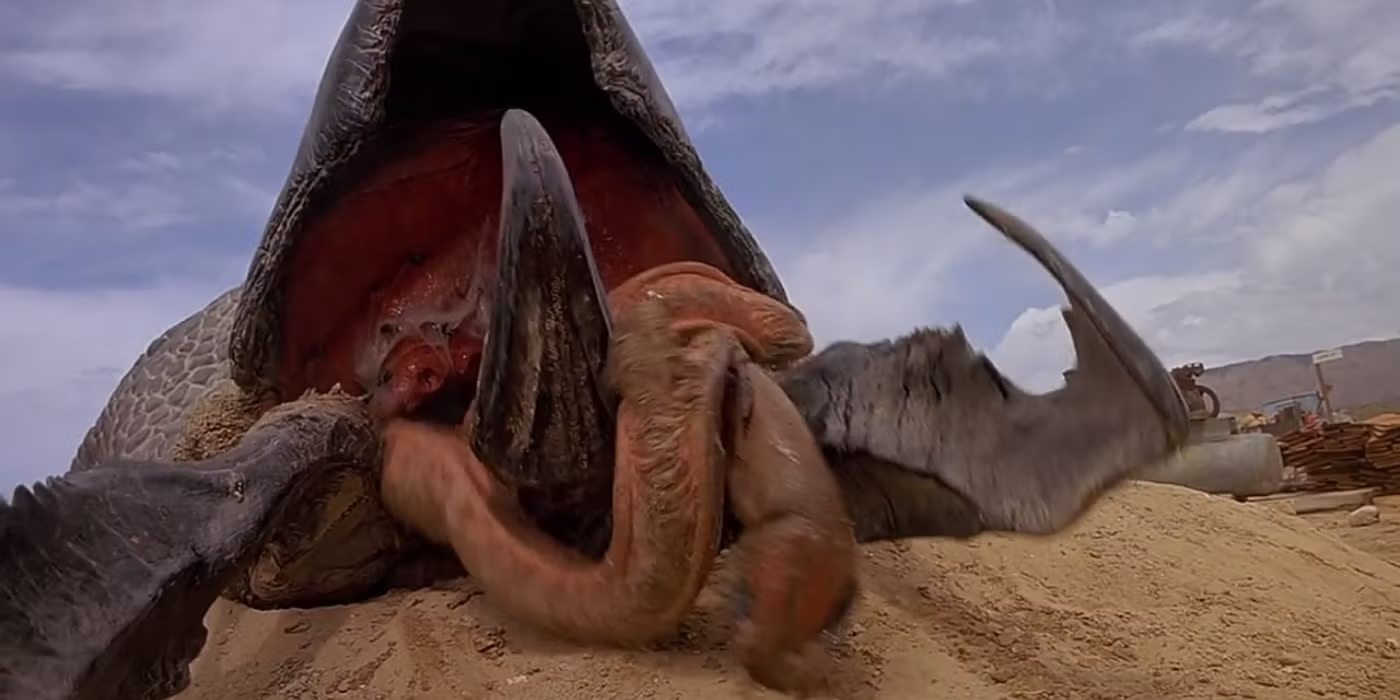
Tremors’ creatures are tactile in a way that matters. The Graboid designs and primary puppets were built by Alec Gillis and Tom Woodruff Jr., and that practical foundation gives the monsters a physical presence on set.
The production mixed scales and techniques: quarter‑scale puppets and miniature work were used alongside full‑scale mechanical units to create shots that felt large without depending on optical sleight‑of‑hand.
There was a deliberate layering to the approach — hand puppets and articulated heads integrated with overcranked miniature photography — so the creatures’ movement reads as part of the filmed environment rather than an afterthought.
That physicality feeds into the film’s tone. When characters bolt a trailer to a truck or argue about timing, the monsters respond in a way that feels mechanically believable because they occupy the same space the actors do.
PURE 80S
Tremors could not belong to any other decade
Released in January 1990, Tremors feels like a bridge: it channels mid‑century monster‑movie tropes while carrying the late‑80s/early‑90s production sensibility. That blend gives it a familiar, slightly retro flavour that doesn’t feel dated into kitsch.
Part of that sensibility is the reliance on practical creature work and miniatures. Tremors arrived at a moment before digital creature effects became the norm, and the film uses that practical toolkit to its advantage.
So while the film nods to older B‑movies in its plotting and tone, it’s also a product of its production era — technically competent, economical, and keen to show its monsters without hiding them behind excessive mystery.
That combination is why it sits comfortably in its moment: a late‑20th‑century pastiche that still wants to play the monster movie straight enough to make the thrills land.
WATCHING IT NOW
What has aged — and what hasn't
Tremors didn’t explode theatrically, but it didn’t vanish either. It found a bigger life on home video and gradually became the seed of a franchise — sequels and a TV series followed, sometimes bringing back familiar characters.
That afterlife explains part of its enduring appeal: the world and characters were resilient enough to sustain more stories, which suggests the original set something sturdy in place rather than a one‑off stunt.
In practical terms, the movie’s compact structure and clear rules (the Graboids react to vibration) keep it watchable today. The plotting is lean and the survival logic is transparent — if you enjoy problem‑solving on screen, the film still satisfies.
What hasn’t aged is perhaps any expectation that this is a sprawling, high‑concept epic. It’s small, tidy and resourceful — and for viewers who value those qualities, it still plays well.
THE LEGACY
Why Tremors still matters
Tremors mattered enough to spawn a long‑running franchise: multiple sequels, a television series and recurring returns from at least one memorable character. That continuation shows the original created something storytellers wanted to revisit.
The film is regularly referenced as the tonal benchmark for what followed in the franchise. In other words, when later entries aim for the same mix of comedy, horror and resourceful survival, they’re often measuring themselves against this first movie.
But the legacy isn’t only institutional. The original’s blend of small‑town community, pragmatic problem solving and a willingness to keep monster rules simple has become the franchise’s shorthand.
So Tremors matters because it established a recipe that proved repeatable: characters you care about, clear creature mechanics and a tone that balances laughs and jolts.
THE VERDICT
Does Tremors still hold up?
Yes — especially if you enjoy a lean, practical monster movie with a stubborn human centre. The setup is simple: two handymen in an isolated town must outthink subterranean predators that home in on surface vibrations. That rule gives the plot muscle and makes survival feel like earned tinkering rather than plot convenience.
The film stages much of its monster business in daylight and keeps the creatures’ origin vague, which keeps the focus on immediate problem solving. Val’s desire to leave Perfection, paired with Earl’s steadiness, gives the stakes a human tilt that helps the tension land.
The ensemble chemistry is also crucial. Contemporary and later commentary highlights the Bacon–Ward pairing as central to the film’s tone; the cast’s interactions sell the movie’s mixture of comedy and threat, so the emotional beats still register.
If you’re weighing whether to watch: think of Tremors as a compact, well‑made creature feature that prefers cleverness to spectacle. It’s not trying to remake the monster movie; it’s polishing a particular, very satisfying corner of it — and that still feels worth your time.
Share this movie
// Keep watching
More movies from the 90s
If Tremors is your kind of movie, there's plenty more on the shelves worth rewinding.
1990 // VHS
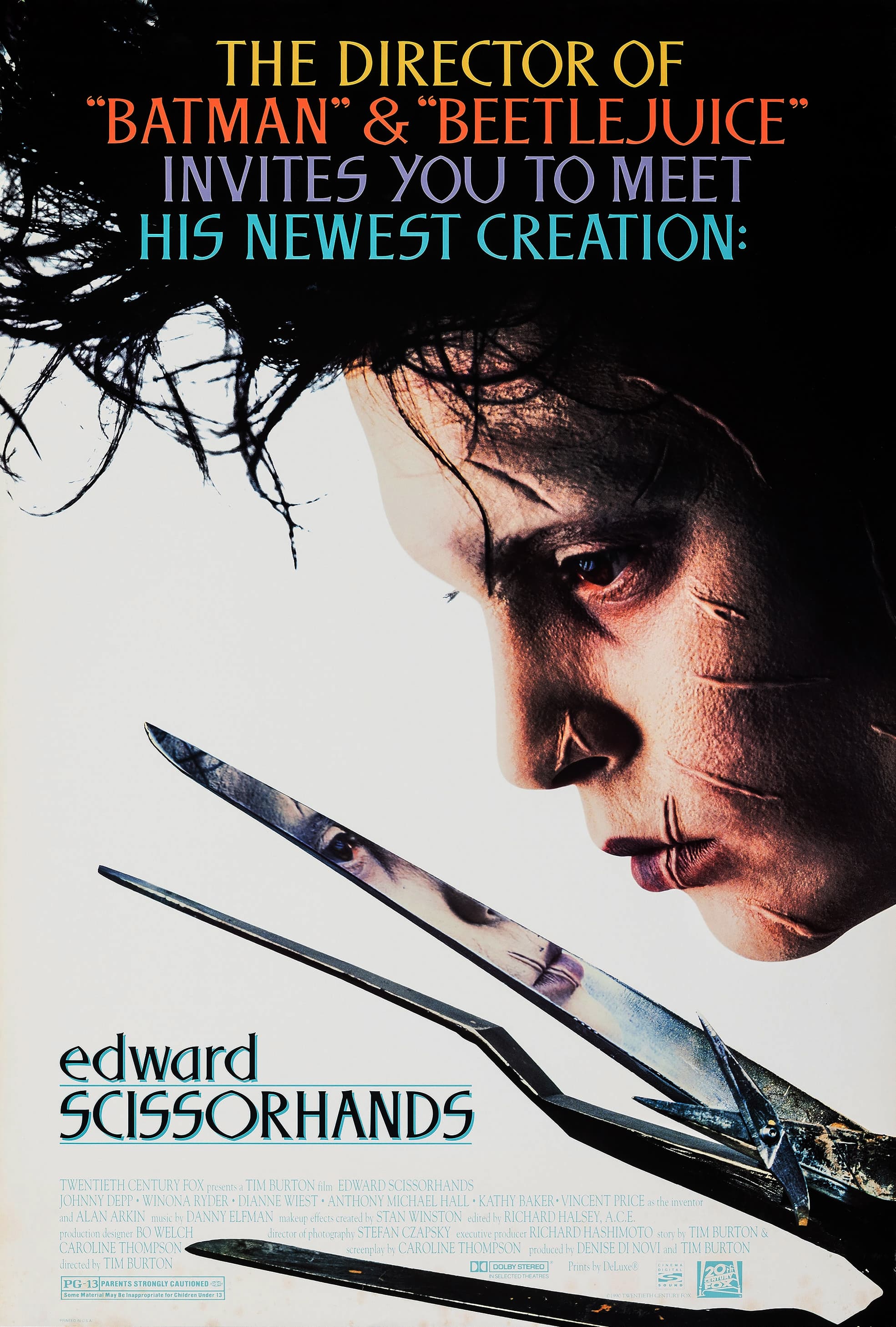
Edward Scissorhands
A fairy tale about a man who can’t quite touch the world — and the neighbourhood that can’t quite handle him.
1990 // VHS
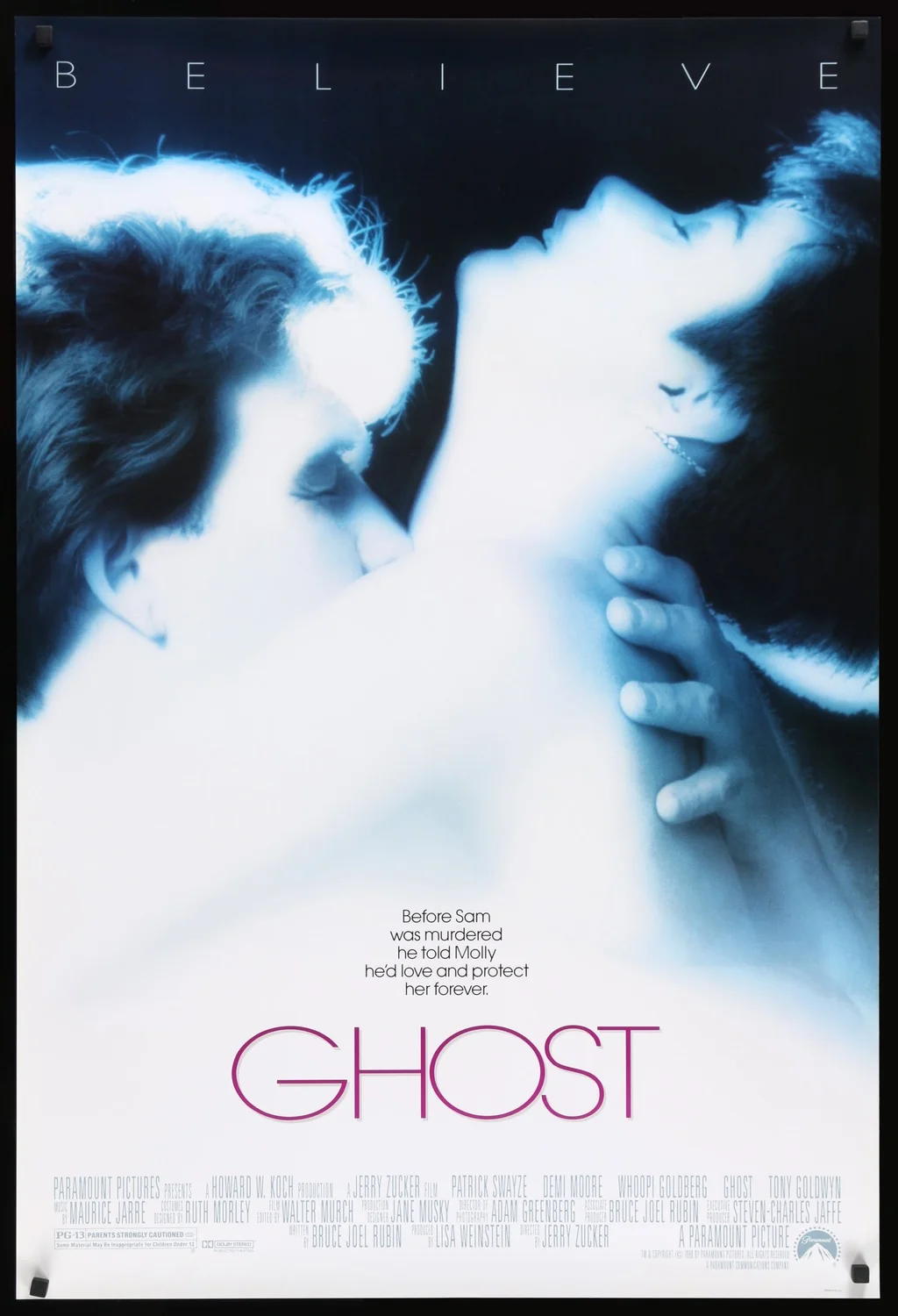
Ghost
A murder mystery disguised as a love story — with a man who won’t stop watching over the person he loves.

1990 // VHS
Total Recall
Memory, muscle and a very faulty holiday package — with Mars on the itinerary.