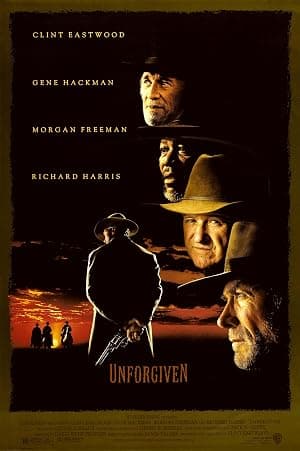
Unforgiven
A late-career Clint Eastwood Western about revenge, the cost of violence and a man who thinks he’s put it all behind him.
// The setup
PLAYBACK STARTED
Unforgiven still lands because its centre is a simple, stubborn choice: put William 'Bill' Munny at the heart of everything. He’s a widowed, broke ex-killer who goes out one more time for money — and every moral question the film asks spins off that single decision. That small, bleak premise turns the Western into something that feels less like a legend and more like an afterword.
THE MOVIE
William 'Bill' Munny is still the reason this movie works
People still bring up Unforgiven because it centres a pretty odd promise: an impoverished, widowed hog farmer who used to be a killer is lured back into violence for money. That bargain — a man who says he’s reformed but needs cash for his children — shapes every choice the film makes.
Clint Eastwood directed the picture and plays William 'Bill' Munny, so the film reads like a late-career reckoning from someone who has been part of the Western’s myth-making machinery for decades. It’s a Western that deliberately asks what a life of violence leaves behind.
At its simplest, Unforgiven is about revenge — and about the cost paid by the people who sign up for it, willingly or otherwise. Put a bounty on two men, and the town of Big Whiskey becomes a small stage for much bigger questions.
THE SETUP
The idea that sets Unforgiven in motion
Unforgiven doesn’t begin with a shoot-out so much as with a wound. A prostitute is brutally attacked, the brothel posts a cash reward, and that posted bounty is the engine that drives the rest of the story.
That single act — a public, monetary invitation to punish the attackers — forces retired killers and professional gunfighters to show up. Munny is persuaded to take one last job, and the film tracks how that decision drags his old life back into view.
The narrative is pulled along by a very plain mechanics: the bounty as catalyst, teams of gunmen assembling toward Big Whiskey, and small clashes that escalate into much larger confrontations. Those simple gears keep the story tight and focused.
At the centre of the friction is Munny’s own tug-of-war: can he live as a reformed, impoverished father, or does the past — and the promise of money and vengeance — pull him into the violence he claims to have left behind?
THE CHARACTER
Why William 'Bill' Munny matters
Munny matters because he’s not a clean hero and he’s not a symbol — he is both a person and a paragraph in a larger myth. He’s introduced as an impoverished, widowed former killer who insists he’s changed, but practical need — money for his children — drags him back into being what he once was.
That tug — the tension between claimed reform and real necessity — makes him a useful anchor for a film asking awkward questions about violence. You can read almost every scene through the ledger of what Munny gives and what he takes away.
Because Clint Eastwood both directs and plays Munny, the film reads like a late-career Western that’s interrogating its own myths. It positions Munny as the place where genre legend and human consequence collide.
So the character matters less as a lark and more as the moral fulcrum: a man whose choices make the ethical accounting unavoidable.
THE PERFORMANCE
Why Clint Eastwood's performance matters
Contemporary critics singled out the ensemble, and Eastwood’s turn as Munny was part of that conversation. The press at the time noted how the acting — across the cast — helped give the film its moral complexity.
That isn’t the same as theatrical bombast. The commentary around the film emphasised depth and restraint in the lead role, and Eastwood’s Munny functions as the steady centre that lets other characters’ excesses and contradictions play off him.
Because the movie asks hard questions rather than offering easy answers, the lead performance needed to be economical: it’s the kind of work that holds the film together by not pulling attention away from the story’s ethical knots.
In short: critics recognised the cast — Eastwood included — as central to why the movie complicates revenge rather than celebrating it.
UNDER THE SURFACE
Unforgiven has more on its mind than the plot suggests
On the surface it’s a revenge story, but the film keeps nudging us to look past that neat motive. What begins as a pursuit of payback steadily becomes an accounting of what violence does to people who use it and to the communities around them.
The movie is careful to muddy the moral picture: reputation laundering, the stories men tell about themselves, and the way violence gets rewritten into legend are constant concerns. Nobody comes away from this with a tidy conscience.
There’s also a clash between private retribution and public authority. The sheriff in Big Whiskey runs a form of order that mixes legal power with intimidation, and the film sets vigilantism against institutional law in a way that forces us to ask who’s really enforcing justice.
Underpinning all of it is aging and regret — men looking back at their pasts and wondering what those pasts cost them. Unforgiven turns the Western’s myths inward and asks whether legend and reality can ever agree.
THE FILMMAKING
How Unforgiven was put together
Look at the credits and Unforgiven reads like a carefully assembled company: Jack N. Green handled principal cinematography and Joel Cox edited the film — Cox’s work even earned the Academy Award for Best Film Editing.
Those are not just names on a poster. The editing, in particular, was singled out with a major award, which tells you the film’s rhythm and its punctures were important to how the story landed.
Lennie Niehaus is credited for the score and Henry Bumstead for production design, details that point to a deliberate, controlled approach to how the picture sounded and looked on set.
Taken together, these crew credits underline that Unforgiven was constructed with a steady, experienced team behind Eastwood, the kind that knows how to make a small, deliberate Western feel weighty.
THE LEGACY
Why Unforgiven still matters
At the 65th Academy Awards Unforgiven took home four Oscars, including Best Picture, Best Director for Clint Eastwood, Best Supporting Actor and Best Film Editing — a tidy stack of recognition that mattered at the time.
That critical and awards success helped renew interest in serious, revisionist Westerns and put Unforgiven on a lot of 'best of' conversations. It’s not just another entry in the genre; it became a reference point for late-20th-century Western storytelling.
Major film institutions and scholarship regularly return to the film when discussing how the Western can interrogate its own myths. Part of its longevity comes from being treated as a concluding statement in Eastwood’s genre work.
So while the movie asks difficult questions on screen, the afterlife of those questions — in criticism, festivals and programming — is a big reason people still bring the film up.
THE VERDICT
Does Unforgiven still hold up?
Yes. Unforgiven still holds up because its drama comes from people making choices you can understand and disagree with, not from nostalgia or spectacle. Munny’s return to violence after the mutilation of Delilah Fitzgerald and the posted bounty is a believable chain of human motives, and that keeps the film honest.
The story mechanics are straightforward — a bounty posted, rival parties converging on Big Whiskey, escalating confrontations — but they’re used to ask sharper ethical questions about revenge, vigilantism and the laundering of violent reputations. That economy of plot is one of the film’s strengths.
The cast of characters around Munny matter in the same way: Ned Logan gives a moral counterpoint, Little Bill represents a fearful, coercive order, and English Bob’s ostentation underscores the difference between lived violence and myth-making. Those relationships sharpen the film’s dilemmas.
If you want a Western that still feels thoughtful rather than decorative, watch Unforgiven. It’s a film that stages a simple transaction — money for punishment — and then makes that transaction feel like a moral accounting. That keeps it watching-worthy decades on.
Share this movie
// Keep watching
More movies from the 90s
If Unforgiven is your kind of movie, there's plenty more on the shelves worth rewinding.
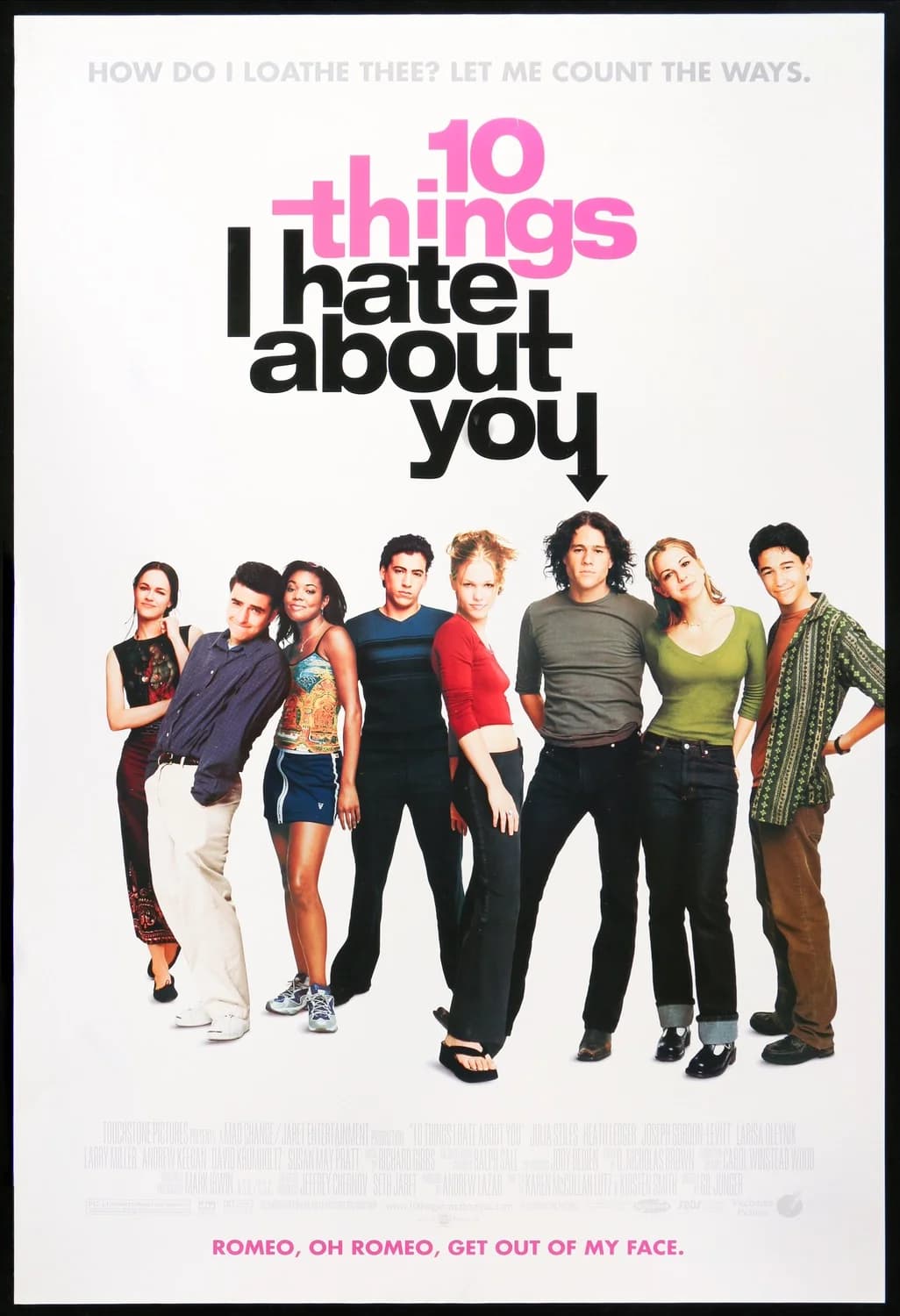
1999 // VHS
10 Things I Hate About You
Sibling rules, a rooftop serenade and one very stubborn Kat — Shakespeare in a school corridor.
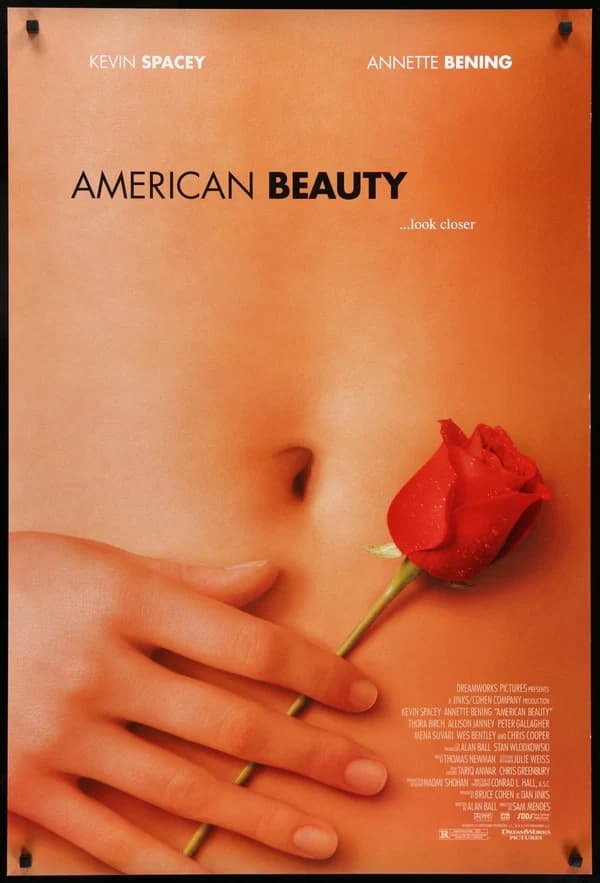
1999 // VHS
American Beauty
Lester Burnham, suburban rot and a midlife argument that still stings.
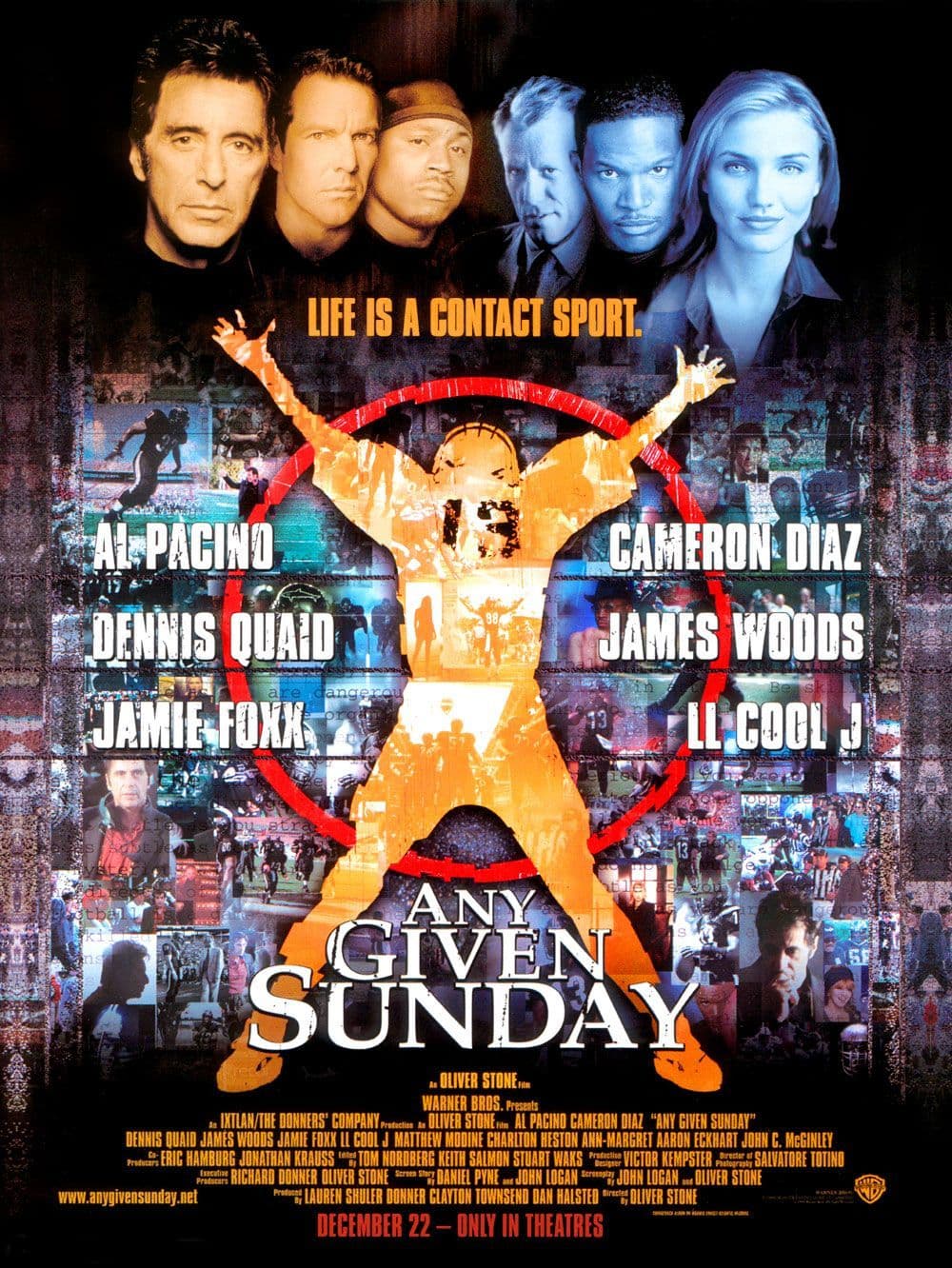
1999 // VHS
Any Given Sunday
Al Pacino's coach anchors the chaos of a film about football turned into product — loud, messy and oddly persuasive.