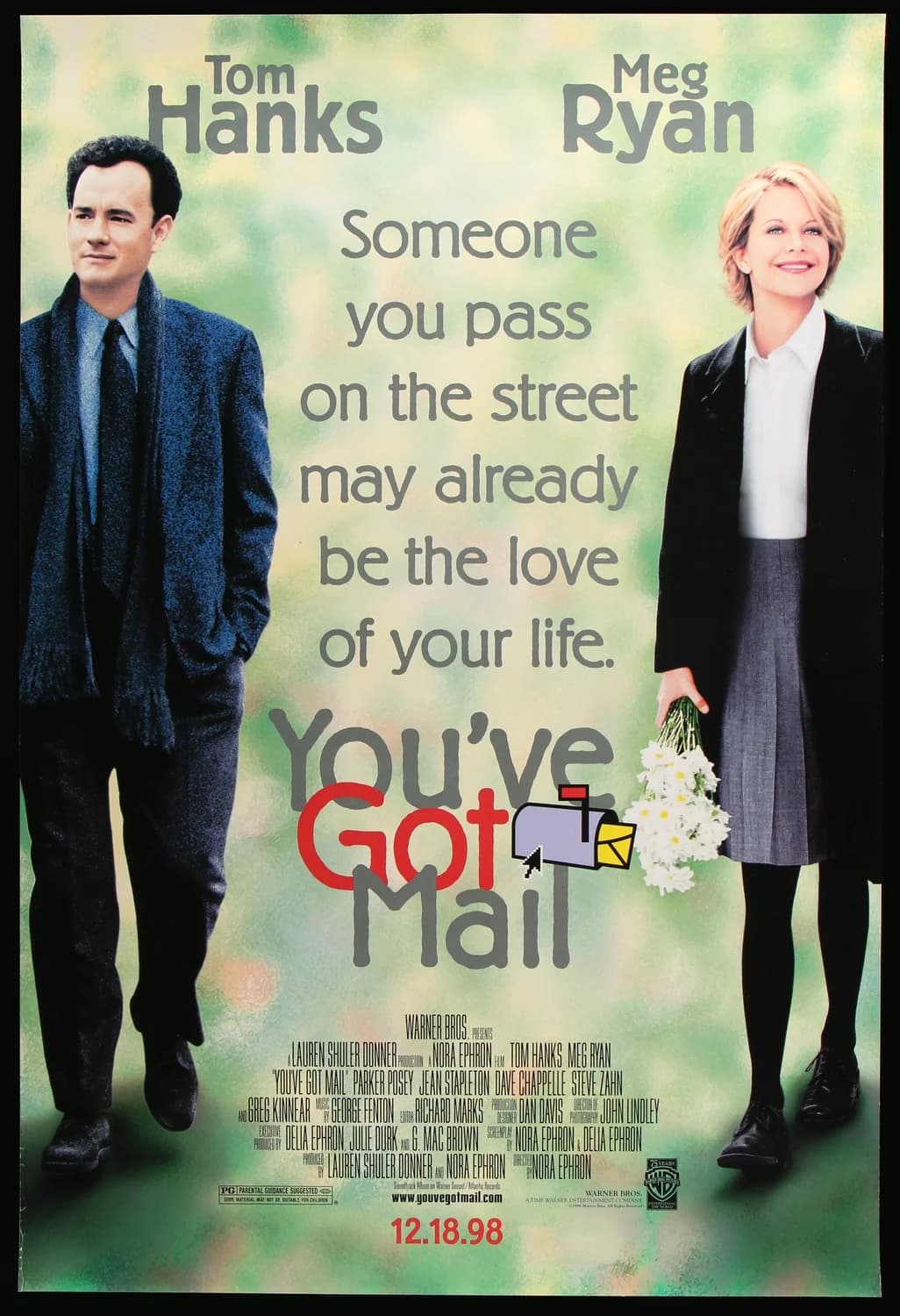
You've Got Mail
Anonymity, bookshops and a man who knows how to soften a problem with a smile.
// The setup
PLAYBACK STARTED
You've Got Mail still feels like a conversation you half‑overheard in a café: warm, slightly sharp and full of local grudges. Nora Ephron sets up a neat double game — an anonymous e‑mail romance tangled up with the slow death of a small children's bookshop — and lets the characters sort out whether love can survive being discovered.
THE MOVIE
Joe Fox is still the reason this movie works
The first thing to notice is how the movie makes its duel: a cosy, community‑minded children's bookshop on the Upper West Side staring down a high‑street superstore. That threat gives the film a proper spine — it’s not just two people falling in love, it’s two ways of life colliding.
Into that fight walks Joe Fox, an heir to the new bookstore empire who, without either side realising it, starts an anonymous e‑mail correspondence with Kathleen under the name NY152. The private, typed‑out Joe and the public, corporate Joe are quietly at odds — and that friction is what keeps interest alive.
This is Nora Ephron's puzzle: make misrecognition charming rather than mean. With Tom Hanks and Meg Ryan at the centre, she uses the late‑1990s internet as the clever update to an older romantic template — anonymity, identity and the awkward business of being honest with someone you already think you dislike.
THE SETUP
The idea that sets You've Got Mail in motion
At its simplest, the movie runs two plots in tandem. One is interpersonal: two people are making a connection by e‑mail while pretending not to know one another. The other is commercial: a small independent bookshop is threatened by a large chain opening across the street.
Those two threads feed each other. Private, anonymous exchanges — the 'no names, no personal details' rules the correspondents agree on — build intimacy, while the face‑to‑face world is full of rivalry, opinion and real stakes.
The screenplay keeps sending us back and forth between typed messages and public encounters, and the fun comes from those mismatches: who someone believes themselves to be in private versus who they are in a crowded shop floor.
It’s not an original trick — the movie knowingly updates a mid‑century shopkeeper romance — but transplanting that misrecognition into the early internet era gives it a new, modern tangle to untie.
THE CHARACTER
Why Joe Fox matters
Joe Fox matters because he’s the kind of opponent who also becomes the only plausible romantic partner. On paper he’s the corporate insider — the man whose job is to open stores — and that puts him squarely against Kathleen’s small shop and its sentimental ties.
But the screenplay gives us a private Joe too, the one who can write without the company memo attached. That split — public role versus private feeling — makes him interesting. He’s not a cardboard villain; he occupies both sides of the equation.
The world around Joe helps underline the stakes. Both sides have helpers and hangers‑on: shop assistants, family members, colleagues. Their lives make the conflict feel real rather than schematic; you can see how a superstore would reshape the neighbourhood, and why that matters to Kathleen.
There’s also an ideological mirror in Frank Navasky, who stands opposite Joe in public debate about bookselling. Joe’s presence forces the film to ask whether business success and community care are necessarily enemies — and that’s where the character stays useful beyond the romance.
THE PERFORMANCE
Why Tom Hanks's performance matters
One practical reason the movie carries the balancing act is the way the leads sit together on screen. Contemporary reviews singled out the chemistry between Tom Hanks and Meg Ryan, and that chemistry is the glue for much of the film's emotional work.
That’s an important point because the story asks us to accept fairly sharp tonal moves: playful e‑mailing turns into serious moral disagreement; corporate banter meets domestic tenderness. If the actors didn’t land those shifts, the plot would feel choppy.
Here, the on‑screen rapport smooths the transitions. It’s not a replace‑the‑script trick; it’s a practical effect of casting that keeps the film human when the premise could easily tip into caricature.
So when Joe writes and when Joe negotiates, the audience is already inclined to stay with him — the performance makes the split between the Joe who types and the Joe who sells believable.
UNDER THE SURFACE
You've Got Mail has more on its mind than the plot suggests
On one level the film is a neat little romance; under the bonnet it’s fussing with a handful of late‑1990s anxieties. First: identity online. The anonymous e‑mail romance is less a gadget and more a way to test how much of ourselves we show when nobody knows our name.
Second, the movie sets up independent business versus corporate chains as a moral battleground. That isn’t presented as a simplistic good‑versus‑evil story — the chain creates jobs and convenience — but the film keeps returning to what communities lose when local places disappear.
Third, nostalgia and community thread through the picture. Kathleen’s attachment to the bookshop is not merely commercial; it’s inherited and sentimental, which makes the conflict feel generational as much as economic.
Finally, the film is an explicit modernisation of an older romantic template: misrecognition and anonymous affection were classic devices, and here they’re updated for email, which changes the terms of intimacy without erasing the old rhythms of romantic comedy.
THE FILMMAKING
How You've Got Mail was put together
Nora Ephron leaned on a simple rehearsal trick to keep the film feeling lived‑in: she had cast members actually work at an existing children’s bookstore before shooting. That was a practical rehearsal choice rather than an abstract stylistic one.
The point of that preparation was twofold. It helped the actors get comfortable with the rhythms of a shop — the customers, the stock, the small moments — and it fed into the way the on‑screen shop was dressed and run.
It’s an old‑fashioned piece of scene‑work: learn the environment, then let actors respond to it. You can see the payoff in how the bookstore scenes feel particular rather than generic.
So while the movie clearly nods to studio rom‑com traditions, it still took steps to root its domestic spaces in actual, useful detail.
PURE 80S
You've Got Mail could not belong to any other decade
This is very much a 1998 movie because it takes a stage‑bound romantic premise and translates it through the era’s most obvious new habit: e‑mail. The anonymous courtship wouldn’t have the same rules — or the same cultural resonance — in an older film.
At the same time, the picture typifies late‑1990s studio practice: blending a familiar, theatrical rom‑com shape with contemporary commercial signifiers. The internet isn’t just a plot device; it’s a piece of the film's personality.
That blending also explains some of the film’s visible tensions. The movie is comfortable with both small‑scale sentiment and larger studio gloss, which occasionally pull in different directions.
But those tensions are part of the point: it’s a film negotiating change — of technology, of retail, of how people meet — and it wears the decade’s contradictions openly.
THE LEGACY
Why You've Got Mail still matters
The movie did well at the box office, opening at number one in North America and taking roughly $250.8 million worldwide, which kept the Hanks–Ryan–Ephron team very much in the public eye.
Beyond numbers, the picture is commonly identified as a late‑1990s mainstream rom‑com that renewed that particular creative pairing and explicitly updated the older shopkeeper story for the internet era. That clear lineage helps critics and viewers keep returning to it.
There’s also an argument to be made about the detail everyone remembers: the title phrase and the on‑screen use of AOL’s 'you've got mail' greeting. The film’s relationship with brand placement — and how obvious it is — keeps it in conversations about commerce and cinema.
Put together, those things explain why the film keeps turning up in retrospective pieces: it’s a comfortable, visible example of a studio rom‑com trying to be modern without abandoning old rules.
THE VERDICT
Does You've Got Mail still hold up?
Yes — with a small, practical rider. If you want brisk irony or savage realism, this isn’t your film. But if you enjoy a rom‑com that cares about what neighbourhoods are for, how we behave online when we’re anonymous, and whether people can change, You've Got Mail still has plenty to offer.
The central trick remains tidy: the interpersonal anonymous e‑mail romance is threaded through an actual, consequential commercial conflict between a small children’s shop and a large chain. That combination makes the stakes feel lived‑in rather than merely decorative.
The screenplay also uses clear rules for the online correspondence — they don’t trade names, they keep certain limits — and then lets the dramatic irony of public versus private interactions do the emotional heavy lifting. When revelations land, they carry real weight because the structure earned them.
So watch it for the set‑up, for the way Joe Fox’s divided life forces uncomfortable questions, and for the pleasant, steady machinery of a Nora Ephron romantic comedy. It’s a warm, slightly old‑fashioned picture about how we find each other — and how hard it can be when the thing you love is also disappearing.
Share this movie
// Keep watching
More movies from the 90s
If You've Got Mail is your kind of movie, there's plenty more on the shelves worth rewinding.
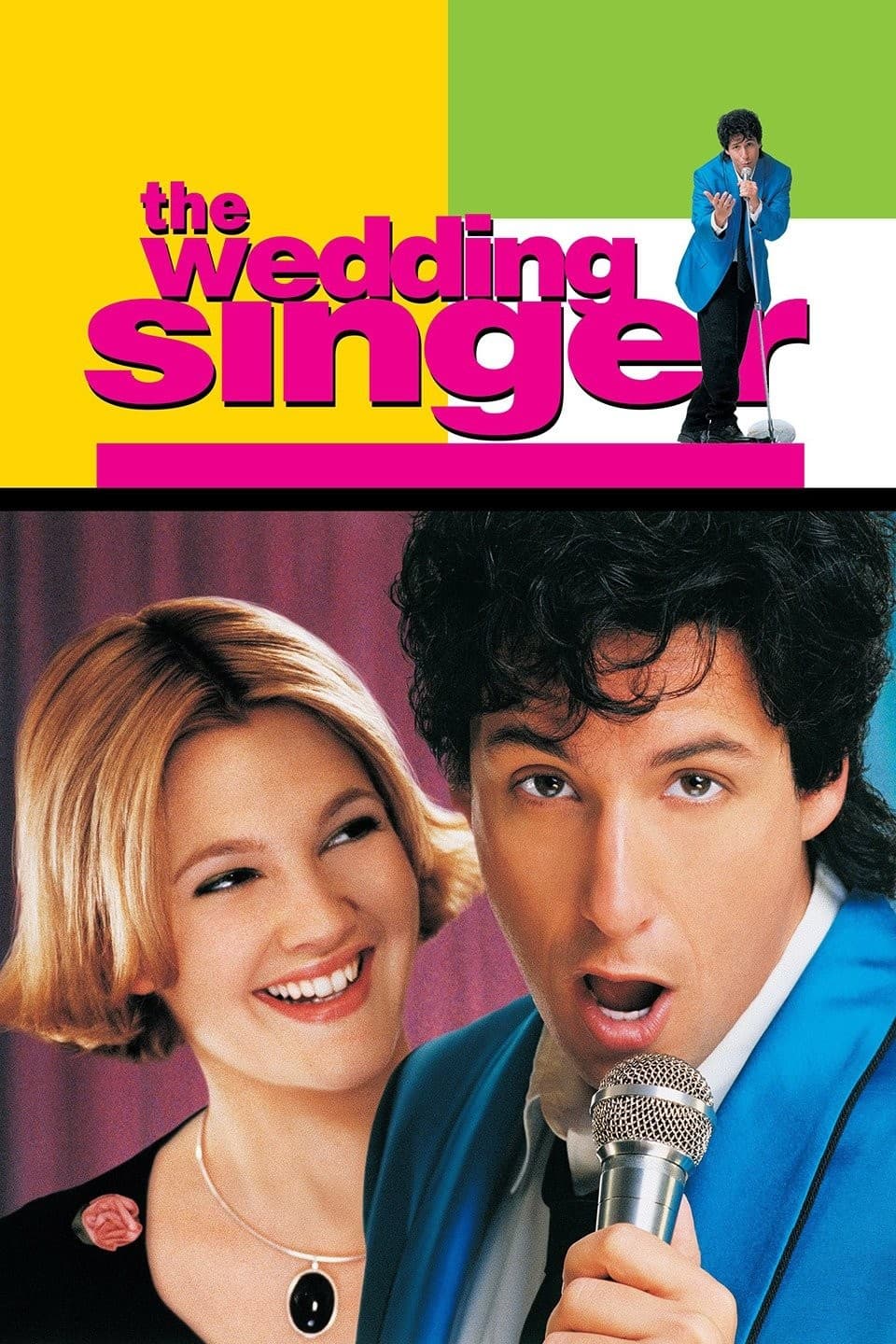
1998 // VHS
The Wedding Singer
A love story wrapped in 1980s pop — and carried by one very earnest wedding crooner.
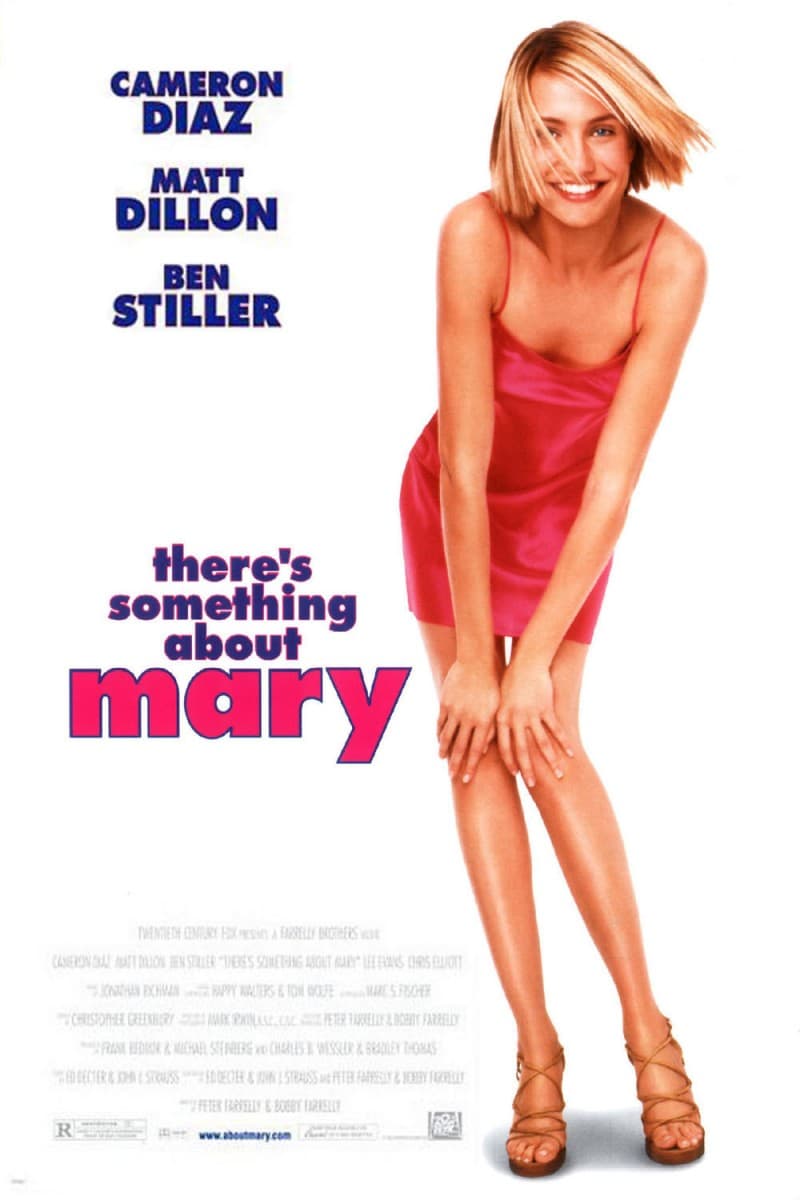
1998 // VHS
There's Something About Mary
Romantic obsession, awkward masculinity and a hair‑gel gag you can't unsee.
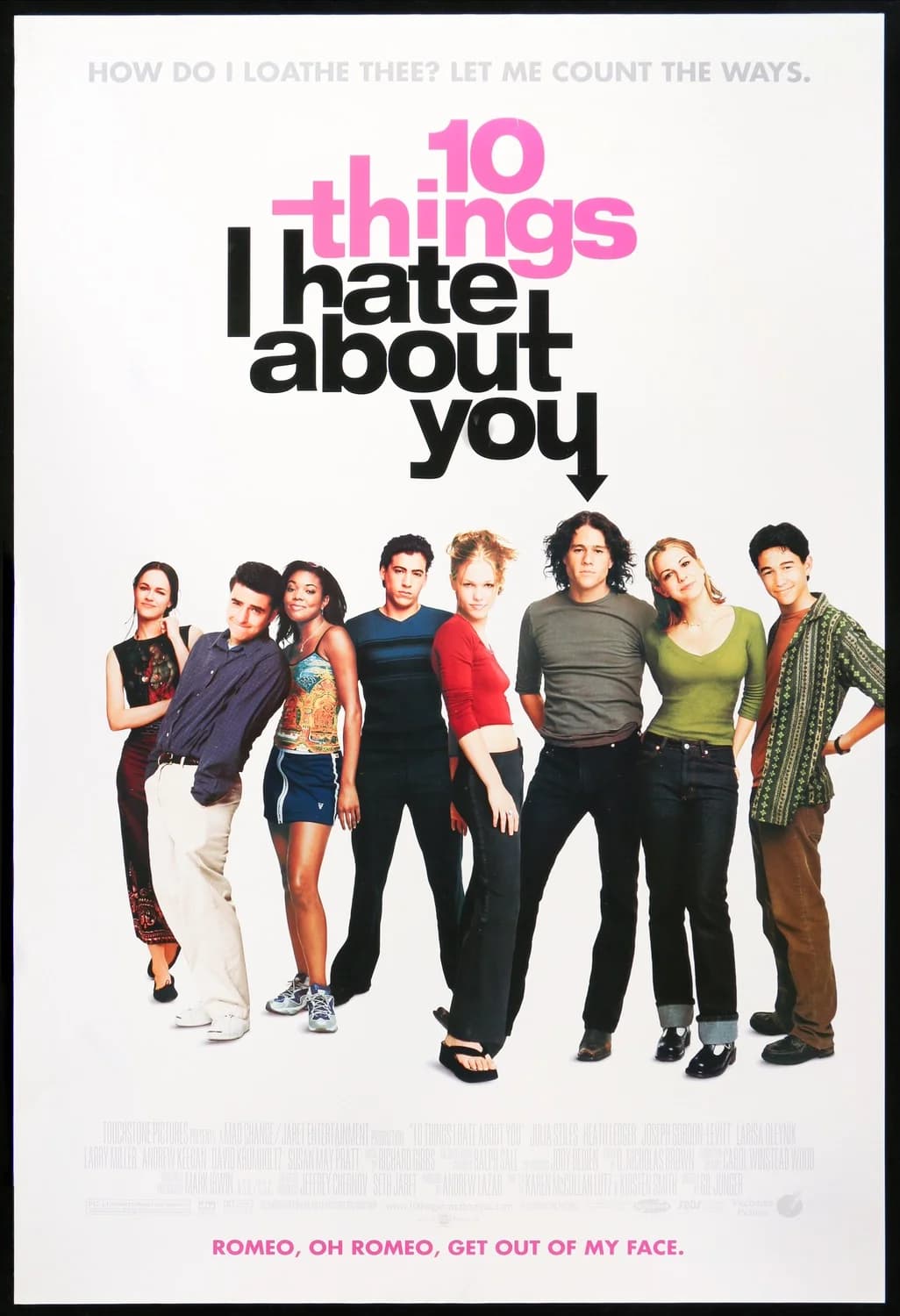
1999 // VHS
10 Things I Hate About You
Sibling rules, a rooftop serenade and one very stubborn Kat — Shakespeare in a school corridor.