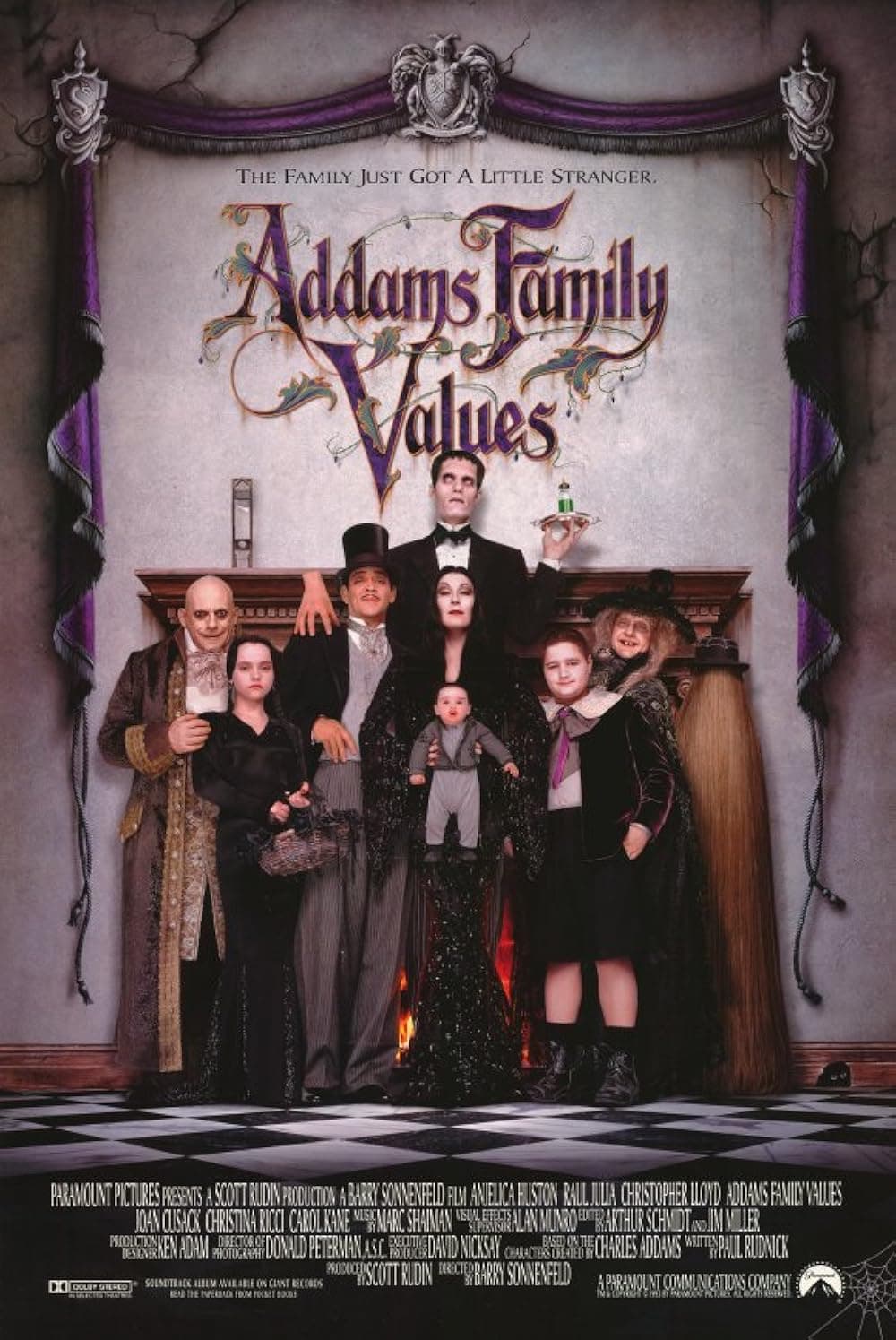
Addams Family Values
A family that hates the idea of normality — and will ruin a Thanksgiving pageant to prove it.
// The setup
PLAYBACK STARTED
Addams Family Values is the rare sequel that sharpens its teeth. Barry Sonnenfeld's 1993 follow-up turns the household's oddities into a nastier, funnier satire about who gets to be called a 'real' family — and what happens when a charming intruder arrives with other plans.
THE MOVIE
Gomez Addams is still the reason this movie works
If you're remembering one image from Addams Family Values it is probably not a Halloween set-piece but a household moment: Morticia and Gomez welcoming a new baby, and the family trying to fold an unwieldy, very strange infant into their already eccentric life. That tiny domestic absurdity — Pubert arriving and everyone adjusting — is the film's heart.
Trouble arrives on two fronts. A nanny called Debbie Jellinsky turns up under pleasant pretences and quickly becomes the central problem, while the older children are nudged out of the house to a summer camp. Those arrivals set a small, sharp story in motion: a domestic comedy that feels oddly like a sting operation.
All of that sits inside a consciously satirical frame. Paul Rudnick's script, realised by Barry Sonnenfeld in his second Addams Family outing, enjoys contrasting the family's affectionate weirdness with the bland standards of mainstream 'family values.' And at the centre of it is Gomez — the character who keeps the oddball machine greased and, crucially, human.
THE SETUP
The idea that sets Addams Family Values in motion
The film's engine is straightforward: a new nanny arrives and quietly rearranges the household. Debbie Jellinsky's appearance isn't a throwaway — it's the pivot that steers the story toward betrayal and farce.
Her plan isn't immediately loud; she removes obstacles in a manner that looks almost polite. The older children are sent away to Camp Chippewa, which neatly clears the house for her to do what she's come to do.
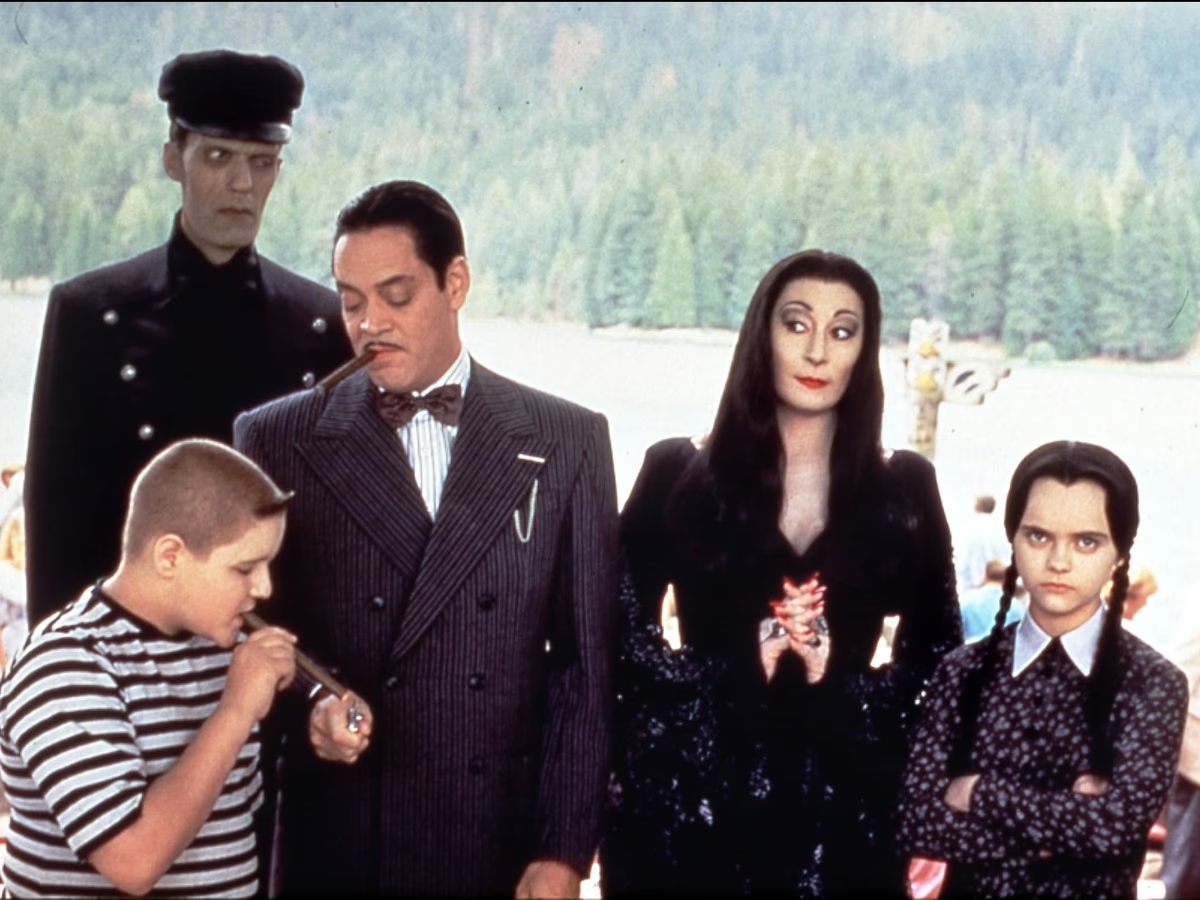
Camp Chippewa isn't just a holiday backdrop. It's a deliberate device: sending Wednesday and Pugsley away creates two parallel stories — one domestic, one about assimilation — and lets the film send up the idea of conformity in a single location.
All of this funnels into a set-piece the film treats like a moral reckoning: the camp's Thanksgiving pageant, which becomes the satirical and emotional climax of the whole enterprise.
THE CHARACTER
Why Gomez Addams matters
Raul Julia's Gomez is the emotional fulcrum around which the film spins. He and Morticia are shown as an affectionate, even overtly flirtatious couple, and that relationship is both comic and stabilising when domestic chaos arrives.
The arrival of Pubert and the temporary absence of Uncle Fester test that cohesion. Gomez is not a passive figure; the family’s dynamics — the way they hold together in the face of outside interference — are visible through his reactions.
That interference is personal. Fester's vulnerability to Debbie's attention and his removal from the family create a secondary source of tension, and Gomez's response to that separation gives the film some real emotional stakes beneath the jokes.
Put simply: Gomez matters because his devotion makes the family's oddness feel like a chosen, fiercely defended way of life, not just a comic costume.
THE PERFORMANCE
Why Christina Ricci's performance matters
A lot of conversations about Addams Family Values land on Wednesday, and not just because she has the best lines. Contemporary reviews and later looks back repeatedly single out Christina Ricci’s deadpan Wednesday as a performance that defines the film's tone.
That deadpan presence gives Wednesday some agency in the story beyond being a grim child; she becomes the sensible, suspicious centre to the household's eccentricities, the one most ready to see through Debbie's smile.
The film sets Wednesday against a world that wants to normalise her — the summer camp, the pageant — and Ricci's portrayal is the readable marker of that resistance the screenplay needs.
Alongside her, Joan Cusack's Debbie is often mentioned in the same breath as another standout: the loopy, menacing foil whose charm masks intent. Together they make the film's central conflict feel alive on screen.
UNDER THE SURFACE
Addams Family Values has more on its mind than the plot suggests
On the surface it's a black comedy about a weird household and a murderous nanny. Underneath, the film is organising itself as satire: it sets the Addamses' affectionate, unconventional family against the era's prosaic idea of 'family values' and delights in turning that phrase inside out.
That satire is literalised in the nanny plot. Debbie is an infiltrator who plays at domestic loyalty while actually undermining it, which lets the film run a comic riff on betrayal and trust inside the home.
Equally, the movie cares about outsider identity. Wednesday and Pugsley are pushed toward conformity — summer camp, pageants, little rituals designed to make them fit in — and the story measures the cost of that pressure.
All of which means the film's grotesque humour isn't just for shock; it's a way of defending difference and of showing how absurd mainstream norms can look when examined from the Addamses' point of view.
THE FILMMAKING
How Addams Family Values was put together
The film is a recognisable crew job: Ken Adam is credited as production designer, Donald Peterman as cinematographer, and the editors include Arthur Schmidt and Jim Miller. Those names give the film a crafted, theatrical feel that the screenplay plays against.
That crafted sense was recognised at the time: the film earned an Academy Award nomination for Best Art Direction, a nod to how deliberately the sets and spaces were designed to feel both cosy and peculiar.
Barry Sonnenfeld returns as director, maintaining the stylistic through-line from the 1991 film while working with Paul Rudnick's sharper, darker script. The result is a sequel that keeps the family's visual logic intact while letting the writing push different tonal edges.
In short, the filmmaking choices are about making a world that is internally consistent — so the surreal family life can be treated as ordinary and the ordinary world can be treated as absurd.
PRACTICAL EFFECTS
The effects work that gives Addams Family Values its physical personality
A portion of the film’s charm is practical: crew built a mechanical 'Baby What' for Pubert sequences, which keeps the infant's oddness tactile rather than purely digital.
The disembodied hand, Thing, was realised in a mix of painted-performance and optical/digital matting: Christopher Hart’s arm was shot and then reprinted with his body removed, a hybrid technique that gives the hand a strangely physical immediacy.
For other moments the crew used painted models and plaster doubles — for example, shots where Wednesday is camouflaged against a wall relied on these practical approaches to avoid full makeup and keep the gags crisp.
Those physical solutions make the film feel like something collapsed out of craft: small, specific tricks that underline the Addamses’ bodily, eccentric reality.
PURE 80S
Addams Family Values could not belong to any other decade
This is very much a 1993 movie in its target: Paul Rudnick framed the screenplay and the title as a response to early‑1990s political talk about 'family values.' That rhetorical moment gives the film specific teeth.
Because the film is engaged with a public argument — the idea that some family shapes are ‘proper’ and others dangerous — its satire lands as a reaction to a particular cultural conversation rather than as a timeless, placeless gag.
Barry Sonnenfeld's return as director and Rudnick's script place the sequel in the same production groove as the 1991 film, but the writing in this instalment explicitly turns that era's political language into comic material.
So the movie reads as of its moment: a genre piece that chooses to use its comedy to address a headline idea circulating in American public life at the time.
WATCHING IT NOW
What has aged — and what hasn't
Many retrospective takes treat Addams Family Values as the sequel that sharpened the first film's satire. Paul Rudnick's darker, more pointed script is frequently credited with giving the follow-up a bite that the original didn't always show.
That bite helps the film still feel purposeful: the satire about family values and the story about outsider conformity remain readable because they're built into the plot — the nanny, the camp, the pageant — rather than tacked on as aside jokes.
Practical touches — the mechanical baby, the hand work, the production design — keep the world tactile in a way that still communicates well on screen, and the film's running time keeps it nimble at 94 minutes.
In short: what ages well is the way story and theme are married in this film. The specific political language might belong to the early 1990s, but the core conflict — who belongs and who decides — is surprisingly durable.
THE LEGACY
Why Addams Family Values still matters
The film's craftsmanship received formal recognition: an Academy Award nomination for Best Art Direction and a Golden Globe nod for Anjelica Huston are reminders that its production values and performances had teeth to them.
It also sits in an odd place in the franchise: well remembered among the theatrical sequels, even as the series later moved into a direct‑to‑video chapter that recast principal roles and shifted the franchise's trajectory.
More broadly, box-office and later critical reassessment have helped the film be one of the better-remembered 1990s family/black-comedy sequels — not because it invented a trend but because it combined dark humour, a pointed script and solid design into a recognisable package.
That package is why the movie still turns up in conversations about how family comedies can be both affectionate and defiantly weird.
THE VERDICT
Does Addams Family Values still hold up?
Yes — with a caveat. If you respond to black comedy that treats the family as a site of both warmth and trespass, Addams Family Values still hits. The film's central mechanics — a malicious nanny whose relationship with Uncle Fester threatens the household, the children's removal to Camp Chippewa, and the climactic Thanksgiving pageant — keep the story energetic and pointed.
The movie benefits from clear commitments: the family truly feels like a defended community (Gomez and Morticia's relationship is repeatedly framed as affectionate and committed), and Wednesday's suspicion and resourcefulness give the film a small, moral centre to cheer on.
Technically and tonally it holds together: Paul Rudnick's satirical script and Barry Sonnenfeld's direction keep the film on its chosen wavelength, and the production design and effects make the Addams world feel materially convincing rather than merely decorative.
If you watch it now, expect a sharp, slightly mean-spirited comedy about belonging and betrayal that still has teeth. It's not nostalgia dressed up as quality — it's a film whose choices mostly still land.
Share this movie
// Keep watching
More movies from the 90s
If Addams Family Values is your kind of movie, there's plenty more on the shelves worth rewinding.
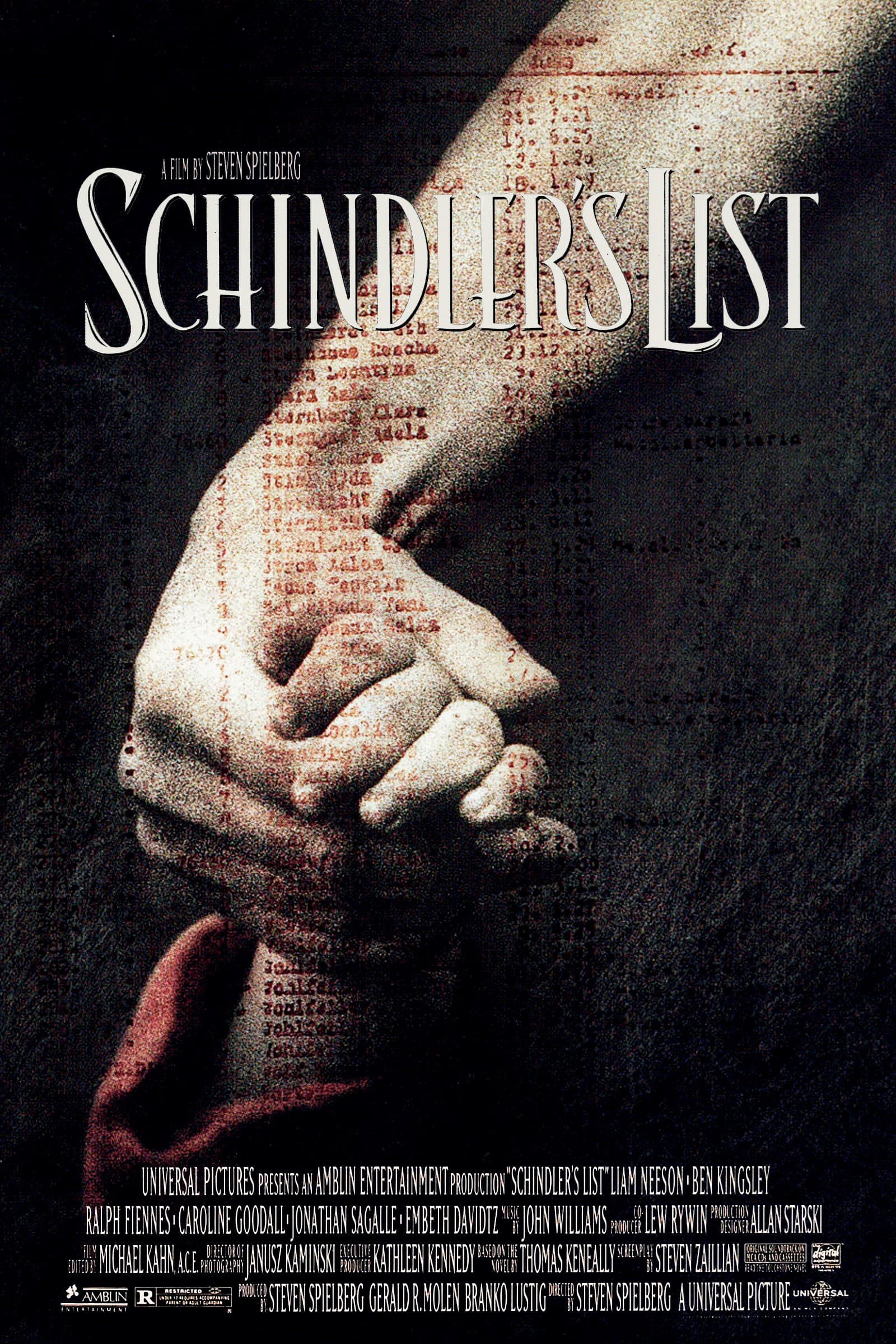
1993 // VHS
Schindler's List
A businessman who keeps a list — and keeps changing the kind of man he is.
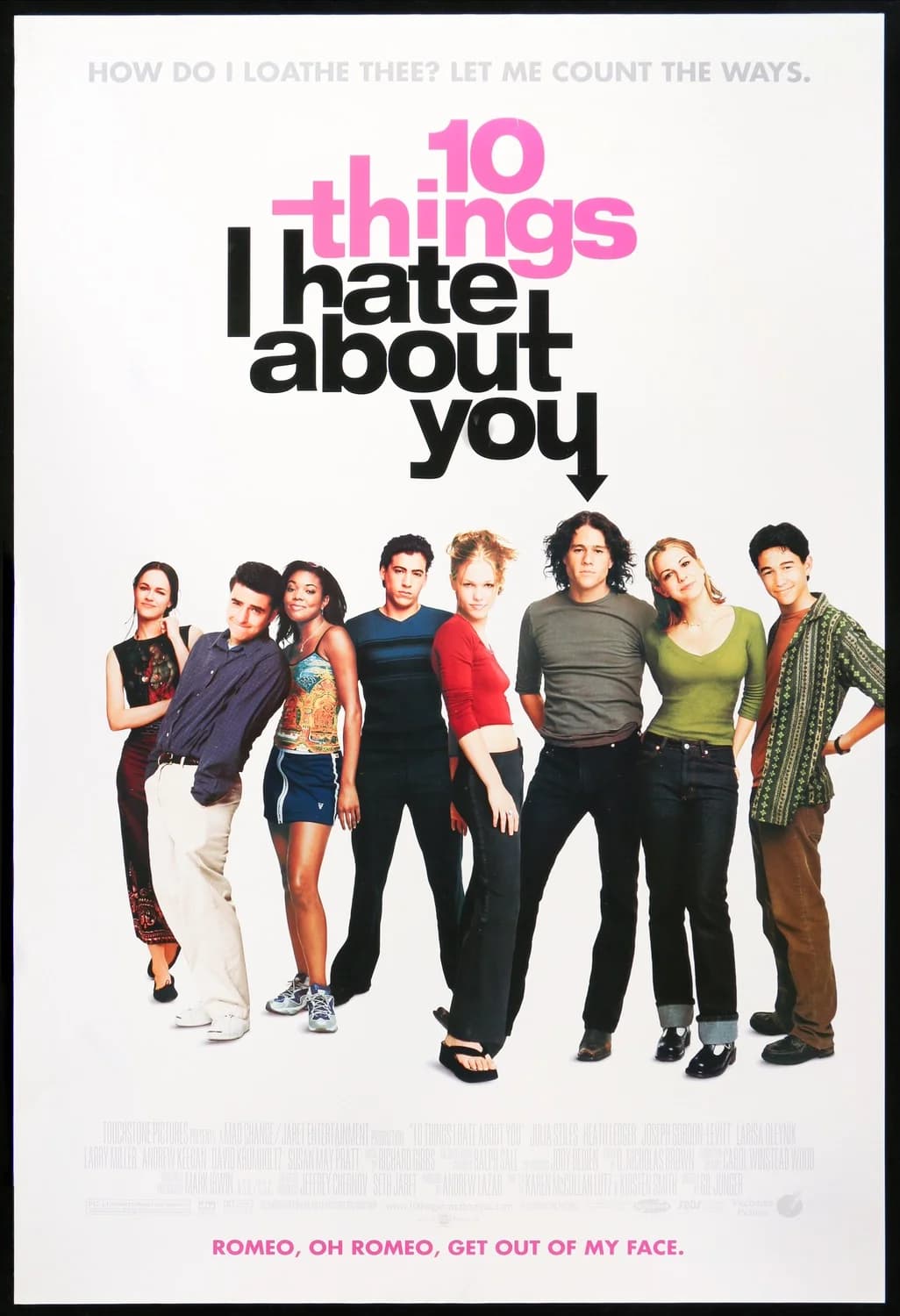
1999 // VHS
10 Things I Hate About You
Sibling rules, a rooftop serenade and one very stubborn Kat — Shakespeare in a school corridor.
1999 // VHS
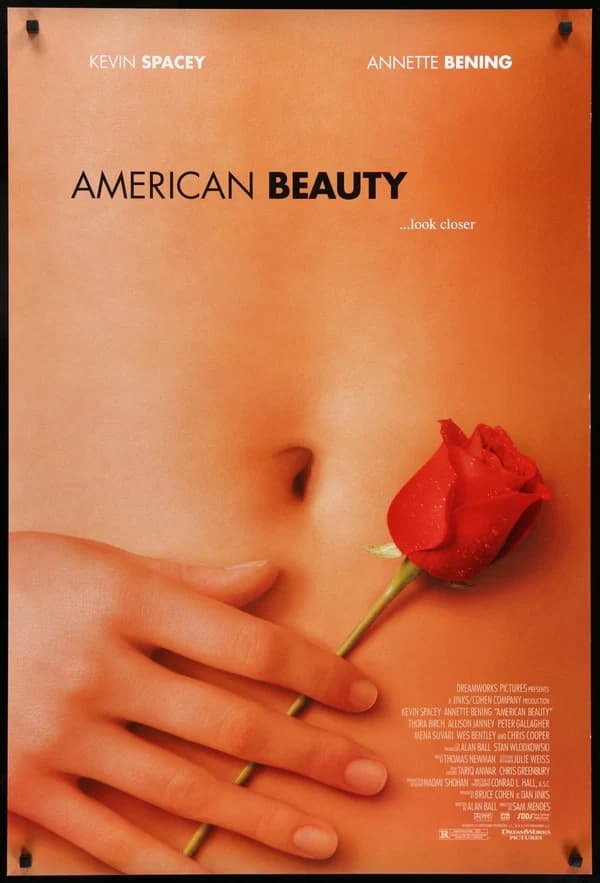
American Beauty
Lester Burnham, suburban rot and a midlife argument that still stings.