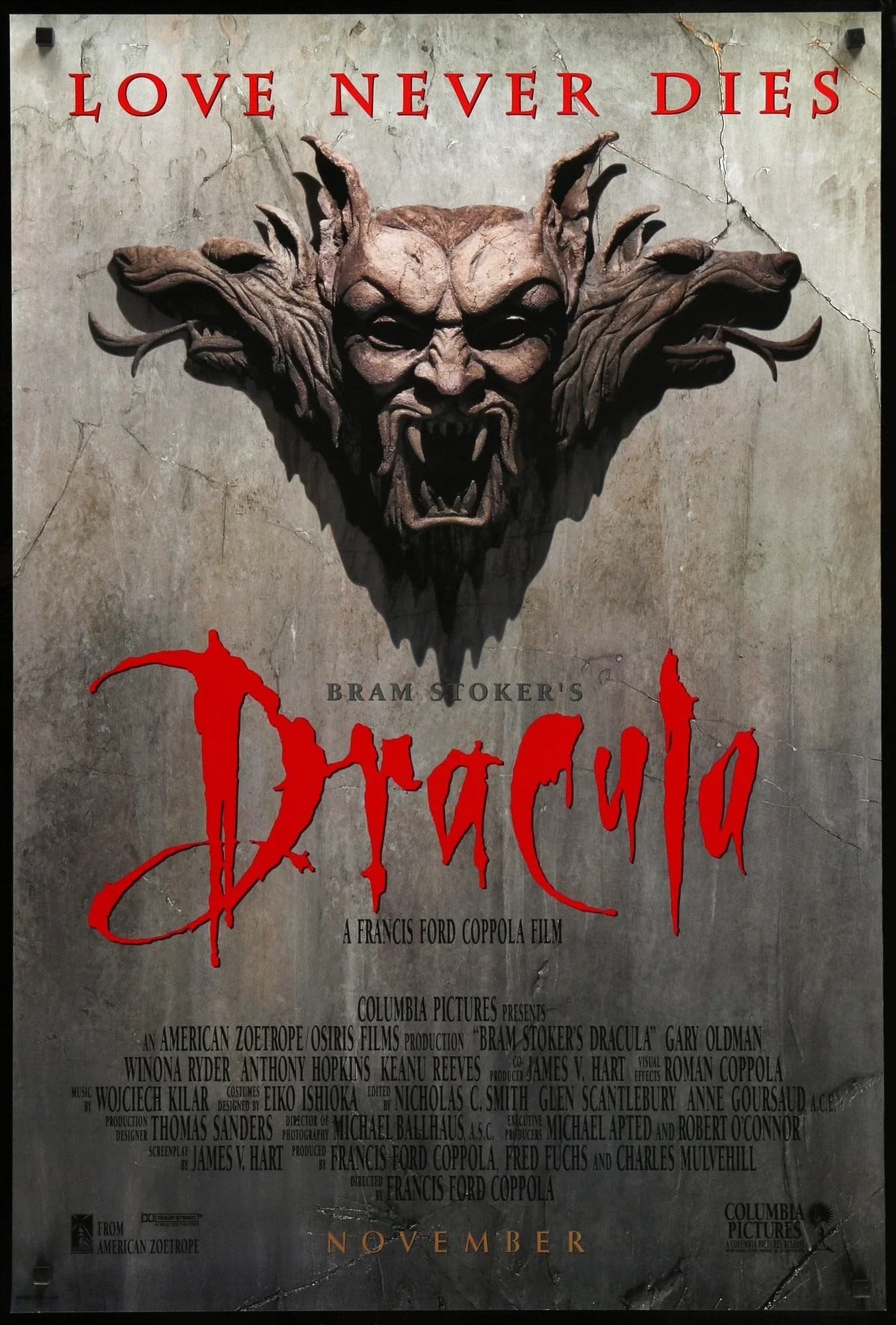
Bram Stoker's Dracula
A love that will not die — even if it has to become a monster to keep going.
// The setup
PLAYBACK STARTED
Coppola's Bram Stoker's Dracula arrives like a Victorian fever dream: a vampire whose cruelty is tangled up with grief, and a modern filmmaking appetite for theatrical excess. It pairs an obsessive backstory about a lost medieval love with a London tale of invasion and longing — and then refuses to treat those ideas lightly.
THE MOVIE
Dracula / Count / Vlad is still the reason this movie works
What keeps people talking about Bram Stoker's Dracula is not only its set-pieces or its costumes but the way the whole film pivots around a single obsession. Coppola opens the picture with an extended backstory: the vampire's descent is directly tied to the death of a medieval lover, Elisabeta, and that loss gives him a personal, almost sentimental motive for becoming what he is.
From Transylvania to London the plot follows an almost stubborn idea — Dracula sees in Mina the face of that old love, and his violence is presented as the flip side of longing. The film makes reincarnation and eternal love literal story engines: possession and desire are never abstract threats, they are very specific claims on a particular woman.
That focus gives the film personality. It’s a horror movie, sure, and a period drama, and a gothic romance all at once — but at its heart there’s a figure whose monstrous acts are explained, narratively and emotionally, by grief. That’s why the movie keeps inviting second looks: it asks the audience to sit with a vampire who is driven by the ache of a particular, lost human relationship.
THE SETUP
The idea that sets Bram Stoker's Dracula in motion
Coppola keeps the central mechanics straightforward: the film begins by laying out a medieval tragedy that explains why a man becomes a monster. That extended origin links Dracula's present to a named human love, and it matters because it turns abstract evil into a personal vendetta.
Jonathan Harker's trip to Transylvania is the practical doorway into the story, and it’s his meeting with the Count that starts the chain of events leading to London. The later sections of the film lean on the resemblance between Mina and Elisabeta — that resemblance is the engine for Dracula's fixation.
Rather than telling everything in one straight line, the movie moves between past and present. Framed flashbacks and the book-or-diary motif borrowed from the novel let Coppola jump in time while keeping the sense that history is repeating itself.
That structure keeps the focus on the romance at the centre: the past is never merely explanatory background, it actively resurfaces to reshape behaviour in the present.
THE CHARACTER
Why Dracula / Count / Vlad matters
Gary Oldman's Dracula is written into the movie as more than an archetypal predator; his monstrosity is given a named cause. The film insists that his vampiric violence grows out of grief for Elisabeta and an obsessive need to reclaim that lost love.
That specificity changes the way you read his actions. He’s not an anonymous embodiment of evil; he’s a figure with a backstory that the narrative repeatedly brings back into play. The result is a character who functions as both threat and tragic claimant.
Because the movie foregrounds that longing, every encounter between Dracula and the English characters carries an extra charge: it’s not just a clash of cultures or morals, it’s a collision between living people and someone trying to possess a memory.
In short, Dracula matters because the film makes his desire the plot’s axis — and because the story keeps returning to the idea that this particular, private loss justifies, in his head, monstrous acts.
UNDER THE SURFACE
Bram Stoker's Dracula has more on its mind than the plot suggests
On the surface it’s a vampire tale. Underneath, the film is insistently about romantic obsession and the idea of love that refuses to die. Coppola keeps returning to the notion that Mina is, in some sense, a reincarnation of Elisabeta — which turns pursuit into reclamation and obsession into a quasi-religious mission.
That blending of love and compulsion feeds directly into the film’s other tensions. Faith and blasphemy sit uneasily next to each other: religious rituals and questions of sacredness crop up where desire and transgression intersect.
Victorian sexual anxiety threads through those scenes, too. The movie stages moments where propriety and appetite are in direct conflict, making the vampire’s seduction an expression of cultural fears as well as personal ones.
Finally, there’s an undercurrent of foreign intrusion: Dracula arrives from elsewhere and his presence is experienced as a threat to a particular society. All these elements — obsession, reincarnation, faith, sexual panic, foreignness — are braided together so the film feels less like a checklist and more like a single, complicated mood.
THE FILMMAKING
How Bram Stoker's Dracula was put together
Visually the picture announces itself as a crafted object. Michael Ballhaus served as director of photography and the production deliberately mixed modern Arriflex cameras with a 1905 hand-cranked Pathé for selected sequences, giving parts of the film different photographic textures and hints of period authenticity.
Coppola leaned on in-camera techniques rather than outsourcing every oddity to post-production. The crew used stop-motion and pixilation for particular point-of-view shots, which keeps the film feel tactile where it could easily have gone slick.
Thomas Sanders ran a large studio-bound art department that built intricate period interiors. The emphasis on stage-built surfaces and baroque decoration makes the movie feel like theatre on a grand scale — deliberately artificial in a way that suits the story’s operatic impulses.
Those choices add up: the film plays less like a realistic Victorian portrait and more like a highly designed reinterpretation of that world, which is precisely the point of Coppola’s approach.
PRACTICAL EFFECTS
The effects work that gives Bram Stoker's Dracula its physical personality
The film favours hands-on craftsmanship. Greg Cannom led the special make-up effects team and is credited with multiple prosthetic transformations for Dracula, which gives the character tangible physical shifts across the story.
Miniature photography was part of the toolkit too, with a dedicated unit working alongside full-scale sets so the picture could move between intimate stagecraft and small-scale spectacle.
On set they built large practical pieces — the production even constructed a river of stage blood on sound stages — which underlines how committed the production was to physical effects over abstract digital fixes.
All of this makes the movie feel physically busy: the weirdness and the shocks are often literally in front of the camera rather than computer-rendered after the fact.
PURE 80S
Bram Stoker's Dracula could not belong to any other decade
Though released in 1992, the film sits squarely inside an early-1990s production moment. It was the first picture under a 1991 first-look deal between Coppola's American Zoetrope and Columbia, which places it at the intersection of studio muscle and independent ambition that the era favoured.
Its release also arrived during a renewed interest in vampire stories in the early 1990s, so Coppola's very lavish, old-fashioned take felt like both a throwback and a statement — a prestige genre picture that took design and craft seriously.
The movie’s heavy investment in production design and costume linked it to other high-profile early-90s films that foregrounded art direction as a selling point, making Dracula feel like a prestige event as much as a horror movie.
In short, it’s a product of its moment: ambitious, decorative and willing to treat a genre property as the centrepiece of a studio-backed artistic gamble.
WATCHING IT NOW
What has aged — and what hasn't
As a vampire story the film still reads comfortably in genre terms: the central subject matter — a classic vampire tale — hasn’t lost its ability to unsettle or fascinate viewers who enjoy those beats.
Musically the score by Wojciech Kilar remains a distinctive element, and the soundtrack’s inclusion of Annie Lennox’s 'Love Song for a Vampire' gives the film a kind of elegiac signature that still colours how scenes land.
Where the film dates is mostly in its theatrical ambition: the deliberate artifice, the stage-bound production design and the operatic framing can feel either marvellous or indulgent depending on your taste.
If you respond to tactile craft and overt design, Dracula still rewards repeat viewing; if you prefer stripped-back realism, the film’s deliberate theatricality may feel old-fashioned.
THE LEGACY
Why Bram Stoker's Dracula still matters
Part of its staying power is concrete: the film earned four Academy Award nominations and walked away with three Oscars for Costume Design, Makeup and Sound Editing — recognition that underlines just how much craft went into the production.
The movie also generated ancillary licensed material, from a Topps comic adaptation to a 1993 video game, which shows how the film’s distinctive look made it a marketable visual property beyond the cinema itself.
Finally, the way Coppola’s picture deliberately nods to earlier cinematic Dracula adaptations keeps it in the critical conversation; film histories consistently place it in the lineage of Dracula cinema because of that self-conscious visual engagement.
Taken together, awards, tie-in material and the film’s position in the adaptation lineage explain why it remains talked about: it’s a well-resourced, visibly authored entry in a long-running cinematic family.
THE VERDICT
Does Bram Stoker's Dracula still hold up?
Yes — if what you want from Dracula is ambition and theatrical craft. The film’s central promise is clear and it delivers: an extended origin ties the Count’s monstrosity to a lost love, and Dracula’s belief that Mina is Elisabeta drives the drama as surely as any stake or crucifix.
That core conceit — reincarnation and obsessive reclamation — keeps the movie narratively coherent. Coppola uses framed flashbacks and epistolary devices to move between past and present, so the sense of repeating history is never merely a rhetorical flourish.
There are caveats. The picture is deliberately operatic and baroque; its production values, heavy make-up transformations and ornate design are part of the point, but they will not be to everyone’s taste. Contemporary reception did single out the film’s transformations as a prominent element, which is part of why the movie still sparks argument.
If you enjoy gothic romance mixed with horror, and you like films that show their artifice proudly, then Bram Stoker's Dracula remains worth watching. It’s a film about possession in more ways than one — and it’s happiest when you let its excess be the story it wants to tell.
// Featured in
More about Bram Stoker's Dracula
Share this movie
// Keep watching
More movies from the 90s
If Bram Stoker's Dracula is your kind of movie, there's plenty more on the shelves worth rewinding.
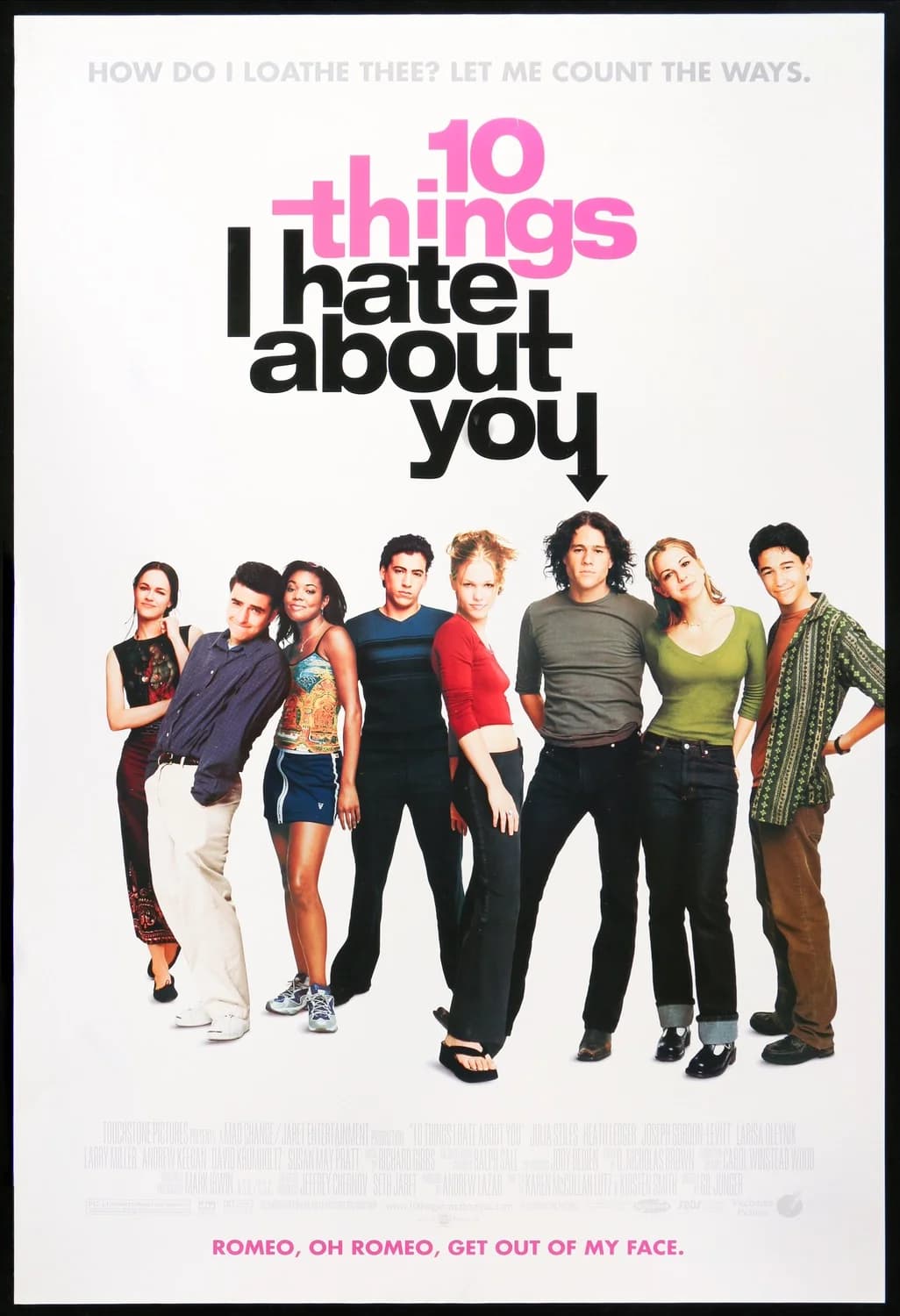
1999 // VHS
10 Things I Hate About You
Sibling rules, a rooftop serenade and one very stubborn Kat — Shakespeare in a school corridor.
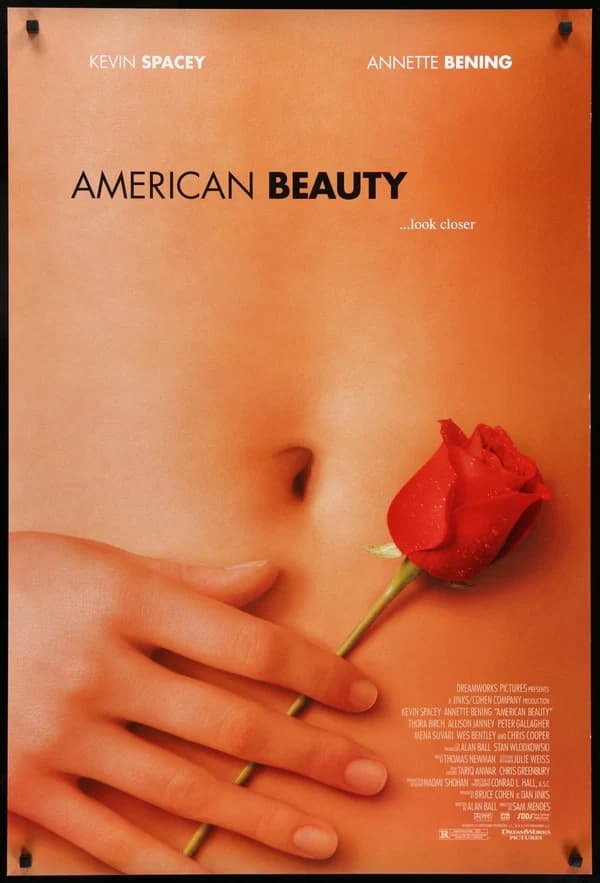
1999 // VHS
American Beauty
Lester Burnham, suburban rot and a midlife argument that still stings.
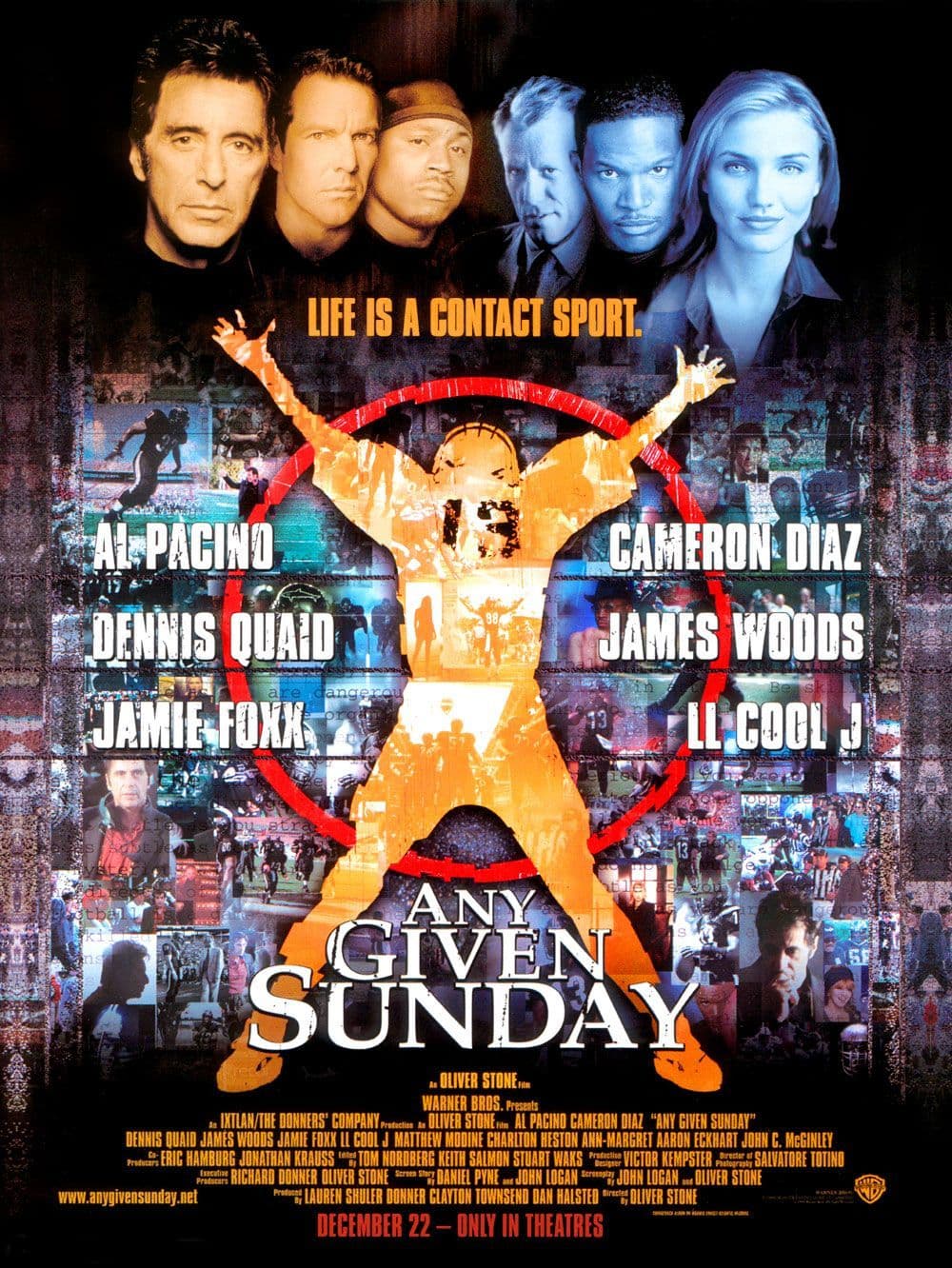
1999 // VHS
Any Given Sunday
Al Pacino's coach anchors the chaos of a film about football turned into product — loud, messy and oddly persuasive.