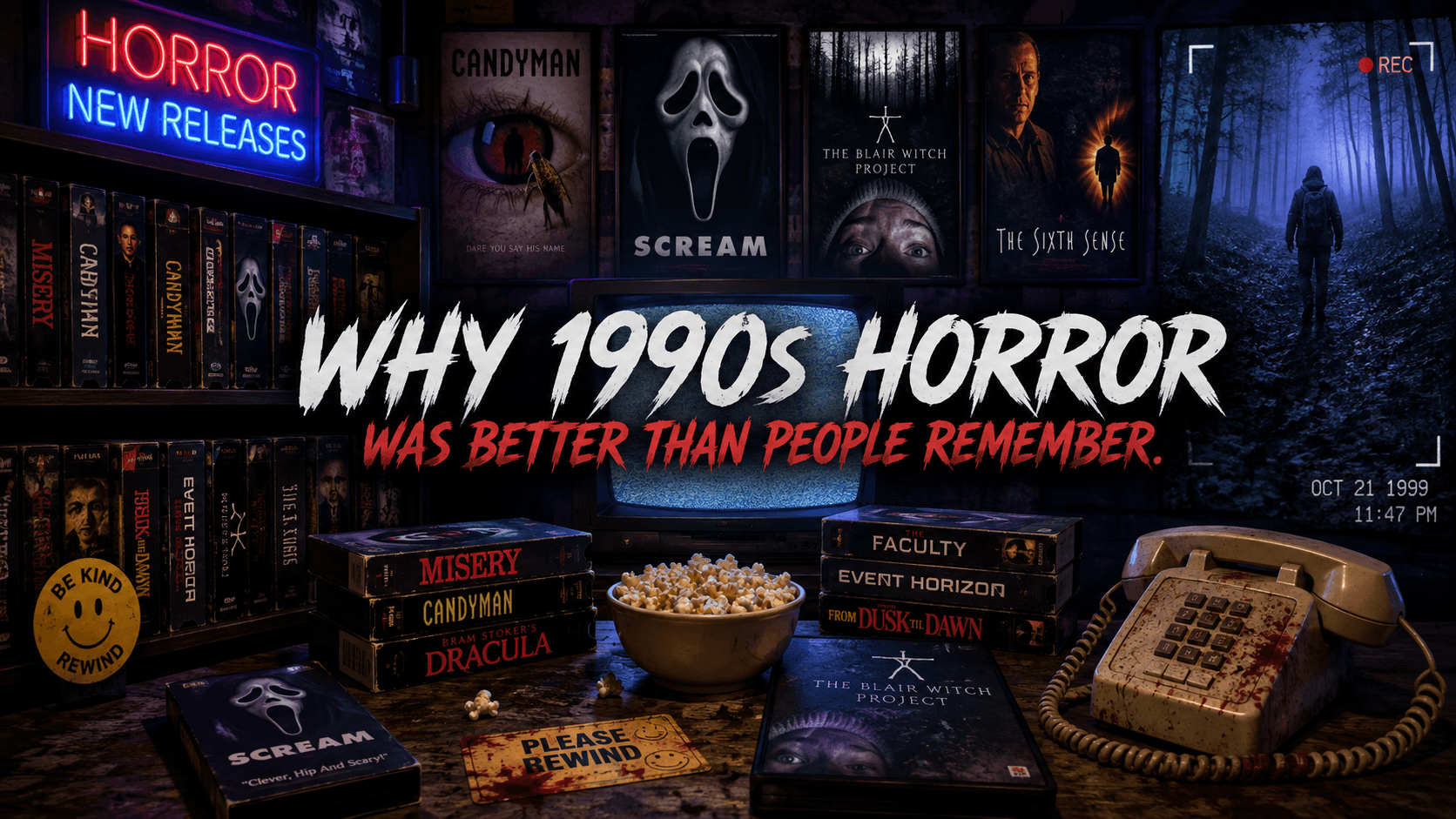
Why 1990s Horror Was Better Than People Remember
The 1990s are sometimes treated as horror's awkward decade — trapped between the slasher icons and practical-effects madness of the 1980s and the horror boom that followed in the 2000s. But look again. From Misery and Candyman to Scream, The Blair Witch Project and The Sixth Sense, the 1990s didn't kill horror. It realised horror had to change.
THE MORNING AFTER THE 1980s
Horror Had a Problem
To understand 1990s horror, you have to understand what it inherited.
The 1980s had turned horror villains into movie stars.
Successful horror movies became franchises. Franchises produced sequels. Successful sequels produced more sequels.
Eventually audiences knew the rules.
Don't go into the woods.
Don't investigate the noise.
Don't have sex at summer camp.
And if the bloke wearing the mask appears to be dead, for God's sake don't stand next to him waiting to see if he moves.
We'd seen it all before.
That didn't mean slashers suddenly disappeared when 1990 arrived, far from it.
But horror couldn't spend another ten years simply making variations of the same movie.
Something had to change.
And one of the first great horror movies of the decade showed that you didn't need a supernatural monster at all.
Misery
Sometimes the Monster Is Just a Person
Misery arrived in 1990 and gave horror one of the decade's most unforgettable villains.
Annie Wilkes didn't wear a hockey mask.
She didn't invade dreams.
She wasn't an ancient demon.
She was a fan.
A terrifyingly devoted fan.
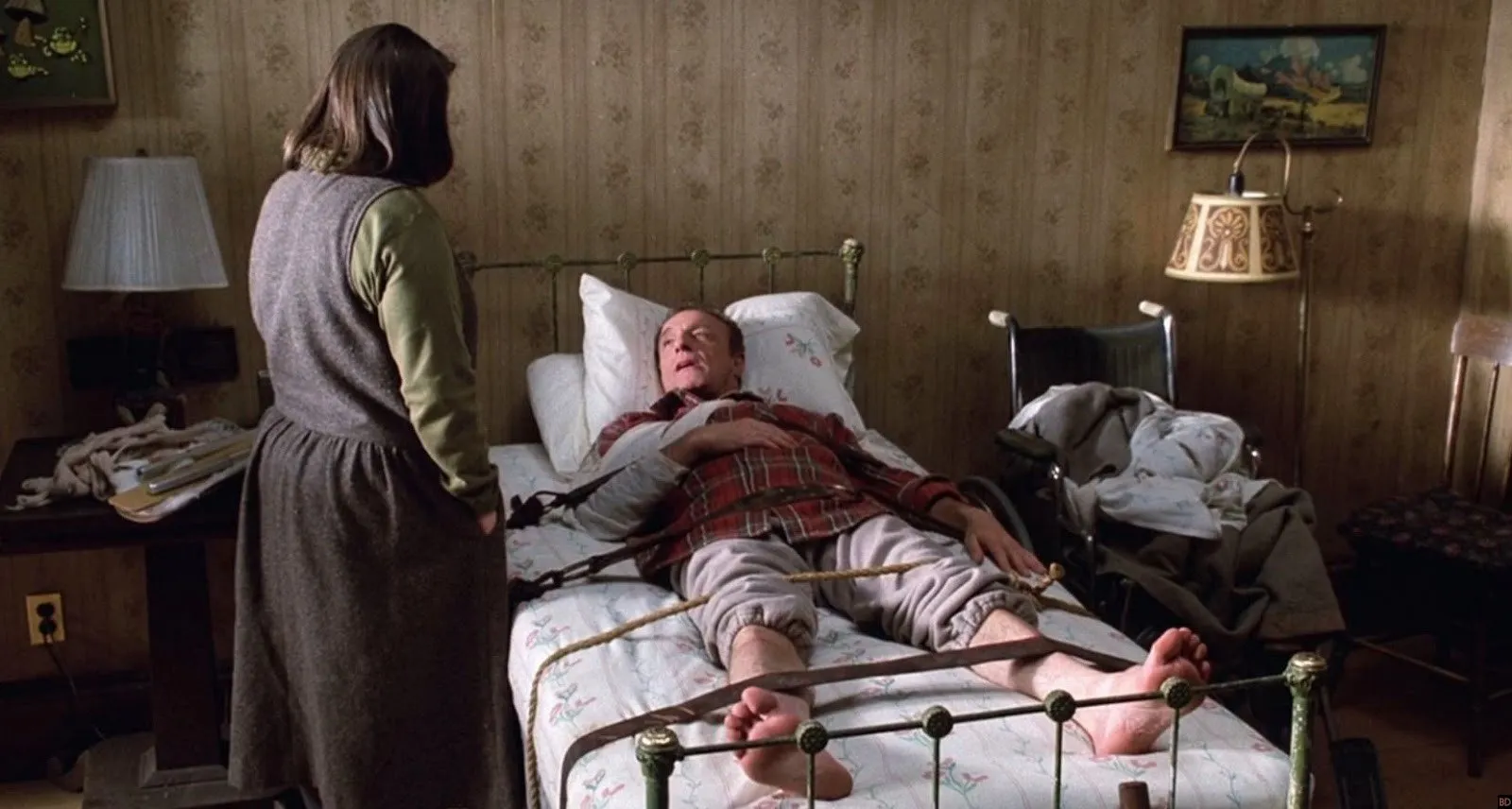
Rob Reiner's adaptation of Stephen King's novel trapped writer Paul Sheldon inside a remote house with someone who initially appeared to have saved his life.
Then Annie began revealing who she really was.
Kathy Bates' performance transformed the character from enthusiastic admirer to terrifying captor without needing supernatural powers.
And that's what makes Misery so effective.
Paul can't defeat Annie by discovering some ancient curse or magical weakness.
He's injured, isolated and trapped with a human being who controls virtually every part of his existence.
The infamous hobbling scene became one of the decade's defining horror moments, but Misery works because of everything surrounding it.
The tension.
The isolation.
The unpredictability.
The knowledge that Annie can switch from friendly to terrifying in seconds.
The 1990s were already showing us that horror didn't need another masked killer.
Sometimes the person bringing you dinner was frightening enough.
THE MONSTERS CHANGED
Candyman Gave the Urban Legend a Name
Then came Candyman in 1992.
Say his name five times into a mirror.
It's one of those horror ideas so simple you almost wonder why nobody came up with it first.
Bernard Rose's film, adapted from Clive Barker's The Forbidden, gave us Tony Todd as one of the decade's great horror figures.
But Candyman wasn't simply another supernatural killer movie.
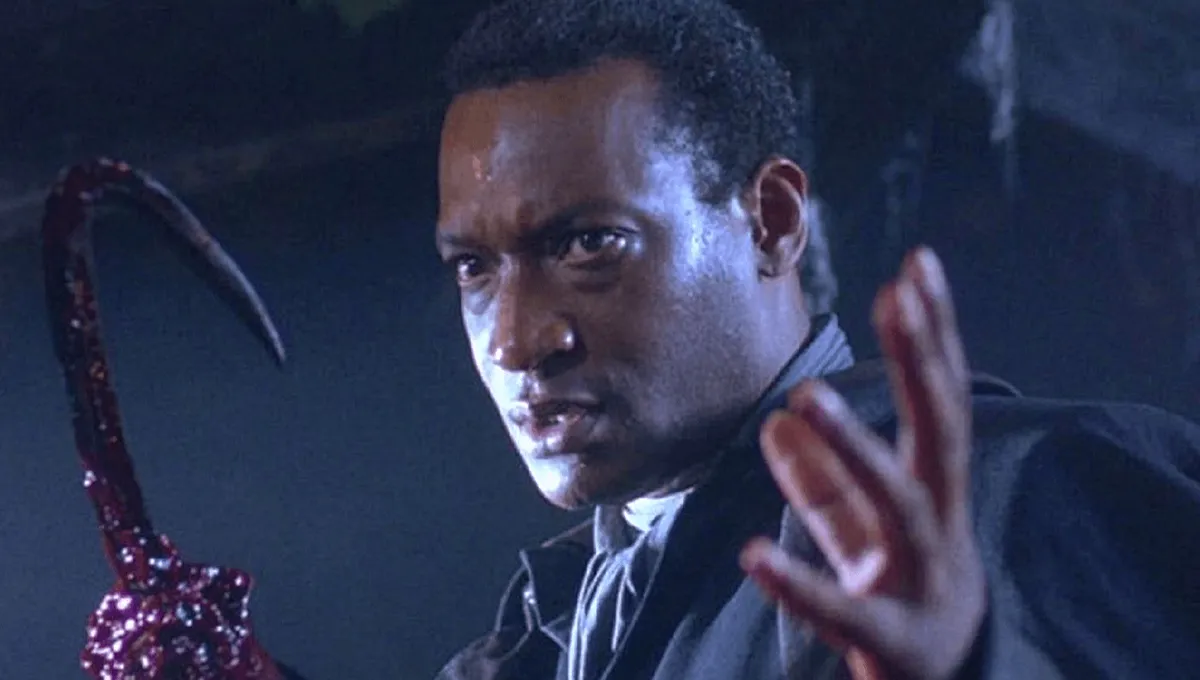
It was interested in mythology.
Rumours.
Belief.
Violence.
Race.
Class.
And the way communities create and preserve stories.
Candyman exists partly because people continue telling his story.
That's what makes the character so fascinating.
He's both monster and legend.
And Tony Todd gave him something very different from the killers who dominated the previous decade.
Presence.
Candyman didn't need to chase somebody through the woods.
He could speak.
He could seduce.
He could make you listen.
And that voice alone was enough to make mirrors considerably less appealing for a generation of horror fans.
GOTHIC HORROR CAME BACK
Dracula Was Sexy, Bloody and Completely Over the Top
Horror wasn't only looking forward in the 1990s.
Sometimes it went backwards.
Way backwards.
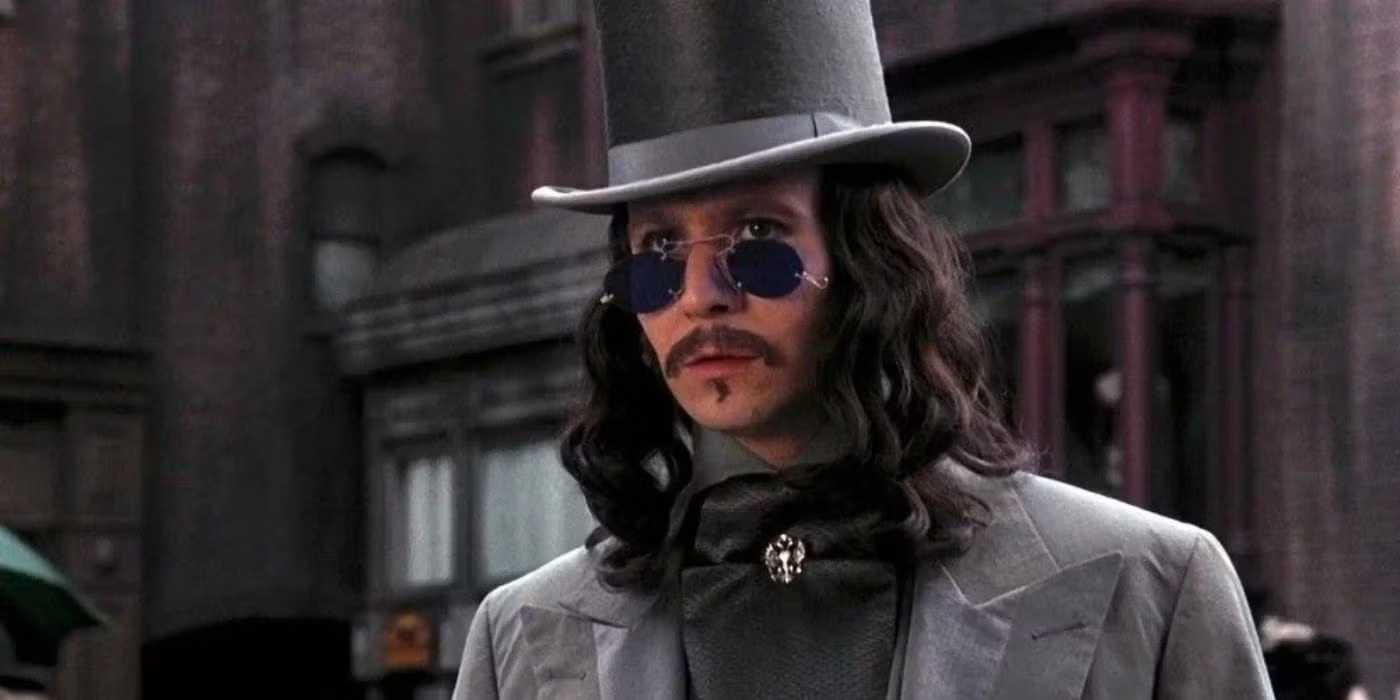
Francis Ford Coppola's Bram Stoker's Dracula arrived in 1992 and dragged Gothic horror back onto the big screen with Gary Oldman, Winona Ryder, Anthony Hopkins and Keanu Reeves.
It's lavish.
It's romantic.
It's bloody.
It's weird.
And visually, it's absolutely gorgeous.
The movie reminded audiences that horror didn't have to mean teenagers being chased around suburban America.
There was still enormous power in the old monsters.
Dracula.
Vampires.
Gothic castles.
Shadows.
Practical effects.
Victorian sexuality.
Horror history itself became something filmmakers could rediscover and reshape.
A couple of years later, Interview with the Vampire would push the romantic vampire even further into the mainstream.
The vampire wasn't dead.
It had simply changed clothes.
HORROR GOT WEIRD
The Decade Refused to Stay in One Box
One of the biggest arguments against the idea that 1990s horror was weak is how different the films were.
Jacob's Ladder gave us psychological nightmare imagery.
Arachnophobia turned something millions of people already hated into multiplex entertainment.
Cape Fear blurred the boundary between thriller and horror.
In the Mouth of Madness threw audiences into John Carpenter's Lovecraftian nightmare.
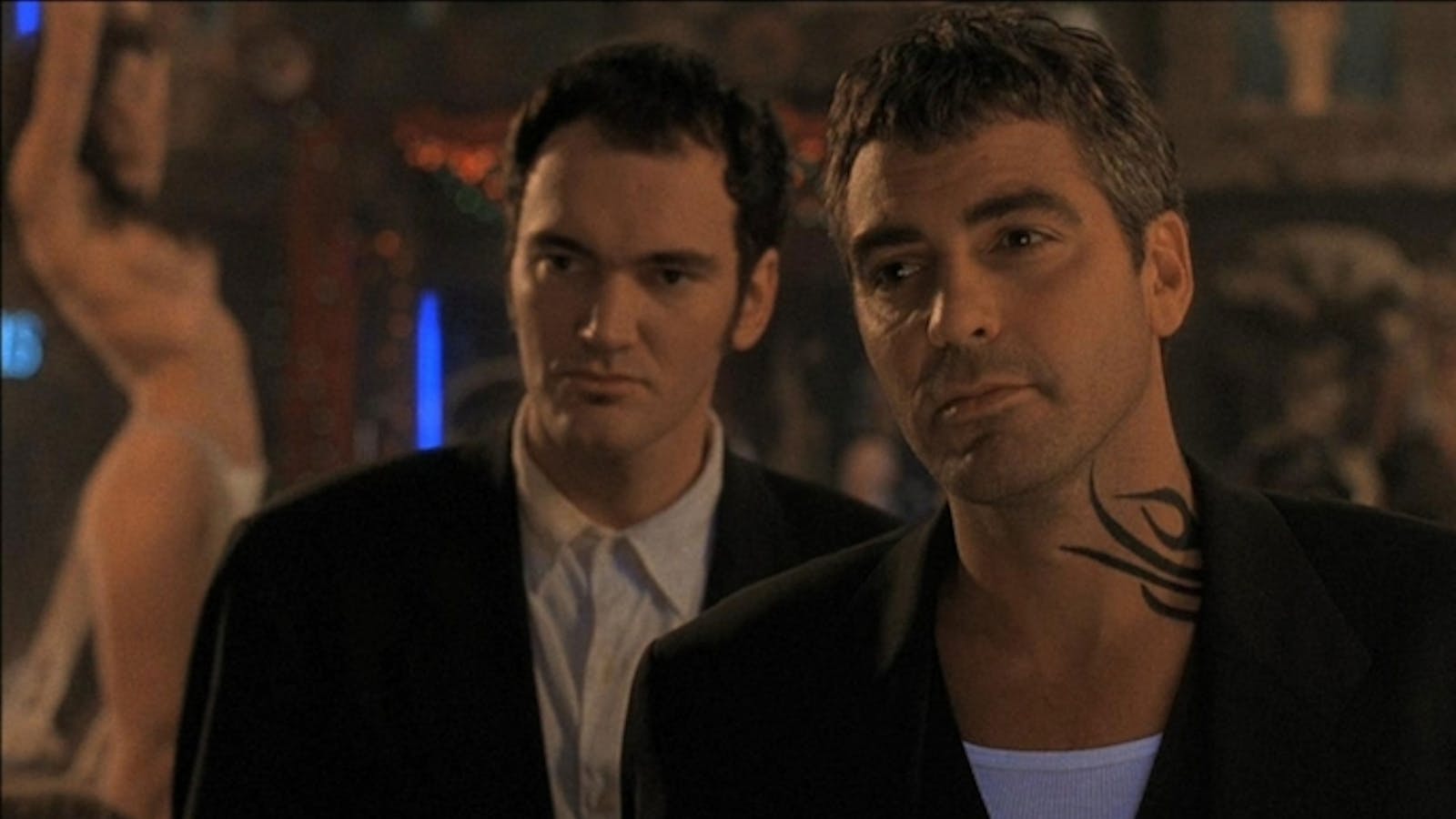
From Dusk Till Dawn started like a crime movie before suddenly deciding what everybody really needed was a bar full of vampires.
Event Horizon essentially asked what would happen if you sent a haunted house into space.
And then there was The Craft.
Teenage witches, outsider culture and 1990s fashion collided in a movie that became much bigger culturally than its initial theatrical life might have suggested.
That's the thing about the decade.
1990s horror wasn't one movement.
It was horror trying everything.
THEN SCREAM HAPPENED
Horror Realised the Audience Knew the Rules
By 1996, horror had a problem it could no longer ignore.
The audience had become experts.
We'd watched the movies.
We knew what characters weren't supposed to do.
We knew splitting up was a terrible idea.
We knew investigating the strange noise rarely ended well.
And Wes Craven understood something brilliant.
Instead of pretending audiences didn't know the rules, why not make that knowledge part of the movie?
Then Scream arrived.
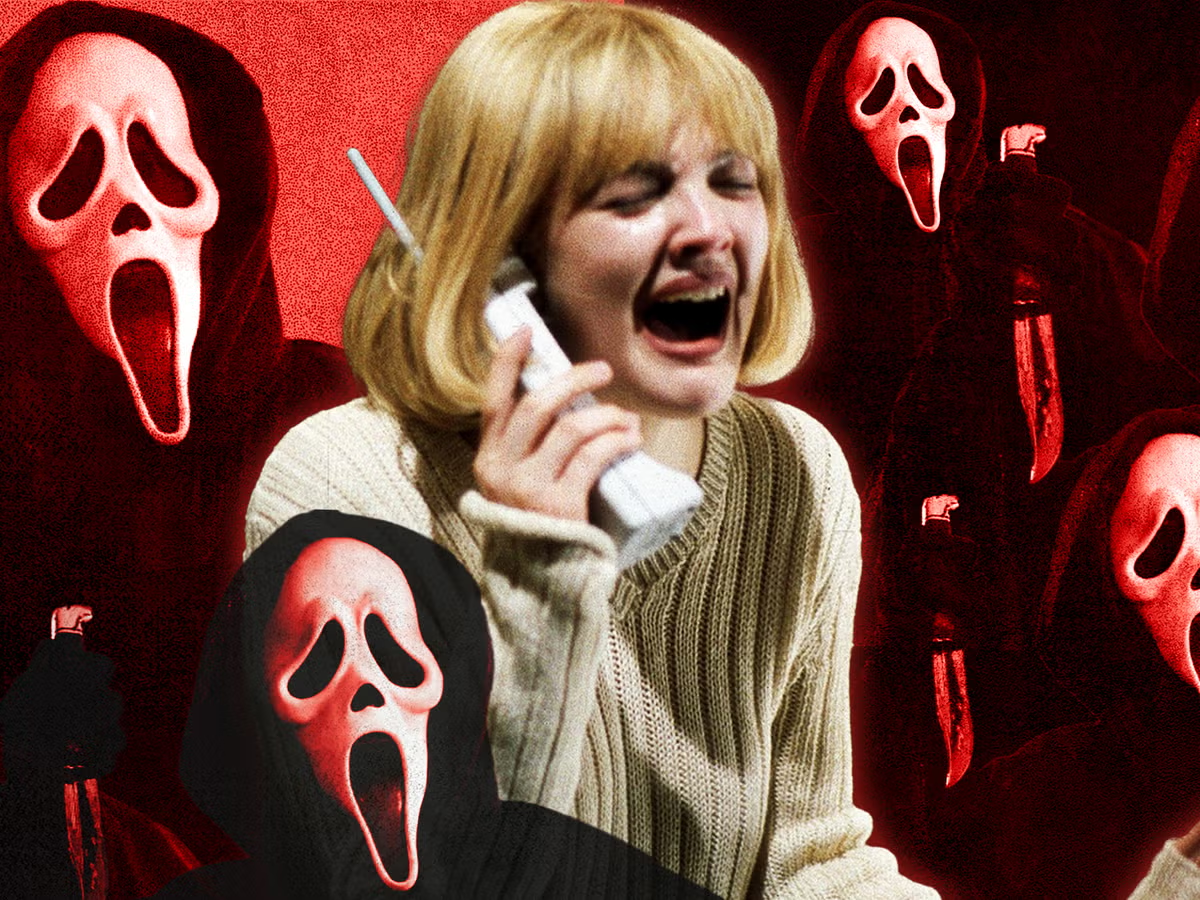
The opening sequence with Drew Barrymore immediately told audiences this wasn't going to play nicely.
A telephone rings.
A conversation about scary movies begins.
Then the movie turns that familiarity against us.
Ghostface wasn't frightening because we'd never seen horror before.
Ghostface was frightening because we had.
Kevin Williamson's screenplay let the characters understand horror conventions while still getting trapped inside them.
Suddenly knowing the rules didn't guarantee survival.
And underneath all the jokes and movie references, Scream was still a bloody effective slasher.
That combination changed everything.
GHOSTFACE CHANGED THE DECADE
The Slasher Movie Was Alive Again
The effect of Scream was immediate.
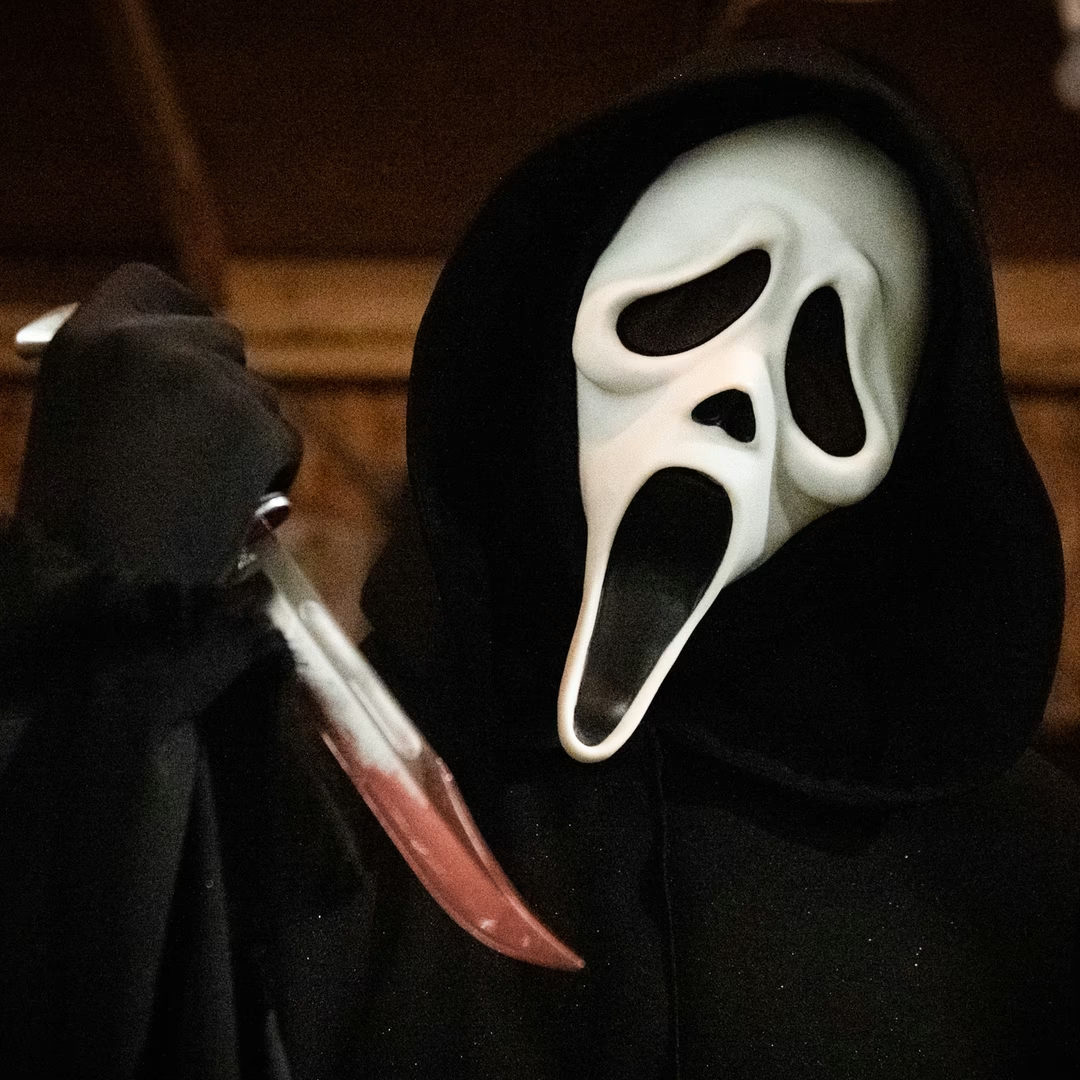
Suddenly, young, attractive casts and self-aware horror were everywhere.
I Know What You Did Last Summer followed in 1997.
Urban Legend arrived in 1998.
Halloween H20 brought Jamie Lee Curtis back as Laurie Strode.
The slasher hadn't disappeared.
It had been rebooted for a generation that understood exactly what a slasher movie was.
That's an important distinction.
The 1990s didn't simply revive the genre.
It changed the relationship between the horror movie and its audience.
We were now in on the joke.
And somehow that made horror fun again.
THE FACULTY
What If Your Teachers Really Were Aliens?
Robert Rodriguez's The Faculty might be one of the most wonderfully 1990s horror movies ever made.
Teenage cast.
Kevin Williamson screenplay.
Alternative soundtrack.
Aliens.
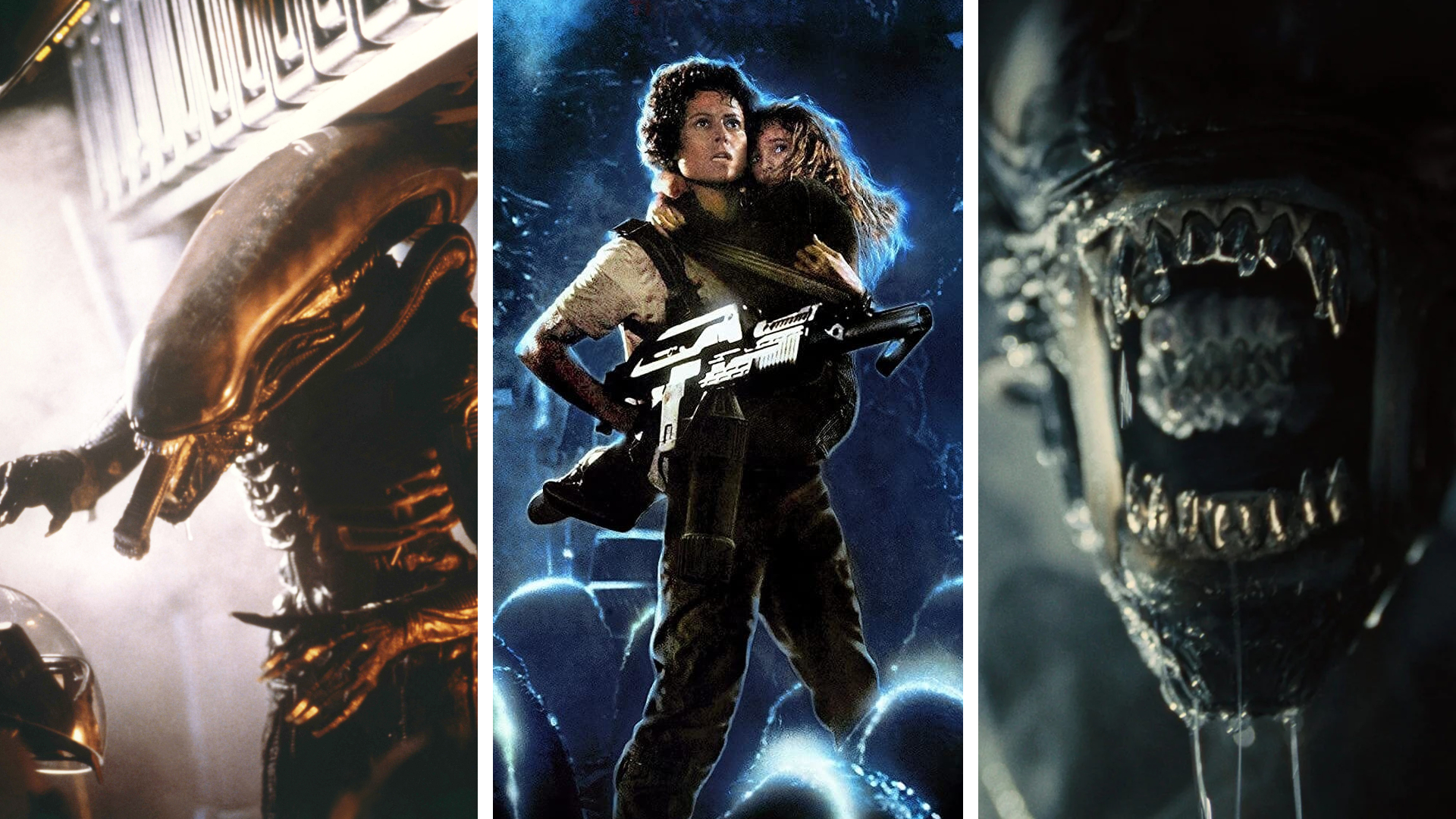
High school paranoia.
And the possibility that the adults around you are literally no longer human.
It took the body-snatcher idea and rebuilt it for the millennium.
And like plenty of the decade's best horror, it understood that teenagers didn't need another movie talking down to them.
The characters knew movies.
They knew science fiction.
They knew the clichés.
That didn't necessarily help.
By the late 1990s, genre awareness had become part of the genre itself.
SPACE COULD STILL BE TERRIFYING
Event Horizon Deserved Better
Then there's Event Horizon.
Released in 1997, Paul W. S. Anderson's science-fiction horror film wasn't exactly met with a warm reception.
Time has been considerably kinder to it.
The premise is brilliant.
A spacecraft disappears and then mysteriously returns.
A rescue crew goes aboard.
And they gradually discover that wherever the ship has been, it really shouldn't have gone there.
Event Horizon takes the isolation of Alien, adds haunted-house horror and then opens the door to something resembling Hell.
It's nasty.
Atmospheric.
Claustrophobic.
And contains imagery that probably lodged itself permanently inside the brains of quite a few people who stumbled across it on VHS.
Some horror movies are appreciated immediately.
Others need the audience to catch up.
The 1990s produced plenty of the latter.
VIDEO SHOPS STILL MATTERED
Horror Had a Second Life on VHS
This is easy to forget when you look only at box-office numbers.
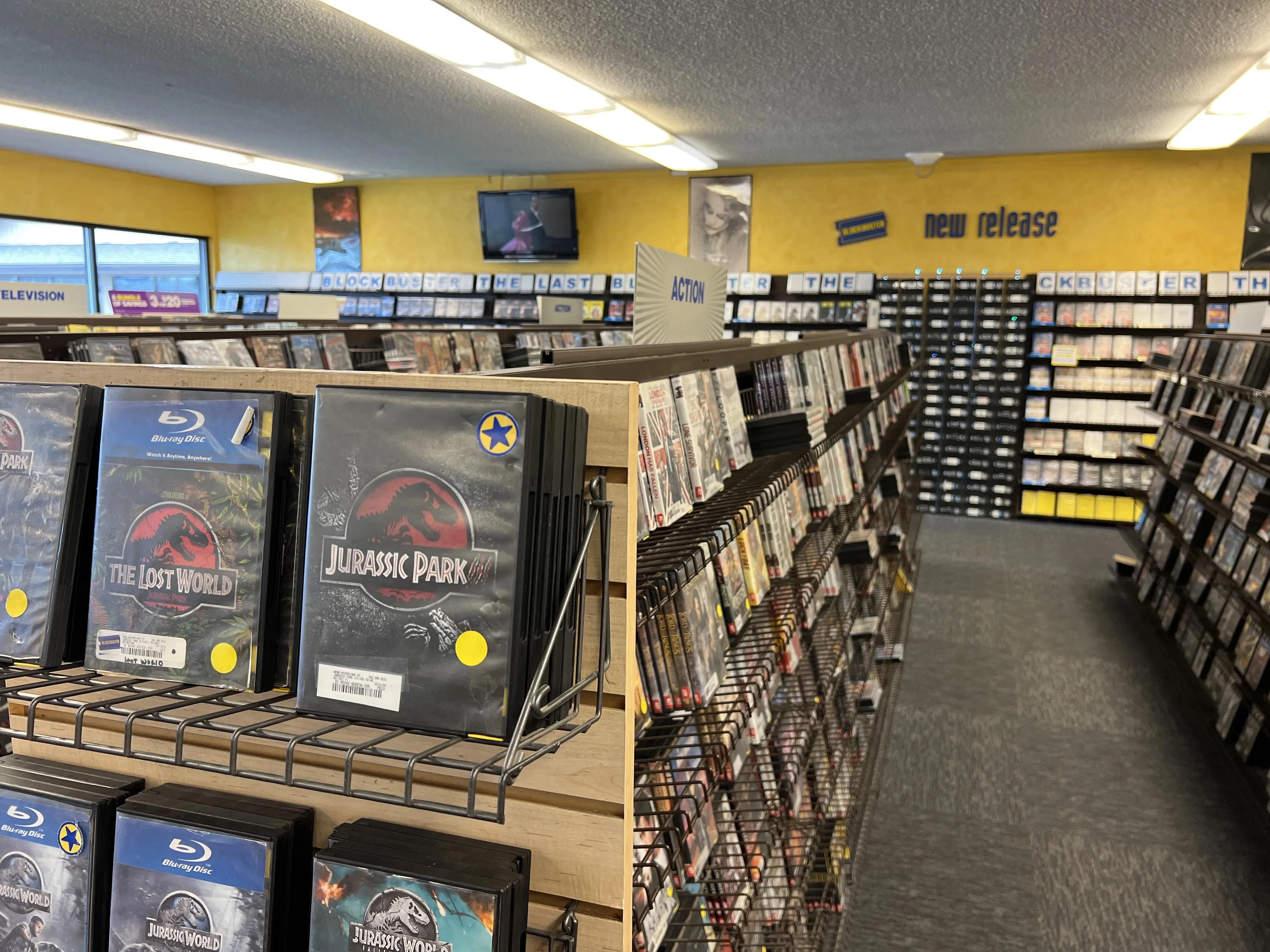
Video shops still mattered enormously in the 1990s.
A horror movie didn't necessarily need to become a massive theatrical hit to find an audience.
It could sit on a rental shelf.
Week after week.
Month after month.
Someone would eventually pick it up.
Maybe because of the cover.
Maybe because everything else they wanted had already gone.
Maybe because their mate had told them it was brilliant.
Horror thrived in that environment.
Movies could develop reputations gradually.
Films that hadn't conquered cinemas could become favourites at home.
And horror remained perfectly suited to sleepovers, Friday nights and somebody saying:
“I've heard this one's absolutely mental.”
For many of us, the video shop was still one of the greatest horror recommendation algorithms ever invented.
THEN THE INTERNET ARRIVED
The Blair Witch Project Changed the Game
If one movie represents horror stepping out of the old world and into the new one, it's The Blair Witch Project.
Released in 1999, Daniel Myrick and Eduardo Sánchez's film looked nothing like the polished studio horror audiences were used to.
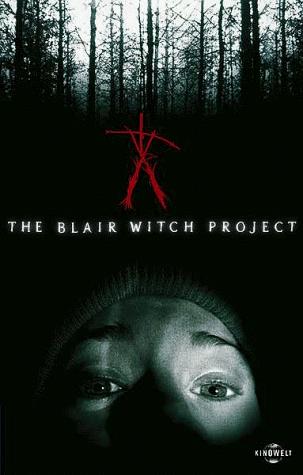
Handheld cameras.
Unknown actors.
No traditional monster reveal.
Very little explanation.
And that ending.
But the movie itself was only part of the story.
Its marketing used the emerging internet to blur the boundary between fiction and reality.
The mythology surrounding the Blair Witch could be explored before audiences even saw the film.
Was this real?
What had happened to these people?
What exactly was waiting in those woods?
Today we're used to films using websites, social media and viral campaigns.
In 1999, it felt different.
The internet itself was still mysterious enough to make it feel slightly dangerous.
Horror had found a new campfire.
And millions of people gathered around it.
FEAR DIDN'T NEED A MONSTER
The Sixth Sense Took Horror Into the Mainstream
Then, also in 1999, came The Sixth Sense.
M. Night Shyamalan's supernatural drama became one of the biggest films of the year and turned a simple sentence into part of movie history:
“I see dead people.”
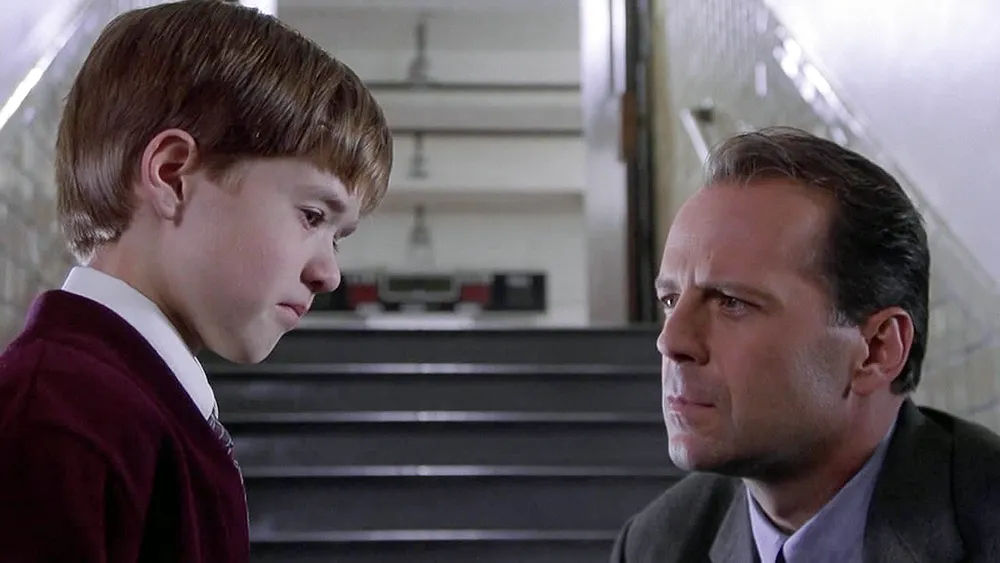
But reducing The Sixth Sense to its twist misses why it worked.
It's sad.
It's creepy.
It's intimate.
It treats ghosts not simply as things designed to make an audience jump, but as remnants of lives that haven't finished speaking.
Haley Joel Osment's Cole isn't a conventional horror protagonist.
He's a frightened child who can't escape what he sees.
And Bruce Willis gives one of the quietest performances of his career.
The movie showed that supernatural horror could become prestige mainstream cinema without abandoning what made it frightening.
By the end of the decade, horror wasn't dying.
It was back near the centre of popular culture.
1999 WAS A TURNING POINT
Horror Was Already Becoming the 2000s
Look at what happened near the decade's end.
Scream had rewritten the slasher.
The Blair Witch Project had demonstrated the possibilities of found-footage storytelling and internet marketing.
The Sixth Sense showed the enormous mainstream potential of supernatural horror.
Japanese horror was developing films such as Ring, whose influence would soon explode internationally.
Technology was changing.
The internet was changing.
Audiences were changing.
The foundations of 2000s horror were already being laid.
The decade didn't end with horror exhausted.
It ended with horror preparing another transformation.
THE 90s HAD ITS OWN ICONS
They Just Didn't All Wear Masks
Perhaps part of the reason the 1990s gets underestimated is because its horror icons looked different.
The 1980s gave us characters you could instantly recognise from across a room.
Freddy's glove.
Jason's mask.
Michael's face.
Pinhead's head.
Chucky's overalls.
The 1990s had Ghostface, certainly.
But many of its defining characters weren't designed primarily as franchise mascots.
Annie Wilkes.
Candyman.
Hannibal Lecter — if we're allowing horror's close cousin, the psychological thriller, into the conversation.
The Blair Witch, who we never even properly see.
Cole Sear seeing dead people.
The horror became as much about ideas as monsters.
And that helped the genre grow.
HORROR HAD GROWN UP WITH US
The Audience Was Different Now
There's another reason 1990s horror feels different.
Many of the kids who grew up watching horror during the VHS explosion were older.
They knew Freddy.
They knew Jason.
They knew Michael.
They'd watched the sequels.
They understood the clichés.
So horror started speaking to them differently.
Scream is perhaps the clearest example, but that awareness appears throughout the decade.
Movies could reference other movies.
They could play with expectations.
They could mix genres.
They could acknowledge that the audience had seen this before.
Horror didn't become less frightening because audiences understood it.
It became smarter about how it frightened them.
THE DECADE DESERVES ANOTHER LOOK
Stop Calling the 1990s Horror's Weak Period
Was every 1990s horror movie brilliant?
Of course not.
There was plenty of rubbish.
But that's true of every decade.
We remember the masterpieces of the 1980s and conveniently forget the mountain of straight-to-video nonsense sitting beside them.
Time edits decades.
The good films survive.
The bad ones disappear.
And when you actually look at what survived from the 1990s, the argument that horror somehow died becomes increasingly difficult to defend.
I Know What You Did Last Summer.
Ring.
That's not a genre dying.
That's a genre changing shape.
ONE DECADE ENDED. ANOTHER KIND OF HORROR BEGAN.
The 1990s Didn't Kill Horror — It Saved It
Maybe the problem was never the movies.
Maybe it was what we expected horror to look like.
If you judge the 1990s entirely by 1980s standards, then yes, things changed.
Fewer new masked killers were becoming global movie stars.
Practical-effects showcases weren't dominating the genre in quite the same way.
The traditional slasher machine had slowed down.
But horror wasn't supposed to spend eternity repeating 1984.
It needed new ideas.
New voices.
New fears.
And eventually a new audience.
That's exactly what the 1990s gave it.
The decade started with Annie Wilkes holding a writer prisoner in an isolated house.
It gave us Candyman waiting behind the mirror.
It let Dracula seduce audiences again.
It put Ghostface on the telephone.
It sent a spaceship to Hell.
It took three filmmakers into the woods and pretended they'd never returned.
And before the millennium ended, a frightened little boy told Bruce Willis that he could see dead people.
The 1990s weren't horror's lost decade.
They were the decade horror learned how to become modern.
And without them, the horror boom that followed might have looked very different indeed.
Keep reading
More features
Movies
10 Movies That Defined 1985
From time machines to pirate treasure, 1985 might have been one of the most ridiculously entertaining years in movie history.
Read the feature →
Horror
Why 80s Vampire Movies Were So Damn Good
The decade gave vampires leather jackets, nightclubs, motorbikes and a completely new attitude.
Read the feature →