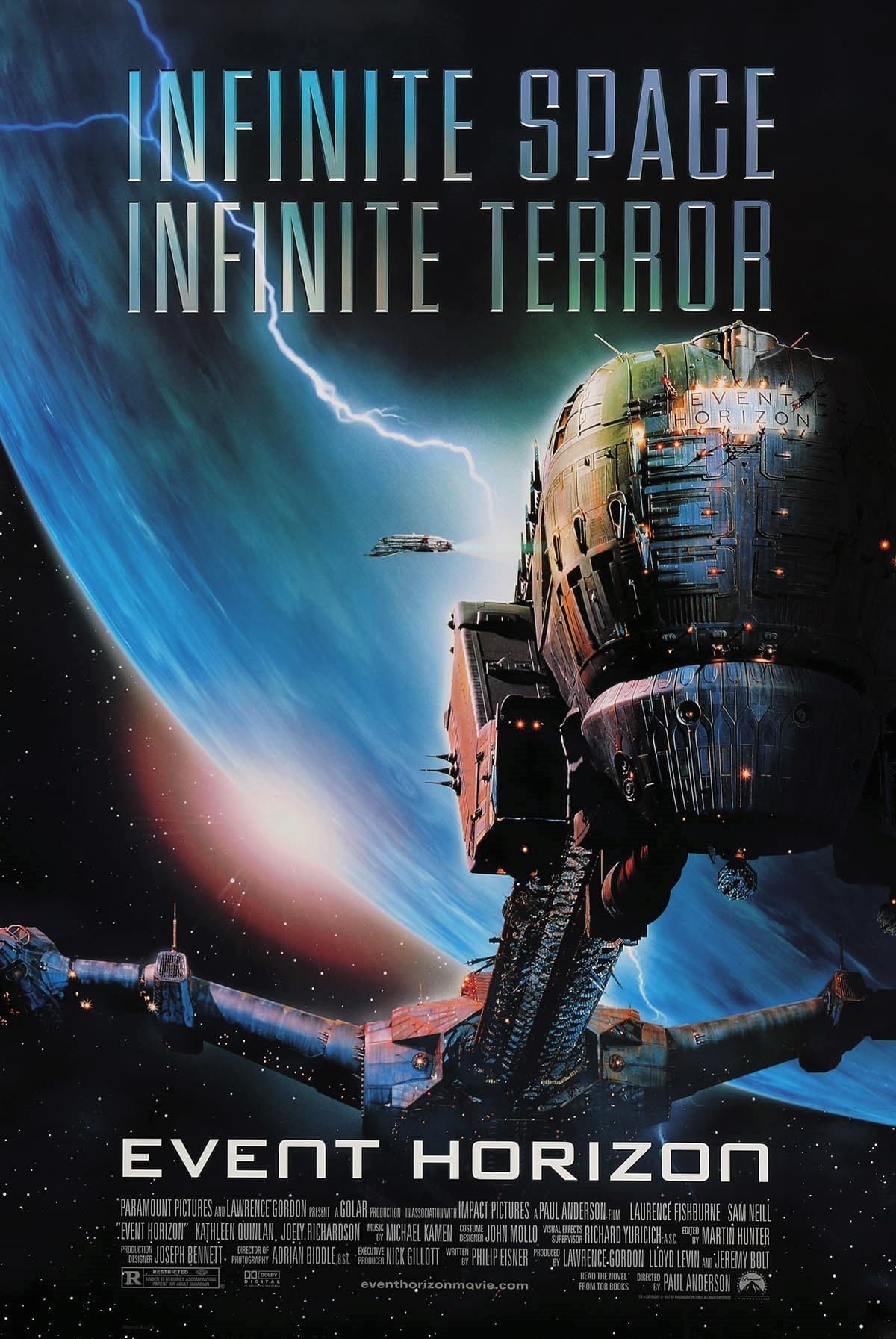
Event Horizon
A haunted ship, a pragmatic captain and the kind of scientific mistake that eats people from the inside.
// The setup
PLAYBACK STARTED
Event Horizon bristles with the sort of late‑90s movie confidence that says: build a big set, push the gore, and see what crawls out. Paul W. S. Anderson’s spaceship horror pairs a claustrophobic mystery with an idea — that curiosity about physics can become a kind of ritual — and wraps it around a crew who must reckon with what that curiosity unleashed.
THE MOVIE
Captain Miller is still the reason this movie works
Drop in seven years after a cutting-edge research vessel simply vanished, and you’ve already got mystery and dread stitched into the premise. The rescue crew that answers a faint distress call doesn’t arrive to a tidy explanation; they board a ship that has come back profoundly wrong.
What makes the Event Horizon alarming isn’t only that its gravity-drive apparently opened a passage to something resembling a hell — it’s the traces left behind: ritualised mutilation and evidence of mass violence that make the ship feel like a place contaminated by intent, not accident.
Against that, the film puts a particular kind of steady hand. Captain Miller is the pragmatic commander charged with protecting his people, and the story gives him an extra weight — a past mistake and survivor’s guilt that mean every decision carries consequence. That blend of duty and private fault is a central engine of the tension Paul W. S. Anderson drives through a compact 97‑minute runtime.
THE SETUP
The idea that sets Event Horizon in motion
The basic hook is deliciously simple: a ship vanished, then a signal brings a rescue team back to a craft that should not be where it is. That premise gives the movie permission to be both an investigation and a pressure cooker.
Once the team is aboard, the story shifts from external mystery to intimate torment. Members start to see hallucinations tuned to their own pasts — private bad dreams made public — and those visions escalate into real physical and psychological breakdowns.
The film also uses a grim aboard-the-ship document: a videolog showing what happened to the original crew. It’s not just atmosphere; the log explains how curiosity and experiment turned into something openly violent and ritualised.
All of this funnels into a clear central aim: stop the ship before its contamination spreads, while also surviving whatever the vessel has learned about the people on board.
THE CHARACTER
Why Captain Miller matters
Captain Miller is written as the pragmatic foil to a nightmare situation: he’s the officer who places duty above bravado, the kind of commander who makes hard calls because people depend on him.
That practicality isn’t empty temperament; it’s shaded by personal history. Miller carries guilt about losing a subordinate in the past, and that guilt keeps his choices from ever being purely professional — there’s a personal ledger he’s trying to balance even while the ship presses in around him.
The script also sets up a useful counterpoint in Starck, the executive officer who tests Miller’s limits. Their relationship gives the crisis a human fulcrum: the problem isn’t just what the ship is, but how those in charge try to protect others while being affected themselves.
Put simply, the movie needs someone who can hold a fragile group together under pressure, and Miller’s mixture of duty and private burden is exactly the sort of character that makes those moments land.
THE PERFORMANCE
Why Laurence Fishburne's performance matters
Contemporary coverage singled out Laurence Fishburne as one of the film’s steady presences, noting that he anchors the story when everything around him threatens to tip into spectacle.
That kind of steadiness matters here because the movie trades in shocks and grotesque turns; having a reliable centre keeps the audience tethered to a human decision-maker rather than letting the ship’s torments simply wash over the picture.
Sam Neill received similar notice in reviews for his portrayal of the haunted scientist, which helps the film carry its psychological horror beats without losing the human stakes.
So, whether you think the film’s extremities are too much or precisely the point, contemporary reaction suggests Fishburne and Neill provided the emotional ballast the story required.
UNDER THE SURFACE
Event Horizon has more on its mind than the plot suggests
On the surface it’s a haunted‑ship tale. Underneath, it’s more interested in what happens when technology outpaces the people who use it: the gravity-drive is treated as a breakthrough opened without the moral or metaphysical preparation to understand its consequences.
That scientific overreach is not abstract. The ship exploits pain and private failure — particularly Weir’s unresolved grief — and turns those vulnerabilities into weapons. The horror becomes intimate because it knows the crew better than they know themselves.
There’s also a clear idea of possession in play: the vessel doesn’t merely frighten; it reads, hunts and manipulates individual guilt and trauma to break people down.
Finally, the movie stages technology almost like ritual — advanced machines operating with a logic that feels ceremonial rather than merely technical — which helps the story slide from science fiction into something darker and older.
THE FILMMAKING
How Event Horizon was put together
A big part of the movie’s identity is its look. The cinematography and production design deliberately mix cathedral-like, almost religious imagery with a gritty, industrial sci‑fi aesthetic, a choice that nudges the ship toward the uncanny.
Anderson and his crew leaned heavily on in-camera methods: large built sets, moving elements and a memorable rotating tunnel and gyrosphere/gravity-drive area. The physicality of those constructions gives the ship a presence that’s more than computer-generated stage dressing.
Exterior shots relied on miniatures as part of the effects toolkit, which let the film balance tangible studio craftsmanship with visual effects where needed.
Credits also point to a compact post-production team — editing, cinematography and production design are clearly coordinated to keep the film tight and relentless across its 97 minutes.
PRACTICAL EFFECTS
The effects work that gives Event Horizon its physical personality
The movie blends digital work with a lot of hands-on craftsmanship. Visual-effects and miniatures houses contributed to the space visuals, while special-effects supervisors managed the more tactile problems of making the ship feel lived-in and dangerous.
For the movie’s more visceral moments, prosthetics, animatronics and makeup were central — the production used specialist effects companies and even real amputee performers where the story required authentic-looking mutilation.
The filmmakers also relied on moving, built sets to stage sequences that simulate zero‑gravity; actors were harnessed or suspended to accomplish inverted or floating staging rather than relying purely on digital trickery.
All those choices combine to make the ship feel physically threatening: the gore and the set mechanics are worked out in the same workshop, which keeps the film’s nastier moments grounded in something you can see and touch.
PURE 80S
Event Horizon could not belong to any other decade
The film sits squarely in the late‑90s moment where studios were willing to bankroll high-detail practical sets and ambitious model work while also tolerating, briefly, an appetite for more extreme gore.
That mix is key: the movie pairs blockbuster production values with body‑horror aesthetics that were commercially thorny at the time, which gives it a slightly awkward, slightly thrilling late‑90s personality.
It’s also part of a phase in Paul W. S. Anderson’s career that moved from genre playgrounds to more overt studio spectacles, and Event Horizon shows that transitional energy: big ideas, big sets, and a will to push formal boundaries.
So while the film borrows from earlier space-horror shorthand, it wears its decade on its sleeve through choices about scale, effects and how far to lean into gore.
THE LEGACY
Why Event Horizon still matters
The movie didn’t land cleanly with critics at first, but it found a second life on home video; over time, special editions and high-definition reissues have helped cement it as a prominent 1990s sci‑fi horror cult title.
Part of that afterlife is bound up with the story of what was cut: negative audience reaction to graphic content in early screenings led to substantial post‑production trims, and talk of a longer assembled cut has followed the film ever since.
Producers and the director have long discussed a more complete restoration, but a full, widely released ‘lost’ 130‑minute version hasn’t materialised, and the mystery of the missing footage has become part of the film’s allure.
So the movie survives today not just as a piece of horror filmmaking but as an artifact — a film continuously revisited and repackaged, with its reputation sustained by collectors and new editions that emphasise restored picture and extras.
THE VERDICT
Does Event Horizon still hold up?
Yes — but with a strong health warning. If you’re attracted to the movie’s core promises — a rescue mission into a ship that returned from a forbidden experiment, a craft that weaponises private guilt and shows the original crew’s descent into ritual violence — you’ll get what you came for.
The film’s tight running time and clear objective (contain or destroy the ship before its contamination spreads) mean it rarely pauses for wafty reflection; instead it leans into motion, decision and consequence, and that keeps the stakes immediate.
Contemporary reviewers recognised why this needed steady actors at the centre, and their responses singled out Laurence Fishburne and Sam Neill as useful anchors — a necessary human line through the ship’s psychological assaults. The movie’s weightier ideas about scientific hubris and grief are what stop it from being merely a sequence of shocks.
So should you watch it? If you want a 1997 sci‑fi horror that mixes big practical sets, visceral imagery and a moral idea about technological arrogance, it’s worth the trip. Just don’t expect the missing footage to show up and make everything gentler — the film’s power is in its compressed, fearful refusal to look away.
// Featured in
More about Event Horizon
Share this movie
// Keep watching
More movies from the 90s
If Event Horizon is your kind of movie, there's plenty more on the shelves worth rewinding.
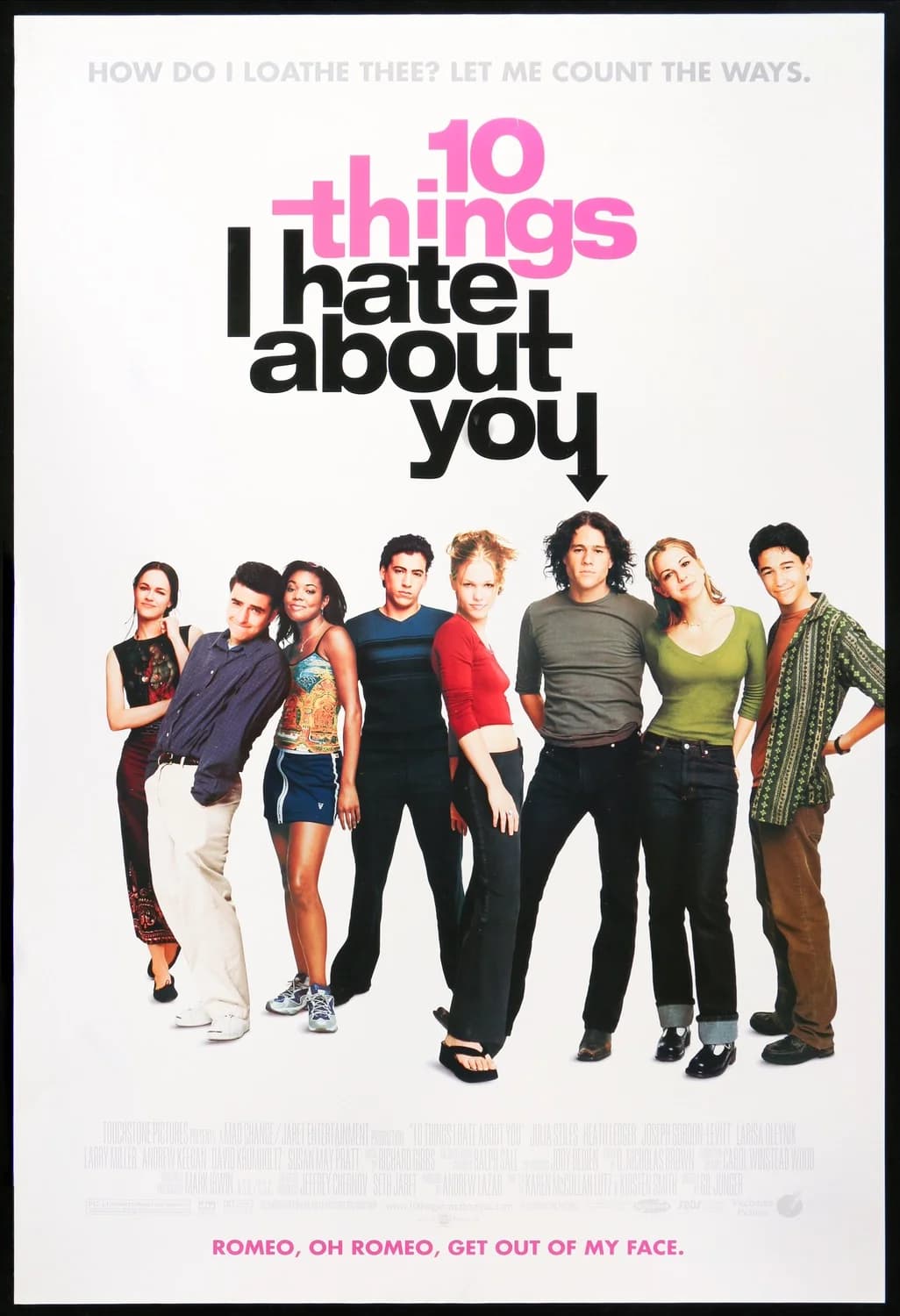
1999 // VHS
10 Things I Hate About You
Sibling rules, a rooftop serenade and one very stubborn Kat — Shakespeare in a school corridor.
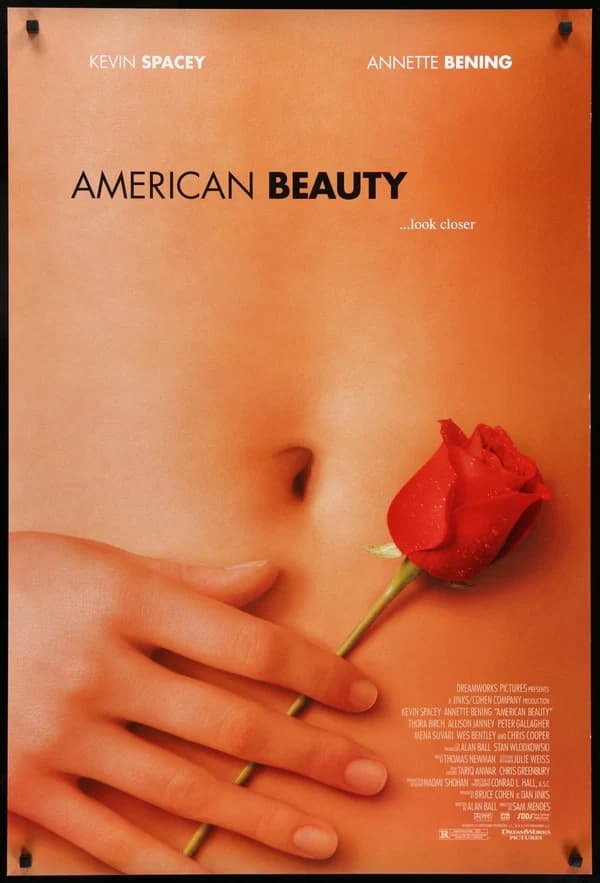
1999 // VHS
American Beauty
Lester Burnham, suburban rot and a midlife argument that still stings.
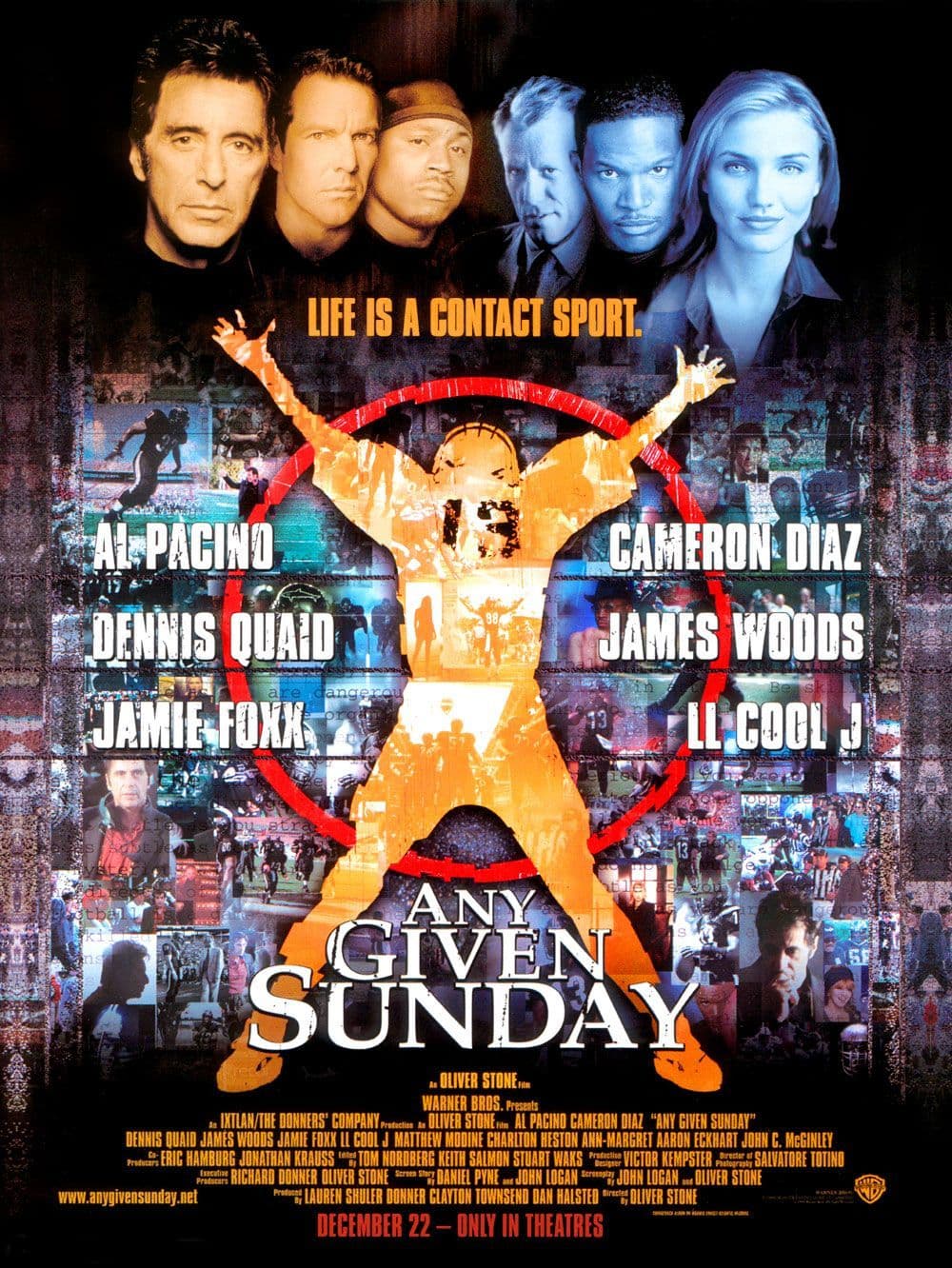
1999 // VHS
Any Given Sunday
Al Pacino's coach anchors the chaos of a film about football turned into product — loud, messy and oddly persuasive.