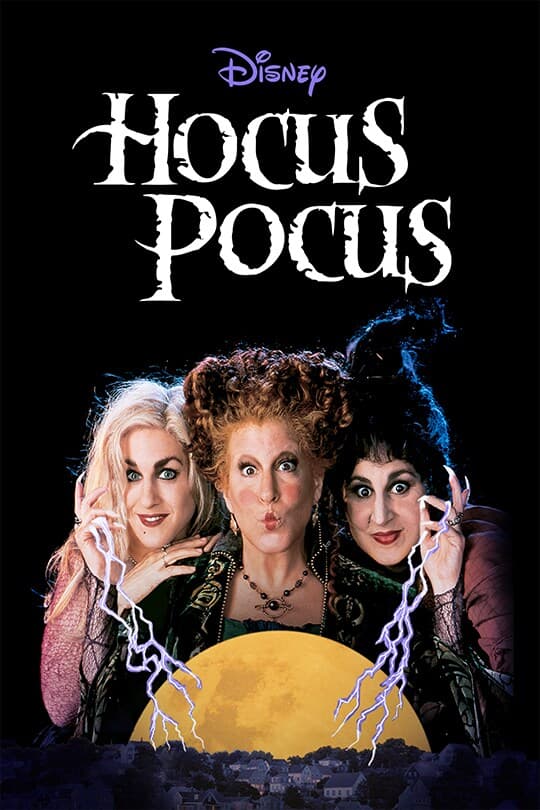
Hocus Pocus
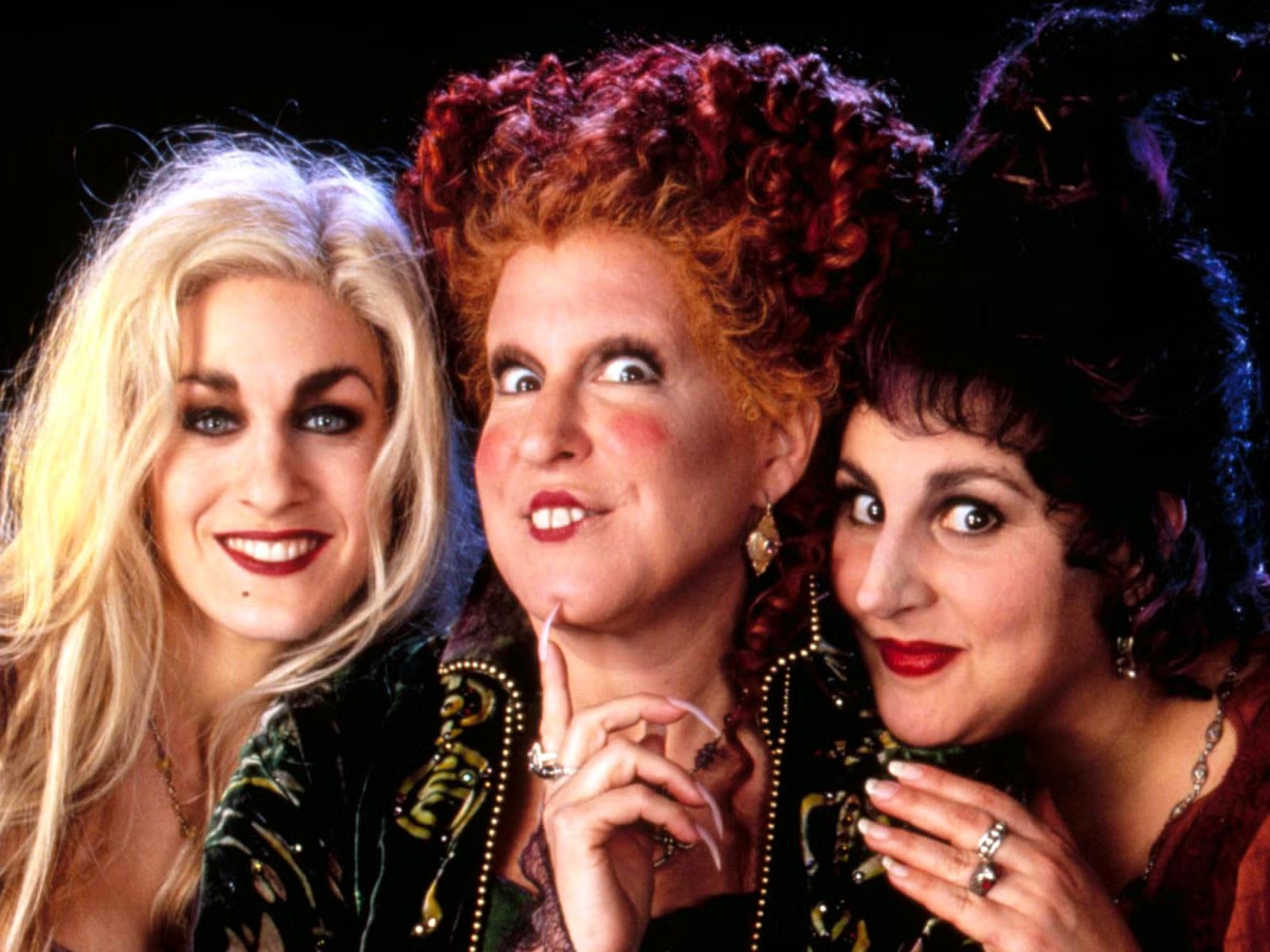
Three witches, one black flame candle and an alarmingly theatrical leader — Hocus Pocus is still Winifred’s show.
// The setup
PLAYBACK STARTED
Hocus Pocus never tries to be subtle. It’s a family-friendly comedy about three 17th‑century witches waking up in modern Salem, and the movie’s energy comes from how completely it embraces its own lunacy. Directed by Kenny Ortega and anchored by a witch who refuses to be ignored, it’s the kind of film that lives and breathes Halloween ritual — and keeps turning up on screens every October.
THE MOVIE
Winifred 'Winnie' Sanderson is still the reason this movie works
Put simply: the film is propelled by a force of nature in human form. Three 17th‑century witches are yanked back into the present and immediately set about doing what witches do best in family comedies — trying to get their youth back by any means necessary. The whole contraption kicks off when a teenager lights a black flame candle on Halloween and brings them back to Salem.
That premise — witches versus the modern world, with ticking‑clock stakes about stolen youth — sounds like it should live or die on one thing: personality. And personality is exactly what the movie supplies. Kenny Ortega directs with a neat sense of stagecraft, and Bette Midler’s Winifred Sanderson is written and played as the dominant centre of gravity: the plan, the plot and the loudest laugh in the room.
It’s a family film, so everything is kept energetic and clear: magical rules, a handful of reliable limitations and a compact set of dangers to steer the action. That clarity is why Hocus Pocus has found an odd long life on TV and streaming; it’s uncomplicated, seasonally obsessive and remarkably watchable when you want a Halloween mood — loud, theatrical and intentionally daft.
THE SETUP
The idea that sets Hocus Pocus in motion
The engine is tidy: witches from the 1600s are accidentally resurrected in present‑day Salem and immediately resume the old business of regaining youth by feeding on children. It’s deliberately simple — which is helpful when a movie is juggling songs, pratfalls and a talking cat.
What keeps the action from being pure chaos are a couple of rules. There’s a clear tactical limit — the witches can’t step on hallowed ground — and the spell book isn’t decorative: it actively helps the story by opening and revealing itself at key moments, which naturally drives chases and confrontations.
Those mechanics make the film feel like a game with defined obstacles. You understand what the characters must do and why, and that makes room for the film’s theatrical beats to land without losing the audience.
The screenplay credits sit with Mick Garris and Neil Cuthbert, from a story that had a compact, stagey logic — the kind of setup that benefits from economical plotting rather than sprawling explanation.
THE CHARACTER
Why Winifred 'Winnie' Sanderson matters
There are three Sanderson sisters, but the movie gives you a clear lead. Winifred is the planner, the loudmouth and the plot’s prime mover — she’s the sister with the map and the appetite for youth. That centralisation matters because it focuses the film’s comic engine: when Winifred moves, the plot follows.
Having that dominant figure also sharpens the family dynamic. The sisters read as a unit — a warped kind of sibling bond — and Winifred’s leadership defines the tone of their mischief. The movie is as interested in sisterly interplay as it is in scares or jokes.
Bette Midler is the name attached to the role, and the film leans into Winifred being a showy, unignorable presence. The moments where the character performs — including a raucous rendition of 'I Put a Spell on You' — are treated as set pieces, the beats the movie keeps returning to.
And the sisters’ relationship has a shelf life beyond this film: the same trio returned together for an official studio sequel decades later, which underlines how central Winifred’s presence is to the whole enterprise.
THE PERFORMANCE
Why Bette Midler's performance matters
Contemporary coverage repeatedly flagged the three leads — Midler included — as central reasons to watch. Trade reports and reviews singled out the energy those actresses brought, even when opinions of the film’s story and tone were mixed.
Put another way: Winifred exists on the page, but the contemporary reaction suggests the performance helped make her feel alive in a movie that otherwise aimed for broadness rather than subtlety.
That reputation is part of why the Sandersons returned for a studio sequel many years later — the characters, and the performers who played them, carried the franchise forward in a way the film’s original box office didn’t.
UNDER THE SURFACE
Hocus Pocus has more on its mind than the plot suggests
At its simplest, the film is a loud family fantasy built around one clear opposition: youth versus age. The witches want youth back; the kids want to keep the night; everyone wants to survive until sunrise.
That opposition isn’t just about vanity. It’s framed through family ties — the Sanderson sisters’ bond is the mirror image of the Dennison siblings’ relationship — so the film keeps returning to how ties between relatives can be both protective and possessive.
And because it’s a Halloween film, ritual and nostalgia are baked into the experience. The movie treats the holiday as a set of shared behaviours: costumes, trick‑or‑treating, and the seasonal logic that lets an old story be retold every year on TV.
Those thematic threads are why Hocus Pocus often feels like a seasonal ritual itself: you watch it at Halloween, you remember the lines, you watch it again. The film leans into that cyclical enjoyment rather than attempting deep reinvention.
THE FILMMAKING
How Hocus Pocus was put together
One practical decision that gives the film a theatrical feel: production designer William Sandell built major locations — like the witch cottage and the cemetery — on Disney’s largest soundstage, sometimes using the same stage for both. That stagecraft keeps the world compact and stagey in a way that suits the film’s broad tone.
The credits list Hiro Narita as cinematographer and Peter E. Berger as editor. Those names are part of the machine that keeps the film moving briskly — tight enough to sustain gags and set pieces in a 96‑minute runtime.
That tidy construction helps the movie deliver clear beats: setups are economical, the rules of the world are visible, and the production choices steer everything toward showmanship rather than oblique atmosphere.
For a family fantasy that doubles as a seasonal crowd‑pleaser, that kind of filmmaking choice — stage sets, clear visuals, brisk editing — is exactly what the film needs to keep its momentum.
PRACTICAL EFFECTS
The effects work that gives Hocus Pocus its physical personality
The talking cat (Binx) is an early example of mixed‑media trickery: Rhythm & Hues filmed a real cat, then digitally removed its head in certain shots and blended digital fur and 3D models to achieve the effect. It’s a hybrid that sits between practical and digital work.
The film also used a fairly ambitious six‑layer digital composite for a sequence that combines live action, a miniature of the house’s upper floors and roof exploding, puppetry shots of witches flying and matte paintings set into motion. It’s a tidy piece of technical theatre for a family movie.
On the practical side, the zombie Billy Butcherson relied on prosthetic makeup and practical effects drawn from the work of Alterian Studios and a team of special makeup artists. That hands‑on character work keeps certain moments feeling tactile rather than entirely digital.
Together, those approaches give the film a physical personality: a mix of on‑set craft and early‑90s digital wizardry that aims for expressive results rather than slick invisibility.
PURE 80S
Hocus Pocus could not belong to any other decade
Oddly, a movie about Halloween opened in the summer of 1993. That decision — releasing a seasonal, Halloween‑centric film into the crowded July window — feels very of its time and helps explain its initial box‑office wobble.
But the flip side of that stumble is what happened next: the film found new life through television re‑runs and, later, streaming. It developed a recurring, seasonal audience that turned Hocus Pocus into something people return to each autumn.
That afterlife is a distinctly 1990s studio story: a family film that was at first just another summer title but then found its place on the calendar through repeat broadcast and audience habit.
So while the film carries late‑20th‑century studio manners, its seasonal rebirth is what cements its connection to the era: it’s a movie that grew into its moment by being watched again and again.
WATCHING IT NOW
What has aged — and what hasn't
As a family film, Hocus Pocus keeps things straightforward, and that economy helps it survive repeat viewings. The basics — who is good, who is foolish, what the witches want — remain clear, which matters when you’re watching it as background ritual or as a focused re‑watch.
The central themes — the tussle between youth and age and the tangled familial bonds at the story’s core — still read as one of the film’s stronger currents. Those ideas are simple, but they anchor the spectacle in something human enough to recognise.
The makeup and prosthetic work, especially on characters like Billy Butcherson, still gives the film tactile moments that read well on a modern screen; practical touches like that age differently from early digital effects and can feel pleasantly solid.
What feels a little more dated is the film’s tonal looseness: it favours broad comedy and obvious beats over subtlety. That used to be a shortcoming; now it’s part of the charm, provided you’re in the mood for unabashed, family‑friendly theatre rather than nuance.
THE LEGACY
Why Hocus Pocus still matters
Hocus Pocus’s afterlife is the clearest indicator of its staying power. It found a long‑term cult following that prompted Disney to bring it back for anniversary theatrical runs and to greenlight a studio sequel.
That sequel — released on a streaming platform in 2022 with the original Sanderson actresses returning — is proof that the characters remained the most durable element of the film. The actresses were the reason the property could be revived rather than retired.
And as of 2026, the studio has progressed development on a third film featuring the returning Sanderson sisters, which suggests the franchise is being treated as an ongoing piece of family programming rather than a one‑off curiosity.
So its legacy isn’t built on box‑office triumph but on character attachment, seasonal habit and the straightforward pleasure viewers keep returning to each Halloween.
THE VERDICT
Does Hocus Pocus still hold up?
Yes — with a big caveat. If you sit down expecting subtlety, you will be mildly frustrated. But if you want a compact, stagey Halloween movie with a single, theatrical villain at its centre and a handful of simple, sturdy rules (a black flame candle that brings the witches back, a spell book that reveals itself, witches who can’t step on hallowed ground), it delivers exactly that.
Bette Midler’s Winifred is the film’s fulcrum: she’s written as the leader bent on reclaiming youth, and the sisters’ differing tactics — one using seduction, another scent tracking — give the antagonists clear, almost vaudevillian roles to play. Those choices keep the stakes immediate: the witches need to feed on children to regain youth and must be stopped before sunrise.
Contemporary reviews were mixed, often praising the leads’ energy even as critics grumbled about tone or story. That mixed reception explains the movie’s initial underperformance, but it doesn’t negate why people kept tuning back in on television and streaming: the character work and seasonal ritual of Halloween make it reliably rewatchable.
So should you watch it today? Absolutely — if you’re after comforting, slightly daft Halloween ritual with a commanding central figure and clear, family‑friendly stakes. It doesn’t pretend to be anything else. In the end, Hocus Pocus still works because it remembers its principal duty: to entertain, out‑loud.
Share this movie
// Keep watching
More movies from the 90s
If Hocus Pocus is your kind of movie, there's plenty more on the shelves worth rewinding.
1993 // VHS
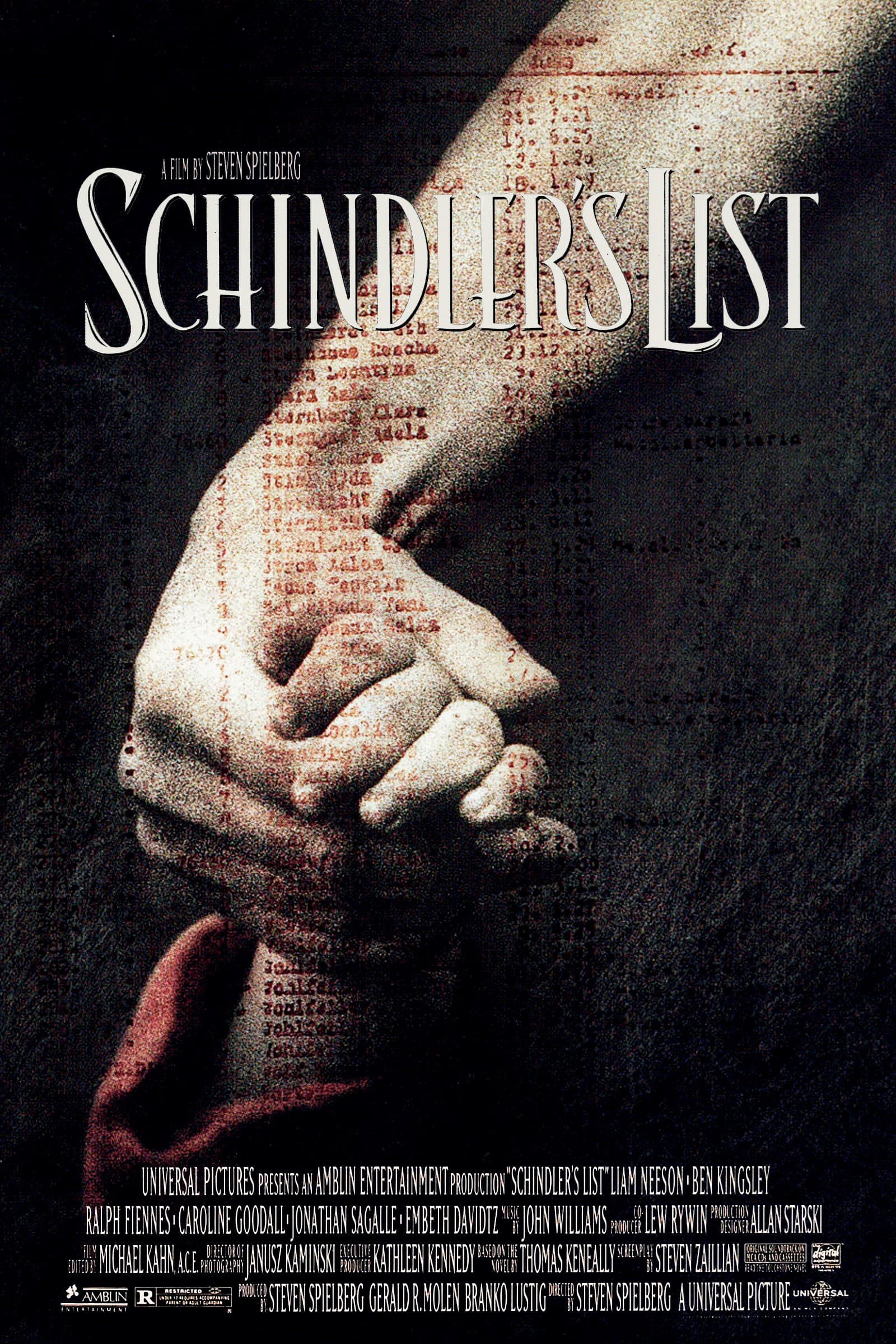
Schindler's List
A businessman who keeps a list — and keeps changing the kind of man he is.
1999 // VHS
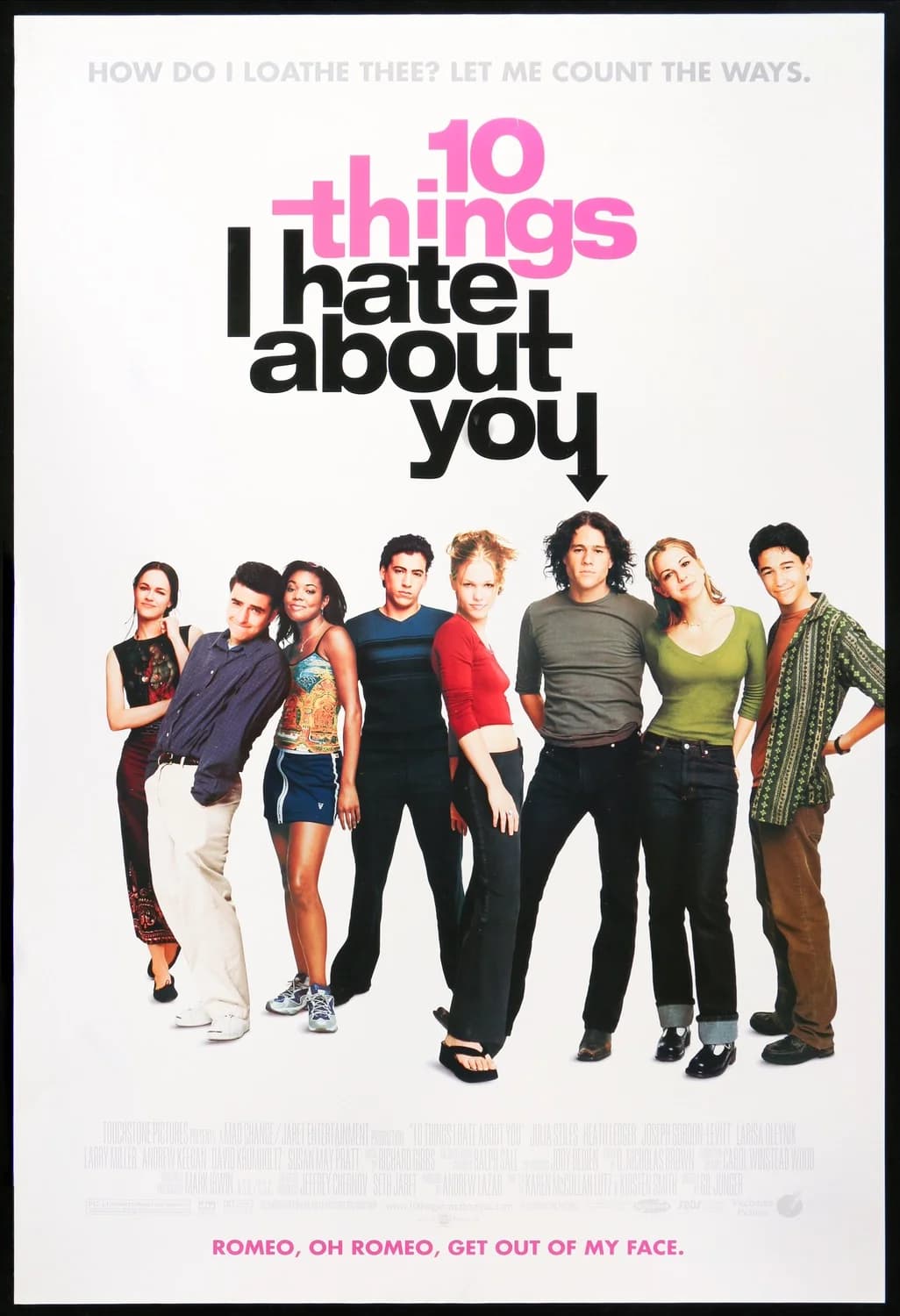
10 Things I Hate About You
Sibling rules, a rooftop serenade and one very stubborn Kat — Shakespeare in a school corridor.
1999 // VHS
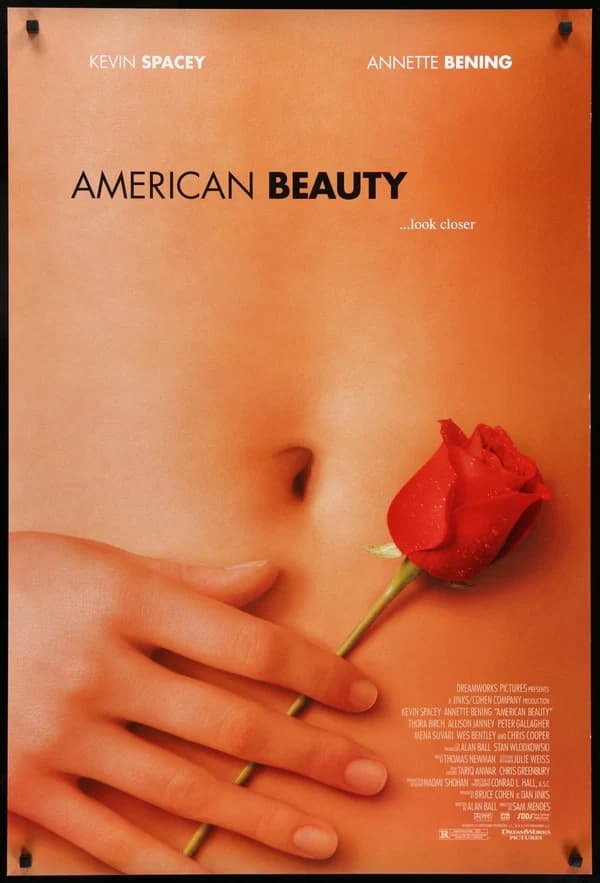
American Beauty
Lester Burnham, suburban rot and a midlife argument that still stings.