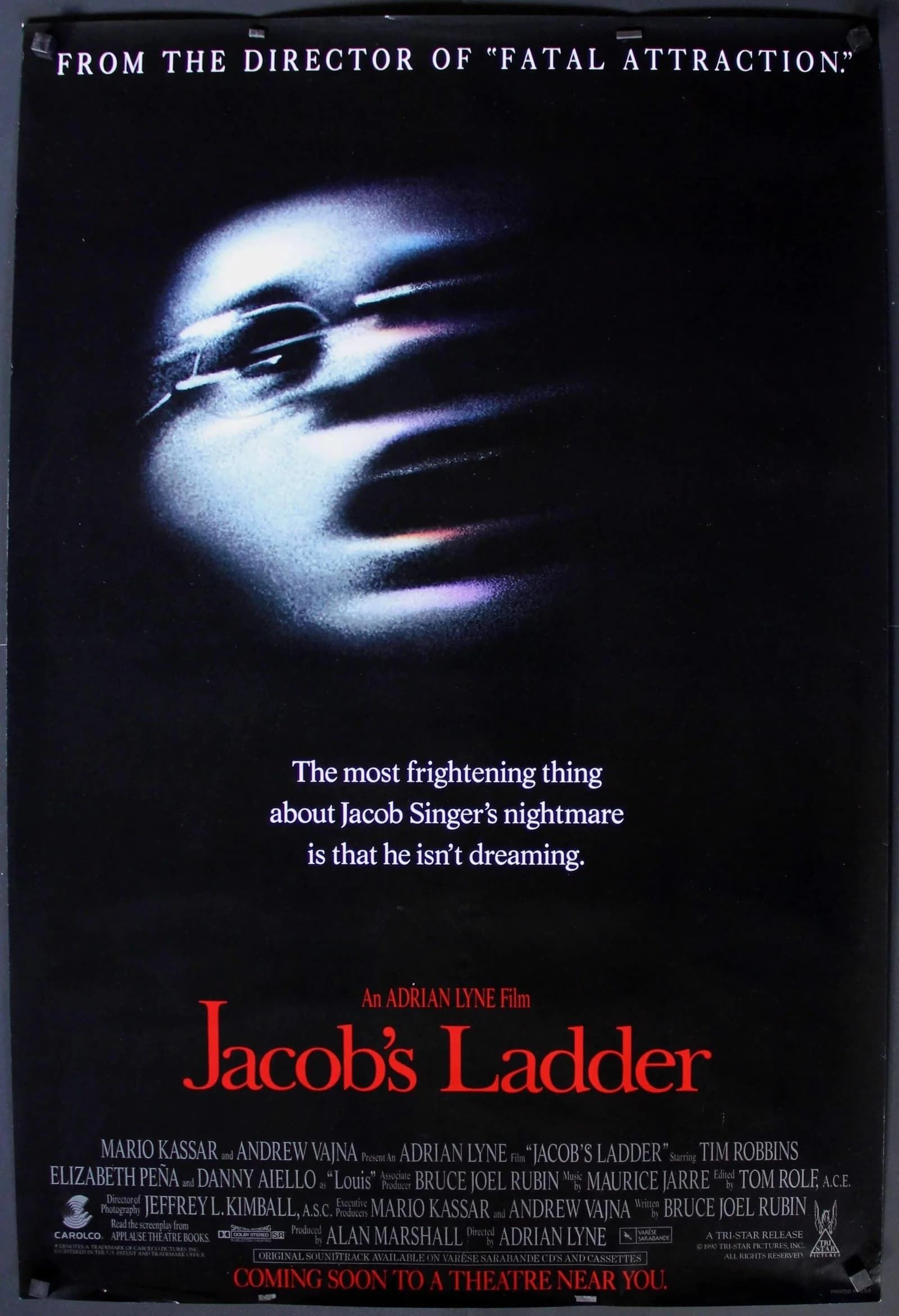
Jacob's Ladder
A Vietnam vet haunted by loss, memory and a staircase that refuses to behave like real life.
// The setup
PLAYBACK STARTED
Jacob's Ladder hooks you with a man who can't tell whether he's awake, asleep or somewhere worse. Tim Robbins plays Jacob "Jake" Singer, a Vietnam veteran whose flashbacks and grief push the film into a claustrophobic, unnerving zone. Adrian Lyne directs — this is very much a 1990 piece that wears its unease proudly.
THE MOVIE
Jacob "Jake" Singer is still the reason this movie works
If you remember Jacob's Ladder at all, you probably remember the feeling before the detail: the world turning on a hinge, or a hallway that insists on being wrong. That's the film's engine — Tim Robbins' Jacob "Jake" Singer, a Vietnam veteran whose life in New York is threaded through with flashbacks, hallucinations and sudden slips into nightmare.
Adrian Lyne opens on a Vietnam-battle sequence and then drops us into Jake's postwar routine, so the film always sits in two places at once: the war and whatever passes for ordinary life afterward. That push and pull — memory barging into the present — is the simplest reason to revisit it.
At its heart Jacob's Ladder is about grief and trauma. Jake's behaviour is driven by the death of his young son and by experiences in Vietnam; the movie makes post-traumatic stress the subject, and it doesn't treat that as shorthand for scares. It uses it as the thing that breaks him apart.
THE SETUP
The idea that sets Jacob's Ladder in motion
The film's setup is deliberately spare: a Vietnam vet back in New York, unable to keep past and present separate. That instability is how the plot moves — not so much a mystery to be solved as a series of disruptions to Jake's day-to-day life.
Those disruptions arrive as repeated flashbacks and dreamlike visions that slide over the present like an unwanted film projection. The movie withholds clear answers for a long time, which helps maintain the unease — you never quite know whether an image is memory, hallucination or something else.
Lyne and his cinematographer leaned into the disorientation. Certain sequences were shot at a much lower frame rate and given frantic camera movement so the world looks sped-up and wrong; it makes the fantasy moments feel physically different from the rest of the film.
There was also substantial trimming before release; the film we get is a tighter, more insistent version of its original cut, which keeps the pacing sharp and the mystery brisk.
THE CHARACTER
Why Jacob "Jake" Singer matters
Jake isn't a heroic type or an obvious lead you can root for without thinking. He's ordinary enough — ex-husband, friend, man trying to get by — until the stress of memory and loss reshapes him into something unstable and interesting.
His girlfriend Jezzie keeps trying to pull him into everyday life; she's the person who repeatedly attempts to stop him from falling completely into his own head. That tether is crucial because it gives Jake something to lose and someone to fight for.
The film also uses Jake's relationships with his ex-wife Sarah and his mates — for example the chiropractor Louie — to show how isolation creeps in. Those ordinary connections make his deterioration feel more human; we see how people around him react when he starts to unravel.
So Jake matters because the movie refuses to let the hallucinations be neat set pieces. They come from a recognisable life, and that makes the horror feel like an intrusion rather than a spectacle.
THE PERFORMANCE
Why Tim Robbins's performance matters
Contemporary critics singled out the film's craft, and that included the acting. Roger Ebert's review named the writing, directing and acting as central to the film's force, and he specifically noted Robbins' contribution to its emotional weight.
That says something useful: the movie needs an anchor whose reactions make the audience feel the instability. The part isn't simply about reacting to effects or images; it's about carrying the grief and confusion that the plot keeps throwing at him.
Because the story allows breathing room — scenes with friends, conversations with Jezzie, quiet domestic moments — Robbins' Jacob never becomes a one-note horror-fodder. Those quieter beats are precisely where the audience understands what's at stake.
Put bluntly: the film's impact depends on someone convincing in the middle of chaos. Contemporary reaction singled out Robbins as providing that middle, and that remains a core part of why the picture holds its line.
UNDER THE SURFACE
Jacob's Ladder has more on its mind than the plot suggests
On the surface it's a psychological horror-thriller with unnerving images. Below that surface it's preoccupied with post-traumatic stress and the long tail of combat trauma — how experiences in war can keep returning as broken, intrusive memories.
Grief is threaded through the film as well. The death of Jake's son isn't a subplot; it is a motor for his actions and a recurring image in his visions. That grief changes the stakes: the horror isn't just about fear of death, but about the difficulty of letting someone go.
The film also toys with what is real. It keeps the boundary between waking and afterlife deliberately fuzzy, so the viewer spends most of the runtime guessing whether the weirdness is neurological, supernatural or a mix of both.
Finally, perception and memory are treated as unreliable narrators. The movie asks us to live inside someone whose recollections keep shifting, and that choice turns ordinary scenes into potential threats.
THE FILMMAKING
How Jacob's Ladder was put together
A large part of the film's personality comes from how those fantasy moments were shot. Adrian Lyne and his cinematographer deliberately treated vision sequences differently, using a much lower frame rate and aggressive camera movement so those scenes feel jagged and unnerving.
That choice makes the nightmare moments not just conceptually odd but physically disorienting; the image itself behaves like a symptom. Jeffrey Kimball is credited as director of photography and Tom Rolf as editor, with Brian Morris on production design — it's a technical recipe that points the audience's attention to texture as much as plot.
There was also late-stage trimming after test screenings, with twenty to thirty minutes reportedly removed before release. The resulting cut is tighter and more insistent, which helps keep the film moving between its reality and nightmare beats without losing momentum.
So the filmmaking leans on craft choices that put you off-balance on purpose — it's less about flashy camera moves for show and more about making the viewer feel the same unsettlement the protagonist lives with.
PRACTICAL EFFECTS
The effects work that gives Jacob's Ladder its physical personality
The film relies on physical effects to make its disturbing imagery feel grounded. Special-effects sculptors and makeup artists were part of the credited crew, and their work shows: a number of scenes depend on prosthetics and applied makeup rather than only postproduction tricks.
The Vietnam battle sequences were staged on location in Puerto Rico and overseen by Capt. Dale Dye as a military technical advisor. That kind of on-set military staging gives those opening scenes an immediate, physical presence.
Some of the most memorable nightmare images — the hospital and gurney sequences in particular — were achieved with a mixture of prosthetics, set dressing and in-camera techniques. They have a tangible, tactile quality that keeps the surreal moments from feeling merely digital.
That practical approach matters because it keeps the shock rooted in the world the film constructs. The nightmares are uncanny because they physically occupy real space, not because they are a collection of obvious optical tricks.
PURE 80S
Jacob's Ladder could not belong to any other decade
Released in November 1990, Jacob's Ladder arrives at an interesting hinge: it's a film that looks back to the late 20th century's engagement with Vietnam and brings that unease into a contemporary setting. The movie is part of a broader late-20th-century interest in how combat trauma plays out after the war.
That timing matters because it positions the film among other works wrestling with veterans' experiences, rather than treating the war as remote history. The questions it asks about memory, perception and the aftershocks of combat felt particularly resonant at the start of the decade.
The film also sits within Adrian Lyne's career arc; he had directed Fatal Attraction a few years earlier, and contemporary coverage frequently referenced Lyne's previous work when discussing Jacob's Ladder. It meant audiences were watching a director known for intimate, emotionally fraught thrillers try his hand at something darker and stranger.
So while the film isn't a period piece in the sense of costume or set decoration, it belongs to its moment through the themes it chose to follow and the kinds of anxieties it put on screen.
THE LEGACY
Why Jacob's Ladder still matters
The film has stuck around in cultural conversations because its imagery and tone have been taken up elsewhere. It’s regularly credited as an influence on later psychological-horror works and on videogame creators working in that unsettling, dreamlike register.
It also turns up in genre retrospectives and countdowns; critics and cinephile guides have kept returning to particular moments from the movie when compiling lists of notable horror scenes. Those references keep it in circulation for new audiences.
The fact that a remake was produced in 2019 is another indicator that the central ideas — a veteran haunted by memory, a film that refuses easy explanation — still feel worth probing. Whether people prefer the original or a new take, the questions the movie raises remain active.
Ultimately, Jacob's Ladder matters because it gave future creators a way to make psychological disturbance look like a landscape rather than a trick. That visual vocabulary has migrated into other media, keeping the film's fingerprints visible.
THE VERDICT
Does Jacob's Ladder still hold up?
Yes — but with an important rider. If you want tidy explanations, it's not the film for you. Jacob's Ladder is built around a central experience: a veteran whose days are invaded by flashbacks and hallucinations and whose grief over his son pushes him toward extremes. The movie makes that uncertainty central to the viewing experience.
What helps it hold up is the way the story combines that emotional core with craft. The dreamlike sequences are filmed to feel physically different; the result is a film that doesn't rely purely on jump scares but on making the world itself seem untrustworthy. Contemporary critics singled out the writing, directing and acting — and Tim Robbins remains the anchor whose presence makes the strain believable.
There is also a final layer that the film leaves dangling: the end credits include an epilogue referencing alleged Pentagon experiments with a hallucinogenic drug as a possible explanation for what happened to the soldiers. That ambiguity — trauma as psychological truth, trauma as the product of outside interference, or both — is part of what keeps conversations about the film alive.
So if you’re curious about a horror movie that treats trauma seriously and prefers disquiet to tidy endings, go and watch it. Jacob's Ladder doesn't comfort; it stays with you because it refuses to be explained away.
// Featured in
More about Jacob's Ladder
Share this movie
// Keep watching
More movies from the 90s
If Jacob's Ladder is your kind of movie, there's plenty more on the shelves worth rewinding.
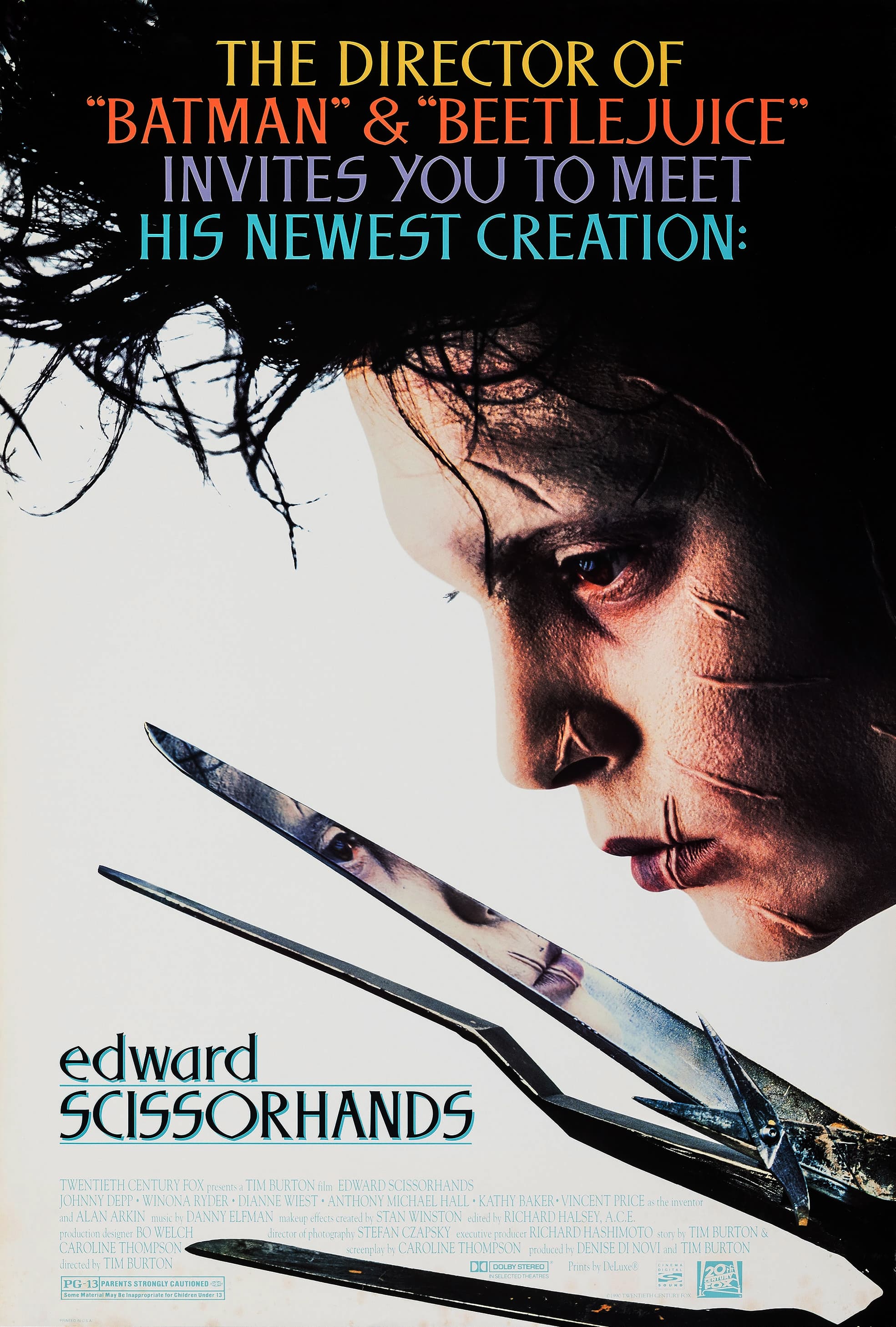
1990 // VHS
Edward Scissorhands
A fairy tale about a man who can’t quite touch the world — and the neighbourhood that can’t quite handle him.
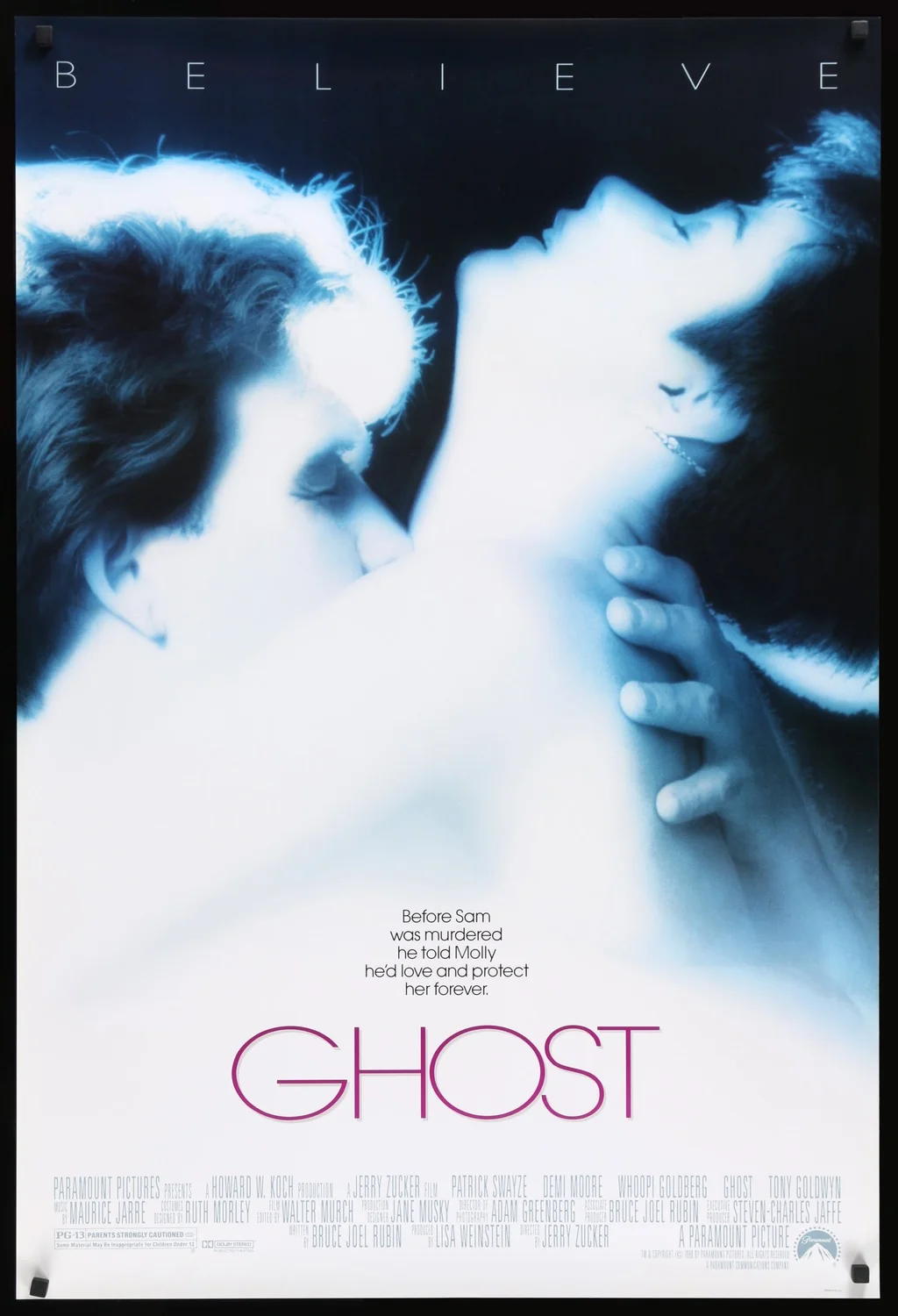
1990 // VHS
Ghost
A murder mystery disguised as a love story — with a man who won’t stop watching over the person he loves.
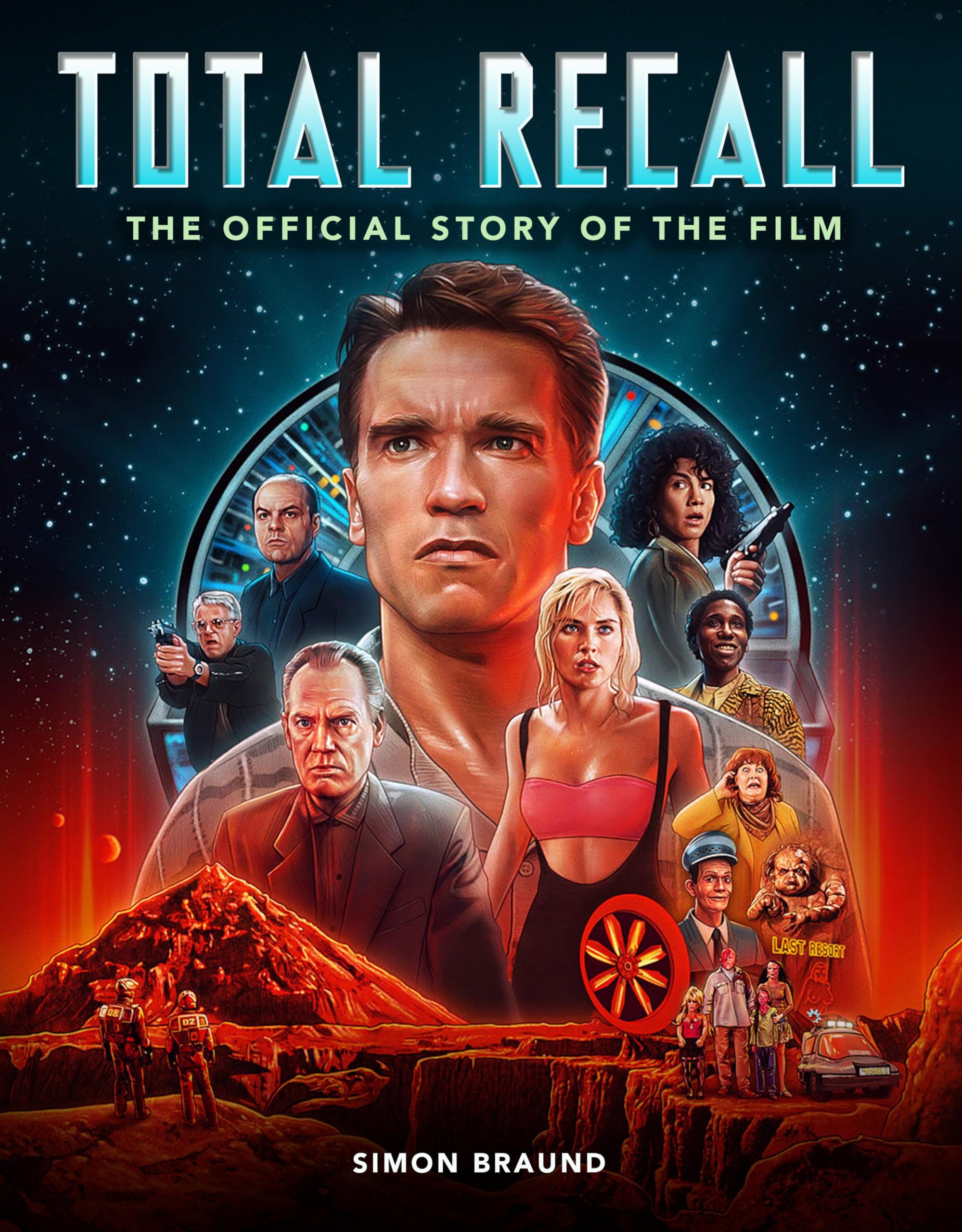
1990 // VHS
Total Recall
Memory, muscle and a very faulty holiday package — with Mars on the itinerary.