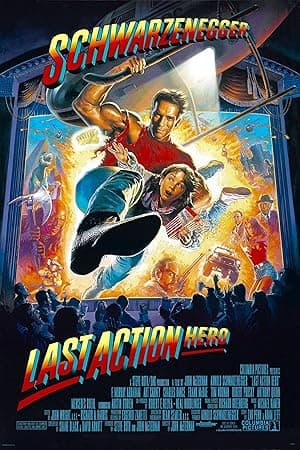
Last Action Hero
A child’s wish ticket, a self-aware action hero and enough meta mayhem to make the genre look at itself in the mirror.
// The setup
PLAYBACK STARTED
Last Action Hero is the rare blockbuster that insists on arguing with its own premise. It hands an eleven-year-old a magical cinema ticket, pulls him inside an Arnold Schwarzenegger movie, then asks what happens when the hero discovers he’s only ever been a story. That loop — kid-as-fan, star-as-character, fiction-as-problem — is why the film still rewards a second look.
THE MOVIE
Jack Slater / Himself is still the reason this movie works
People still talk about Last Action Hero because it puts a child’s cinema wish at the heart of a blockbuster and then refuses to be straightforward about the consequences. An eleven-year-old movie fan, Danny Madigan, is handed a magical ticket and wakes up inside the kind of over-the-top action film he idolises — which, crucially, gives the movie permission to play with the rules of both worlds.
That device — a boy who knows the language of action films meeting the man who speaks it for a living — makes Arnold Schwarzenegger’s double billing as both the movie star and his own on-screen creation more than a gimmick. The film-within-a-film premise turns Slater’s world into a testing ground: genre behaviour is visible and therefore examinable.
John McTiernan directs a picture that’s part send-up and part genuine romanticisation of action cinema; it’s an oddball mix of big-idea metafiction and popcorn adventure, and the strange chemistry between Danny’s cinephile knowledge and Slater’s on-screen instincts is what keeps the whole thing from disappearing into pastiche.
THE SETUP
The idea that sets Last Action Hero in motion
Keep this simple: Danny is a kid who loves action films. A projectionist gives him a magic ticket and suddenly Danny wakes up inside Jack Slater IV as the hero’s on-screen companion. That single conceit does most of the heavy lifting — it explains the jokes, the sudden rule changes and why the film keeps switching tone.
Once the boundary between film and reality is porous, the stakes flip. The villain Benedict gets hold of the ticket and uses it to escape into the real world; to stop him, Slater has to follow. So the movie’s engine becomes less about chasing bad guys and more about the consequences of dragging movie logic into everyday life.
The ticket is the neat mechanical idea here: it’s a bridge, a plot switch and a running gag. It also allows the script to trade the conventions of both worlds — Slater’s film tropes bump up against real-world cause and effect, and neither side remains comfortable.
The screenplay arrived after several substantial rewrites and credit arrangements; that messy creative history is audible in the script’s tone-jumps and its appetite for both big set pieces and… unexpectedly tender moments.
THE CHARACTER
Why Jack Slater / Himself matters
Jack Slater isn’t just an action hero; he’s an action-hero idea made flesh. The movie credits Arnold Schwarzenegger as both himself and Jack Slater, which lets the film point and laugh at its own mythology while still asking us to care about the bloke who lives inside it.
What saves the concept from being a one-joke novelty is the film’s insistence on a relationship. Danny isn’t merely a fan in the audience — he’s the companion who nudges Slater toward something like feeling. That surrogate father–son thread gives the film a pulse beneath the explosions.
There’s a documented effort to deepen that bond during the script stage: William Goldman was later brought in, uncredited, to tighten the emotional core by reshaping Danny’s age and the motives that form the pair’s connection. That work explains why the film, for all its cheek, repeatedly returns to the sentimental register.
So Slater matters because he’s both mirror and pupil: the movie uses him to interrogate what action heroes mean, and then lets the presence of a real kid make those meanings matter in human terms.
THE PERFORMANCE
Why Arnold Schwarzenegger's performance matters
Contemporary coverage made a lot of Schwarzenegger’s central, self-referential role — and not always kindly. Some reviewers welcomed the fact the star leaned into satire; others found the tonal wobble made the film harder to pin down.
That disagreement is, in itself, revealing: the part asks the audience to accept an Arnold who is both commodity and character, which complicates how you laugh at him, and how you root for him.
Because the movie trades on that ambiguity, Schwarzenegger’s presence isn’t incidental. Whether you’re amused or annoyed by the meta angle, his double credit sits at the film’s argumentative centre.
So talking about the performance is really talking about how the movie chooses to use its biggest show-biz tool — its star — to spin a comedy out of its own myth.
UNDER THE SURFACE
Last Action Hero has more on its mind than the plot suggests
On the nose: the film is about metafiction. It’s constantly pointing out that it’s a movie and then watching what happens when the characters take that pointing seriously.
It’s also a deconstruction of action-hero tropes. By sending a real kid into an action movie and then hauling a villain into the real world, the film exposes how those tropes work — and what they leave out when they become habit.
Crucially, it’s a story about a surrogate father–son relationship. Danny’s role as the audience surrogate means his knowledge of movies prompts Slater’s emotional development; it’s a deliberately small human thread woven through large spectacle.
Finally, the film keeps returning to the boundary between fiction and reality, treating that border as both playground and battleground — which is what gives a cheeky summer blockbuster an unexpectedly thoughtful spine.
THE FILMMAKING
How Last Action Hero was put together
The credits behind the camera read like a studio picture assembled to handle both spectacle and comedy. Dean Semler is listed as cinematographer, Richard A. Harris as editor and Eugenio Zanetti as production designer — names that point to a production built to move smoothly between on-stage movie set and the ‘real’ world the film visits.
That crew makeup helps explain why the movie can maintain broad action beats while still pausing long enough for metafictional flourishes. The technical team’s experience is what lets the film juggle different modes without collapsing entirely into chaos.
There were substantial script rewrites during development and extensive shooting schedules, which fits the sense of a large studio picture trying to balance ideas with crowd-pleasing spectacle.
Put simply: the filmmaking credentials are those of a mainstream director’s picture aiming to be both clever and loud, and that ambition shows throughout the production.
PRACTICAL EFFECTS
The effects work that gives Last Action Hero its physical personality
The film’s stunts and on-set spectacle were realised through a mixture of practical techniques and digital compositing. Credits list multiple visual-effects vendors alongside miniatures and practical crews, signalling an intentionally hybrid approach.
Production reporting records the use of automotive miniatures and on-set special-effects explosions for stunt work, which gave the action sequences a physical weight that digital tricks alone didn’t provide.
Those practical elements occasionally overstepped: one reported on-set explosion caused collateral damage to nearby property and required remediation — a reminder that large-scale stunts come with real-world consequences.
Overall, the effects work reads like a 1990s studio trying to get the best from both practical stunts and the era’s advancing compositing techniques.
PURE 80S
Last Action Hero could not belong to any other decade
The film arrived at a moment when studios were leaning hard into high-concept blockbusters and franchise thinking. That context matters: Last Action Hero’s meta approach — a big studio movie making jokes about big studio movies — only makes sense where merchandising, tie-ins and cross-promotions were growing more central to how films were sold.
Its appetite for both spectacle and self-reference tracks with the early-1990s mainstream, when studios were experimenting with ways to make blockbusters smarter about themselves without losing mass appeal.
So the movie’s personality is partly a product of its era: a studio picture that wants to be playful about its own strategies while still operating within them.
That tension between commerce and commentary is part of why Last Action Hero feels of its time — and why it can still surprise modern viewers who assume the film will choose one lane and stick to it.
WATCHING IT NOW
What has aged — and what hasn't
Retrospective reassessment has softened some of the initial verdicts. Restored home-video releases, including a 4K/UHD edition, and later critical coverage have prompted people to look again at the film’s satire and its stunt work, and see more that’s deliberate and repairable than was acknowledged at the time.
The surrogate father–son relationship sits at the heart of what still works: because Danny functions as an audience surrogate, his cinephile knowledge gives the film emotional leverage — it’s not just jokes about clichés, it’s a kid teaching a hero what matters.
The core device — a ticket that lets fiction and reality cross paths — still plays as a clever engine. It’s the idea that allows the film to swap rules between worlds and to ask what happens when movie logic meets ordinary cause and effect.
Finally, the film’s casting choice to credit Schwarzenegger both as himself and as Jack Slater remains an effective provocation; coupled with documented script work to deepen the Slater–Danny bond, those choices help the movie feel less like a stunt and more like a deliberate, if bumpy, experiment.
THE LEGACY
Why Last Action Hero still matters
Plans for a sequel were seriously considered in 1993 but did not proceed after the film’s underwhelming commercial launch, which left the picture as a single, peculiar entry rather than the start of a franchise.
Despite that, the film has kept a visible afterlife through home-video releases and periodic critical reappraisal. Restored editions, including a 4K/UHD release, have given newer audiences the chance to see the movie on its own terms rather than through the lens of its initial reception.
That ongoing availability, and the fact the film keeps inviting discussion about star-image and genre, is the reason it remains part of film conversations: it’s not that it changed the industry, but it refused to be forgotten.
In short: Last Action Hero matters because it keeps demanding negotiation — between satire and affection, between spectacle and sincerity — whenever anyone presses play again.
THE VERDICT
Does Last Action Hero still hold up?
Yes — but with a caveat. If you go expecting a straightforward parody or a neat satire, you’ll be frustrated. The film is messy on purpose: it’s a summer-action comedy that keeps tugging the rug out from under its own pleasures.
The central mechanics remain as clever now as they were then. An eleven-year-old fan is transported into Jack Slater’s world by a magical ticket; Danny’s knowledge operates as a guide for both the audience and the hero, and when the villain Benedict steals the ticket and brings fiction into the real world, the story flips its stakes and asks awkward questions about responsibility and consequence.
Those questions are anchored by choices made during development — William Goldman’s uncredited work to deepen the Slater–Danny bond, the decision to cast Schwarzenegger as both star and character, and the choice to build a picture that is part action movie and part meta-commentary. Contemporary reviews were divided over that approach, which is hardly surprising: the film wants to be many things at once.
So should you watch it? If you enjoy movies that argue with their own pleasures, yes. If you prefer cleaner tonal promises, maybe not. Last Action Hero still works when seen as a flawed, ambitious hybrid: a blockbuster that tries to be self-aware and, occasionally, heartbreakingly sincere — often in the same breath.
Share this movie
// Keep watching
More movies from the 90s
If Last Action Hero is your kind of movie, there's plenty more on the shelves worth rewinding.
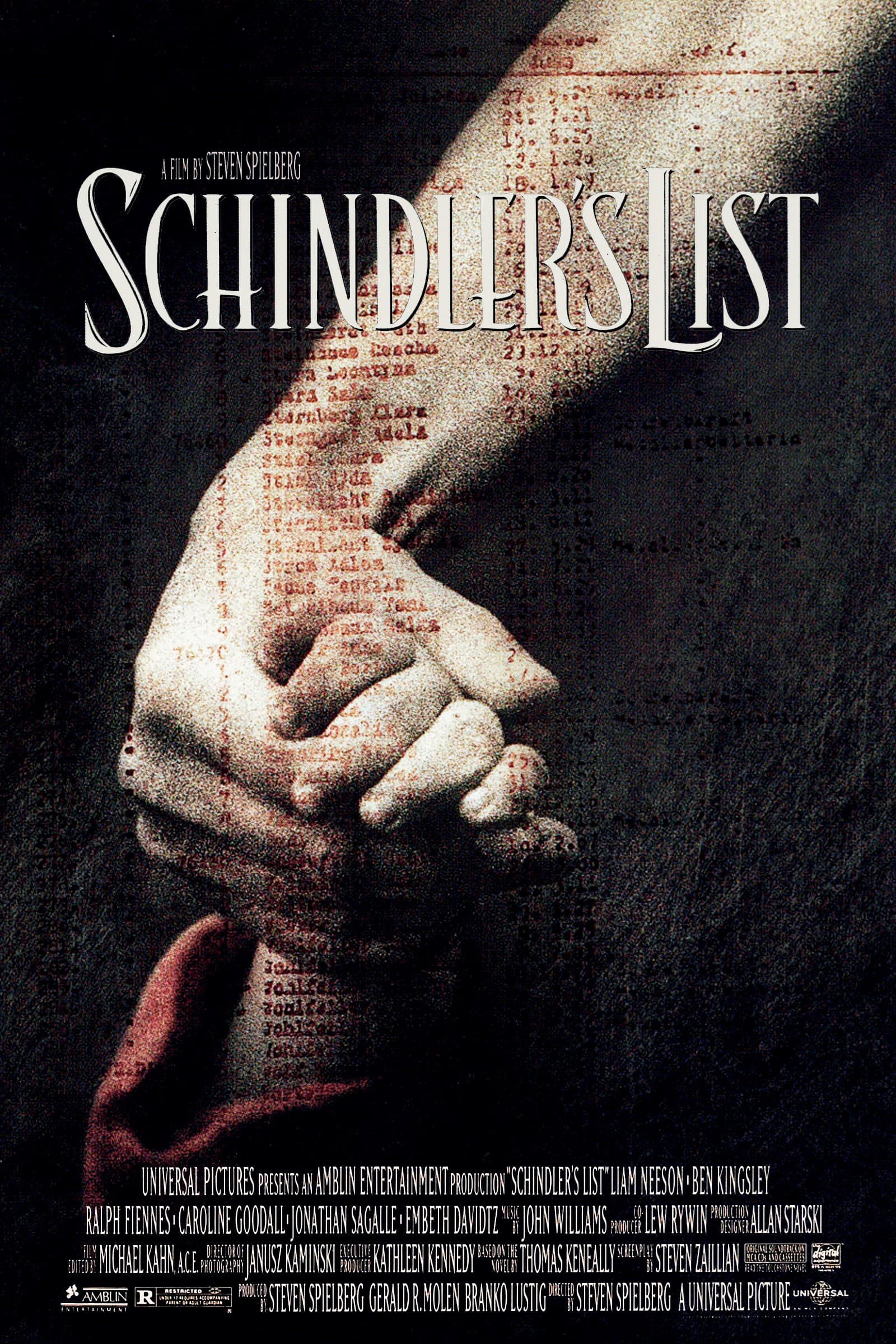
1993 // VHS
Schindler's List
A businessman who keeps a list — and keeps changing the kind of man he is.
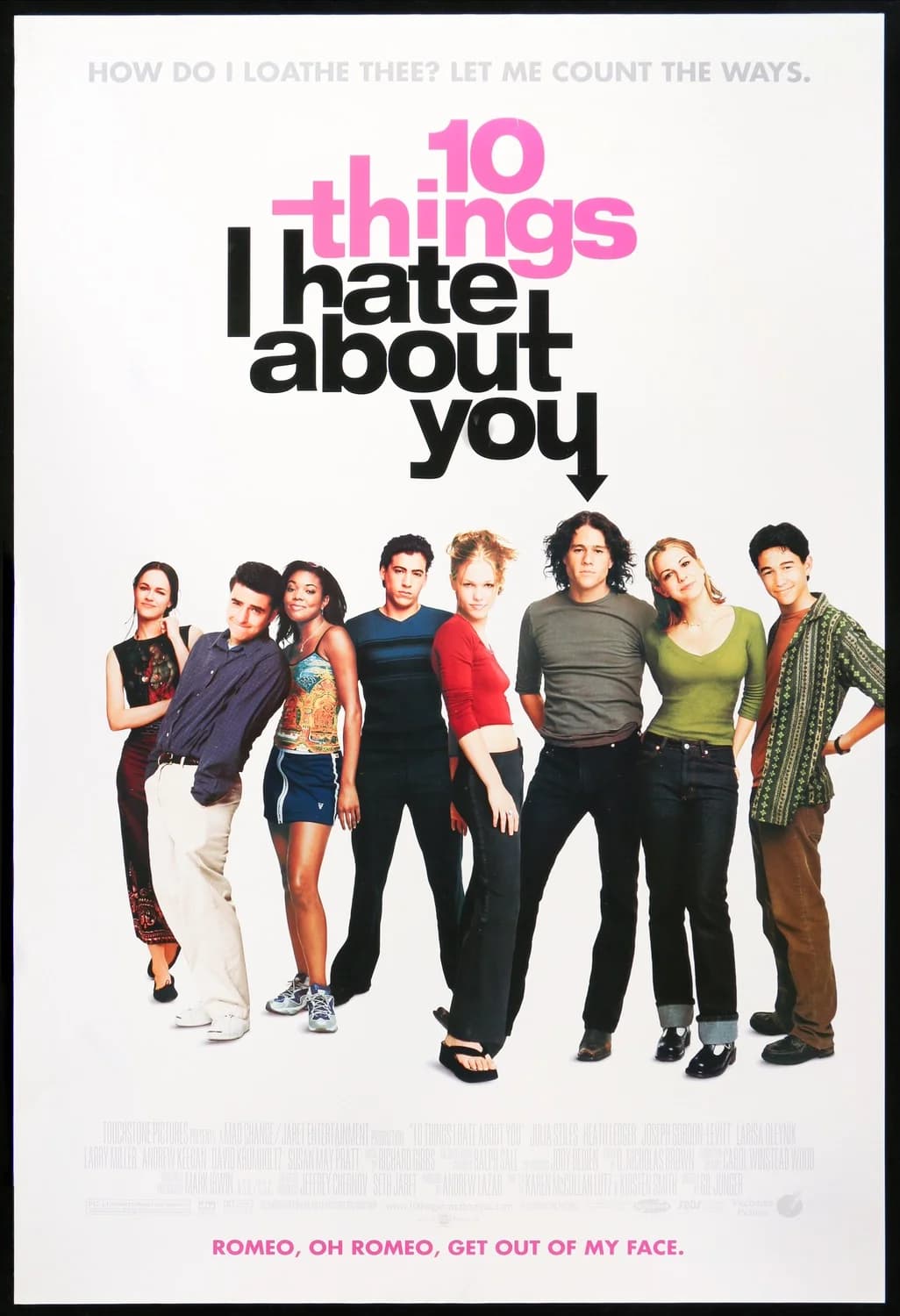
1999 // VHS
10 Things I Hate About You
Sibling rules, a rooftop serenade and one very stubborn Kat — Shakespeare in a school corridor.
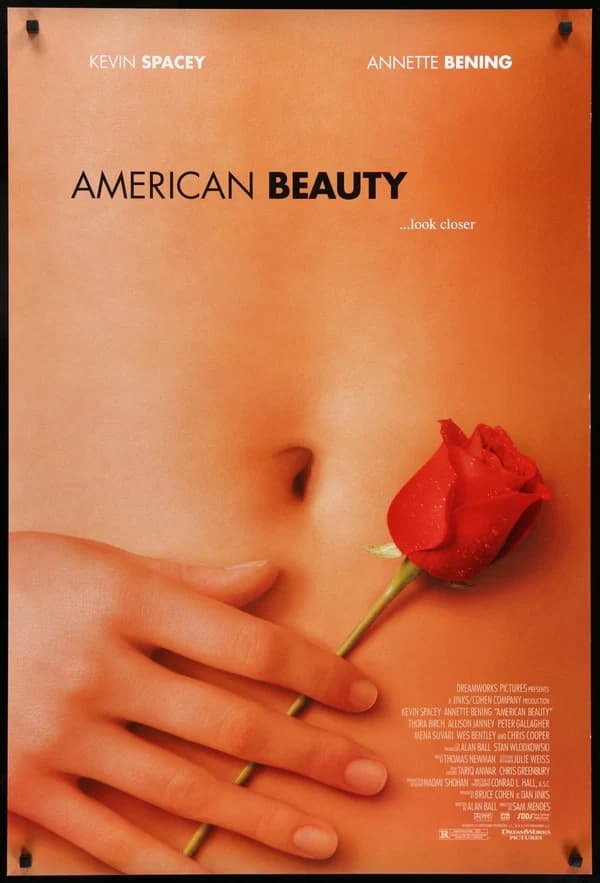
1999 // VHS
American Beauty
Lester Burnham, suburban rot and a midlife argument that still stings.